Dog clothing has evolved from a niche trend into a multi-million-dollar industry, with boutique brands launching seasonal collections and influencers showcasing their pets in designer ensembles. Among the most popular styles are “small fragrance” aesthetic dog clothes—delicate, fashion-forward pieces often scented with light perfumes or adorned with floral prints and lace. While undeniably charming, many pet owners question whether these stylish outfits serve any real purpose beyond aesthetics. Are they worth the investment, or do they compromise comfort and practicality for the sake of cuteness?
This article explores the divide between fashion-driven and function-first dog apparel, weighing the benefits, risks, and real-world value of each. From temperature regulation to behavioral cues, we’ll break down what truly matters when dressing your dog—and when it might be better to leave the tutu at home.
The Rise of Aesthetic Dog Fashion
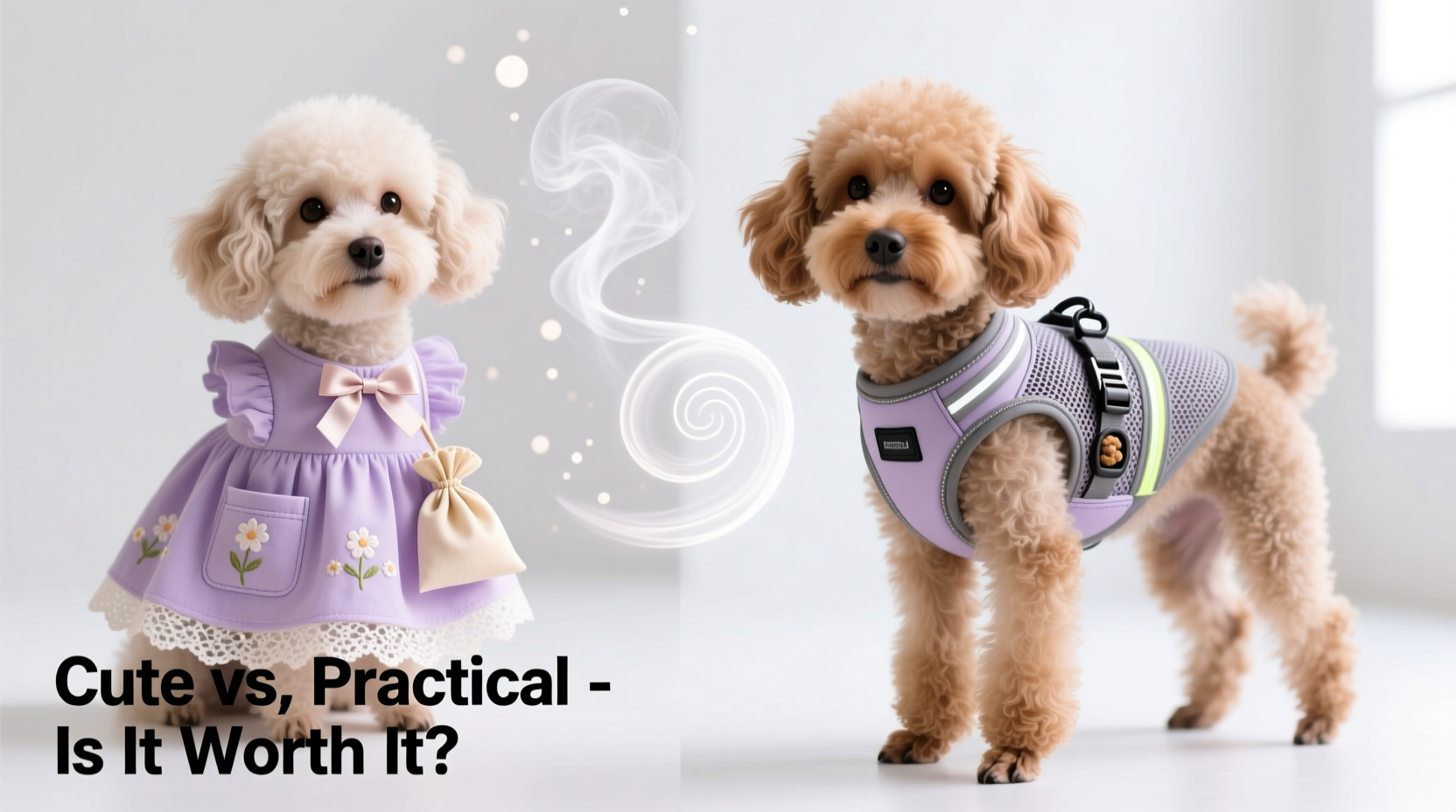
In recent years, social media has amplified pet fashion trends, especially among small breeds like Pomeranians, Chihuahuas, and French Bulldogs. The “small fragrance” style—a term borrowed from Japanese kawaii culture—refers to soft, pastel-colored garments that evoke innocence and delicacy. These outfits often include satin ribbons, embroidered details, and subtle fragrances meant to enhance the sensory experience for owners.
Brands market these clothes as part of a lifestyle: gentle, romantic, and meticulously curated. But while the visuals are appealing, the functionality often takes a backseat. Many of these designs use synthetic fabrics that trap heat, feature tight fits around the neck or legs, or lack proper closures, leading to discomfort during extended wear.
“Fashion should never override welfare. If a dog is scratching, panting, or trying to remove an outfit, it’s not working—no matter how photogenic it looks.” — Dr. Lena Torres, Veterinary Behaviorist
Functional Dog Apparel: Designed for Purpose
Unlike decorative clothing, functional dog apparel addresses specific needs such as weather protection, mobility support, or medical recovery. Examples include:
- Raincoats with waterproof shells and reflective strips for visibility
- Thermal vests made from breathable fleece for cold climates
- Recovery suits that protect surgical sites without restricting movement
- UV-protective shirts for dogs with thin coats or sensitive skin
These garments prioritize fit, material safety, and ease of movement. They’re tested for durability and designed with canine anatomy in mind—wide armholes, adjustable straps, and flat seams to prevent chafing.
Tip: Always check the label for fabric composition. Natural fibers like cotton or merino wool are less likely to cause irritation than polyester blends.Cute vs. Practical: A Side-by-Side Comparison
| Feature | Small Fragrance Style Clothes | Functional Dog Apparel |
|---|---|---|
| Fabric Quality | Often synthetic, non-breathable (e.g., satin, nylon) | Breathable, moisture-wicking (e.g., cotton, microfleece) |
| Fit & Comfort | Tight, restrictive cuts; may limit leg movement | Ergonomic design; allows full range of motion |
| Weather Suitability | Poor insulation; not water-resistant | Engineered for heat retention or rain protection |
| Safety | Loose embellishments, fragrances, choking hazards | Minimal seams, no loose parts, hypoallergenic materials |
| Lifespan | Short-term wear; delicate construction | Durable stitching; machine washable; long-lasting |
| Cost Efficiency | High price for low utility | Higher upfront cost but better long-term value |
When Cute Outfits Make Sense (and When They Don’t)
There’s no universal rule against dressing dogs in stylish clothes—but context matters. Short-term photo shoots, special events, or indoor wear in climate-controlled environments can make aesthetic outfits acceptable, provided the dog shows no signs of distress.
However, using fragrance-infused garments daily or in warm conditions poses risks. Synthetic scents can irritate a dog’s respiratory system, and overheating is a serious concern, especially for brachycephalic breeds. Additionally, restrictive clothing can interfere with natural behaviors like squatting, scratching, or shaking.
Mini Case Study: Bella the Pomeranian
Bella, a 4-year-old Pomeranian in Portland, Oregon, was dressed weekly in lace-trimmed dresses for her owner’s Instagram page. Over time, her owner noticed increased scratching and reluctance to go outside. A vet visit revealed contact dermatitis caused by synthetic dyes and embedded fragrance particles in the fabric. After switching to plain cotton tees and limiting fancy outfits to brief indoor sessions, Bella’s skin condition improved within three weeks.
This case illustrates how even seemingly harmless fashion choices can impact health when worn frequently or improperly.
How to Choose the Right Clothes for Your Dog
If you want to dress your dog, balance aesthetics with well-being. Follow this checklist before purchasing any garment:
Apparel Selection Checklist
- ✅ Measure your dog accurately (neck, chest, length from base of neck to tail)
- ✅ Prioritize stretchable, breathable fabrics
- ✅ Avoid glued-on decorations, beads, or strong scents
- ✅ Ensure freedom of movement—watch your dog walk, sit, and lie down in the outfit
- ✅ Limit wear time to under two hours unless medically necessary
- ✅ Monitor for signs of stress: excessive licking, panting, hiding, or attempts to remove clothing
Step-by-Step: Introducing Clothing to Your Dog
- Start with simple items like a soft cotton t-shirt to acclimate your dog.
- Put it on briefly during calm moments—pair with treats or playtime.
- Observe behavior for five minutes: does your dog move normally?
- Gradually increase duration over several days if no discomfort is shown.
- Never force wearing; if resistance persists, discontinue use.
Frequently Asked Questions
Do dogs need clothes at all?
Most healthy adult dogs with full coats don’t need clothing. However, puppies, senior dogs, hairless breeds (like Xolos or Chinese Cresteds), and those with medical conditions may benefit from thermal layers in cold weather.
Is it safe to use scented dog clothes?
Generally, no. Artificial fragrances can trigger allergies, skin irritation, or respiratory issues. Dogs have highly sensitive olfactory systems—what smells pleasant to us may overwhelm them. Opt for unscented, hypoallergenic options instead.
Can dog clothes cause anxiety?
Yes. Unfamiliar textures, restricted movement, or past negative experiences can make dogs anxious. Signs include trembling, whining, or withdrawal. If your dog resists clothing consistently, respect their preference—it’s not worth the stress.
Conclusion: Style Should Serve the Dog, Not Just the Owner
The appeal of dressing up pets is understandable—dogs bring joy, and sharing their adorable moments strengthens emotional bonds. However, when fashion overshadows function, it risks compromising comfort, health, and trust. Small fragrance-style dog clothes may earn likes online, but they rarely offer lasting value.
Instead, invest in versatile, well-made apparel that supports your dog’s needs. Whether it’s a lightweight rain jacket for drizzly walks or a soft recovery suit post-surgery, functional clothing enhances quality of life. Save the frilly dresses for occasional indoor photos—with strict time limits and constant supervision.
Ultimately, the best outfit for your dog isn’t the cutest one. It’s the one they wear without noticing it’s there.
💬 What’s your take on dog fashion? Have you found a brand that balances style and comfort? Share your experience and help other pet parents make smarter choices!








