Choosing between a Rottweiler and a Pitbull is more than a decision about breed—it’s a commitment to understanding temperament, lifestyle compatibility, and long-term responsibility. Both breeds are powerful, intelligent, and often misunderstood. While they share common traits like loyalty and strength, their differences in origin, behavior, and care needs can significantly impact your experience as a pet owner. The real question isn’t just which dog looks more impressive, but which one aligns better with your home, routine, and expectations.
Origins and Historical Roles
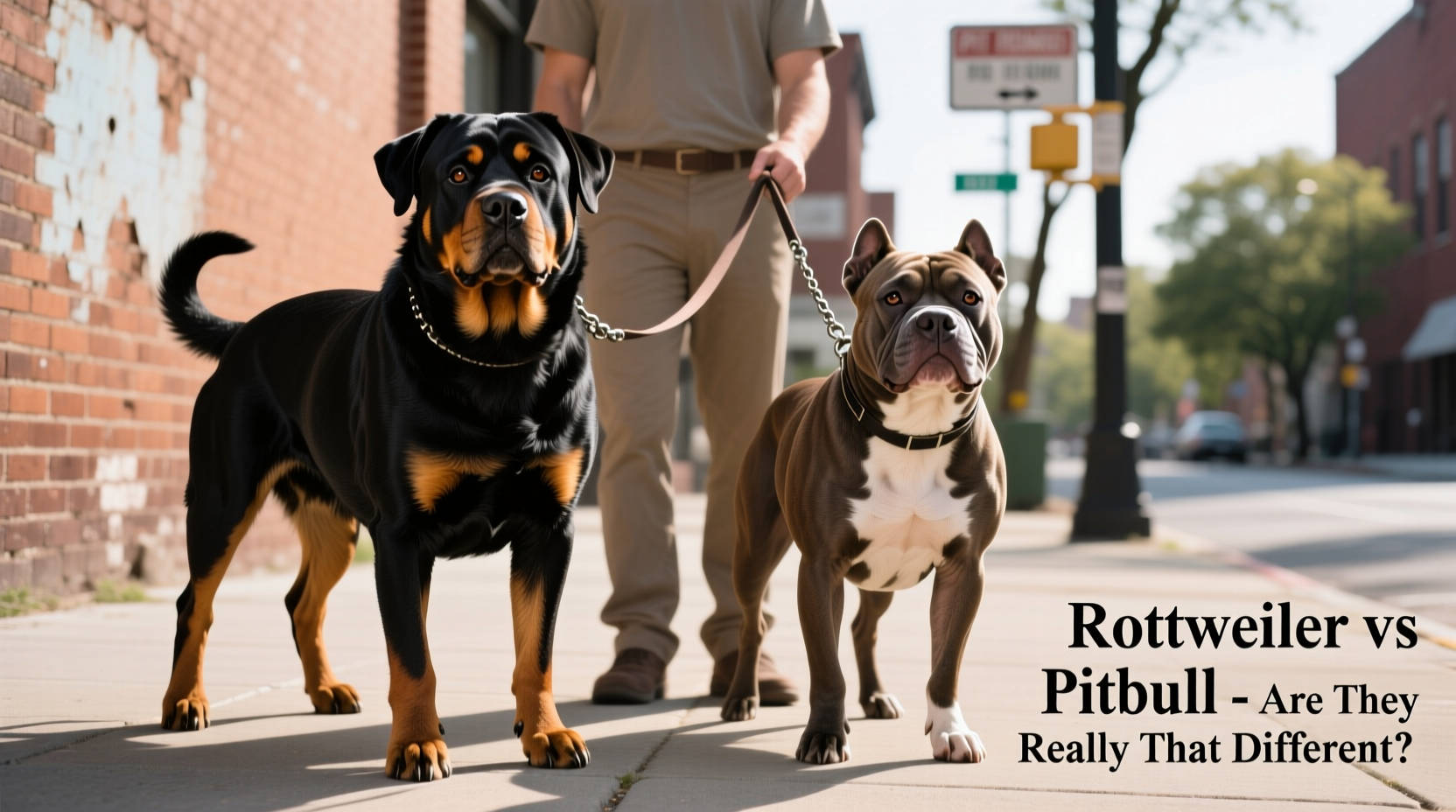
The Rottweiler traces its roots back to ancient Rome, where it served as a herding and guarding dog for cattle during military campaigns. Over centuries, the breed evolved into a reliable working dog in Germany, used for pulling carts and protecting property. This history shaped the Rottweiler into a confident, territorial, and highly obedient companion—ideal for structured environments.
In contrast, the American Pit Bull Terrier (commonly referred to as “Pitbull”) was developed in the 19th century from crosses between bulldogs and terriers. Originally bred for bull-baiting and later misused in dogfighting, the breed carries a controversial past. However, modern Pitbulls, when raised responsibly, are known for their affectionate nature, high energy, and eagerness to please. Their background gives them strong prey drive and resilience, but also makes early socialization critical.
“Both breeds were designed for work—one for protection, the other for tenacity. That historical purpose still echoes in their behavior today.” — Dr. Laura Simmons, Canine Behavior Specialist
Temperament: Loyalty vs Affection
Rottweilers are naturally protective and reserved around strangers. They form deep bonds with their families and are typically calm indoors, making them excellent watchdogs. Their demeanor is steady, sometimes aloof, but rarely aggressive without cause. With proper training, they are respectful and responsive, thriving under consistent leadership.
Pitbulls, on the other hand, are famously people-oriented. Often called “nanny dogs” in early 20th-century America due to their patience with children, they crave human interaction and are prone to separation anxiety if left alone too long. They are exuberant, playful, and emotionally expressive—more likely to greet a stranger with a wagging tail than a growl.
Tip: Never judge either breed by stereotypes. Individual temperament depends heavily on breeding, upbringing, and socialization—not just genetics.Physical Needs and Exercise Requirements
Both breeds are muscular and energetic, but their exercise styles differ. Rottweilers benefit from structured activities like obedience drills, weight-pulling, or controlled walks. They enjoy mental challenges and excel in disciplined environments. Without sufficient stimulation, they may become destructive or overly dominant.
Pitbulls need intense daily exercise—running, fetch, agility training—to burn off energy. An under-exercised Pitbull is more likely to develop behavioral issues like chewing, digging, or hyperactivity. They thrive in homes with yards or access to dog parks, provided they are securely fenced.
| Aspect | Rottweiler | Pitbull |
|---|---|---|
| Daily Exercise | 60–90 minutes (structured) | 60–120 minutes (high-intensity) |
| Mental Stimulation | High (responds well to training) | Moderate-High (needs variety) |
| Prey Drive | Moderate | High |
| Apartment Friendly? | Possible with routine | Challenging without space |
Training and Socialization Challenges
Rottweilers are intelligent and quick learners, but their natural protectiveness requires early and ongoing socialization. Puppy classes and exposure to diverse people, animals, and environments are essential. Without it, they may become overly suspicious or reactive. Positive reinforcement works best, though firm boundaries help them feel secure.
Pitbulls are eager to please and often pick up commands quickly. However, their enthusiasm can turn into stubbornness if not managed. Leash reactivity and dog-dog aggression—especially in unneutered males—are common concerns. Early exposure to other dogs, combined with consistent training, reduces risks significantly.
Step-by-Step Guide to Early Socialization (Ages 8–16 Weeks)
- Enroll in a puppy class that emphasizes positive reinforcement.
- Introduce your dog to at least 10 new people per week (different ages, sizes, clothing).
- Vary walking routes to expose them to traffic, bikes, and urban noise.
- Safely introduce them to vaccinated, friendly dogs.
- Practice handling exercises (paw touching, ear checks) to build trust.
Health and Long-Term Care
Rottweilers have a shorter lifespan, averaging 8–10 years. They are prone to hip and elbow dysplasia, heart conditions, and certain cancers. Regular vet checkups, joint supplements, and maintaining a lean body weight are crucial for longevity.
Pitbulls generally live longer—12–14 years—and are relatively healthy, though they can suffer from skin allergies, hypothyroidism, and demodex mange. Their short coats require minimal grooming, but regular ear cleaning and dental care are important.
Tip: Invest in pet insurance early. Both breeds may face costly health issues, and coverage can ease financial strain.Real-Life Example: Choosing Based on Lifestyle
Consider Sarah, a single professional living in a suburban home with a fenced yard. She works from home and enjoys hiking. After researching both breeds, she chose a female Pitbull because of the dog’s need for companionship and high activity level—perfect for her outdoor lifestyle. Her dog, Luna, attends agility classes and has become a therapy dog at a local senior center.
Meanwhile, Mark, a retired police officer with two teenagers, adopted a male Rottweiler. He wanted a protective presence and appreciated the breed’s calm demeanor indoors. With consistent training, his Rottweiler, Thor, became a trusted family member who alerts to unusual activity but remains gentle with guests.
Their choices weren’t based on which breed was “better,” but which fit their environment, time availability, and emotional needs.
Checklist: Before Bringing Home a Rottweiler or Pitbull
- ✔ Assess your ability to provide daily exercise and mental stimulation
- ✔ Research local breed-specific legislation (BSL)
- ✔ Confirm housing allows large or restricted breeds
- ✔ Budget for food, insurance, training, and potential medical costs
- ✔ Commit to lifelong socialization and obedience training
- ✔ Choose a reputable breeder or rescue with health clearances
Frequently Asked Questions
Are Pitbulls more dangerous than Rottweilers?
No breed is inherently dangerous. Statistics show that dog attacks are more closely linked to owner behavior, lack of training, and neglect than breed alone. Both Rottweilers and Pitbulls can be safe and gentle when raised responsibly. However, due to their strength, improper handling can lead to serious incidents.
Which breed is better with children?
Both can be excellent with kids when properly socialized. Pitbulls tend to be more playful and tolerant, while Rottweilers are more reserved but deeply loyal. Supervision is essential with either breed, especially around young children. Early introduction and teaching kids how to interact safely are key.
Do I need prior dog experience to own either breed?
Yes. Both breeds are strong-willed and require confident, consistent leadership. First-time owners can succeed, but only with dedication to training, research, and professional support. Neither breed forgives negligence or inconsistency.
Final Thoughts: It’s Not About the Breed—It’s About You
The difference between a Rottweiler and a Pitbull isn’t just physical or behavioral—it’s a reflection of what kind of partner you’re prepared to have. The Rottweiler offers stability, vigilance, and quiet strength. The Pitbull brings joy, energy, and an unbreakable bond. One isn’t objectively better; each suits a different kind of life.
If you’re drawn to a dog for status or toughness, neither is the right choice. But if you’re seeking a devoted companion who will challenge you to grow as a handler and caregiver, both breeds can offer profound rewards. The real question isn’t “which breed is different?” but “which one fits who I am—and who I’m willing to become?”
💬 Have experience with a Rottweiler or Pitbull? Share your story in the comments and help others make informed, compassionate choices.








