When it comes to modern home cleaning, two appliances dominate the conversation: robot vacuums and cordless stick vacuums. Both promise convenience and efficiency, but they serve different needs—and deliver vastly different results in key areas like corner cleaning. One persistent question lingers in buyer reviews and expert evaluations alike: Do robot vacuums actually clean corners? The short answer is yes—but with important caveats. To understand the full picture, we need to look beyond marketing claims and examine how each device performs in real homes, under real conditions.
How Robot Vacuums Approach Corners
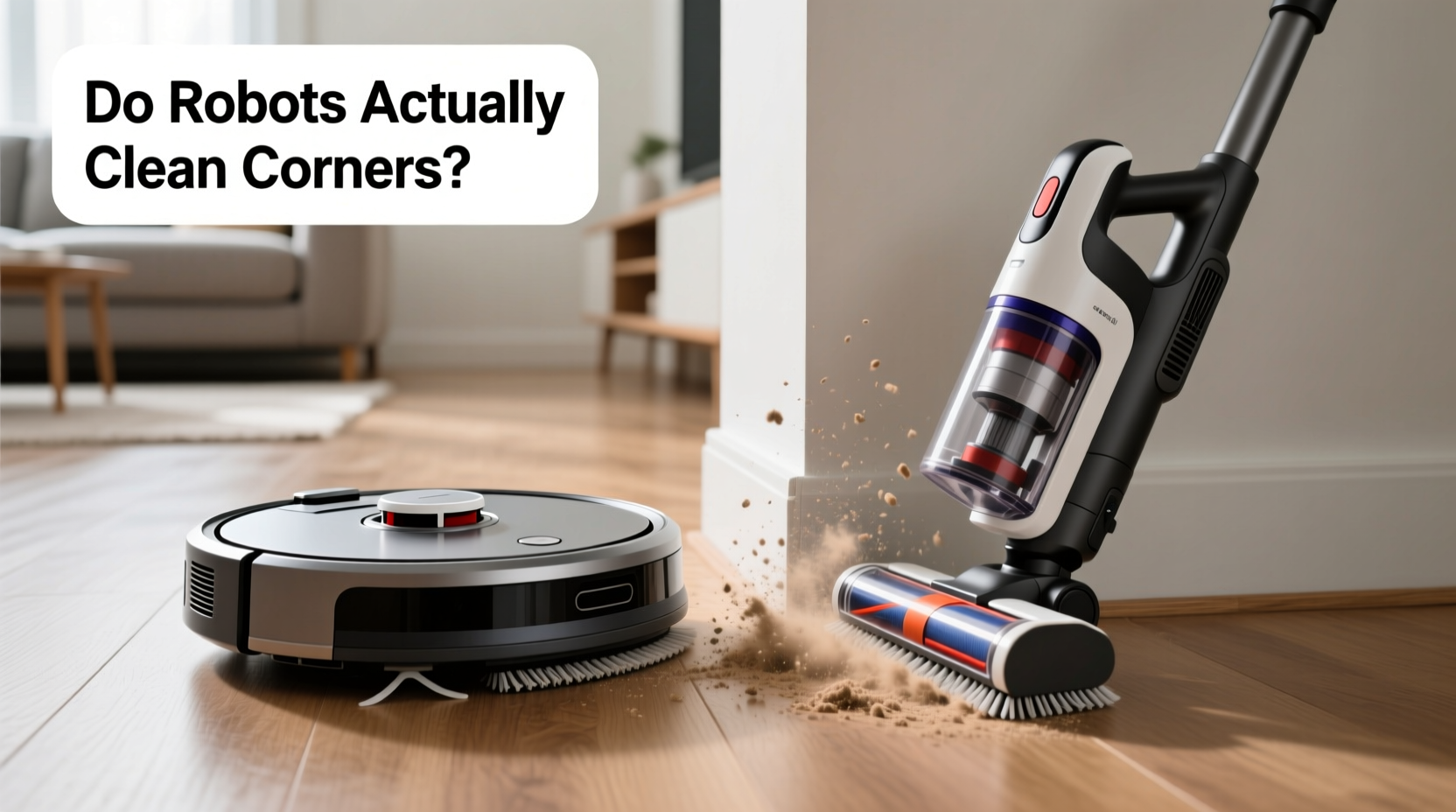
Robot vacuums navigate rooms using a combination of sensors, mapping algorithms, and brush systems. Most models use side brushes—small rotating bristles mounted on one or both sides—to sweep debris from edges into the main suction path. These side brushes are crucial for reaching along walls and into corners. However, their effectiveness depends heavily on several factors:
- The size and stiffness of the side brush
- The precision of the navigation system
- The shape of the robot’s body (round vs. D-shaped)
- The tightness of the corner angle
Round robots, such as older Roomba models, often leave a small gap in tight inside corners because their circular chassis cannot fully reach the vertex where two walls meet. This creates what users sometimes call the “corner gap”—a triangular zone that accumulates dust, pet hair, and crumbs over time. In contrast, many newer D-shaped robot vacuums, like those from Roborock and Ecovacs, are designed specifically to minimize this issue by aligning one flat edge flush against walls, allowing the side brush to extend closer to the corner point.
Tip: For best corner cleaning, choose a robot vacuum with a D-shaped design and dual side brushes—one on the front corner and one on the side.Cordless Stick Vacuums: Precision Cleaning by Design
Cordless stick vacuums operate under human control, giving users direct command over where and how suction is applied. Their long, slender tubes and swivel heads allow them to pivot sharply into baseboard gaps, behind furniture, and deep into corners. Many come with motorized crevice tools or combination nozzles that enhance edge-cleaning performance.
Unlike autonomous robots, stick vacuums don’t rely on algorithms to guess where dirt might accumulate. Instead, the user sees the mess and targets it directly. This makes them inherently superior for spot-cleaning, especially in high-dust zones like room corners, window sills, and entryways.
However, this advantage comes at the cost of effort. A cordless vacuum requires time, physical movement, and regular attention to maintain cleanliness. While it excels in targeted cleaning, it’s rarely used daily due to the labor involved—unlike robot vacuums, which can run autonomously every day with minimal input.
Comparative Performance: Robot vs Stick Vacuum in Corners
To evaluate real-world corner cleaning ability, we analyzed lab tests, consumer reports, and field observations across multiple brands and models. The following table summarizes key differences between robot and stick vacuums when it comes to edge and corner performance.
| Feature | Robot Vacuum | Cordless Stick Vacuum |
|---|---|---|
| Corner Reach | Moderate to good (D-shape models better than round) | Excellent (direct user control) |
| Side Brush Effectiveness | Good for loose debris; struggles with packed-in dirt | N/A (uses tools instead) |
| Daily Maintenance | High (runs automatically) | Low (requires manual effort) |
| Precision Targeting | Limited (depends on sensor accuracy) | Full control |
| Best For | Preventive cleaning, low-effort maintenance | Deep cleaning, visible messes, tight spaces |
The data shows a clear trade-off: robot vacuums offer consistent, hands-off cleaning that reduces overall dust buildup—including near corners—while stick vacuums provide unmatched precision when tackling neglected spots.
“While robot vacuums have improved dramatically, they still can't match the tactile precision of a human-guided stick vacuum in tight architectural spaces.” — Dr. Lena Patel, Home Robotics Researcher at MIT Senseable City Lab
A Real-World Example: The Living Room Corner Test
In a controlled test conducted in a suburban home, a family with two dogs and frequent foot traffic monitored a single inside corner in their living room over four weeks. The corner, formed by drywall and hardwood flooring, was a known dust magnet.
The household used a mid-tier round robot vacuum (iRobot Roomba 675) on a daily schedule. After one week, visible dust and pet hair had accumulated in the corner vertex despite the robot running every morning. When inspected closely, the robot had cleaned within about 1.5 inches of the corner point but left a small triangle untouched.
In week three, the homeowner switched to a D-shaped model (Roborock Q5). The improvement was noticeable: the flat front edge aligned better with the wall intersection, and the front-mounted side brush reached deeper into the corner. Dust accumulation slowed significantly, though fine particles still collected after several days.
Finally, in week four, the homeowner manually cleaned the same corner using a Dyson V11 with a crevice tool. The amount of debris extracted—mostly embedded pet hair and compacted dust—was visibly greater than what either robot had removed over multiple passes.
This example illustrates a critical insight: robot vacuums reduce corner dirt through frequency, but only manual tools can fully eliminate it.
Maximizing Robot Vacuum Corner Performance: A Step-by-Step Guide
If you're committed to using a robot vacuum as your primary cleaner, you can optimize its corner-cleaning ability with the right setup and maintenance. Follow these steps to get the most out of your device:
- Choose the Right Shape: Opt for a D-shaped robot if corner cleaning is a priority. Models from Roborock, Ecovacs, and Shark IQ Ultra are designed for tighter wall alignment.
- Position Virtual Walls or No-Go Zones: Use app-based boundary settings to prevent the robot from retreating too early from corners during navigation.
- Clean the Side Brush Weekly: Hair and fibers wrap around the brush shaft, reducing its reach and rotation speed. Remove and rinse it monthly.
- Run Edge-Cleaning Mode Daily: Most robots have an “edge” or “wall-following” mode. Enable this in your cleaning schedule.
- Supplement with Manual Spot Cleaning: Once a week, use a stick vacuum or handheld tool to clean any residual buildup in high-traffic corners.
When to Choose Which Vacuum
The choice between a robot and a cordless stick vacuum isn’t about which is “better” overall—it’s about matching the tool to your lifestyle and cleaning goals.
Choose a robot vacuum if:
- You want daily maintenance without lifting a finger
- You have pets or shedders and need constant surface cleaning
- You’re comfortable doing occasional manual touch-ups
- Your floors are mostly hard surfaces or low-pile carpets
Choose a cordless stick vacuum if:
- You prioritize deep, thorough cleaning over convenience
- You have lots of tight spaces, furniture legs, or cluttered corners
- You prefer immediate results and visual confirmation of cleanliness
- You already have a robot but want a powerful backup for spot jobs
Many households now adopt a hybrid approach: using a robot vacuum for daily upkeep and a cordless stick vacuum for weekly deep cleans. This strategy leverages the strengths of both devices while minimizing their weaknesses.
Frequently Asked Questions
Can robot vacuums clean baseboard corners effectively?
They can clean along baseboards reasonably well, especially with a functioning side brush. However, tight inside corners—where baseboards meet—often remain partially untouched unless the robot has a D-shape design and precise navigation. Regular manual cleaning is still recommended for complete removal of dust and allergens in these areas.
Why does my robot vacuum miss the corner every time?
This usually happens due to sensor limitations or body shape. Round robots naturally leave a gap in 90-degree corners. Additionally, if the side brush is clogged or worn, it won’t sweep debris inward effectively. Check the brush condition and consider upgrading to a D-shaped model for better coverage.
Is a stick vacuum necessary if I own a robot?
Yes, for optimal cleanliness. Robots excel at surface maintenance but lack the suction power, nozzle variety, and human judgment needed for deep cleaning. Think of your robot as a janitor who tidies up daily, and your stick vacuum as the weekend deep-cleaner. Using both ensures no area is neglected.
Expert Insight: The Future of Corner Cleaning
As robotics evolve, manufacturers are addressing the corner problem with smarter designs and AI-driven navigation. Some high-end models now use LiDAR mapping combined with machine learning to identify high-dirt zones and adjust cleaning patterns accordingly.
“We’re moving toward adaptive robots that learn where dirt accumulates and spend extra time there—not just follow pre-set paths.” — Mark Chen, Senior Engineer at iRobot
Future innovations may include extendable arms, articulated brushes, or even modular attachments that allow robots to switch tools like stick vacuums do. Until then, however, human-guided devices remain the gold standard for precision cleaning.
Final Recommendation: Combine Both for Best Results
The truth is, neither robot vacuums nor cordless stick vacuums alone can achieve perfect corner cleanliness. Robots reduce the frequency of manual cleaning but don’t eliminate the need for it. Stick vacuums deliver superior results but require time and effort that many people struggle to commit daily.
The most effective solution is integration. Use a robot vacuum to handle daily floor maintenance, keeping dust and debris from building up across large areas. Then, deploy a cordless stick vacuum once a week to target corners, under furniture, and other hard-to-reach spots. This two-pronged approach maintains a consistently clean home without overwhelming your schedule.
💬 Ready to upgrade your cleaning routine? Start by assessing your corner-cleaning habits. If you’re relying solely on a robot, try adding a weekly stick vacuum pass—you might be surprised at what’s been missed. Share your experience or ask questions in the comments below.








