Walking into a room with a shimmering iPhone catching the light can turn heads. Rhinestone cases offer undeniable flair—luxurious sparkle, personalized designs, and an instant upgrade in visual appeal. On the flip side, some users swear by going “naked”—no case at all—citing better ergonomics, faster charging, and a cleaner aesthetic. But when you weigh the dazzling benefits of bedazzled protection against the raw freedom of bare-metal use, which option truly wins?
This isn’t just about looks. It’s about longevity, functionality, and how much risk you’re willing to take with a device that likely costs over $1,000. Let’s examine both sides in depth, from durability to resale value, so you can decide whether the bling is worth the potential consequences.
The Allure of the Rhinestone Case
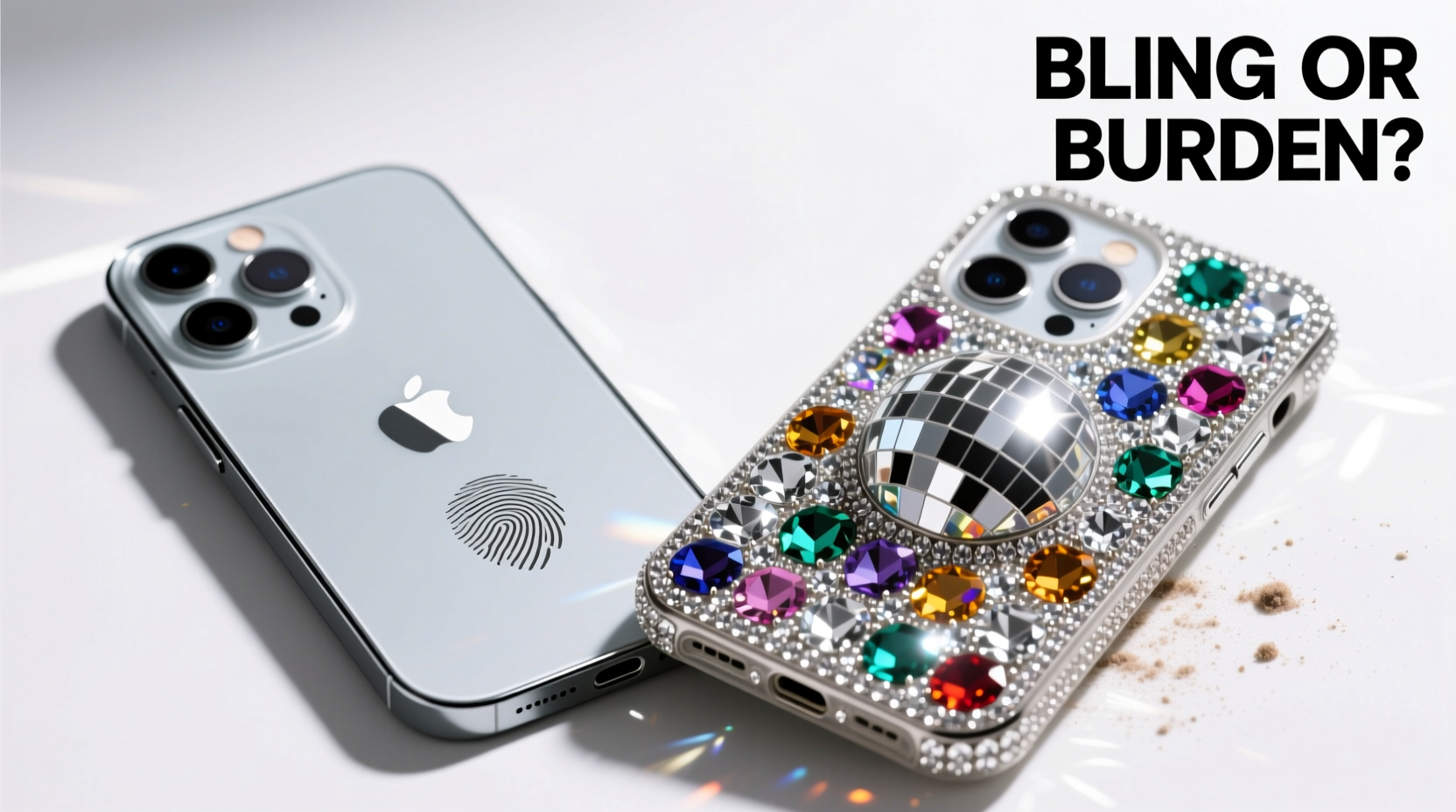
Rhinestone iPhone cases are more than accessories—they're fashion statements. Often made with high-grade acrylic stones, crystal embellishments, or even Swarovski elements, these cases transform your phone into a piece of wearable art. Whether you prefer subtle corner accents or full-back coverage in rainbow gradients, there's a design for every personality.
Manufacturers market these cases as premium lifestyle products. Some include shock-absorbent inner layers, scratch-resistant coatings, and raised bezels to protect the screen. However, not all rhinestone cases are created equal. The structural integrity often depends on adhesive quality, material thickness, and overall craftsmanship.
Tip: Look for rhinestone cases with TPU (thermoplastic polyurethane) or polycarbonate backbones—these materials absorb impact better than brittle plastics.The Naked iPhone Experience
Apple designs iPhones with precision engineering, premium glass, and aerospace-grade aluminum. Many users argue that putting a case on such a meticulously crafted device is like covering a painting with plastic wrap. Going case-free preserves the original feel, enhances wireless charging efficiency, and maintains sleek lines.
Naked phones also eliminate bulk. For those who prioritize pocketability and tactile feedback, removing the case can be liberating. There’s no creaking plastic, no trapped dust, and no fear of yellowing over time.
But this minimalist approach comes with significant risks. Even minor drops from waist height can result in cracked screens or damaged camera lenses. A 2023 study by SquareTrade found that over 70% of unprotected smartphones suffer visible damage within six months of daily use. And once that pristine back glass is chipped, repair costs average $250–$450 depending on model.
“Design matters, but durability shouldn't be sacrificed for aesthetics. Most people underestimate how often they drop their phones until it happens.” — Dr. Lena Torres, Consumer Electronics Durability Analyst
Comparing Protection, Longevity, and Resale Value
A phone’s condition directly impacts its resale value. At trade-in platforms like Gazelle or Apple’s own upgrade program, devices with scratches, dents, or cracks can lose up to 30–50% of their potential return. A well-maintained iPhone in excellent condition—even with a flashy case—often fetches top dollar.
Rhinestone cases, while stylish, introduce new vulnerabilities. Stones can loosen over time, especially if the phone is frequently dropped or exposed to moisture. Once one stone detaches, others may follow, creating uneven surfaces that compromise grip and increase slippage risk.
Additionally, cleaning a rhinestone case requires care. Harsh wipes or submersion in water can degrade adhesives. Over time, accumulated dirt between stones can dull the shine, making the case look worn despite minimal physical damage.
Protection & Maintenance Comparison
| Factor | Rhinestone Case | Naked iPhone |
|---|---|---|
| Dropping Protection | Moderate to good (depends on case structure) | Poor (high risk of screen/back damage) |
| Scratch Resistance | Good (case absorbs surface wear) | Fair to poor (glass susceptible to micro-scratches) |
| Resale Value Impact | Positive (if phone remains undamaged) | Negative (even minor flaws reduce value) |
| Maintenance Needs | High (cleaning stones, checking adhesion) | Low (wipe down with microfiber) |
| Wireless Charging Efficiency | Slight reduction (depending on case thickness) | Optimal (direct contact with charger) |
Real-World Scenario: Taylor’s Sparkle Experiment
Taylor, a freelance photographer in Austin, bought a custom rhinestone case for her iPhone 15 Pro after growing tired of generic black silicone options. She loved the attention it drew at coffee shops and client meetings. But three months in, she dropped it on a marble floor during a shoot. The case absorbed the impact—no cracks—but two rows of stones near the bottom dislodged.
She tried reapplying them with craft glue, but alignment was off, and the finish looked amateurish. Embarrassed, she switched to a clear case. Meanwhile, her assistant used the same iPhone model without any case. After five months, the assistant’s screen had spiderweb cracks, and the titanium frame showed deep scuffs. When both attempted to trade in their phones, Taylor received $60 more—despite her imperfect case—because her phone body remained flawless.
The takeaway? Appearance matters, but underlying protection determines long-term value.
Choosing Wisely: A Step-by-Step Decision Guide
If you're torn between sparkle and simplicity, follow this decision timeline to find the right balance:
- Assess Your Lifestyle: Do you work in fast-paced environments, travel often, or have kids? High-motion lifestyles favor protection.
- Evaluate Drop Frequency: How many times have you dropped your phone in the past year? More than twice? Strongly consider a protective case.
- Check Your Priorities: Rank what matters most—durability, aesthetics, charging speed, or resale value.
- Test Short-Term: Try going case-free for one week. Use a screen protector. Note how often you worry about dropping it.
- Choose a Hybrid Option: Consider a slim, transparent case with subtle rhinestone accents. You get sparkle without sacrificing too much functionality.
Smart Alternatives and Best Practices
You don’t have to choose extremes. Modern accessories offer middle-ground solutions:
- Clear rhinestone-framed cases: Add sparkle around the edges while keeping the back visible.
- Magnetic rhinestone wallets: Attach only when needed; remove for charging or cleaning.
- Interchangeable back plates: Some brands offer snap-on decorative panels you can swap based on occasion.
Frequently Asked Questions
Do rhinestone cases interfere with signal or GPS?
No, most modern rhinestone cases use non-metallic materials and don’t block signals. Avoid cases with metal plates or magnetic rings unless specifically designed for MagSafe compatibility.
Can I replace lost rhinestones?
Yes, but it’s tedious. Use jewelry-grade adhesive and tweezers to reattach loose stones. For large areas, consider sending the case to a specialty repair service or replacing it entirely.
Is it safe to clean a rhinestone case with alcohol wipes?
Limited use is okay, but frequent exposure can weaken adhesives. Instead, use a soft brush (like a clean toothbrush) and mild soapy water, then air dry thoroughly.
Final Verdict: Is the Bling Worth the Risk?
The answer depends on your priorities. If you value individuality, enjoy accessorizing, and accept moderate maintenance, a high-quality rhinestone case can be a worthwhile investment. It protects your phone while expressing your style—provided you choose one with solid construction.
Going naked offers unmatched elegance and convenience but demands constant vigilance. One slip on hardwood or concrete can lead to hundreds in repairs and a sharp drop in resale value.
In most real-world scenarios, the slight inconvenience of a case—especially a well-designed rhinestone one—is far outweighed by the peace of mind and financial savings over time.
💬 What’s your stance—bling or bare? Share your experience with rhinestone cases or naked iPhones in the comments. Your insight could help someone avoid a costly mistake!








