For decades, the humble bobby pin has been a silent hero in hairstyling—reliable, invisible, and effective. But as fashion evolves, so do our accessories. Rhinestone hair clips have surged in popularity, offering sparkle, statement, and sophistication. From red carpets to everyday wear, these embellished clips promise glamour. But are they truly worth the investment? Or does the classic bobby pin remain the undisputed champion of functionality and practicality?
This isn’t just about aesthetics—it’s about performance, longevity, cost, and real-world usability. Whether you’re preparing for a wedding, managing a busy workweek, or simply refining your personal style, understanding the strengths and weaknesses of each option can transform how you approach your daily routine.
The Practical Power of Bobby Pins
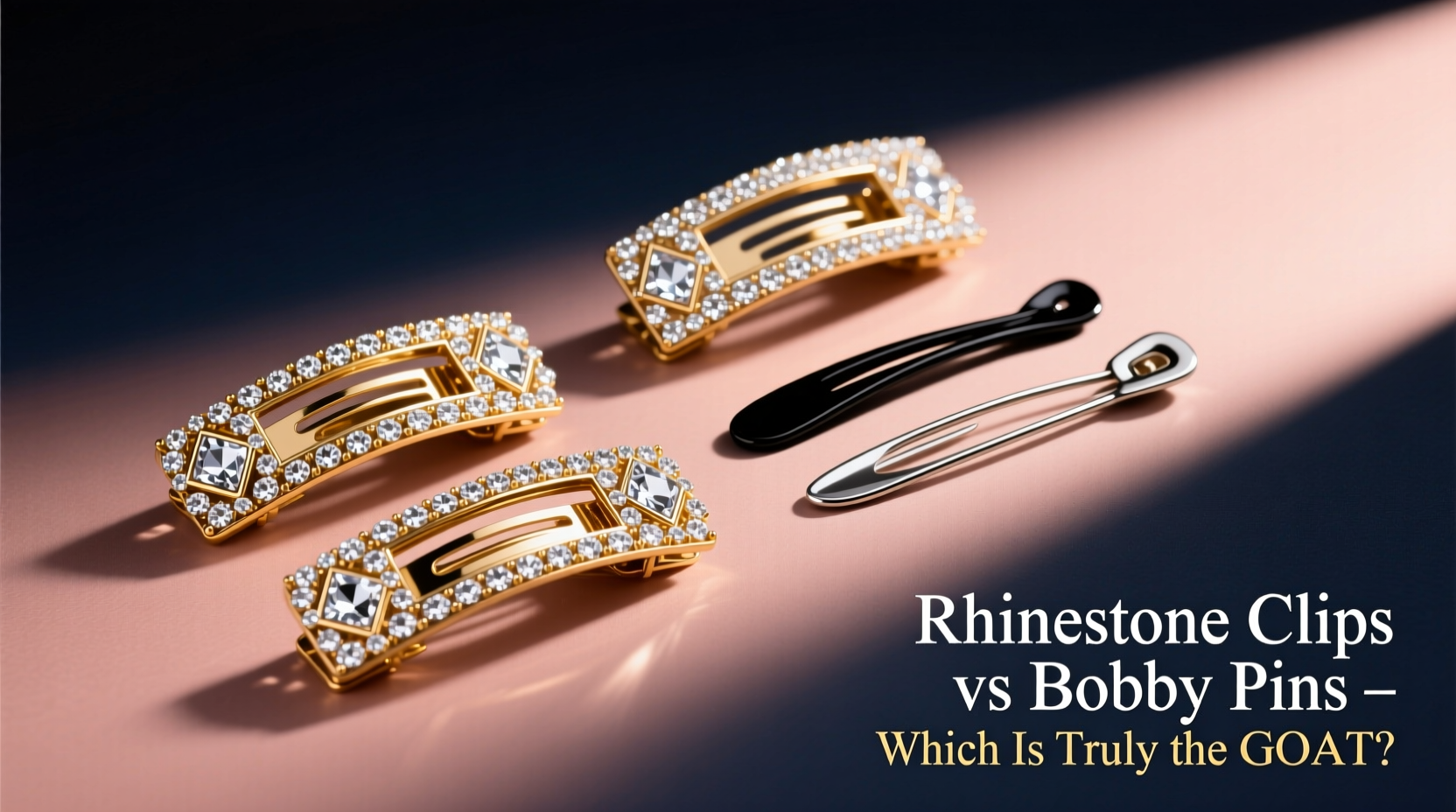
Bobby pins are engineered for function. Their design—two parallel wires with ridges and a slight curve—allows them to grip hair securely without slipping. Originally developed in the 1920s during the flapper era, they were designed to hold short hairstyles in place, and their utility has only grown since.
They come in various sizes and finishes (matte, shiny, colored), but their core advantage lies in discretion. When placed correctly, they blend into the hair, providing support without drawing attention. This makes them ideal for updos, flyaway taming, and securing bangs.
Moreover, bobby pins are inexpensive. A pack of 50 costs less than $5 and lasts months, even with daily use. Their low profile also means they don’t snag on scarves, hats, or pillowcases—a common issue with bulkier accessories.
Tip: Insert bobby pins with the wavy side down for maximum grip—this increases friction against the scalp and reduces slippage.The Allure of Rhinestone Hair Clips
Rhinestone hair clips, by contrast, are designed to be seen. Often crafted with metal or resin bases and adorned with glass or acrylic stones, they serve as both functional tools and fashion statements. Popular styles include barrettes, claw clips, and slide clips, many of which feature intricate patterns and dazzling finishes.
Their appeal is undeniable. A single rhinestone clip can elevate a simple ponytail or half-up style into something editorial. Designers like Jennifer Behr and Simone Rocha have brought luxury hair jewelry into mainstream fashion, making these accessories staples on runways and celebrity appearances.
But beyond beauty, do they perform? Many modern rhinestone clips are built with strong grips and non-slip interiors, allowing them to hold thick or layered hair effectively. However, their weight and size can become drawbacks during prolonged wear, especially for those with fine or slippery hair.
“Hair accessories should enhance, not compromise, the hairstyle. The best pieces balance form and function.” — Lila Monroe, Celebrity Stylist & Red Carpet Specialist
Comparative Breakdown: Functionality vs. Fashion
| Feature | Bobby Pins | Rhinestone Hair Clips |
|---|---|---|
| Hold Strength | Excellent for small sections; multiple pins needed for volume | Good to excellent, depending on clip mechanism and size |
| Visibility | Nearly invisible when styled properly | Highly visible—designed to stand out |
| Durability | High—resistant to bending with proper use | Variable—stones may loosen; metal bases can tarnish |
| Cost per Unit | $0.05–$0.10 | $8–$50+ |
| Versatility | Extremely high—usable daily, across all hair types | Moderate—best for special occasions or statement looks |
| Comfort Over Time | High—lightweight and low-profile | Mixed—can cause pressure or headaches if heavy |
When to Choose Which: A Real-Life Scenario
Consider Sarah, a marketing executive with thick, shoulder-length hair. On weekdays, she opts for a sleek half-up style secured with two bobby pins. They’re quick, reliable, and survive her commute, Zoom meetings, and coffee breaks without shifting.
But for her friend’s wedding, she chooses a vintage-inspired rhinestone claw clip. It holds her full volume in an elegant twist, catches the light beautifully in photos, and draws compliments all evening. However, by hour four, she feels mild tension at her crown—the clip’s weight pulling on her scalp.
This mini case study illustrates a broader truth: context matters. Bobby pins excel in reliability and comfort for daily wear. Rhinestone clips shine in moments that demand visual impact—but often at the cost of long-term wearability.
Expert Tips for Maximizing Both Accessories
Using both doesn’t have to be an either/or decision. With smart techniques, you can combine the strength of bobby pins with the elegance of rhinestone clips.
- Reinforce with bobby pins: Use a few discreet bobby pins underneath a rhinestone clip to provide extra hold, especially for thick or curly hair.
- Rotate your accessories: Reserve rhinestone clips for events, dates, or photo opportunities. Save bobby pins for daily maintenance.
- Check for quality: Not all rhinestone clips are created equal. Look for secure stone settings, rust-resistant metal, and ergonomic grips to avoid damage and discomfort.
- Clean gently: Wipe bobby pins with rubbing alcohol monthly to remove oils. For rhinestone clips, use a soft cloth—avoid soaking, which can loosen adhesives.
Step-by-Step: Creating a Secure, Glamorous Updo
- Begin with slightly textured hair—day-old or lightly volumized for better grip.
- Gather hair into a twist or low bun, securing the base with 2–3 crisscrossed bobby pins for foundation support.
- Position your rhinestone clip over the secured section, aligning it for maximum visibility.
- Press firmly to engage the clip’s teeth, then test by gently tugging.
- Finish with a light-hold hairspray to reduce frizz and add stability.
FAQ: Common Questions Answered
Can rhinestone clips damage your hair?
Poorly made clips with sharp edges or overly tight mechanisms can cause breakage or tension on the scalp. High-quality clips with smooth interiors and balanced tension are generally safe. Always remove them gently by squeezing the arms rather than pulling from the base.
Are bobby pins outdated?
Not at all. While trends favor visible accessories, bobby pins remain essential behind the scenes. Even top stylists use dozens backstage at fashion shows. Their invisibility and reliability make them timeless tools, not relics.
How many rhinestone clips do I need for a full hold?
Most styles require only one well-placed clip. Larger claw clips can hold thick hair on their own, but pairing with bobby pins ensures all-day security. Avoid over-clipping, which can distort the hairstyle and strain hair roots.
Final Verdict: Are Rhinestone Clips Worth It?
Rhinestone hair clips are worth it—if you understand their role. They are not replacements for bobby pins but complements. As fashion-forward accents, they deliver unmatched elegance and personality. For weddings, parties, or styling content, they’re investments in self-expression.
Yet, the bobby pin remains the GOAT of hair accessories. Its universal compatibility, affordability, and engineering efficiency are unmatched. You can’t build a reliable hairstyle without it, and no amount of sparkle can replicate its foundational strength.
The truth is, the most polished looks often rely on both: bobby pins doing the heavy lifting beneath the surface, while rhinestone clips take center stage.
🚀 Ready to upgrade your hair game? Start by auditing your current collection. Keep your bobby pins stocked and organized, and invest in one high-quality rhinestone clip that reflects your style. Master the art of combining both—and never choose between function and flair again.








