Lighting is one of the most critical factors in maintaining a thriving reef aquarium. Corals rely on photosynthesis carried out by symbiotic algae (zooxanthellae) living within their tissues, and high-quality lighting directly influences their growth, coloration, and overall vitality. Selecting reliable coral light options isn’t just about brightness—it’s about spectrum, intensity, controllability, and consistency. With so many LED fixtures and lighting technologies on the market, choosing the right system can be overwhelming. This guide cuts through the noise with practical insights, expert-backed recommendations, and real-world performance data to help you make an informed decision.
Understanding Coral Lighting Needs
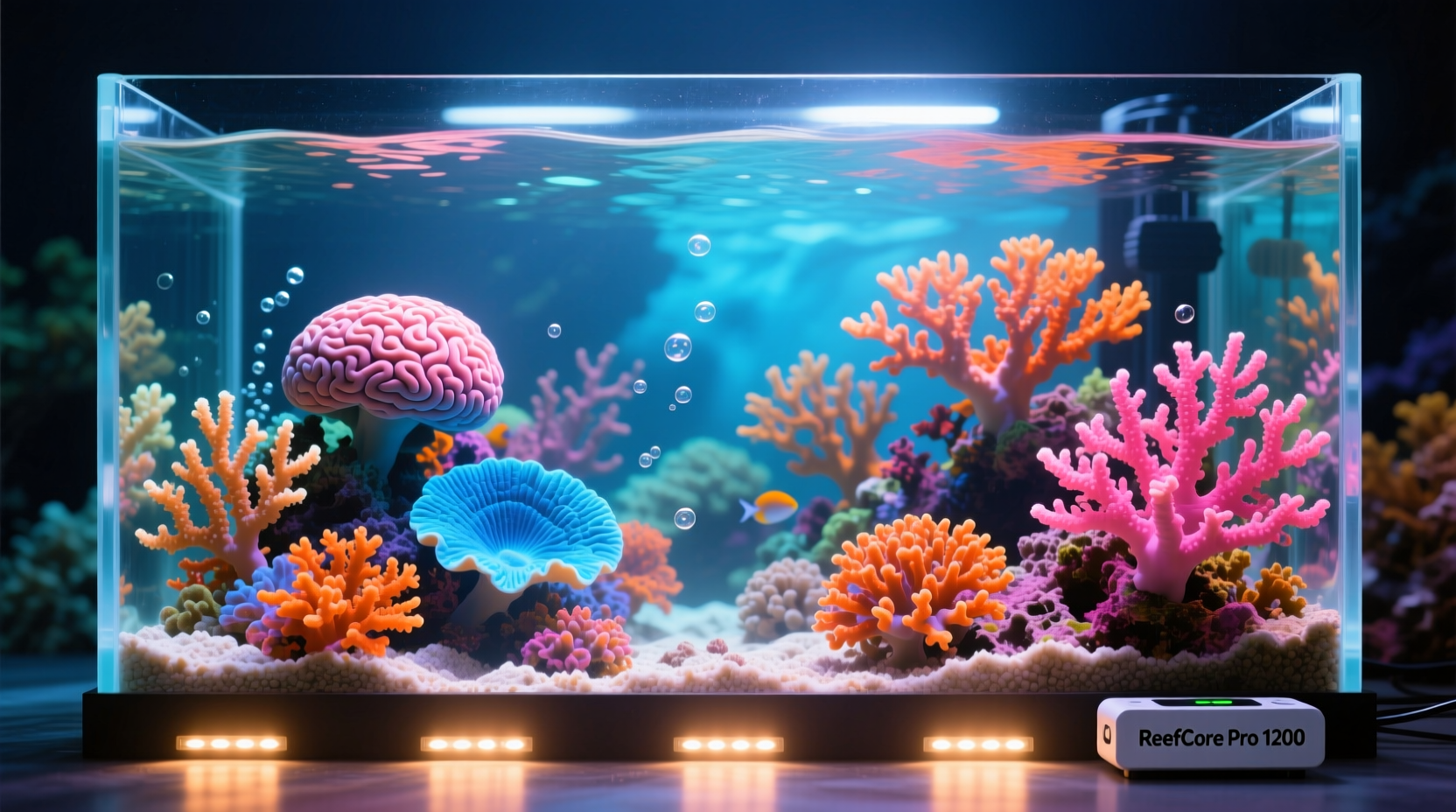
Not all corals have the same lighting requirements. Broadly, corals fall into three categories based on their natural habitat and light dependency:
- Low-light corals: Soft corals like mushrooms, leathers, and some zoanthids typically thrive under moderate illumination (30–50 PAR).
- Medium-light corals: Many large polyp stony (LPS) corals such as torches, hammers, and chalices require 50–100 PAR.
- High-light corals: Small polyp stony (SPS) corals like acropora, montipora, and birdsnest demand intense light (100–250+ PAR), especially when grown at depth or in larger tanks.
The unit PAR (Photosynthetically Active Radiation) measures usable light energy for photosynthesis. Reliable coral lights must deliver consistent PAR across the tank, with minimal drop-off at the edges or lower levels.
“Lighting isn’t just about making your tank look good—it’s a biological necessity. Matching your fixture’s output to your coral species is non-negotiable for long-term success.” — Dr. Andrew Bruckner, Marine Biologist & Coral Conservation Specialist
Top Reliable Coral Light Options in 2024
After evaluating dozens of reef lighting systems based on performance, durability, user feedback, and technical specifications, several models consistently stand out. The following table compares leading options across key criteria:
| Model | Best For | PAR Output (at 24\") | Color Spectrum | Smart Control | Price Range |
|---|---|---|---|---|---|
| EcoTech Radion X30 | SPS Dominant Tanks | 200–280 | Full RGB + Violet + White | Yes (Mobile App) | $$$ |
| Kessil A360X | Penetration & Coloration | 180–250 | Tunable 360° Spectrum | Yes (Remote & App) | $$$ |
| Aqua Illumination Hydra 52 | Budget-Friendly High Performance | 120–200 | RGBW + UV/IR | Yes (AI Lifeglo) | $$ |
| Maxspect H7R | Mid-Sized Reef Tanks | 100–180 | Violet, Blue, Warm White | No (Manual Dimming) | $$ |
| GHL Mitras M | Precision Control Enthusiasts | 160–240 | Violet, Royal Blue, White | Yes (GHL ProfiLux Integration) | $$$ |
The EcoTech Radion series remains a benchmark in the industry due to its unmatched blend of power, programmatic control, and reliability. Its customizable spectral channels allow aquarists to fine-tune hues that enhance fluorescent pigments in corals, resulting in vivid color expression. Meanwhile, Kessil fixtures are renowned for their pinpoint beam focus, which drives deep water penetration—ideal for tanks over 24 inches deep.
Tip: Mount lights at least 6–12 inches above the water surface to prevent salt creep damage and ensure even spread.Key Features of Reliable Coral Lights
When evaluating reef lighting, prioritize these features to ensure long-term performance and coral health:
- Spectral Flexibility: Look for lights with independent control over blue, violet, red, green, and white diodes. This allows simulation of natural sunrise/sunset cycles and accentuation of coral fluorescence.
- Dimmability & Scheduling: Fixtures should support gradual ramping over 30–60 minutes to reduce coral stress and mimic natural daylight transitions.
- Heat Management: Efficient heat dissipation via aluminum housings or active cooling fans prevents internal component degradation.
- Water Resistance: IP65 or higher rating ensures protection against splash and humidity—critical in enclosed canopy setups.
- Firmware Updates: Brands that provide regular software updates extend product lifespan and improve functionality over time.
Step-by-Step Guide to Setting Up Your Coral Lighting
Proper setup is essential to avoid shocking corals or promoting nuisance algae. Follow this timeline for optimal results:
- Day 1–3: Run lights at 50% intensity for 4 hours per day, centered around midday.
- Day 4–7: Increase to 6 hours at 60% intensity, adding 30 minutes of morning and evening “dawn/dusk” using blue-only channels.
- Week 2: Extend to 8 hours at 75% intensity, introducing white and violet diodes at low levels.
- Week 3: Reach full target duration (9–10 hours) at 85–90% intensity, adjusting based on coral response.
- Ongoing: Monitor coral polyp extension, coloration, and algae growth weekly. Fine-tune spectrum and intensity monthly.
Always acclimate new corals slowly—even under established lighting—by placing them lower in the tank initially and gradually moving them upward over 2–3 weeks.
Real Example: Transforming a Struggling Reef Tank
Mark T., a hobbyist from San Diego, struggled with pale acropora and persistent cyanobacteria in his 90-gallon reef tank. His previous T5 fluorescent system provided uneven coverage and lacked programmable control. After upgrading to dual Kessil A360X units with a wireless controller, he implemented a 10-hour photoperiod with a 45-minute sunrise/sunset transition. Within six weeks, his acros showed improved polyp extension and began expressing vibrant blue and purple pigments. Algae diminished significantly due to more stable PAR distribution and reduced hotspots.
“The difference wasn’t just visual,” Mark said. “My alkalinity consumption doubled, indicating actual calcification and growth. That’s when I knew the lighting was working biologically, not just aesthetically.”
Essential Checklist Before Buying a Coral Light
Use this checklist to ensure you select a reliable, effective lighting solution:
- ☐ Measure your tank dimensions (length, width, height)
- ☐ Identify dominant coral types and their PAR needs
- ☐ Determine mounting method (rim, hang-on, canopy)
- ☐ Verify compatibility with controllers or smart ecosystems (e.g., ReefLink, GHL)
- ☐ Check warranty length and customer support reputation
- ☐ Read user reviews focusing on long-term reliability (12+ months)
- ☐ Confirm availability of replacement parts (lenses, drivers)
Frequently Asked Questions
How far should LED lights be mounted above the water?
Most reef LEDs perform best 6–12 inches above the water surface. This minimizes evaporation-related salt creep while ensuring broad light dispersion. Deeper tanks may require closer placement or secondary pendants for center coverage.
Do I need UV or violet light for coral health?
Violet (400–420nm) and near-UV wavelengths penetrate deeper water and stimulate fluorescent proteins in corals, enhancing coloration. While not strictly essential for survival, they contribute significantly to vibrancy and are included in premium reef lighting systems.
Can I mix different brands of reef lights in one tank?
It’s technically possible but not recommended. Different spectral outputs and control interfaces make it difficult to achieve uniform lighting conditions. Stick to one brand or ecosystem for consistent results and easier programming.
Conclusion: Illuminate for Life, Not Just Looks
Choosing reliable coral light options goes beyond aesthetics—it’s about creating the right environment for delicate marine organisms to thrive. Whether you're cultivating soft corals in a nano tank or pushing SPS growth in a frag farm, the right lighting system pays dividends in coral resilience, coloration, and ecosystem balance. Invest in quality, prioritize controllability, and always match your fixture to your livestock goals. A well-lit reef doesn’t just catch the eye—it sustains life beneath the surface.
💬 Have a lighting success story or question? Share your experience below and join the conversation among reef keepers who are passionate about vibrant, healthy tanks.








