
Dog owners today are more invested than ever in their pets’ nutrition. With a surge in interest around raw diets—championed for producing glossy coats, cleaner teeth, and increased energy—a growing number of pet parents are ditching kibble in favor of raw meat, bones, and organs. But while the aesthetic results are often striking, the potential bacterial risks raise serious concerns among veterinarians and public health experts. So, is the promise of a radiant coat truly worth the gamble with pathogens like Salmonella and Listeria?
This question isn’t just about appearance—it’s about long-term health, safety, and responsible pet ownership. The raw feeding movement is built on the idea that dogs thrive on biologically appropriate diets similar to what their ancestors ate in the wild. Meanwhile, commercial kibble has decades of research behind it, offering balanced nutrition with minimal handling risk. To navigate this debate, it’s essential to understand both sides thoroughly.
The Allure of Raw: Why Pet Owners Make the Switch
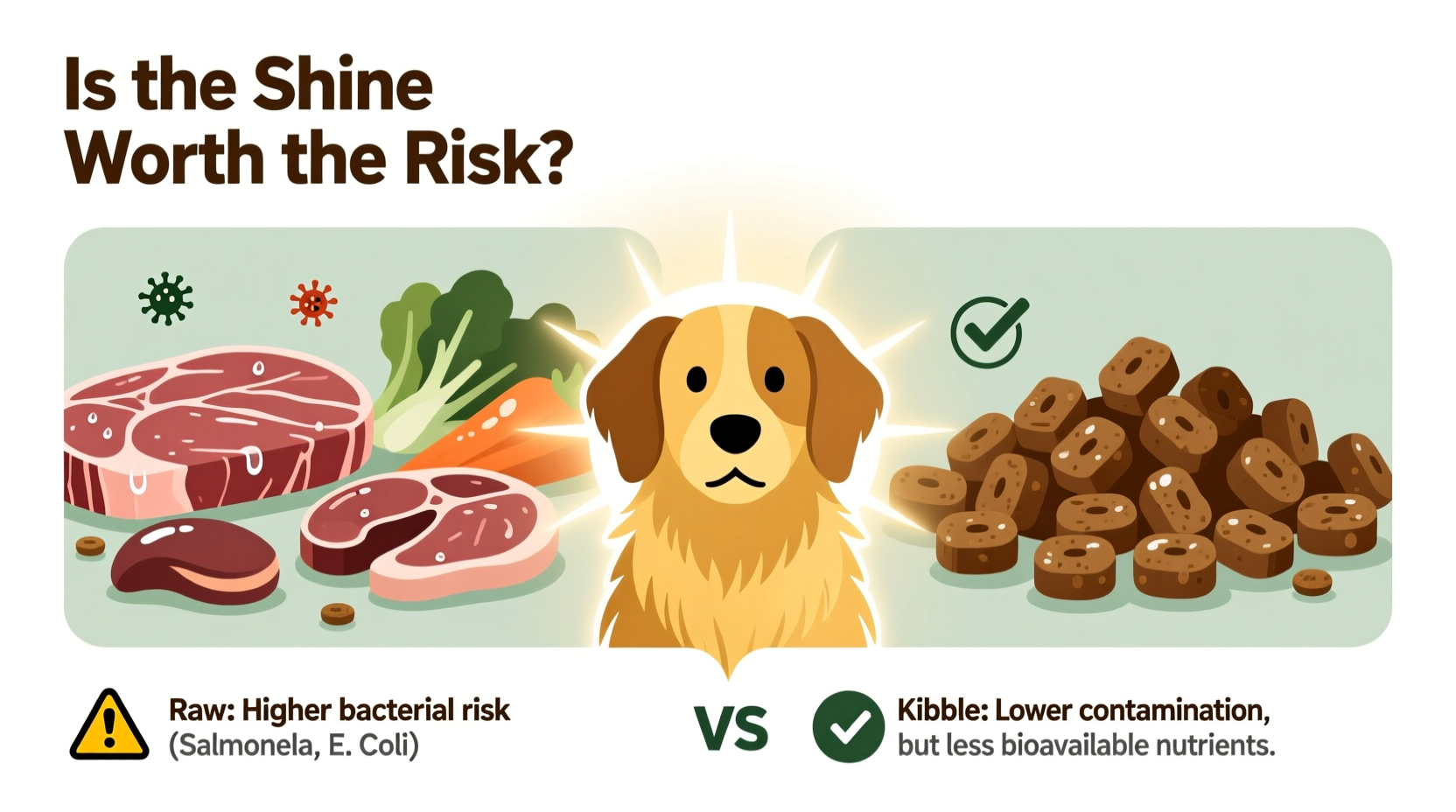
Proponents of raw feeding often cite dramatic improvements in their dogs’ physical condition within weeks. Shiny coats, reduced shedding, smaller stools, and improved breath are common testimonials. These changes stem from the high moisture content, natural enzymes, and absence of fillers found in many raw diets.
A typical raw diet includes muscle meat, organ meats (like liver and kidney), raw bones, and sometimes vegetables and supplements. Advocates argue that cooking destroys vital nutrients and that processed kibble contains too many carbohydrates and preservatives for optimal canine health.
“Dogs are carnivores by design. Feeding them raw food aligns with their digestive physiology and can lead to remarkable improvements in skin and coat quality.” — Dr. Karen Becker, Integrative Veterinarian
Many raw feeders also report increased energy levels and better weight management. For dogs with food sensitivities or chronic ear infections, switching to raw can eliminate allergens commonly found in grain-based kibbles.
Tip: If transitioning to raw, do so gradually over 7–10 days to avoid digestive upset.The Hidden Dangers: Bacterial Contamination in Raw Diets
Beneath the glossy exterior lies a significant concern: contamination. Raw meat, whether intended for humans or pets, can carry harmful bacteria such as Salmonella, E. coli, and Listeria monocytogenes. Unlike humans, dogs have shorter digestive tracts and higher stomach acidity, which makes them more resistant—but not immune—to these pathogens.
The real danger extends beyond the pet. A 2018 study by the U.S. Food and Drug Administration found that nearly 10% of commercially available raw pet foods tested positive for Listeria, and 20% contained Salmongella. These pathogens can be shed in feces or transferred via licking, putting children, elderly individuals, and immunocompromised family members at risk.
Improper handling amplifies the threat. Cutting raw meat on kitchen counters, using shared utensils, or failing to sanitize bowls after feeding increases cross-contamination risks. Even frozen raw patties can harbor bacteria that become active once thawed.
Who’s Most at Risk?
- Families with infants or seniors
- Households with immunocompromised individuals
- Dogs with weakened immune systems (e.g., those undergoing chemotherapy)
- Multipet homes where cats or small animals may come into contact with contaminated surfaces
Kibble: The Safe, Balanced Alternative
Kibble remains the most widely consumed dog food globally—and for good reason. Modern formulations are developed with input from veterinary nutritionists and undergo rigorous testing to meet AAFCO (Association of American Feed Control Officials) standards for complete and balanced nutrition.
High-quality kibbles use animal-based proteins, limit fillers, and include added omega fatty acids to support skin and coat health. While they may not produce the same rapid shine as raw diets, consistent feeding of premium kibble leads to healthy fur, strong muscles, and sustained energy.
One major advantage is safety. Kibble is heat-treated during manufacturing, effectively eliminating pathogens. It’s also convenient—no refrigeration, no messy prep, and easy portion control. For busy pet owners, this simplicity reduces stress and ensures consistency.
| Aspect | Raw Dog Food | Kibble |
|---|---|---|
| Coat Shine | Often visibly shinier within weeks | Gradual improvement; depends on formula |
| Nutritional Balance | Varies; requires careful planning | Typically balanced per AAFCO standards |
| Bacterial Risk | High if mishandled | Very low |
| Cost | $5–$10+ per day | $1–$4 per day (mid-to-high tier) |
| Convenience | Low (requires prep, storage) | High (ready to serve) |
| Dental Benefits | Chewing bones may reduce plaque | Some formulas designed for dental health |
Real-World Example: The Johnson Family’s Experience
The Johnsons switched their 3-year-old Border Collie, Luna, to a raw diet after noticing persistent dry skin and dull fur despite feeding premium kibble. Within three weeks, Luna’s coat became noticeably softer and glossier. Her energy levels soared, and her vet commented on her improved body condition.
But six months later, their toddler developed a Salmonella infection. Tracing the source, the pediatrician asked about pet food. Testing revealed Salmonella in leftover raw food stored in the fridge—even though it was labeled “for pet use only.” The family had been using the same spoon to scoop food and hadn’t consistently disinfected feeding areas.
They returned to kibble immediately and implemented strict hygiene protocols when occasionally serving raw treats. Their experience highlights how even conscientious families can underestimate the invisible risks of raw feeding.
How to Minimize Risk If You Choose Raw
If you decide raw feeding is right for your dog, doing it safely is non-negotiable. This isn’t a casual lifestyle choice—it’s a commitment to rigorous hygiene and nutritional balance.
- Source wisely: Purchase raw food from reputable suppliers that follow strict safety protocols and batch-test for pathogens.
- Freeze and thaw properly: Keep raw food frozen until use. Thaw in the refrigerator, never at room temperature.
- Use dedicated equipment: Have separate cutting boards, bowls, and utensils labeled “dog only” and never used for human food.
- Clean thoroughly: Wash all surfaces and tools with hot, soapy water after each use. Sanitize with a dilute bleach solution (1 tablespoon per quart of water).
- Pick up waste promptly: Dispose of feces quickly to reduce environmental contamination.
- Wash hands: Always wash your hands after handling raw pet food or cleaning up after your dog.
- Avoid risky treats: Skip raw bones or chews if you have young children or vulnerable individuals in the home.
Expert Consensus: Proceed with Caution
Major veterinary organizations remain cautious about raw diets. The American Veterinary Medical Association (AVMA) discourages feeding raw or undercooked animal-source proteins due to zoonotic disease risks.
“The perceived benefits of raw feeding must be weighed against documented public health threats. In clinical practice, we’ve seen cases of severe illness in both pets and people linked to raw pet food.” — Dr. Ann Lindsey, Public Health Veterinarian, CDC Partner
That said, some integrative vets support raw diets when properly formulated and handled. The key differentiator is education. Owners who invest time in learning proper sourcing, balancing nutrients (especially calcium-to-phosphorus ratios), and sanitation practices can mitigate many risks.
Frequently Asked Questions
Can raw food really give my dog a shinier coat?
Yes, many dogs develop a glossier coat on raw diets due to higher intake of natural fats, especially omega-3 and omega-6 fatty acids from unprocessed animal sources. However, high-quality kibbles fortified with fish oil or flaxseed can achieve similar results over time.
Is store-bought raw food safer than homemade?
Commercially prepared raw food from trusted brands often undergoes pathogen testing and follows stricter processing standards than DIY versions. However, it’s still not sterile. Homemade diets allow control over ingredients but require deep knowledge to avoid nutritional deficiencies.
Can I mix raw and kibble?
Yes, many owners successfully combine both. Some feed raw in the morning and kibble at night. Digestive differences (raw digests faster) mean some dogs may experience gas or loose stools initially, but most adapt. Avoid mixing raw meat and kibble in the same meal if your dog has a sensitive stomach.
Action Plan: Making an Informed Decision
Choosing between raw and kibble shouldn’t be driven by trends or isolated success stories. Follow this step-by-step guide to make a safe, sustainable decision:
- Assess your household: Are there infants, elderly members, or immunocompromised individuals? If yes, lean toward kibble or cooked fresh food.
- Consult your veterinarian: Discuss your dog’s health history, breed-specific needs, and any allergies.
- Research suppliers: If going raw, identify brands with transparent sourcing and third-party testing.
- Start small: Try a short trial of raw (e.g., one meal a day) and monitor for changes in stool, energy, and coat.
- Implement hygiene protocols: Set up dedicated tools, storage, and cleaning routines before introducing raw food.
- Monitor long-term: Track your dog’s weight, coat condition, and vet check-up results over several months.
- Reevaluate regularly: Needs change with age, activity level, and health status. Be ready to adjust.
Final Thoughts: Beauty vs. Safety—Finding Balance
The gleam of a dog’s coat is undeniably satisfying. It signals health, vitality, and attentive care. But true wellness goes beyond appearances. A dog thriving on kibble—energetic, lean, and free of skin issues—is just as healthy as one on raw, without exposing the family to preventable risks.
For those drawn to raw feeding, the path forward isn’t rejection—it’s responsibility. If you choose raw, commit fully to safety, education, and ongoing evaluation. Alternatively, explore high-moisture alternatives like freeze-dried or lightly cooked fresh foods that offer many raw-like benefits with lower risk.
Ultimately, the best diet is one that keeps your dog healthy, supports your lifestyle, and doesn’t compromise the well-being of your entire household.
💬 Have experience with raw feeding or kibble transitions? Share your story in the comments—your insights could help another pet owner make a safer, smarter choice.








