
Choosing a first pet for your child is both exciting and overwhelming. Small animals like rabbits and guinea pigs are often top contenders because they’re compact, relatively low-maintenance, and undeniably cute. But when it comes down to rabbit vs guinea pig—which one truly suits a family with children best? The answer depends on more than just appearance. It involves understanding their temperaments, care needs, social behaviors, and how they interact with young handlers.
This guide breaks down every critical factor—from handling tolerance to long-term commitment—so you can make an informed decision that aligns with your family’s lifestyle, expectations, and ability to provide consistent care.
Temperament and Handling: Who Tolerates Kids Better?
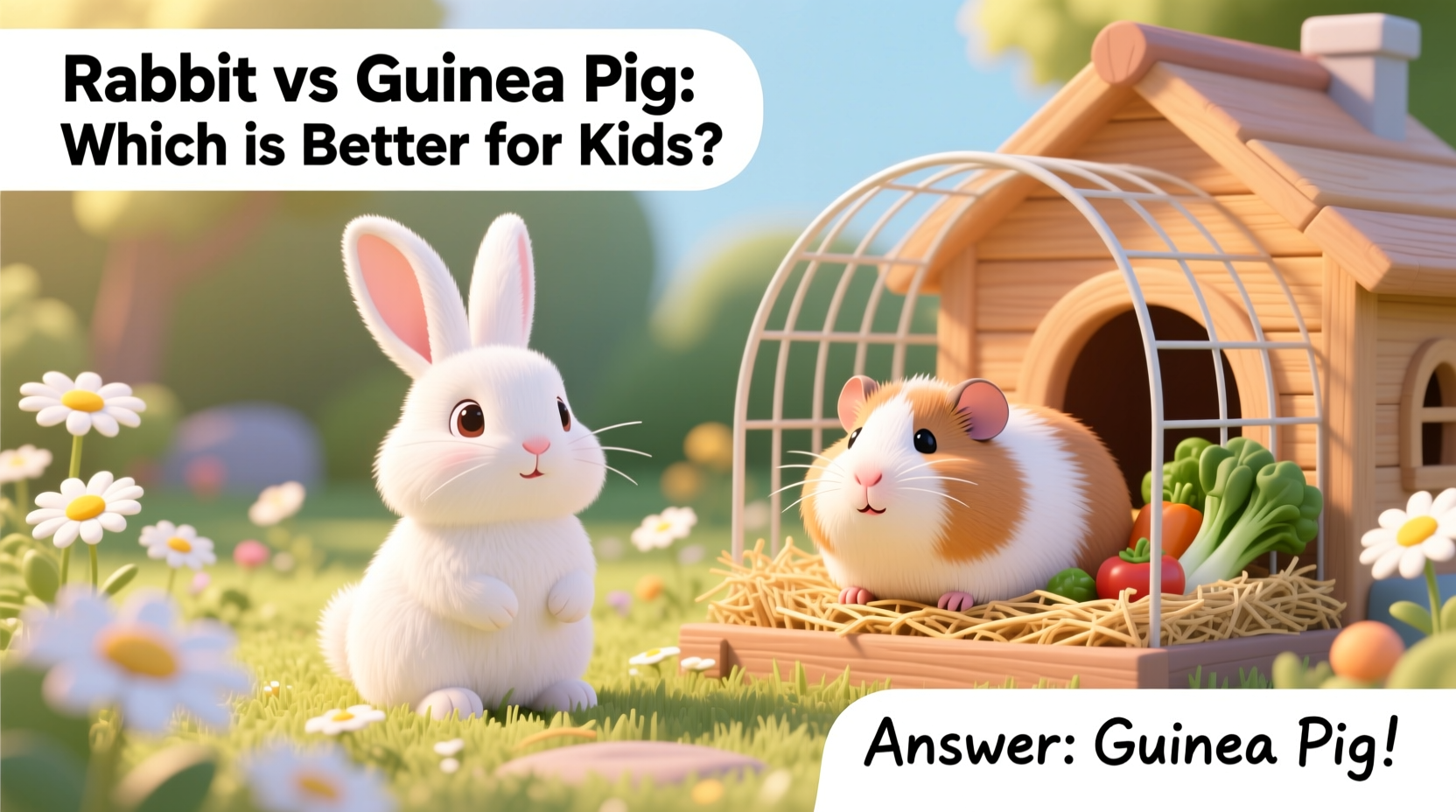
One of the most important considerations when choosing a pet for kids is how well the animal handles being picked up, held, or gently played with. Children, especially younger ones, may not always understand the need for gentle interaction, which can stress or even injure small animals.
Guinea pigs are generally calmer and less reactive than rabbits. They tend to stay still when held and rarely kick or struggle if handled correctly. Their natural inclination to vocalize—through cheerful “wheeking” or soft purring—also makes them engaging for children, who enjoy hearing responses from their pets.
In contrast, rabbits are prey animals by instinct. Even domesticated breeds remain naturally skittish. Sudden movements, loud noises, or improper handling (such as lifting by the ears or scruff) can cause a rabbit to panic, potentially leading to injury—either to itself or the child. While some rabbit breeds like the Holland Lop or Rex are known for their docile nature, they still require careful, respectful interaction.
Tip: Always supervise children under 10 when handling any small pet. Teach them to sit on the floor while holding the animal to prevent falls.“Guinea pigs are among the most child-friendly small mammals due to their predictable behavior and lower flight response.” — Dr. Lena Patel, Exotic Animal Veterinarian
Care Requirements Compared
Daily care routines differ significantly between rabbits and guinea pigs. Understanding these differences helps determine which pet fits into your family’s schedule and responsibilities.
| Aspect | Rabbit | Guinea Pig |
|---|---|---|
| Diet | Timothy hay (80%), fresh vegetables, limited pellets. No fruit. | Timothy hay, vitamin C-rich veggies (bell peppers, kale), commercial guinea pig pellets. |
| Vitamin Needs | Synthesizes its own vitamin C | Requires daily vitamin C supplementation through diet |
| Cage Size | Minimum 12 sq ft + exercise pen | 7.5 sq ft minimum, larger preferred |
| Cleaning Frequency | Litter box spot-cleaned daily; full clean weekly | Spot-clean daily; full change 1–2 times per week |
| Exercise Needs | 3–4 hours outside cage daily | 1–2 hours of free roam time |
| Grooming | Frequent brushing (especially long-haired breeds) | Weekly brushing; occasional nail trims |
While both animals require fresh hay available at all times, guinea pigs have a unique dietary requirement: they cannot produce vitamin C and must receive it daily through food. This adds a layer of responsibility, as deficiency leads to scurvy, a painful and potentially fatal condition.
Rabbits, on the other hand, are prone to digestive issues if fed incorrectly. Introducing new foods too quickly or giving sugary treats can disrupt gut flora, leading to serious illness. They also benefit greatly from litter training, which makes indoor living easier—but only if consistently reinforced.
Lifespan and Long-Term Commitment
Many parents assume small pets are short-term companions, but both rabbits and guinea pigs can live longer than expected—making this a meaningful family decision.
- Guinea pigs typically live 5–7 years, though some reach 8 with excellent care.
- Rabbits commonly live 8–12 years, with dwarf breeds often exceeding a decade.
This means a child who brings home a baby guinea pig in kindergarten might still be caring for it in middle school. A rabbit could easily outlive a goldfish, hamster, or gerbil by many years. Families should consider whether they’re ready for such a commitment—especially since rehoming older small pets is difficult.
The longer lifespan of rabbits also increases the likelihood that the pet will eventually become primarily the responsibility of the parents, particularly as children grow older and lose interest. With guinea pigs, the shorter average lifespan may feel more manageable for families seeking a transitional pet experience.
Social Behavior and Housing Needs
Both species are social, but their ideal living arrangements differ.
Guinea pigs thrive in pairs or small groups of the same sex. They bond closely with companions and show signs of depression when kept alone. Adopting two from the start—not introducing one later—is strongly recommended. Same-sex pairs (especially females) usually coexist peacefully, though introductions should be gradual.
Rabbits can be social but are more territorial. While some rabbits bond successfully with another rabbit (often after neutering/spaying), many do best as solitary pets unless carefully matched. Bonding requires time, patience, and expert guidance. A poorly introduced pair can fight violently.
For families wanting one pet, a rabbit may adapt better to solo living than a guinea pig. However, if companionship is a goal, guinea pigs offer a more predictable path to social fulfillment—provided two are housed together.
Mini Case Study: The Thompson Family’s Choice
The Thompsons wanted a pet for their 7-year-old daughter, Mia. After researching both options, they leaned toward a guinea pig because Mia was eager to “talk” to her pet. They adopted two young females, Daisy and Poppy, from a local rescue.
Within weeks, Mia learned to recognize their different calls—one wheeked for food, the other purred when petted. She helped refill hay baskets and wash food bowls daily. Because the guinea pigs were calm and stayed put when held, even her 4-year-old brother could participate under supervision.
Two years later, the girls still adore their pets. The vet noted excellent health, attributing it to consistent diet and interaction. “They’re part of the family now,” says Mrs. Thompson. “We didn’t expect them to be so interactive.”
In contrast, a neighbor chose a young rabbit. Despite good intentions, the family struggled with litter training and the rabbit’s tendency to chew baseboards. When the child tried to pick it up, the rabbit kicked and escaped, causing a minor scratch. Eventually, the rabbit was rehomed to a sanctuary.
The contrast highlights how temperament and realistic expectations shape success.
Health and Safety Around Children
Safety is paramount when pets interact with young children. Both rabbits and guinea pigs are generally safe, but each carries specific risks.
Guinea pigs are less likely to bite or scratch. Their primary defense is freezing or running away. They rarely carry zoonotic diseases if cared for properly. However, they are sensitive to temperature changes and must be kept in stable environments (65–75°F). Overheating is a real danger in summer months.
Rabbits can deliver powerful kicks with their hind legs, especially if startled. Improper restraint increases this risk. Some rabbits may nip if feeling threatened, though true aggression is rare. They are also more prone to spinal injuries if dropped or mishandled—due to their fragile bone structure.
All small pets can carry bacteria like *Salmonella* or ringworm, so handwashing after contact is essential. Young children should always be supervised during interactions.
Tip: Teach kids to wash hands before and after handling pets. Keep pet areas out of kitchens or food prep zones.Step-by-Step Guide: Introducing Your Child to a New Small Pet
- Preparation Week: Set up the habitat in advance. Read age-appropriate books about the pet with your child.
- Day 1 – Observation Only: Let the pet settle. Children watch quietly from a short distance.
- Day 2–3 – Gentle Interaction: Offer treats through the cage bars. Speak softly near the enclosure.
- Week 2 – Controlled Handling: Supervised holding sessions on the floor, lasting 3–5 minutes.
- Week 3+ – Routine Building: Assign simple care tasks (e.g., refilling water, adding hay) based on age.
- Ongoing: Weekly check-ins with your child about how the pet seems—happy, stressed, sick?
FAQ: Common Questions Parents Ask
Can my child get sick from a rabbit or guinea pig?
Yes, though it’s rare with proper hygiene. Both animals can carry bacteria like *Salmonella* or fungal infections like ringworm. Always ensure children wash hands after touching the pet or cleaning its cage. Avoid kissing the animal or letting it near faces.
Which pet is easier to litter-train?
Rabbits are highly trainable and often learn to use a litter box within days, especially if spayed/neutered. Guinea pigs can develop habits but aren’t fully litter-trained—they’ll poop frequently throughout the day, including while roaming.
Do I need to vaccinate either pet?
In the U.S., neither rabbits nor guinea pigs require routine vaccinations. However, rabbits in Europe often receive vaccines for viral hemorrhagic disease and myxomatosis. Check with your exotic vet for regional recommendations.
Final Checklist Before You Decide
Use this checklist to evaluate readiness and match the pet to your household:
- ✅ Are we prepared for a 5–12 year commitment?
- ✅ Can we afford monthly costs (food, bedding, vet visits)?
- ✅ Do we have space for a large cage and exercise area?
- ✅ Will adults take primary responsibility if the child loses interest?
- ✅ Are we willing to supervise all interactions with young children?
- ✅ For guinea pigs: Can we commit to providing daily vitamin C?
- ✅ For rabbits: Are we ready to bunny-proof our home and manage chewing?
- ✅ Have we visited both animals in person to observe their behavior?
Conclusion: Making the Right Choice for Your Family
When weighing rabbit vs guinea pig for kids, the guinea pig often emerges as the more beginner-friendly option. Its calm demeanor, social nature, and predictable behavior make it better suited to households with younger children. It’s not just about cuteness—it’s about compatibility.
Rabbits, while intelligent and affectionate, demand more experienced handling and environmental management. They’re better for families with older children (ages 10+) who can understand boundaries and commit to long-term care.
Ultimately, the “better” pet isn’t determined by popularity or looks—it’s defined by your family’s ability to meet the animal’s physical, emotional, and social needs. Choose not just what your child wants today, but what your household can sustain for years to come.
💬 Have experience with rabbits or guinea pigs around kids? Share your story in the comments to help other families make informed decisions.








