Earbuds have become an essential part of daily life—used for music, calls, workouts, and more. With this heavy usage comes the need for protection. Two popular options dominate the conversation: ready-made rabbit earbud covers and custom DIY AirPods cases. While both aim to shield your device from drops, scratches, and dirt, they serve different needs and preferences. The real question isn’t just about function—it’s about value, durability, and personal expression.
Are mass-produced silicone or plush rabbit earbud covers truly superior to a handmade case crafted from recycled materials and creativity? Or does the DIY route offer more than just savings? This article breaks down the practical, aesthetic, and economic differences between pre-made and homemade solutions, helping you decide which path suits your lifestyle.
Understanding the Options: What Are Rabbit Earbud Covers?
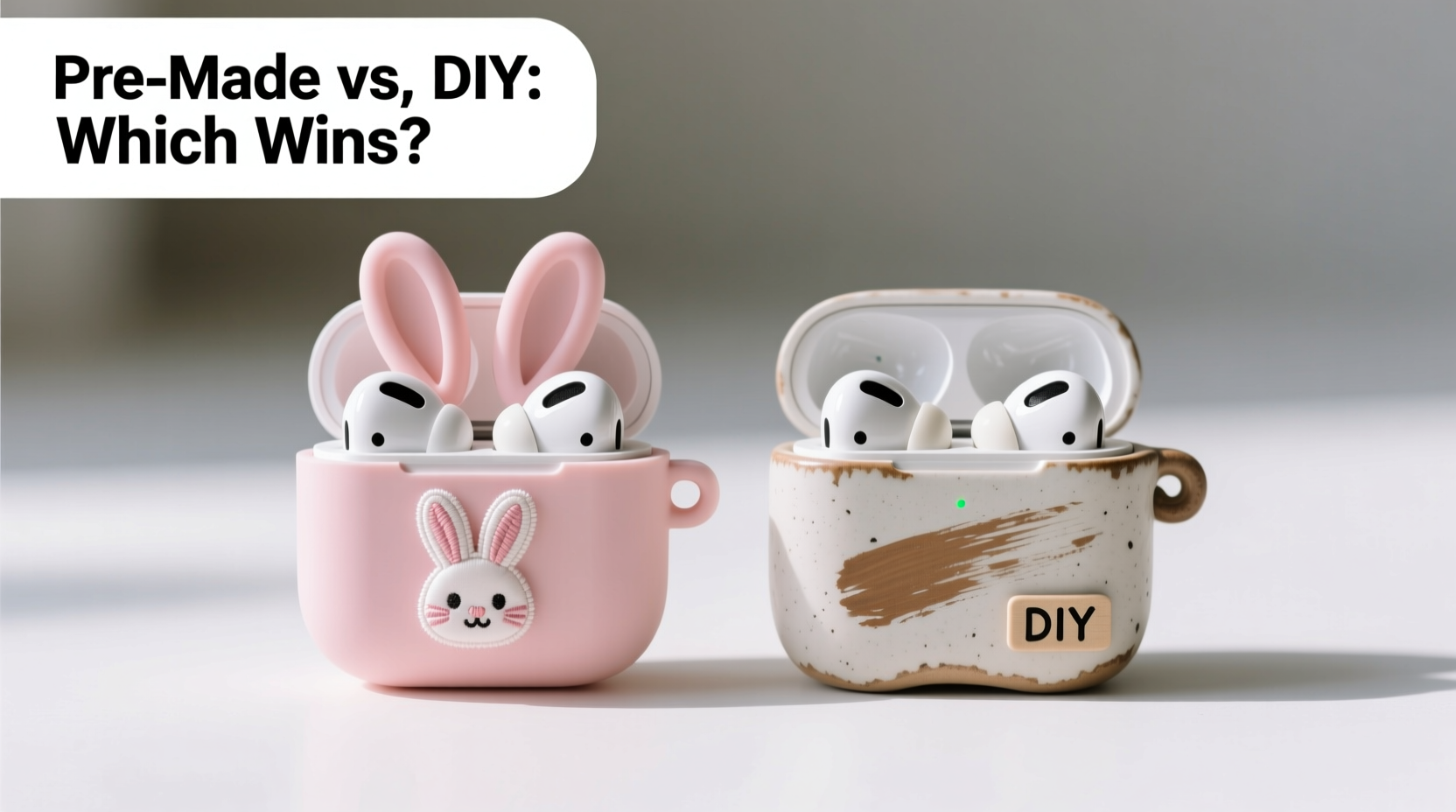
Rabbit earbud covers are typically molded silicone or plush accessories designed to fit over standard AirPods cases. They feature playful designs—most notably animal ears like rabbits—and often include added elements such as tails or facial details. Marketed heavily on platforms like Etsy, Amazon, and TikTok, these covers prioritize cuteness and light protection.
They’re usually one-size-fits-all, slipping snugly over the existing case. Some models even include magnetic closures or internal padding. However, their primary appeal lies in aesthetics rather than rugged functionality. These are fashion accessories first, protective gear second.
Tip: If you frequently misplace your AirPods, choose a rabbit cover with bright colors or unique textures to make them easier to spot.The Rise of DIY AirPods Cases: Creativity Meets Functionality
DIY AirPods cases represent a growing trend among crafters, eco-conscious users, and budget-savvy individuals. Using materials like felt, fabric scraps, old sweaters, or 3D-printed molds, people create personalized cases that reflect their style and values. Unlike off-the-shelf options, DIY versions allow full control over size, shape, padding, and closure mechanisms.
Some use sewing techniques to add zippers or Velcro; others repurpose pencil holders or modify existing containers. The flexibility is unmatched. Moreover, many DIY builders incorporate sustainable practices—upcycling textiles or using biodegradable glues—which aligns with low-waste lifestyles.
According to Sarah Lin, a product designer and advocate for sustainable tech accessories, “The beauty of DIY is not just cost savings—it's about building something that fits *your* hand, *your* bag, and *your* ethics.”
“Customization isn’t a luxury—it’s a return to thoughtful consumption.” — Sarah Lin, Product Designer & Sustainable Tech Advocate
Comparative Analysis: Pre-Made vs Homemade
To evaluate which option performs better across key categories, consider the following comparison table:
| Feature | Rabbit Earbud Covers (Pre-Made) | DIY AirPods Cases |
|---|---|---|
| Cost | $8–$25 per unit | $0–$5 (mostly material reuse) |
| Durability | Moderate (silicone lasts; plush wears over time) | Varies (depends on materials and craftsmanship) |
| Protection Level | Light (covers only outer shell) | Customizable (can include foam lining, rigid shells) |
| Personalization | Limited (color/design choices only) | Full creative freedom |
| Eco-Impact | Higher (plastic/silicone production, shipping) | Lower (especially when upcycling) |
| Availability | Immediate (online/in-store) | Requires time and effort |
This breakdown shows that while pre-made covers win in convenience, DIY alternatives excel in customization, sustainability, and long-term value.
A Real-World Example: From Frustration to Innovation
Take the case of Maya Tran, a college student in Portland who lost three AirPods cases within six months due to rough handling in her backpack. She initially bought a popular rabbit ear cover because it was trending online. While cute, it cracked after two months and offered no shock absorption.
Frustrated, she turned to a crafting community on Reddit and learned how to sew a padded case from an old hoodie. She added a zipper and embroidery of her initials. Over a year later, the case remains intact, easily identifiable, and perfectly sized for her needs. “It doesn’t look like anyone else’s,” she says. “And I didn’t spend $20 on something disposable.”
Maya’s experience reflects a broader shift: users are increasingly prioritizing longevity and identity over instant gratification.
Step-by-Step Guide: How to Make a Basic DIY AirPods Case
If you're considering making your own, here’s a simple method using fabric and batting:
- Gather Materials: Felt or soft fabric (outer), fleece or batting (padding), needle and thread or sewing machine, scissors, zipper or snap button.
- Measure Your Case: Place your AirPods case on paper and trace around it, adding ¼ inch on all sides for seam allowance.
- Cut Fabric: Cut two identical pieces from outer fabric and two from batting.
- Sew Padding: Attach batting to the wrong side of one outer piece using fabric glue or basting stitches.
- Add Closure: Sew a zipper or attach snaps between the edges of the outer pieces.
- Assemble: Place right sides together, sew around three sides, flip, then insert your case.
- Final Touches: Embroider initials or add patches for personal flair.
Checklist: Choosing the Right Option for You
- ✅ Do you want immediate protection without effort? → Choose pre-made
- ✅ Is cuteness your top priority? → Rabbit ear covers may suffice
- ✅ Do you care about environmental impact? → Lean toward DIY
- ✅ Want a unique, personalized look? → DIY gives full creative control
- ✅ Need maximum drop protection? → Build a DIY case with rigid inner shell
- ✅ On a tight budget? → DIY saves money long-term
Frequently Asked Questions
Can rabbit earbud covers damage my AirPods case?
No, most are made from soft silicone or fabric and don’t cause physical damage. However, poorly fitting models can trap moisture or make the case harder to open, potentially leading to wear over time.
Are DIY cases less durable than store-bought ones?
Not necessarily. A well-constructed DIY case using quality stitching and durable materials can outlast cheaper pre-made versions. Durability depends more on craftsmanship than origin.
Will a DIY case affect wireless charging?
Only if the materials are too thick. Most fabric or felt cases are thin enough to allow Qi charging. Avoid metal linings or excessive padding near the base.
Conclusion: It’s Not Just About Protection—It’s About Purpose
The choice between rabbit earbud covers and DIY AirPods cases ultimately comes down to intent. If you want a quick, adorable accessory that reflects current trends, pre-made covers deliver instant satisfaction. But if you value sustainability, personal expression, and functional design, investing time in a homemade solution pays lasting dividends.
Technology evolves fast, but how we treat our devices speaks volumes about our priorities. Whether you opt for whimsy or craftsmanship, the best case is one that matches your lifestyle—not someone else’s algorithm.
💬 Have you tried making your own AirPods case? Share your design tips or lessons learned in the comments below—your idea might inspire someone’s next project!








