
Pus in the toe is more than just a minor annoyance—it’s often a clear sign of infection or inflammation that requires prompt attention. Whether it stems from an ingrown toenail, trauma, fungal infection, or a foreign object, the presence of pus indicates your body is fighting off harmful bacteria. Left untreated, this condition can lead to severe complications, including abscess formation, cellulitis, or even bone infection (osteomyelitis). Understanding the underlying causes, recognizing early symptoms, and knowing how to treat and prevent recurrence are essential steps toward maintaining foot health.
What Causes Pus in the Toe?
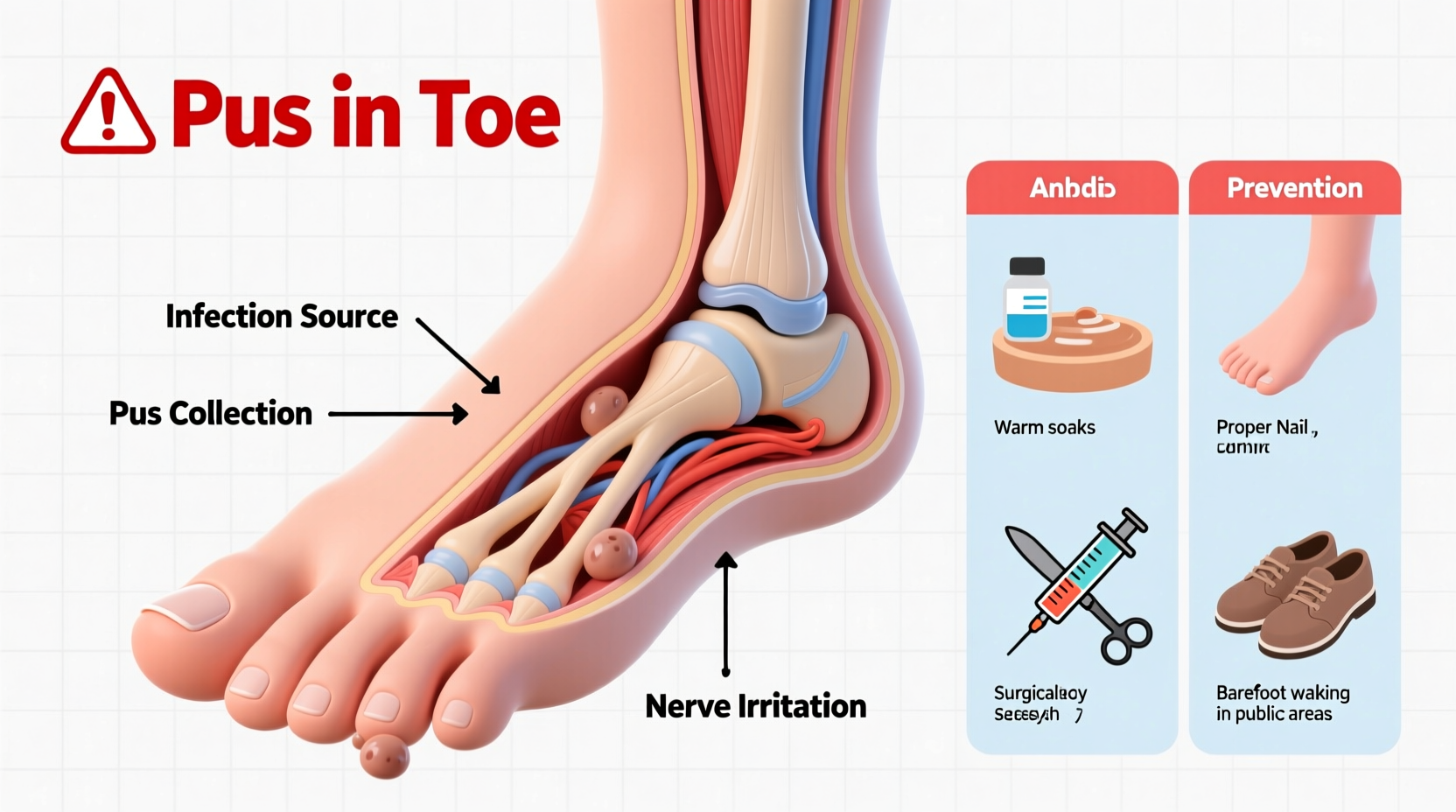
Pus is a thick fluid composed of dead white blood cells, bacteria, and tissue debris. When your body detects an invasion—typically bacterial—it sends immune cells to combat the threat. The resulting accumulation of these elements forms pus. In the toe, several common conditions trigger this response:
- Ingrown Toenails: One of the most frequent causes. When the edge of the nail grows into the surrounding skin, it creates a break in the barrier, allowing bacteria like *Staphylococcus aureus* to enter.
- Trauma or Injury: Stubbing your toe, dropping something on it, or wearing tight shoes can cause bruising, blistering, or open wounds that become infected.
- Fungal Infections: Athlete’s foot or nail fungus can weaken the skin and nail structure, making secondary bacterial infections more likely.
- Cuts or Splinters: Even small cuts or embedded debris (like wood or glass) can introduce pathogens beneath the skin.
- Paronychia: An infection of the nail fold, often caused by excessive moisture, nail biting, or improper manicuring.
- Diabetes-Related Complications: Individuals with diabetes may develop foot ulcers due to poor circulation and nerve damage, which can easily become infected and produce pus.
Recognizing Symptoms of Infection
Early detection improves outcomes significantly. Common signs that indicate an infected toe include:
- Visible pus or yellow-green discharge
- Swelling, redness, and warmth around the toe
- Pain or tenderness, especially when pressure is applied
- Throbbing sensation, particularly at night
- Foul odor emanating from the area
- Loose or detached toenail
- Development of a visible abscess or boil
In more advanced cases, systemic symptoms such as fever, chills, or red streaks extending up the foot may appear—these require immediate medical evaluation, as they suggest spreading infection.
“Any sign of pus near the toenail should be taken seriously. Delaying care increases the risk of deeper tissue involvement.” — Dr. Lena Patel, Podiatrist and Foot Health Specialist
Effective Treatment Options
Treatment depends on the severity and root cause of the infection. Mild cases can often be managed at home, while moderate to severe infections may require clinical intervention.
Home Care for Mild Infections
If caught early, simple measures can reduce discomfort and promote healing:
- Soak the Foot: Use warm water with Epsom salt for 15–20 minutes, 3–4 times daily. This helps draw out pus and reduces inflammation.
- Keep the Area Clean: Gently wash with mild soap and pat dry thoroughly, especially between toes.
- Apply Antibiotic Ointment: Over-the-counter options like neomycin or bacitracin can prevent further bacterial growth.
- Cover with a Bandage: Protect the toe from friction and contamination using a sterile dressing.
- Elevate the Foot: Reduces swelling and encourages drainage.
Medical Treatments for Moderate to Severe Cases
When home remedies fail or symptoms worsen, professional care becomes necessary:
- Incision and Drainage (I&D): A doctor may numb the toe and make a small cut to drain accumulated pus.
- Oral Antibiotics: Prescribed for infections that have spread beyond the immediate area (e.g., cephalexin, dicloxacillin).
- Nail Removal: Partial or complete removal of an ingrown nail may be required if recurrent or deeply embedded.
- Culture Testing: In persistent cases, a sample of pus may be tested to identify the exact bacteria and guide antibiotic choice.
Prevention Checklist
Preventing pus formation in the toe starts with consistent foot hygiene and smart footwear choices. Follow this actionable checklist to minimize risks:
Checklist: Prevent Toe Infections- Trim toenails straight across—never rounded or too short
- Wear well-fitting, breathable shoes with adequate toe room
- Avoid walking barefoot in public areas (showers, pools, gyms)
- Inspect feet daily, especially if diabetic
- Treat fungal infections promptly
- Do not pick or tear at cuticles or skin around nails
- Keep feet dry; change socks if damp
Real-Life Example: Delayed Care Leads to Complication
James, a 34-year-old warehouse worker, noticed mild redness and soreness around his right big toe after dropping a box on it. He assumed it was just bruised and continued wearing steel-toed boots without proper ventilation. Over the next week, pain intensified, and a pocket of pus formed at the nail edge. By the time he saw a podiatrist, the infection had spread into the soft tissue, requiring oral antibiotics and partial nail removal. With proper early soaking and protective footwear, James could have avoided surgical intervention.
This case underscores the importance of not dismissing seemingly minor injuries—especially under occupational stress or tight footwear.
Do’s and Don’ts: Managing Pus in the Toe
| Do’s | Don’ts |
|---|---|
| Soak the toe in warm saline or Epsom salt | Pop or squeeze the pus-filled area yourself |
| Use clean tools when trimming nails | Wear tight or narrow shoes during infection |
| Monitor for spreading redness or fever | Ignore worsening pain or swelling |
| Seek medical help if no improvement in 2–3 days | Reuse bandages or towels without washing |
| Keep the foot elevated when possible | Apply harsh chemicals like hydrogen peroxide routinely |
Frequently Asked Questions
Is pus in the toe always a sign of infection?
Yes, the presence of pus almost always indicates a bacterial infection. While rare, sterile inflammatory conditions can mimic infection, but medical evaluation is still recommended to rule out serious causes.
Can I drain the pus myself at home?
It’s not advisable. Attempting to lance the area without sterilized tools increases the risk of spreading infection or causing deeper injury. If drainage is needed, it should be performed by a healthcare provider under controlled conditions.
How long does it take for a toe infection to heal?
Mild cases may improve within 3–5 days with proper care. More severe infections treated with antibiotics typically show improvement within 48–72 hours, but full recovery can take 1–2 weeks. Chronic or diabetic-related infections may require longer treatment.
Conclusion: Act Early, Heal Faster
Pus in the toe is a warning signal your body sends when it's under microbial attack. Recognizing the causes—be it ingrown nails, injury, or poor hygiene—and acting swiftly can prevent minor issues from escalating into serious medical problems. Simple habits like proper nail trimming, wearing appropriate footwear, and maintaining foot cleanliness go a long way in prevention. For those with diabetes or circulatory issues, routine foot checks are non-negotiable.
If you're experiencing signs of infection, don’t wait for symptoms to worsen. Start with conservative care, but know when to seek professional help. Your feet carry you through life—protect them with informed, proactive care.
💬 Have you dealt with a toe infection? Share your experience or tips in the comments below—your insight could help someone avoid a painful mistake.








