Choosing the right clothing for your dog goes beyond style—it's about comfort, mobility, and protection from the elements. Many pet owners start dressing their puppies early, especially in colder climates or for medical reasons. But as puppies grow into adult dogs, a common question arises: Can you continue using puppy clothes, or do you need to upgrade to dog-specific apparel? The answer isn’t always straightforward and depends on breed, growth rate, and garment design.
Understanding the differences between puppy and adult dog clothing—and how your dog’s body changes over time—can prevent discomfort, restricted movement, and even skin irritation caused by ill-fitting garments.
Understanding Growth Patterns in Dogs
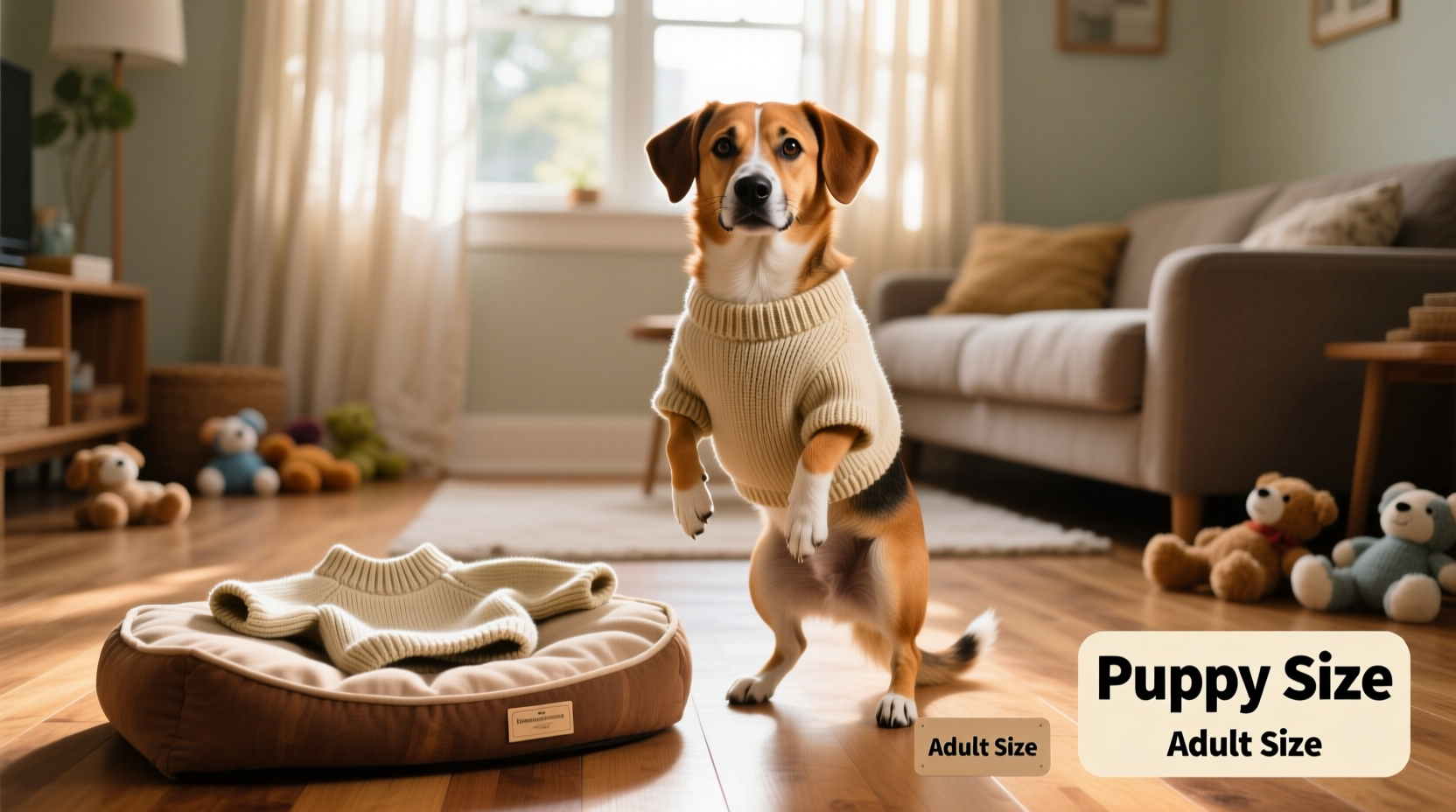
Dogs don’t grow at a uniform pace. Small breeds like Chihuahuas or Pomeranians may reach their full size by 6–8 months, while large and giant breeds such as Great Danes or Saint Bernards can continue growing until they’re 18–24 months old. During this rapid development phase, a puppy’s proportions shift dramatically: their chest expands, their back lengthens, and muscle mass increases.
This means that clothing sized for a 10-week-old pup will likely be too short in the torso and too tight across the chest just weeks later. Puppy clothes are often designed with temporary wear in mind—lightweight, stretchy, and easy to put on—but they aren’t built to accommodate sustained growth.
Tip: Measure your dog every 4–6 weeks during the first year to track changes in neck, chest, and length.Key Differences Between Puppy Clothes and Adult Dog Clothes
Puppy and adult dog clothes differ not only in size but also in cut, material durability, and intended use. Recognizing these distinctions helps determine whether puppy apparel can transition into adulthood.
- Fit and Cut: Puppy clothes often have a shorter back and narrower chest to match juvenile proportions. Adult dog clothes account for broader shoulders, deeper chests, and longer bodies.
- Fabric Strength: Puppy garments may use softer, thinner materials suitable for delicate skin. Adult versions prioritize durability, especially for outdoor or working dogs.
- Closure Systems: Adjustable straps, Velcro, or elastic bands are common in puppy clothes to allow some flexibility. Adult clothing frequently uses more secure fastenings like buckles or double-sewn seams.
- Design Purpose: Puppy outfits are often novelty or seasonal items (e.g., Halloween costumes). Adult dog clothing includes functional pieces like raincoats, sweaters for arthritic pets, or cooling vests.
“Puppy clothes are like infant onesies—they're made for temporary stages of development. Expecting them to fit an adult dog is like expecting a baby bodysuit to fit a teenager.” — Dr. Lena Torres, Veterinary Behaviorist & Pet Product Consultant
Sizing Guide: When Will Puppy Clothes Stop Fitting?
The timeline varies significantly by breed. Toy breeds mature quickly and may outgrow puppy clothes within 4–6 months. Larger breeds remain in transitional sizes much longer. Below is a general guide based on weight and age milestones.
| Breed Size | Typical Age to Outgrow Puppy Clothes | Average Weight Range (Adult) | Common Fit Issues if Worn Too Long |
|---|---|---|---|
| Toy (e.g., Yorkie, Maltese) | 5–7 months | 4–7 lbs | Tight chest, restricted leg movement |
| Small (e.g., Beagle, Cocker Spaniel) | 8–10 months | 15–30 lbs | Short torso, pressure behind front legs |
| Medium (e.g., Border Collie, Bulldog) | 10–14 months | 30–60 lbs | Chafing under arms, limited shoulder motion |
| Large/Giant (e.g., Labrador, German Shepherd) | 14–20 months | 60–100+ lbs | Neck strain, inability to close properly |
Real-Life Example: Max the Golden Retriever
Max was adopted at 12 weeks old. His owner, Sarah, bought several soft cotton puppy sweaters online, choosing size “Small” based on his current weight of 10 pounds. By 5 months, Max had grown to 45 pounds. The same sweater barely stretched over his shoulders and pulled tightly behind his front legs whenever he walked.
Sarah noticed Max scratching more and avoiding putting on clothes. After consulting her vet, she learned that the constant friction was causing minor skin abrasions. She switched to youth/adult hybrid sizes labeled “Junior Medium,” which offered a longer cut and reinforced seams. The change improved Max’s comfort immediately, and he began tolerating winter wear without resistance.
This case highlights how fast-growing breeds can quickly outpace puppy clothing—even if the garments seem to \"almost\" fit.
How to Transition Smoothly from Puppy to Adult Dog Clothes
Making the switch at the right time ensures your dog remains comfortable and protected. Follow this step-by-step process to avoid sizing errors and unnecessary expenses.
- Track Growth Monthly: Record your dog’s chest girth (behind front legs), neck circumference, and back length (base of neck to base of tail).
- Check Manufacturer Sizing Charts: Don’t rely on generic labels like “Small” or “Medium.” Always refer to specific brand measurements.
- Look for Transitional Sizes: Some brands offer “Junior” or “Growing Dog” lines that bridge the gap between puppy and adult.
- Test Mobility: Once dressed, observe your dog walking, sitting, and stretching. There should be no pulling, lifting of the garment, or restricted motion.
- Replace Proactively: If seams are straining or closures are maxed out, it’s time to upgrade—even if the item still technically fits.
Checklist: Signs Your Dog Has Outgrown Puppy Clothes
- ✅ Chest measurement exceeds garment limit by more than 1 inch
- ✅ Fabric pulls tightly across shoulders or underarms
- ✅ Neck opening leaves red marks or restricts head movement
- ✅ Back length doesn’t cover the base of the tail
- ✅ Dog shows signs of discomfort—scratching, biting at seams, refusing to walk
- ✅ Closures are fully extended with no room to adjust
Frequently Asked Questions
Can I use puppy clothes on a small adult dog?
Only if the measurements align. Some small adult dogs (like senior Chihuahuas or toy poodles) may still fit into larger puppy sizes. Always check actual garment dimensions rather than age-based labels.
Do all dog clothes specify whether they’re for puppies or adults?
No. Many retailers don’t distinguish clearly between puppy and adult lines. Look for keywords like “junior,” “growing,” “adult fit,” or “deep chest” to identify appropriate styles.
What should I do with outgrown puppy clothes?
Donate them to shelters with young animals, repurpose as cleaning rags, or keep one or two as keepsakes. Avoid reselling unless they’re in pristine condition.
Final Thoughts and Action Plan
Puppy clothes are not designed to fit adult dogs, even in smaller breeds. While there may be brief overlap where a large puppy size fits a petite adult, relying on puppy apparel long-term risks discomfort and health issues. The key is proactive monitoring: measure regularly, understand your dog’s growth curve, and invest in well-fitted adult clothing when needed.
Don’t wait for visible signs of distress. A properly fitting garment should lie flat against the body, allow full range of motion, and require only moderate tension on closures. Prioritizing fit over convenience or nostalgia ensures your dog stays warm, dry, and happy—without compromise.
💬 Have a story about your dog outgrowing clothes—or a favorite brand that fits just right? Share your experience below and help other pet parents make smarter choices!








