
Cat owners are always on the lookout for tools that simplify grooming while keeping their feline companions relaxed. Among the growing array of pet care products, grooming gloves have gained popularity—marketed as a gentle, massage-like way to remove loose fur and reduce shedding. But beyond the appealing concept, do these gloves actually deliver tangible grooming benefits, or are they simply a novelty item that cats enjoy in the moment? The answer isn’t straightforward, but with careful evaluation of design, function, and user experience, it’s possible to determine when and how grooming gloves can be genuinely effective.
How Pet Grooming Gloves Work
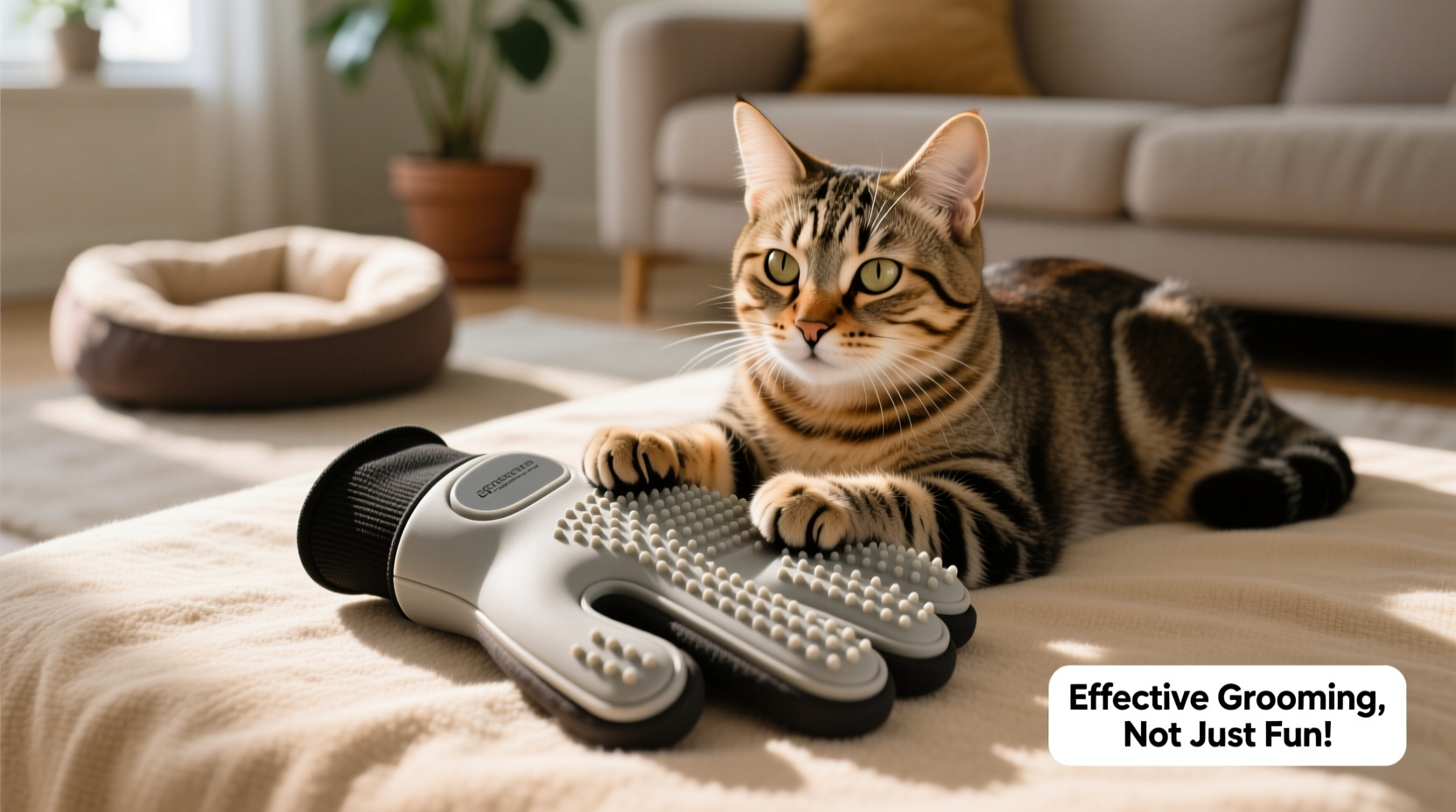
Grooming gloves are typically made from soft, flexible material like silicone, latex, or rubber, embedded with small nubs or textured tips on the palm and fingers. When worn, these protrusions mimic the sensation of a cat’s mother licking during kittenhood, which many cats find comforting. As the owner strokes the cat, the nubs lift and collect loose undercoat hair, dander, and surface debris.
Unlike brushes or combs that require precise technique and can sometimes pull sensitive skin, grooming gloves offer a more tactile, hands-on approach. This makes them particularly appealing for cats that resist traditional grooming tools. Because the motion resembles petting, the experience often feels less intrusive and more like bonding time.
The gloves are usually machine-washable or easy to wipe clean, adding to their convenience. Most models fit a range of hand sizes and are designed for use on both cats and dogs, though feline-specific versions tend to have softer textures.
Tip: Always introduce grooming gloves gradually—start with short sessions to gauge your cat’s reaction before attempting longer grooming periods.Benefits of Using Grooming Gloves on Cats
When used appropriately, grooming gloves offer several practical advantages over conventional tools:
- Reduced stress for anxious cats: Many cats dislike the noise and pressure of metal combs or slick brushes. Grooming gloves provide a gentler alternative that mimics affectionate touch, making them ideal for skittish or elderly cats.
- Fur and dander removal: While not as thorough as de-shedding tools, gloves effectively capture surface-level loose hair. This helps minimize shedding around the home and reduces the frequency of hairballs.
- Improved circulation and skin stimulation: The massaging action promotes blood flow to the skin, which can support healthier coat growth and help distribute natural oils evenly.
- Enhanced bonding: Since grooming mimics social behaviors seen in cat colonies, using gloves during quiet moments can strengthen the human-cat relationship.
- Versatility: They can double as cleaning tools—some owners use them to pick up pet hair from furniture or clothing.
“Grooming gloves are especially beneficial for cats with mild anxiety or those new to handling. The tactile feedback is familiar and calming.” — Dr. Lena Torres, Feline Behavior Specialist
Limitations and Common Misconceptions
Despite their appeal, grooming gloves are not a one-size-fits-all solution. Understanding their limitations prevents disappointment and misuse.
One major misconception is that grooming gloves can replace brushing entirely. In reality, they lack the precision and depth needed to detangle mats, reach the undercoat in long-haired breeds, or address severe shedding. For Persians, Maine Coons, or other long-coated cats, a combination of tools—including slicker brushes and metal combs—is still essential.
Additionally, gloves may struggle with cats that have thick, dense undercoats. The nubs are generally too short to penetrate deeply, meaning much of the loose fur remains trapped beneath the top layer. Over-reliance on gloves in such cases can lead to matting and overheating during warmer months.
Another concern is hygiene. If not cleaned regularly, the gloves can harbor bacteria, allergens, or parasites picked up from the cat’s coat. This is especially important in multi-pet households or homes with immunocompromised individuals.
Do Grooming Gloves Prevent Hairballs?
While grooming gloves can reduce the amount of loose fur ingested during self-grooming, they are not a standalone solution for hairball control. Cats swallow large quantities of hair daily, particularly during seasonal shedding. Gloves help manage surface shedding but cannot eliminate the root cause. For high-risk cats, dietary fiber supplements, regular brushing, and vet-approved hairball remedies remain more effective strategies.
Real-World Use: A Mini Case Study
Sarah, a cat owner in Portland, adopted a senior domestic shorthair named Milo who had developed a fear of grooming after a traumatic vet visit. Traditional brushes caused him to retreat under the bed, and combing led to agitation. After researching alternatives, Sarah tried a pair of silicone grooming gloves recommended by her veterinarian.
She began by wearing the gloves while offering treats, letting Milo sniff and paw at them. Within days, she introduced light stroking during evening cuddle sessions. To her surprise, Milo began leaning into the contact, purring as she ran the gloves along his back and sides.
After two weeks of consistent five-minute sessions three times a week, Sarah noticed a visible reduction in loose fur on her couch and fewer hairballs. While she still uses a fine-tooth comb monthly for deeper maintenance, the gloves became her primary tool for routine care. “It’s not just about grooming anymore,” she said. “It’s become part of our daily ritual—he expects it now.”
This case illustrates how grooming gloves can succeed where traditional tools fail—not because they’re superior in every way, but because they align with the cat’s emotional needs and behavioral preferences.
Choosing the Right Grooming Glove: A Buyer’s Checklist
Not all grooming gloves are created equal. To ensure effectiveness and safety, consider the following before purchasing:
- ✔️ Soft, non-abrasive nubs suitable for sensitive skin
- ✔️ Breathable, latex-free material if allergies are a concern
- ✔️ Adjustable fit or universal sizing for comfort
- ✔️ Machine-washable or easy to sanitize
- ✔️ Designed specifically for cats (not repurposed dog gloves)
- ✔️ Positive reviews from owners of similar cat breeds
Step-by-Step Guide to Using Grooming Gloves Effectively
To maximize the benefits of grooming gloves, follow this simple routine:
- Introduce the glove slowly: Let your cat sniff and investigate it before use. Wear it briefly during treat time to create positive associations.
- Start with short sessions: Begin with 1–2 minutes of gentle stroking, focusing on areas your cat enjoys being touched (head, neck, back).
- Monitor body language: Watch for signs of discomfort—flattened ears, tail flicking, or attempts to leave. Stop immediately if observed.
- Stroke in the direction of hair growth: Use slow, firm but gentle motions. Avoid pressing too hard or going against the grain.
- Focus on high-shed zones: Pay attention to the back, flanks, and base of the tail, where shedding is most common.
- Clean the glove after each use: Rinse under warm water or wipe with a pet-safe disinfectant to prevent odor and bacterial buildup.
- Gradually increase duration: Once your cat is comfortable, extend sessions to 5–7 minutes, 2–3 times per week.
Comparison: Grooming Gloves vs. Traditional Tools
| Feature | Grooming Gloves | Traditional Brush/Comb |
|---|---|---|
| Stress Level for Cat | Low – feels like petting | Variable – some cats resist |
| Fur Removal Efficiency | Moderate – best for surface fur | High – reaches undercoat |
| Demand for Technique | Low – intuitive use | Medium to high – requires skill |
| Matt & Tangle Removal | Poor – not designed for knots | Good – with proper tools |
| Bonding Potential | High – interactive and soothing | Depends on cat’s tolerance |
| Cleaning & Maintenance | Easy – washable | Brushes need bristle cleaning |
Frequently Asked Questions
Can grooming gloves replace regular brushing?
No. While grooming gloves are excellent for light deshedding and bonding, they should complement—not replace—regular brushing, especially for long-haired or heavy-shedding cats. Use them as part of a broader grooming routine.
Are grooming gloves safe for kittens?
Yes, provided the texture is soft and the pressure is gentle. Introduce them slowly and monitor the kitten’s response. Avoid aggressive stroking and limit sessions to under two minutes initially.
Do grooming gloves work on all cat breeds?
They work best on short- to medium-haired cats with minimal matting. Long-haired breeds may benefit from initial use but will still require specialized tools for full coat maintenance.
Final Verdict: Effective Tool or Just Fun?
Grooming gloves are neither a miracle solution nor a mere toy. Their effectiveness lies in context. For cats that tolerate or enjoy them, these gloves serve as a valuable tool for reducing shedding, minimizing stress, and enhancing daily interaction. They excel in situations where traditional grooming methods fail due to fear, sensitivity, or resistance.
However, they are not a substitute for comprehensive coat care. Owners of long-haired, matted, or high-shedding cats should view gloves as a supplementary aid rather than a primary grooming method. When combined with regular brushing, proper nutrition, and veterinary checkups, grooming gloves can play a meaningful role in a holistic care plan.
Their true strength may not be in raw efficiency, but in accessibility. They lower the barrier to grooming for novice owners and anxious pets alike, turning what could be a stressful chore into a shared moment of trust and comfort.
“Sometimes the best grooming tool isn’t the one that removes the most fur—it’s the one that gets used consistently because both pet and owner enjoy it.” — Dr. Alan Pierce, Veterinary Dermatologist
Take Action Today
If you’ve been hesitant to groom your cat due to resistance or uncertainty, consider trying a grooming glove. Choose a high-quality model, introduce it patiently, and observe how your cat responds. Track changes in shedding, hairball frequency, and overall coat condition over a few weeks. You might discover that this simple tool does more than collect fur—it deepens your connection with your feline companion.
💬 Have experience with grooming gloves? Share your story below! Whether they worked wonders or fell short, your insights can help fellow cat owners make informed choices.








