
For many pet owners, leaving the house means more than just locking the door—it means leaving behind a living, feeling companion who may pace, bark, or sit by the window waiting. The rise of smart pet tech has introduced devices that promise to bridge this emotional gap: pet cameras with built-in treat dispensers. Marketed as tools for connection, reassurance, and even training, these gadgets have gained popularity among remote workers, frequent travelers, and especially anxious pet parents. But beneath the convenience and cuteness lies an important question—do they deliver real value, or are they simply digital pacifiers for human guilt?
The answer isn’t straightforward. While some pets clearly benefit from interaction and mental stimulation during solitude, others barely notice the device after the first few treats. To determine whether these cameras are worth the investment, we need to examine their functionality, psychological impact, practical use cases, and limitations through the lens of both technology and animal behavior.
How Pet Cameras with Treat Dispensers Work
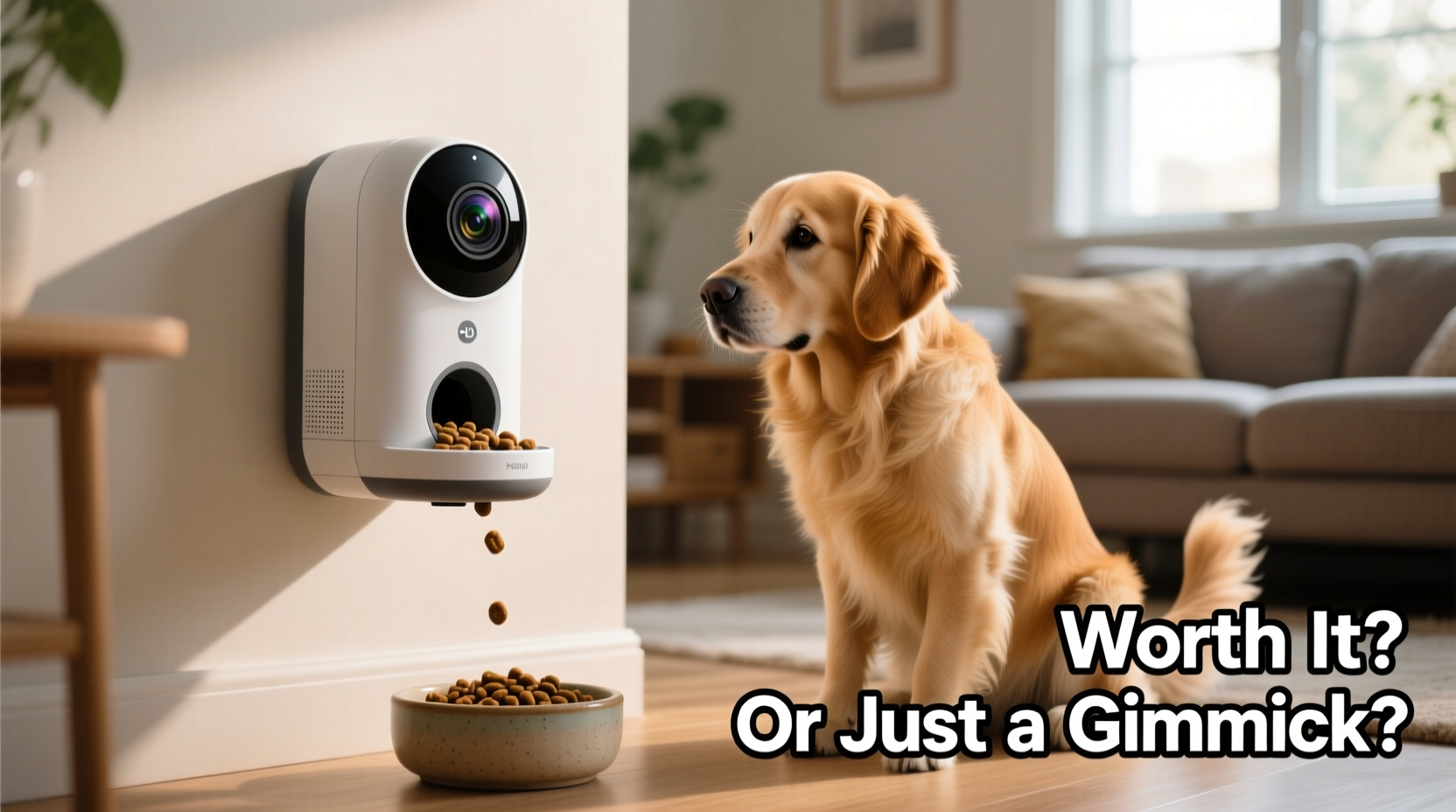
At their core, these devices combine three key features: live video streaming, two-way audio communication, and automated treat dispensing—all controllable via smartphone apps. Most models connect to Wi-Fi, allowing users to check in on their pets from anywhere. High-definition cameras offer night vision and wide-angle views, while microphones and speakers let owners talk to their animals in real time. The treat dispenser is typically gravity-fed or motorized, releasing one treat per command when triggered remotely.
Some advanced models include AI-powered motion tracking, barking or meowing detection alerts, treat scheduling, and even facial recognition to distinguish between multiple pets. Brands like Furbo, Petcube, and Wagz lead the market, offering varying price points and feature sets. While the technology continues to improve, functionality alone doesn’t determine value—what matters is how well it aligns with actual pet needs and owner expectations.
Key Features and Their Real-World Utility
| Feature | Purpose | Real-World Effectiveness |
|---|---|---|
| Live HD Video | Monitor pet activity in real time | Highly effective; provides peace of mind and behavioral insights |
| Two-Way Audio | Speak to your pet remotely | Moderate; some pets respond, others ignore voice commands |
| Treat Dispensing | Reinforce positive behavior or reward attention | Variable; works best in training contexts, less so for anxiety relief |
| Bark/Meow Detection Alerts | Notify owner of vocalizations | Useful but can cause alert fatigue if over-triggered |
| Scheduled Treats | Automate feeding or enrichment | Helpful for routine but limited in addressing separation distress |
The Psychological Impact on Pets and Owners
From a behavioral standpoint, pets don’t experience loneliness the way humans do—but they can suffer from separation anxiety, boredom, or environmental stress. Dogs, in particular, are social animals and may exhibit signs of distress when left alone, including destructive chewing, excessive barking, or house soiling. Cats may hide, over-groom, or stop eating.
A pet camera with a treat dispenser might provide momentary distraction, but it cannot replace companionship or address the root causes of anxiety. In fact, some trainers argue that using the device to soothe a distressed pet mid-episode may reinforce the very behavior you’re trying to reduce. For example, if your dog barks nonstop when you leave and you respond by dispensing a treat, the dog may learn that barking = treats.
“Devices can support training, but they’re no substitute for proper behavioral conditioning. A treat from a machine doesn’t build trust the way consistent, in-person interaction does.” — Dr. Lisa Marasco, Certified Animal Behaviorist
On the flip side, for pets with mild separation issues or those who enjoy puzzle-style engagement, the sudden appearance of a treat can serve as positive reinforcement and mental stimulation. When used strategically—as part of a broader training plan—they can be beneficial.
For owners, however, the psychological payoff is often immediate. Seeing your pet on screen, hearing their familiar movements, or watching them chase a treat can ease guilt and reduce anxiety about leaving them alone. This emotional benefit shouldn’t be dismissed, especially for people dealing with work-related stress or pet loss trauma. But it’s crucial to distinguish between what helps the pet and what comforts the owner.
Who Actually Benefits from These Devices?
Not all pet owners—or pets—are equally suited for smart cameras with treat dispensers. The value depends heavily on lifestyle, pet temperament, and goals. Here’s a breakdown of scenarios where these devices shine—and where they fall short.
When It’s Worth It
- Dog training reinforcement: Using the treat dispenser to reward calm behavior on cue (e.g., lying down when the doorbell rings).
- Multi-pet households: Monitoring interactions and ensuring fair access to resources.
- Remote workers: Checking in during breaks to prevent destructive habits before they escalate.
- Puppies or kittens: Providing structured play and feeding cues during critical development phases.
- Frequent travelers: Maintaining a sense of presence and routine while away.
When It’s a Gimmick
- Severe separation anxiety: Pets with clinical anxiety need professional intervention, not remote treats.
- Older or less food-motivated pets: Some animals care more about attention than snacks and won’t engage.
- Owners seeking guilt relief: Constant checking in can disrupt pet routines and increase dependency.
- Low-quality devices: Poor connectivity, unreliable dispensing, or laggy video negate any benefit.
Mini Case Study: Sarah and Max, a Border Collie Mix
Sarah, a software developer, adopted Max during the pandemic and struggled when returning to office work. Max began chewing shoes and barking at passersby. After consulting a trainer, Sarah installed a Furbo camera. She didn’t use it to soothe Max mid-bark. Instead, she set up a schedule: dispensing a treat only when Max was lying quietly on his bed. Over three weeks, she paired the treat with verbal praise via the speaker. Gradually, Max learned that calmness led to rewards—even in her absence. The camera became a training tool, not a crutch.
In contrast, her neighbor used a similar device solely to “check in” every 15 minutes, dispensing treats whenever the dog looked sad. The result? Increased attention-seeking and no improvement in behavior. The difference wasn’t the device—it was the approach.
Step-by-Step Guide: Using a Pet Camera Wisely
To avoid turning your pet camera into a novelty toy, follow this evidence-based sequence:
- Assess your pet’s needs: Is the issue boredom, anxiety, or lack of routine? Observe patterns over several days without intervention.
- Choose the right device: Prioritize reliability, field of view, treat size compatibility, and app stability. Read verified user reviews.
- Install and test: Place the camera in a central area with good lighting and Wi-Fi signal. Test audio and treat mechanisms.
- Establish baseline behavior: Monitor for 2–3 days without interacting. Note when your pet is active, resting, or showing stress.
- Introduce treats gradually: Start with scheduled dispensing during calm periods, not during barking or pacing.
- Pair with positive cues: Use the speaker to say a phrase like “good boy” just before dispensing a treat.
- Limit usage: Avoid constant interaction. Check in 2–3 times per day max to prevent dependency.
- Evaluate progress: After two weeks, assess changes in behavior. If no improvement, consult a trainer.
Checklist: Is a Pet Camera with Treat Dispenser Right for You?
- ✅ My pet is food-motivated and responds to treats
- ✅ I’m willing to use it as a training aid, not just for guilt relief
- ✅ My pet has mild to moderate separation issues, not severe anxiety
- ✅ I have reliable Wi-Fi and a compatible smartphone
- ✅ I’ve already established a daily routine (feeding, walks, play)
- ✅ I’m open to combining tech with professional behavioral advice if needed
Common Pitfalls and How to Avoid Them
Many owners fall into predictable traps that undermine the effectiveness of these devices:
- Overuse: Constant interaction can make pets more dependent and less independent.
- Misrewarding: Giving treats during barking or scratching reinforces negative behavior.
- Ignoring technical flaws: Jams, stale treats, or poor video quality reduce reliability.
- Replacing real solutions: Relying on a camera instead of hiring a dog walker or using calming aids.
Regular maintenance is essential. Clean the treat chute weekly, replace old kibble, and ensure firmware updates are applied. Treat the device like any other tool—valuable only when used correctly and consistently.
FAQ
Can a pet camera help with separation anxiety?
Not directly. While it may provide temporary distraction, true separation anxiety requires structured desensitization, environmental enrichment, and sometimes medication. A camera can support monitoring and training but should not be the primary solution.
Do all pets respond to treat dispensers?
No. Food motivation varies widely. Some dogs will leap at the sound of the dispenser; others, especially cats or older pets, may ignore it entirely. Test interest with manual treats before investing.
Are there privacy concerns with pet cameras?
Yes. Like any internet-connected device, pet cameras can be vulnerable to hacking. Choose brands with end-to-end encryption, strong password policies, and regular security updates. Disable remote access when not needed.
Conclusion: A Tool, Not a Cure-All
A pet camera with a treat dispenser isn’t inherently worth it or a gimmick—it depends entirely on how it’s used. For thoughtful, behavior-focused owners, it can be a valuable addition to a holistic pet care strategy. It offers insight, enables training, and strengthens bonds across distance. But for those seeking a quick fix for guilt or deep-seated anxiety, it risks becoming an expensive placebo.
The most effective pet care blends empathy with evidence. Technology can enhance that process, but it cannot replace presence, patience, or professional guidance. If you're considering a pet camera, ask yourself: Am I buying this for my pet’s well-being, or my own peace of mind? The answer will tell you whether it’s a wise investment—or just another gadget gathering virtual dust.
🚀 Ready to make a smarter decision? Assess your pet’s behavior, set clear goals, and use technology as one tool among many. Share your experience in the comments—your insights could help another owner choose wisely.








