Dog fashion has evolved from simple collars to full ensembles that rival human couture. Among the most debated embellishments in high-end pet wear are pearls and rhinestones. Both add sparkle and sophistication, but which one truly earns the title of \"classier\"? While some argue that pearls exude timeless elegance, others believe rhinestones bring modern glamour. The truth lies somewhere between material quality, design context, and personal preference. Understanding the nuances of each can help pet owners make informed, stylish choices that reflect their dog’s personality—and their own.
The Aesthetic Language of Pearls in Dog Apparel
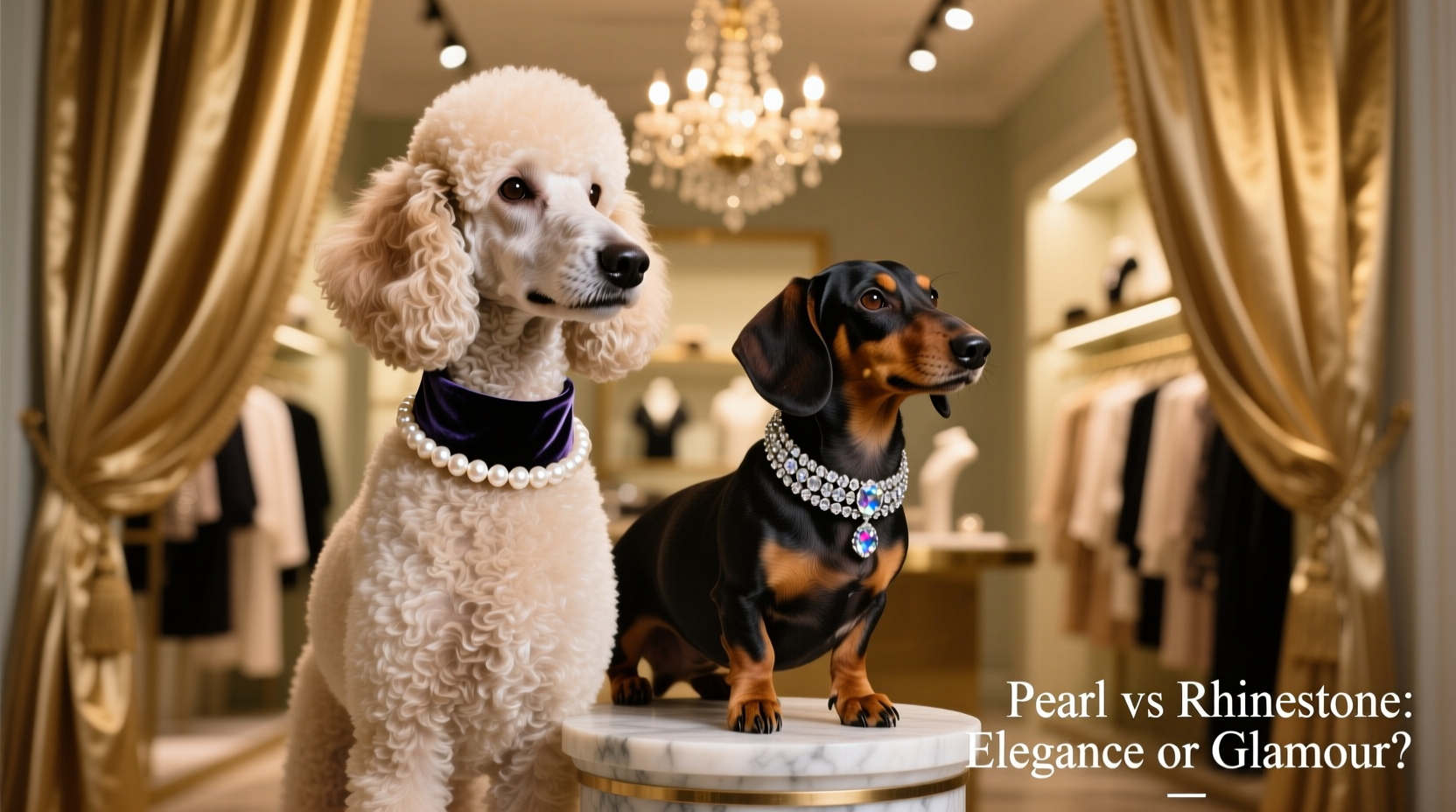
Pearls have long been associated with refinement, tradition, and quiet luxury. In human fashion, they symbolize grace—think Jacqueline Kennedy or Audrey Hepburn in Breakfast at Tiffany’s. When translated to dog apparel, pearls often appear on collars, leashes, and even embroidered into vests or coats. Their soft luster offers subtle shine rather than overt sparkle, making them ideal for formal occasions or minimalist designs.
Real pearls used in pet accessories are rare due to cost and fragility; most are simulated using materials like glass, resin, or ceramic coated to mimic natural iridescence. Even imitation pearls carry visual weight because of their cultural association with elegance. A pearl-studded collar on a poodle or shih tzu enhances breed characteristics often linked with poise and grooming precision.
Tip: Choose simulated pearls with a smooth, uniform finish to avoid chipping and maintain a polished look over time.Rhinestones: Glamour, Sparkle, and Statement-Making Appeal
Rhinestones, by contrast, are all about visibility and vibrance. Originally designed as imitations of diamonds, today’s rhinestones—typically made from crystal, acrylic, or glass—are engineered to refract light dramatically. Applied through heat-setting, stitching, or glue, they create eye-catching patterns on harnesses, bandanas, and holiday sweaters.
While pearls whisper, rhinestones sing. They’re popular in show dogs, pageant pets, and urban fashion scenes where standing out matters. Designers like Susan Lanci and Wild One incorporate rhinestones into bold color palettes, creating pieces that feel festive, playful, or edgy. However, this very boldness can be perceived as gaudy if not balanced with restraint.
High-quality rhinestones (such as Swarovski) offer superior clarity and durability, while cheaper alternatives may yellow or fall off after minimal use. This distinction plays a major role in whether rhinestone apparel feels luxurious or low-grade.
“Design isn’t just about materials—it’s about intention. A single strand of pearls can feel more opulent than a jacket covered in cheap crystals.” — Marcus Reed, Pet Fashion Designer & Former Accessories Editor at *Bark Magazine*
Comparing Class: Material, Craftsmanship, and Context
\"Classiness\" isn’t inherent to a material—it emerges from how it’s used. A poorly made pearl collar with uneven spacing and plastic beads won’t feel elegant, no matter the symbolism. Likewise, a well-designed rhinestone harness with precise alignment and premium backing fabric can radiate sophistication.
Consider context: a West Highland White Terrier in a pearl choker might suit a garden party, while the same dog in a crystal-encrusted vest could steal the spotlight at a pet parade. The setting, cut of the garment, and overall coordination determine perceived class more than the embellishment alone.
Quality Indicators for Each Type
| Feature | Pearl Apparel | Rhinestone Apparel |
|---|---|---|
| Shine Type | Soft, luminous glow | Bright, reflective sparkle |
| Durability | Moderate (prone to chipping if knocked) | Varies (high-quality crystals last years) |
| Care Needs | Wipe gently; avoid moisture | Avoid abrasion; hand clean only |
| Best For | Classic styles, formal events | Fashion statements, photoshoots |
| Price Range (Typical) | $30–$120 | $25–$200+ |
Real-World Example: The Show Circuit Dilemma
At the 2023 National Poodle Club Competition, two Standard Poodles stood out in the grooming category. Bella, a silver apricot, wore a white satin bow accented with simulated pearls. Luna, a black phantom, sported a cobalt-blue harness encrusted with navy-blue rhinestones. Judges praised Bella for her “refined presentation,” while Luna was described as “dazzling but slightly distracting.”
No winner was penalized for their choice—but the commentary revealed a bias toward subtlety in traditional settings. Conversely, at an Instagram-famous dog festival in Los Angeles the following month, Luna’s look went viral, racking up thousands of likes for its “bold energy.” Bella’s photo received polite praise but fewer engagements.
This contrast illustrates that classiness is audience-dependent. In conservative circles, pearls signal decorum. In trend-driven spaces, rhinestones represent confidence and creativity.
How to Choose Based on Your Dog’s Lifestyle
Ultimately, the decision shouldn’t hinge solely on perceived status but on practical fit. Ask yourself:
- Does your dog attend formal events or dog shows?
- Do you prioritize durability over daily glamour?
- Is your dog active outdoors, or mostly indoors?
- Are you aiming for timeless charm or seasonal fun?
Pearls suit dogs with calm temperaments and owners who value tradition. They work best on accessories worn briefly or protected from rough play. Rhinestones thrive on outgoing pets in urban environments or those frequently photographed. Just ensure the base garment is breathable and secure—no amount of sparkle compensates for discomfort.
Tip: Rotate flashy accessories. Save rhinestone gear for special outings and reserve pearls for dignified moments.Checklist: Choosing Between Pearl and Rhinestone Apparel
- Assess your dog’s activity level and environment
- Determine the primary use (daily wear, events, photos)
- Check material quality—avoid flimsy bases or loose attachments
- Match the style to your dog’s breed and personality
- Ensure comfort—no sharp edges or restrictive designs
- Consider maintenance needs (cleaning, storage)
- Evaluate budget—premium crystals or simulated pearls vary in price
FAQ: Pearl vs Rhinestone Dog Apparel
Can I mix pearls and rhinestones in one outfit?
Yes, but balance is key. Pair a rhinestone leash with a pearl collar only if colors and finishes complement each other. Over-layering risks looking cluttered. Stick to one dominant feature unless designing for a themed event.
Are real pearls ever used in dog accessories?
Rarely. Genuine pearls are expensive, fragile, and sensitive to moisture and chemicals—making them impractical for pets. Most “pearls” in dog fashion are high-grade simulants designed to replicate luster without the upkeep.
Do rhinestones hurt dogs if they fall off?
If ingested, loose rhinestones can pose a choking hazard or digestive risk. Always inspect garments before use. Sewn-on stones are safer than glued ones. If your dog chews or rubs against surfaces, avoid heavily studded items.
Final Thoughts: Class Isn’t in the Material—It’s in the Message
The debate over whether pearls or rhinestones are “classier” misses a deeper point: true elegance comes from intentionality. A $15 rhinestone collar slapped on haphazardly will never feel refined. But a thoughtfully curated ensemble—even with modest sparkle—can radiate confidence and care.
Pet fashion isn’t about mimicking human hierarchies of taste. It’s about celebrating companionship with creativity and joy. Whether you choose the serene glow of pearls or the electric shimmer of rhinestones, what matters most is that your dog feels loved, comfortable, and seen.
💬 What does classy mean to you when dressing your dog? Share your thoughts and photos in the comments—we’d love to see how you define pet elegance.








