Dryness in one eye—while seemingly minor—can significantly impact comfort, vision, and daily activities. Unlike generalized dry eye syndrome that affects both eyes, unilateral dryness raises specific concerns about underlying causes, from environmental exposure to neurological or anatomical issues. Understanding why only one eye feels dry, recognizing associated symptoms, and knowing which treatments are effective can prevent complications and improve quality of life.
Understanding Unilateral Dry Eye: Why Only One Eye?
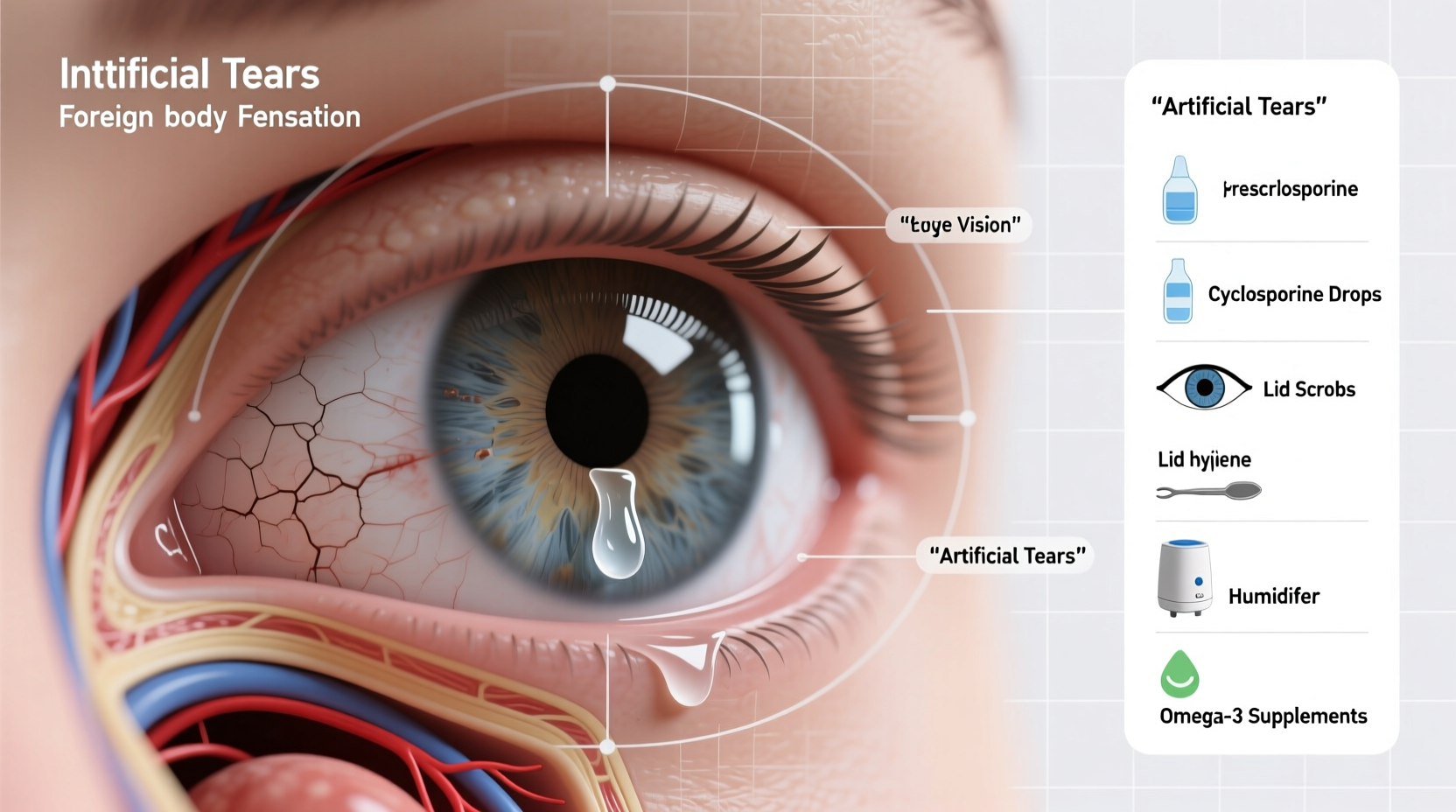
Dry eye typically occurs when the eye doesn’t produce enough tears or when tears evaporate too quickly. While it often affects both eyes symmetrically, experiencing dryness in just one eye suggests an imbalance influenced by localized factors. These may include structural abnormalities, nerve dysfunction, eyelid disorders, or external irritants targeting one side more than the other.
The tear film is a complex layer composed of oil, water, and mucus. Any disruption in this balance—especially in the meibomian glands responsible for oil secretion—can lead to rapid evaporation. In unilateral cases, the issue may stem from asymmetrical gland function, facial nerve involvement, or habitual behaviors such as sleeping on one side, which increases airflow and friction on a single eye.
Tip: Pay attention to your sleep position—if you consistently rest on one side, it may contribute to increased dryness in the lower eye due to air exposure and pressure.Common Causes of One-Eye Dryness
Several medical and lifestyle-related factors can cause dryness in a single eye. Identifying the root cause is essential for targeted treatment.
- Meibomian Gland Dysfunction (MGD): Blockage or poor function of oil-producing glands in the eyelids, often worse on one side.
- Blepharitis: Inflammation of the eyelid margins, frequently affecting one eye more severely.
- Facial Nerve Palsy (e.g., Bell’s Palsy): Weakness in facial muscles can impair blinking, leading to incomplete closure and increased tear evaporation in one eye.
- Exposure Keratopathy: Chronic exposure of the cornea due to eyelid retraction, trauma, or surgery.
- Environmental Irritants: Wind, dust, or air conditioning directed at one side of the face (e.g., car vents).
- Eye Surgery Complications: Post-LASIK or cataract surgery dryness may be asymmetric.
- Autoimmune Conditions: Sjögren’s syndrome can present asymmetrically in early stages.
- Habitual Eye Rubbing: Frequent rubbing of one eye can damage surface cells and disrupt tear distribution.
“Unilateral dry eye should never be dismissed as routine. It often signals an underlying anatomical or neurological condition requiring evaluation.” — Dr. Lena Patel, Corneal Specialist, Massachusetts Eye and Ear
Symptoms Associated with One-Eye Dryness
Symptoms may vary in intensity but typically affect only one eye, though mild discomfort in the opposite eye can occur due to compensatory strain. Key signs include:
| Symptom | Description | When to Worry |
|---|---|---|
| Burning or stinging | Sharp or persistent irritation localized to one eye | If lasting more than 48 hours without relief |
| Redness | Visible bloodshot appearance in one eye | If accompanied by pain or light sensitivity |
| Foreign body sensation | Feeling like sand or grit is under the eyelid | If worsening or interfering with vision |
| Blurred vision | Intermittent blurring that improves with blinking | If persistent or affecting both eyes |
| Watery eyes | Paradoxical tearing due to reflex response to dryness | If excessive or causing discharge |
It's important to note that reflex tearing—where a dry eye produces excess tears—is common. The lacrimal gland overcompensates for poor tear quality, but these tears lack proper composition and evaporate quickly.
Diagnosis and When to See a Doctor
Self-diagnosis can delay appropriate care. An ophthalmologist or optometrist can perform tests such as:
- Tear Break-Up Time (TBUT): Measures how quickly the tear film breaks down after a blink.
- Schirmer Test: Evaluates tear production using small paper strips placed under the lower lid.
- Ocular Surface Staining: Uses dyes like fluorescein to detect corneal damage.
- Lissamine Green or Rose Bengal Staining: Highlights damaged cells on the conjunctiva and cornea.
- Meibography: Imaging of meibomian glands to assess structure and dropout.
Seek immediate medical attention if you experience:
- Pain not relieved by lubricants
- Sudden vision changes
- Sensitivity to light (photophobia)
- Swelling or drooping of the eyelid
- Facial weakness or asymmetry
Treatment Options for One-Eye Dryness
Treatment depends on the underlying cause but generally follows a stepwise approach—from conservative measures to medical interventions.
Step-by-Step Guide to Managing One-Eye Dryness
- Use Preservative-Free Artificial Tears: Apply 3–4 times daily to the affected eye. Avoid products with vasoconstrictors (“get-the-red-out” drops).
- Apply Warm Compresses: 10 minutes twice daily to unclog meibomian glands. Use a clean cloth soaked in warm water or a reusable mask.
- Practice Lid Hygiene: Clean eyelids with diluted baby shampoo or commercial wipes to reduce blepharitis.
- Modify Environment: Use a humidifier, avoid direct airflow from fans or AC, and wear wraparound sunglasses outdoors.
- Consider Punctal Plugs: If diagnosed with low tear production, temporary or permanent plugs can help retain tears.
- Prescription Medications: Options include cyclosporine (Restasis), lifitegrast (Xiidra), or corticosteroid drops for inflammation.
- Treat Underlying Conditions: Address blepharitis, rosacea, or neurological issues contributing to dryness.
Mini Case Study: Resolving Asymmetric Dryness After Bell’s Palsy
Sarah, a 52-year-old teacher, noticed her right eye felt persistently dry and gritty six weeks after recovering from Bell’s palsy. She experienced difficulty keeping the eye closed while sleeping and frequent morning redness. Her optometrist diagnosed exposure keratopathy due to incomplete blink mechanism.
Her treatment plan included nighttime use of a moisture chamber goggles, preservative-free gels before bed, daytime artificial tears, and lid taping at night to reduce corneal exposure. Within three weeks, her symptoms improved significantly. Follow-up with a neuro-ophthalmologist confirmed partial facial nerve recovery, and she was advised to continue protective measures until full function returned.
Prevention Checklist
Reduce the risk of recurring or worsening dryness with this actionable checklist:
- ✅ Use a humidifier in dry indoor environments
- ✅ Wear wraparound sunglasses outdoors
- ✅ Take screen breaks every 20 minutes (20-20-20 rule)
- ✅ Avoid sleeping directly under ceiling fans or AC vents
- ✅ Practice daily lid hygiene if prone to blepharitis
- ✅ Stay hydrated and maintain omega-3 intake through diet or supplements
- ✅ Schedule annual eye exams, especially if over age 50
Frequently Asked Questions
Can dry eye affect just one eye?
Yes, although dry eye often affects both eyes, it can occur unilaterally due to localized factors such as eyelid abnormalities, nerve damage, uneven gland function, or environmental exposure. Persistent one-sided dryness warrants professional evaluation.
Why does my one eye feel dry but watery at the same time?
This paradoxical tearing happens because the eye senses dryness and triggers reflex tearing. However, these reflex tears lack the stable lipid layer needed to coat the eye properly, so they don’t provide lasting relief and often spill over.
Are there natural remedies for one-eye dryness?
Natural approaches include warm compresses, lid massage, increasing dietary omega-3 fatty acids (found in fish, flaxseeds, walnuts), staying hydrated, and reducing screen time. While helpful, they should complement—not replace—professional diagnosis and treatment when symptoms persist.
Conclusion: Take Action Before It Gets Worse
Dryness in one eye is more than a nuisance—it can signal deeper ocular or systemic issues. Ignoring it risks corneal damage, infection, or chronic discomfort. By understanding the causes, monitoring symptoms, and applying targeted treatments, you can preserve eye health and comfort. Don’t assume it’s “just dryness.” Early intervention makes all the difference.
💬 Have you experienced dryness in one eye? Share your story or tips in the comments—your insight could help someone find relief.








