Well-defined eyebrows frame the face and enhance natural beauty, making semi-permanent brow treatments increasingly popular. Among the most common options are microblading and traditional eyebrow tattoos. While both promise fuller, more symmetrical brows with minimal daily effort, their longevity and fading patterns differ significantly. Understanding these differences is crucial for anyone considering a long-term brow solution. The key question isn’t just about initial results—it’s about how well those results hold up over time.
Understanding Microblading: Technique and Process
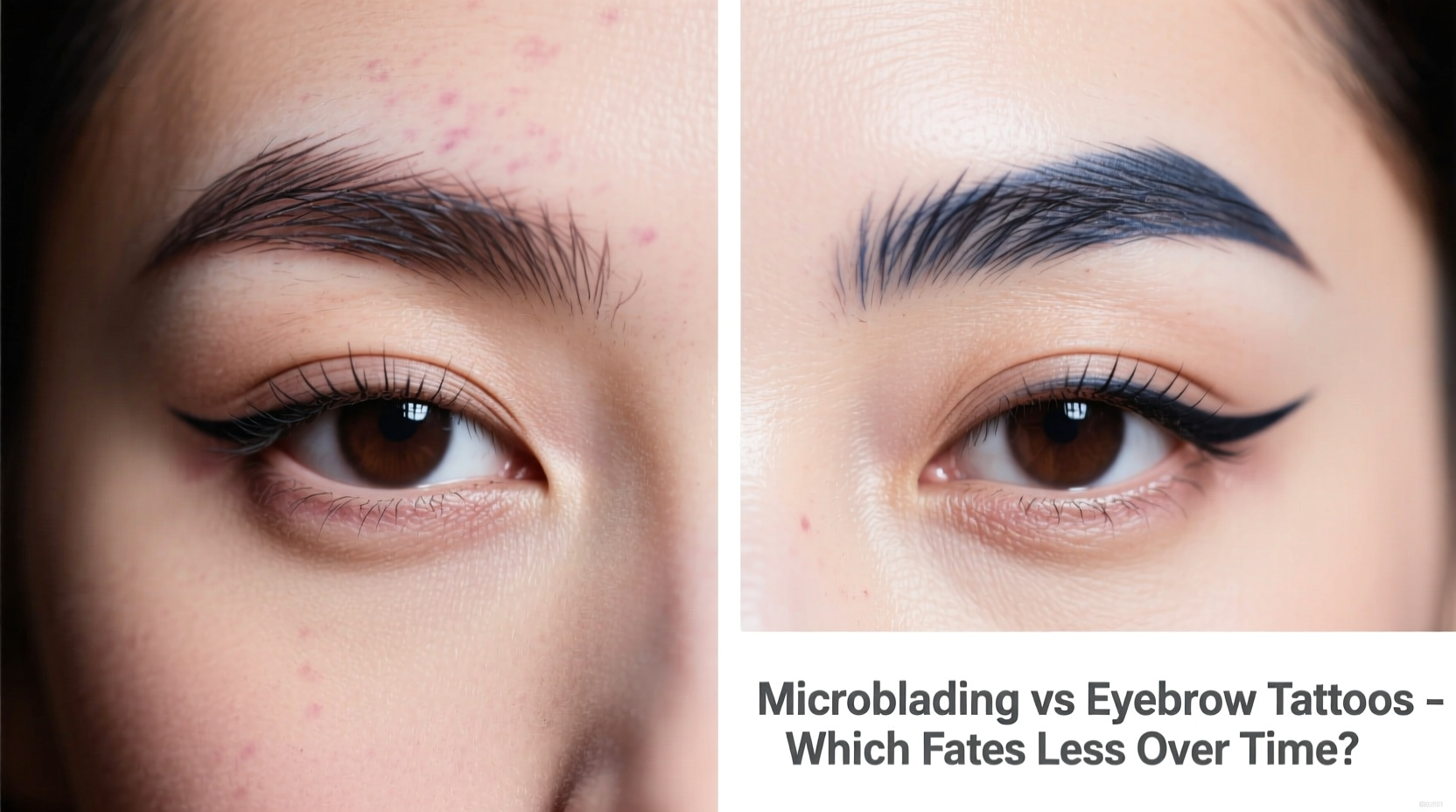
Microblading is a form of cosmetic tattooing that uses a handheld tool with fine needles to deposit pigment into the upper layers of the skin—specifically the epidermis. Unlike traditional tattooing, which penetrates deeper into the dermis, microblading creates hair-like strokes that mimic natural brow hairs. This method produces a soft, powdered, or 3D effect that appears more realistic than solid ink fills.
The process typically involves two sessions spaced 6–8 weeks apart. The first session outlines the desired shape and applies the pigment. The second session allows for touch-ups, color adjustments, and refinement of any strokes that may have healed unevenly. Because the pigment sits closer to the skin's surface, microblading is considered semi-permanent rather than permanent.
Tip: After your microblading session, avoid sweating, swimming, and direct sun exposure for at least 10 days to ensure optimal pigment retention.Traditional Eyebrow Tattoos: How They Work
Traditional eyebrow tattoos, also known as cosmetic or permanent makeup tattoos, use a machine-driven needle to implant pigment deep into the dermal layer of the skin. This method often results in a bolder, filled-in look similar to penciled brows. It can be used to create ombré, powder-brow, or even solid block shapes depending on client preference and technician skill.
Because the pigment is deposited deeper in the skin, traditional tattoos tend to last longer than microblading. However, this depth also makes them harder to correct if the color shifts or the shape becomes outdated. Older techniques sometimes resulted in blueish or ashy tones as pigments degraded, though modern pigments and equipment have reduced this risk significantly.
Unlike microblading, which fades gradually and evenly, traditional tattoos may fade unevenly or retain patches of pigment long after surrounding areas have lightened. Touch-ups are still recommended every 1–3 years, but the baseline longevity exceeds that of microblading in most cases.
Comparing Longevity: Which Fades Less Over Time?
When evaluating which brow treatment fades less, the answer leans decisively toward traditional eyebrow tattoos. Due to deeper pigment placement, they typically last between 2 to 5 years before requiring a significant refresh, compared to microblading’s 12 to 18-month lifespan.
Microblading fades faster because the pigment resides in the epidermis, which naturally sheds every 4–6 weeks. As new skin cells replace old ones, the pigment gradually breaks down and disperses. Sun exposure, skincare routines containing exfoliants (like AHAs, BHAs, or retinoids), and lifestyle factors such as frequent swimming accelerate this fading process.
In contrast, traditional tattoos embed pigment in the stable dermal layer, where cell turnover does not affect pigment integrity. While all permanent makeup will eventually fade due to UV exposure and immune system activity, the rate is much slower. Clients often report needing only one touch-up every few years to maintain vibrancy.
“Pigment depth is the biggest factor in longevity. Microblading is beautiful but superficial—literally. For lasting definition, traditional tattooing has superior staying power.” — Dr. Lena Torres, Board-Certified Dermatologist and Cosmetic Tattoo Advisor
Detailed Comparison: Microblading vs Eyebrow Tattoos
| Feature | Microblading | Traditional Eyebrow Tattoo |
|---|---|---|
| Pigment Depth | Epidermis (superficial) | Dermis (deep) |
| Longevity | 12–18 months | 2–5 years |
| Fading Pattern | Gradual, even fade | Slower, may fade unevenly |
| Natural Look | High (hair-stroke effect) | Moderate to high (depends on technique) |
| Suitable Skin Types | Normal to dry skin | All skin types, including oily and mature |
| Touch-Up Frequency | Every 12–18 months | Every 2–3 years |
| Risk of Blurring | Low to moderate | Moderate (especially with oily skin) |
| Initial Cost | $400–$800 | $500–$1,000 |
Factors That Influence Fading in Both Treatments
While technique and pigment depth are primary determinants of longevity, several external and biological factors influence how quickly either treatment fades:
- Skin Type: Oily skin tends to break down pigment faster, especially with microblading, as sebum can push pigment out over time.
- Sun Exposure: UV rays degrade pigment molecules. Daily sunscreen use on brows (when feasible) helps preserve color.
- Skincare Products: Exfoliating acids, retinoids, and chemical peels accelerate skin turnover, leading to faster fading.
- Lifestyle: Frequent sweating, swimming, or sauna use increases moisture exposure, which can disrupt healing and pigment retention.
- Aftercare Compliance: Proper post-procedure care—including avoiding water, sweat, and picking—is critical for both methods.
Mini Case Study: Sarah’s Brow Journey
Sarah, a 34-year-old marketing executive with combination skin, opted for microblading to enhance her sparse brows. She loved the natural, feathery look immediately after her second session. However, within 14 months, she noticed her brows had faded significantly, especially near the arches where her skin was oilier. “I didn’t realize my nightly retinol routine would affect my brows so much,” she said. “By month 16, they were barely visible.”
She consulted her technician again and switched to a traditional powder-brow tattoo. Two years later, her brows remain defined with only slight softening at the edges. “It’s not as hyper-realistic as microblading, but it lasts. I only need a touch-up now, maybe in another year.”
Sarah’s experience illustrates how individual factors—particularly skincare habits and skin type—can dramatically impact treatment longevity, even when starting with a popular method like microblading.
Step-by-Step Guide to Choosing the Right Treatment
- Assess Your Skin Type: If you have oily or mature skin, traditional tattooing may offer better pigment retention.
- Evaluate Your Lifestyle: Do you spend a lot of time outdoors? Are you prone to sweating? These factors favor deeper-pigment methods.
- Define Your Desired Look: Prefer natural hair strokes? Microblading excels here. Want bold, full coverage? Consider a powder fill.
- Research Qualified Technicians: Review portfolios, check certifications, and ensure they specialize in your chosen method.
- Commit to Aftercare: Follow all post-procedure instructions precisely to maximize pigment retention regardless of method.
- Plan for Maintenance: Budget for touch-ups every 1–3 years depending on your choice and skin response.
Expert Recommendations and Industry Trends
Cosmetic tattoo artists and dermatologists increasingly recommend hybrid techniques that combine microblading with shading or machine work to balance realism and durability. Known as “combination brows” or “microshading,” these approaches use hand tools for front strokes and machines for gradient fills, offering both dimension and extended wear.
Modern pigments are also evolving. Iron-oxide-based pigments used in traditional tattoos are more stable and less likely to shift in tone than older organic dyes. Meanwhile, microblading pigments are being reformulated to resist fading, though they still cannot match the staying power of deeper implants.
“The future of brows is customization. We’re moving away from one-size-fits-all solutions. Matching the technique to the client’s skin, lifestyle, and expectations is what delivers lasting satisfaction.” — Jasmine Reed, Master Cosmetic Tattoo Artist & Educator
Frequently Asked Questions
Does microblading turn blue or green over time?
Unlike old-school tattoos, modern microblading pigments are designed to avoid color shifts. However, improper pigment selection or excessive sun exposure can cause cool undertones to emerge. A skilled technician will choose warm-toned pigments that age gracefully into softer brown or taupe shades.
Can I get microblading if I have oily skin?
It’s possible, but not ideal. Oily skin increases the risk of pigment blurring and faster fading. Many technicians recommend powder brows or microshading for oily skin types, as machine-applied pigment holds better in sebum-rich environments.
Is one method more painful than the other?
Pain levels are generally similar, as both involve breaking the skin barrier. Topical numbing creams are used in both procedures. Some clients report microblading feels more “scratching,” while tattooing feels more “vibrating,” but discomfort varies by individual pain tolerance.
Final Thoughts and Call to Action
When comparing microblading and traditional eyebrow tattoos, the question of which fades less has a clear answer: traditional eyebrow tattoos win in terms of longevity. Their deeper pigment placement ensures longer-lasting results, requiring fewer touch-ups over time. However, microblading offers unmatched realism for those seeking a soft, natural finish and are willing to commit to regular maintenance.
The best choice depends not just on fading resistance, but on your skin type, aesthetic goals, and lifestyle. There is no universal “best” option—only the best option for you. Armed with knowledge about how each method works, how long it lasts, and what influences its lifespan, you can make an informed decision that enhances your beauty for years to come.
🚀 Ready to define your perfect brows? Consult a certified cosmetic tattoo artist today, discuss your skin and goals, and take the first step toward brows that elevate your everyday look.








