Experiencing a tingling sensation or loss of feeling in your leg can be unsettling. While occasional numbness may result from sitting too long in one position, persistent or recurring leg numbness often signals an underlying health issue. Understanding the root causes, available treatments, and warning signs that demand immediate attention is essential for protecting your long-term mobility and well-being.
Nerve function is complex, and disruptions can stem from mechanical pressure, systemic diseases, or neurological conditions. The good news is that many causes of leg numbness are treatable—especially when caught early. This guide breaks down the most frequent triggers, outlines evidence-based management strategies, and helps you recognize red flags that require urgent care.
Common Causes of Leg Numbness
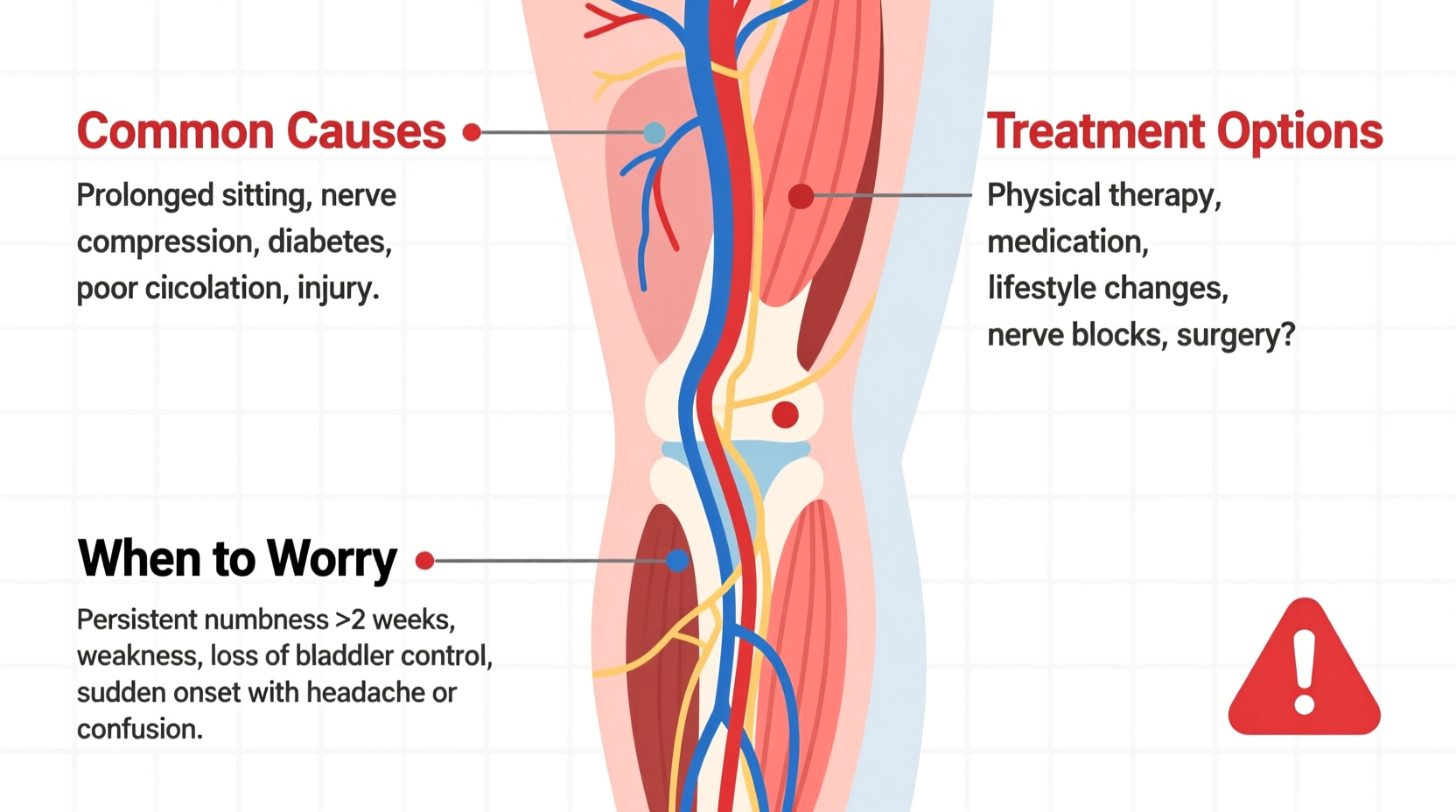
Leg numbness typically arises from interference with nerve signaling. These disruptions can originate locally in the leg or stem from issues along the spinal pathway. The most prevalent causes include:
- Pinched nerves in the lower back: Herniated discs or spinal stenosis can compress nerves exiting the lumbar spine, leading to sciatica—a condition characterized by radiating pain, tingling, or numbness down the leg.
- Prolonged pressure on nerves: Sitting with legs crossed or wearing tight clothing can temporarily block nerve signals, causing transient numbness.
- Diabetes (diabetic neuropathy): Chronically high blood sugar damages peripheral nerves, often starting in the feet and progressing upward.
- Vitamin deficiencies: Low levels of B12, B6, or E impair nerve function and regeneration, contributing to sensory disturbances.
- Multiple sclerosis (MS): An autoimmune disorder affecting the central nervous system, MS can cause unpredictable episodes of numbness due to demyelination of nerve fibers.
- Peripheral artery disease (PAD): Reduced blood flow to the legs not only causes cramping but can also lead to numbness due to inadequate oxygen supply to nerves.
- Alcohol-related neuropathy: Chronic alcohol use can directly damage nerves and deplete essential nutrients like thiamine.
Treatment Options Based on Cause
Effective treatment depends on accurately identifying the underlying cause. A symptom-focused approach without diagnosis may delay recovery or worsen outcomes. Below is a breakdown of targeted interventions:
| Cause | Treatment Approach | Expected Timeline for Improvement |
|---|---|---|
| Herniated Disc / Sciatica | Physical therapy, NSAIDs, epidural injections; surgery if severe | Weeks to months with conservative care |
| Diabetic Neuropathy | Blood sugar control, medications (e.g., gabapentin), foot care | Gradual improvement over months; prevention is key |
| Vitamin B12 Deficiency | Supplementation via oral or injectable forms | Symptoms may improve within weeks |
| Multiple Sclerosis | Disease-modifying therapies, corticosteroids, physical rehab | Variable; requires long-term neurology management |
| Peripheral Artery Disease | Lifestyle changes, statins, antiplatelets, possible revascularization | Improvement with circulation restoration |
“Numbness isn’t just a nuisance—it’s your body’s way of signaling nerve dysfunction. Early intervention can prevent irreversible damage.” — Dr. Alan Reyes, Neurologist at Boston Spine Institute
When to Worry: Red Flags Requiring Immediate Care
Most cases of leg numbness develop gradually and are manageable. However, certain symptoms indicate potentially serious conditions such as stroke, spinal cord compression, or cauda equina syndrome. Seek emergency medical attention if you experience:
- Sudden onset of numbness affecting both legs or spreading rapidly
- Loss of bladder or bowel control
- Severe lower back pain accompanied by leg weakness
- Inability to walk or stand without assistance
- Numbness following a traumatic injury (e.g., fall or car accident)
Cauda equina syndrome, though rare, is a surgical emergency involving compression of the nerve bundle at the base of the spinal cord. Delayed treatment can result in permanent paralysis or incontinence. MRI imaging is critical for prompt diagnosis.
Mini Case Study: Recognizing a Silent Warning
Jamal, a 54-year-old warehouse supervisor, began noticing tingling in his right foot six months ago. He dismissed it as “just from standing all day.” Over time, the numbness climbed up his calf, and he started tripping more frequently. After developing mild urinary urgency, he visited a neurologist. Testing revealed lumbar spinal stenosis with significant nerve compression. Following decompression surgery and physical therapy, Jamal regained sensation and stability. His case underscores how gradual symptoms can mask serious structural issues—and why timely assessment matters.
Step-by-Step Guide to Managing Leg Numbness at Home
If your doctor has ruled out emergencies and confirmed a non-urgent cause, consider this structured self-care plan:
- Monitor symptoms daily: Note when numbness occurs, its duration, and any triggers (e.g., walking, sitting).
- Improve posture and ergonomics: Use lumbar support while sitting, avoid crossing legs, and adjust workstation height.
- Engage in gentle movement: Walking, swimming, or yoga can enhance circulation and reduce nerve pressure.
- Manage chronic conditions: Keep blood sugar, cholesterol, and blood pressure under control through medication and lifestyle.
- Take prescribed supplements: Especially B-complex vitamins if deficiency is suspected.
- Avoid alcohol and smoking: Both exacerbate nerve damage and impair healing.
- Follow up with specialists: Regular visits with a neurologist, endocrinologist, or physical therapist as needed.
Prevention Checklist
Reduce your risk of recurrent or worsening leg numbness with these proactive steps:
- ✅ Maintain a healthy weight to reduce stress on the spine and improve metabolic health
- ✅ Exercise regularly to support nerve circulation and core strength
- ✅ Eat a balanced diet rich in B vitamins, antioxidants, and omega-3 fatty acids
- ✅ Control diabetes and hypertension with regular monitoring and medication adherence
- ✅ Avoid prolonged immobility—take breaks every 30–60 minutes if sitting or standing
- ✅ Wear properly fitting shoes and avoid high heels or restrictive footwear
Frequently Asked Questions
Can stress cause leg numbness?
While stress doesn’t directly damage nerves, it can amplify physical sensations and contribute to muscle tension that presses on nerves. Hyperventilation during anxiety attacks may also cause temporary tingling due to altered carbon dioxide levels. However, persistent numbness should never be assumed to be stress-related without medical evaluation.
Is leg numbness a sign of a heart attack or stroke?
Leg numbness alone is not typical of a heart attack. However, sudden numbness—especially on one side of the body, accompanied by facial drooping, slurred speech, or arm weakness—can signal a stroke. If symptoms appear abruptly, call emergency services immediately.
Should I see a neurologist for leg numbness?
If your primary care provider suspects a nerve or spinal issue, they will likely refer you to a neurologist or spine specialist. Diagnostic tools such as EMG (electromyography), nerve conduction studies, or MRI scans may be used to pinpoint the source.
Conclusion: Take Action Before It’s Too Late
Leg numbness should never be ignored—even if it seems minor at first. Whether stemming from a compressed nerve, systemic illness, or nutritional gap, early recognition and targeted treatment can halt progression and restore normal function. Many patients wait too long to seek help, assuming symptoms will resolve on their own. But nerves heal slowly, and delays can lead to permanent deficits.
You have the power to protect your mobility and quality of life. Pay attention to your body’s signals, advocate for thorough testing, and commit to sustainable health habits. If something feels off, trust your instincts and schedule a consultation. Your future self will thank you.
💬 Have you experienced leg numbness? Share your story or questions below. Your insight could help someone recognize their symptoms earlier.








