Bringing a new kitten home is an exciting experience, but it also comes with responsibility—especially when health issues arise. Diarrhea in kittens is more than just an inconvenience; it can signal underlying illness and quickly lead to dehydration, a life-threatening condition in young cats. Understanding the causes, knowing how to respond at home safely, and recognizing when professional help is needed can make all the difference in your kitten’s recovery and long-term well-being.
Common Causes of Kitten Diarrhea
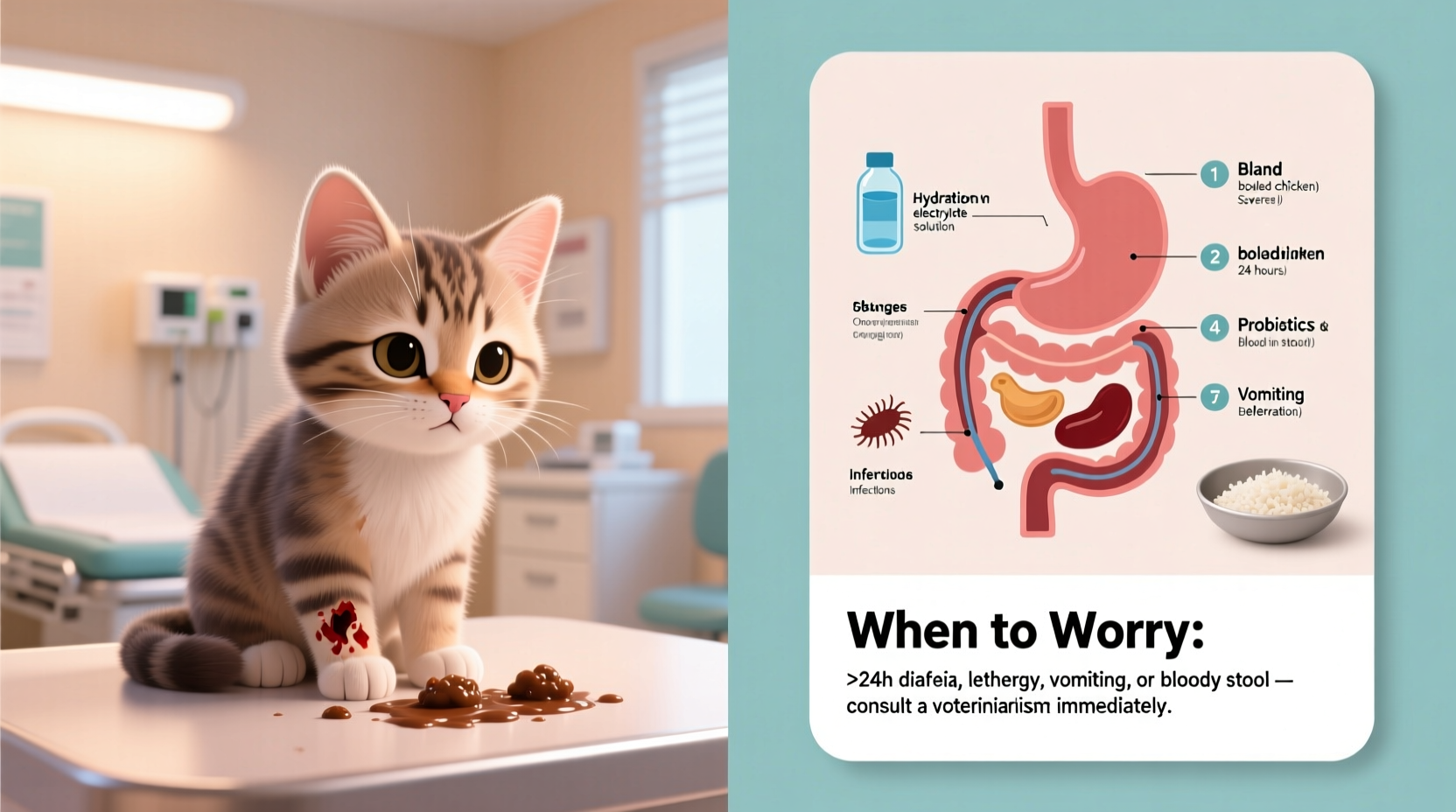
Kittens have developing immune systems and sensitive digestive tracts, making them prone to gastrointestinal upset. Several factors can trigger diarrhea, ranging from mild to severe:
- Dietary changes or indiscretion: Sudden switch in food, overfeeding, or eating spoiled food or non-food items (like plants or litter).
- Parasites: Intestinal worms such as roundworms, hookworms, and protozoa like coccidia and giardia are frequent culprits, especially in outdoor or shelter kittens.
- Viral infections: Feline panleukopenia (distemper), feline coronavirus, or feline leukemia virus can cause severe diarrhea and systemic illness.
- Bacterial imbalances: Overgrowth of harmful bacteria such as Salmonella or Clostridium due to poor gut health or antibiotic use.
- Stress: Moving to a new home, loud environments, or separation anxiety can disrupt digestion.
- Underlying medical conditions: Congenital defects, food allergies, or inflammatory bowel disease (rare but possible).
Home Treatment Options (When It's Safe)
Mild, short-lived diarrhea in an otherwise bright, playful, and hydrated kitten may resolve with simple supportive care. However, caution is essential—kittens can deteriorate rapidly.
- Withhold food for 12 hours (not longer): This gives the digestive tract time to rest. Continue offering fresh water during this period.
- Reintroduce bland food: After fasting, feed small amounts of boiled white meat chicken (no seasoning) mixed with plain rice or baby food (meat-based, no onion or garlic).
- Hydration support: Offer unflavored Pedialyte diluted 50/50 with water to replenish electrolytes. Use a syringe if necessary, but gently.
- Probiotics: Veterinarian-approved feline probiotics can help restore healthy gut flora. Avoid human products unless directed by a vet.
- Monitor closely: Track stool frequency, consistency, and overall behavior every few hours.
| Do | Don't |
|---|---|
| Offer small sips of water or electrolyte solution frequently | Give cow’s milk or sugary drinks |
| Feed bland, easily digestible meals in small portions | Force-feed or give rich, fatty foods |
| Keep the environment quiet and stress-free | Use over-the-counter medications like Pepto-Bismol (can be toxic) |
| Contact your vet if symptoms persist beyond 24 hours | Delay veterinary care if the kitten seems weak or dehydrated |
When to Worry: Red Flags Requiring Immediate Care
Because kittens have limited reserves, even brief episodes of diarrhea can become dangerous. Seek veterinary attention immediately if you observe any of the following:
- Diarrhea lasting more than 24 hours
- Bloody or black tarry stools
- Vomiting alongside diarrhea
- Lethargy, weakness, or refusal to stand
- Signs of dehydration: dry gums, sunken eyes, skin that tents when pinched
- Loss of appetite for more than 12 hours
- Fever (over 103°F or 39.4°C)
- Weight loss or failure to gain weight
“Kittens can go from seemingly fine to critical in under 12 hours. If diarrhea persists or the kitten isn’t acting normal, assume it’s serious until proven otherwise.” — Dr. Lena Reyes, DVM, Feline Internal Medicine Specialist
Real Example: A Case of Parasitic Diarrhea
Sophie, a 9-week-old tabby adopted from a local shelter, developed loose, foul-smelling stools two days after arriving at her new home. Her owners initially attributed it to stress but noticed she was less active and had begun vomiting. They brought her to the vet, where a fecal test revealed coccidia—a common parasite in young cats. The veterinarian prescribed a course of antiprotozoal medication and subcutaneous fluids for dehydration. With strict adherence to treatment and isolation from other pets, Sophie recovered fully within 10 days. Early intervention prevented complications and potential spread to other animals in the household.
Step-by-Step Guide to Managing Kitten Diarrhea
If your kitten develops diarrhea, follow this timeline to determine the appropriate response:
- Hour 0–4: Observe frequency, color, and consistency of stool. Note energy level, appetite, and hydration status.
- Hour 4–12: Begin fasting (if no vomiting), offer small amounts of water or electrolyte solution. Keep the kitten warm and quiet.
- Hour 12–24: Reintroduce bland food in teaspoon-sized portions every 2–3 hours. Watch for improvement or worsening.
- After 24 hours: If diarrhea continues, contact your veterinarian. Do not wait for additional symptoms.
- Vet visit: Be prepared to provide a fecal sample, details about diet, recent changes, and behavior observations.
Prevention Tips for a Healthy Digestive System
While not all cases of diarrhea can be prevented, many can be minimized through proactive care:
- Stick to high-quality, age-appropriate kitten food and avoid table scraps.
- Vaccinate on schedule and deworm as recommended by your vet (typically every 2 weeks starting at 2–3 weeks old).
- Practice good hygiene: clean litter boxes daily and wash food/water bowls regularly.
- Limit exposure to unknown animals until vaccinations are complete.
- Reduce environmental stressors with consistent routines and safe spaces.
FAQ
Can I give my kitten yogurt for diarrhea?
Plain, unsweetened yogurt with live active cultures may help some kittens due to beneficial bacteria. However, many cats are lactose intolerant, so it can worsen diarrhea. Only offer a tiny amount (less than a teaspoon) and discontinue if symptoms increase. Vet-formulated probiotics are safer and more reliable.
Is it normal for kittens to have soft stools after changing food?
Minor stool changes can occur during transitions, but true diarrhea (watery, frequent, or bloody) is not normal. Always transition foods gradually over 5–7 days and monitor closely. If soft stools persist beyond 48 hours, consult your vet.
How do I check for dehydration in my kitten?
Gently lift the skin at the back of the neck. In a well-hydrated kitten, it snaps back immediately. If it stays tented or returns slowly, dehydration is likely. Also check for dry, sticky gums and sunken eyes. These are emergency signs.
Conclusion: Act Early, Protect Their Future Health
Kitten diarrhea should never be dismissed as a minor issue. What begins as a simple digestive upset can escalate into a life-threatening condition within hours. By understanding the causes, applying safe home care when appropriate, and knowing when to seek professional help, you empower yourself to protect your kitten’s fragile health. Prevention, vigilance, and timely action are the cornerstones of responsible pet ownership. Your kitten depends on you—not just for love and comfort, but for quick, informed decisions when something goes wrong.
💬 Have experience with kitten diarrhea? Share your story or questions in the comments—your insight could help another pet owner act faster and save a life.








