
Dog owners today are more invested than ever in their pets' nutrition. With a surge in interest around natural and whole-food diets, raw feeding has gained popularity as a perceived \"healthier\" alternative to traditional kibble. Advocates claim improved coat quality, cleaner teeth, and higher energy levels. But what does veterinary science actually say? Is raw feeding truly superior to kibble, or are we swayed by anecdotal evidence and marketing claims? This article dives into the vet-backed facts, risks, benefits, and practical considerations of both feeding methods.
The Rise of Raw Feeding: What It Involves
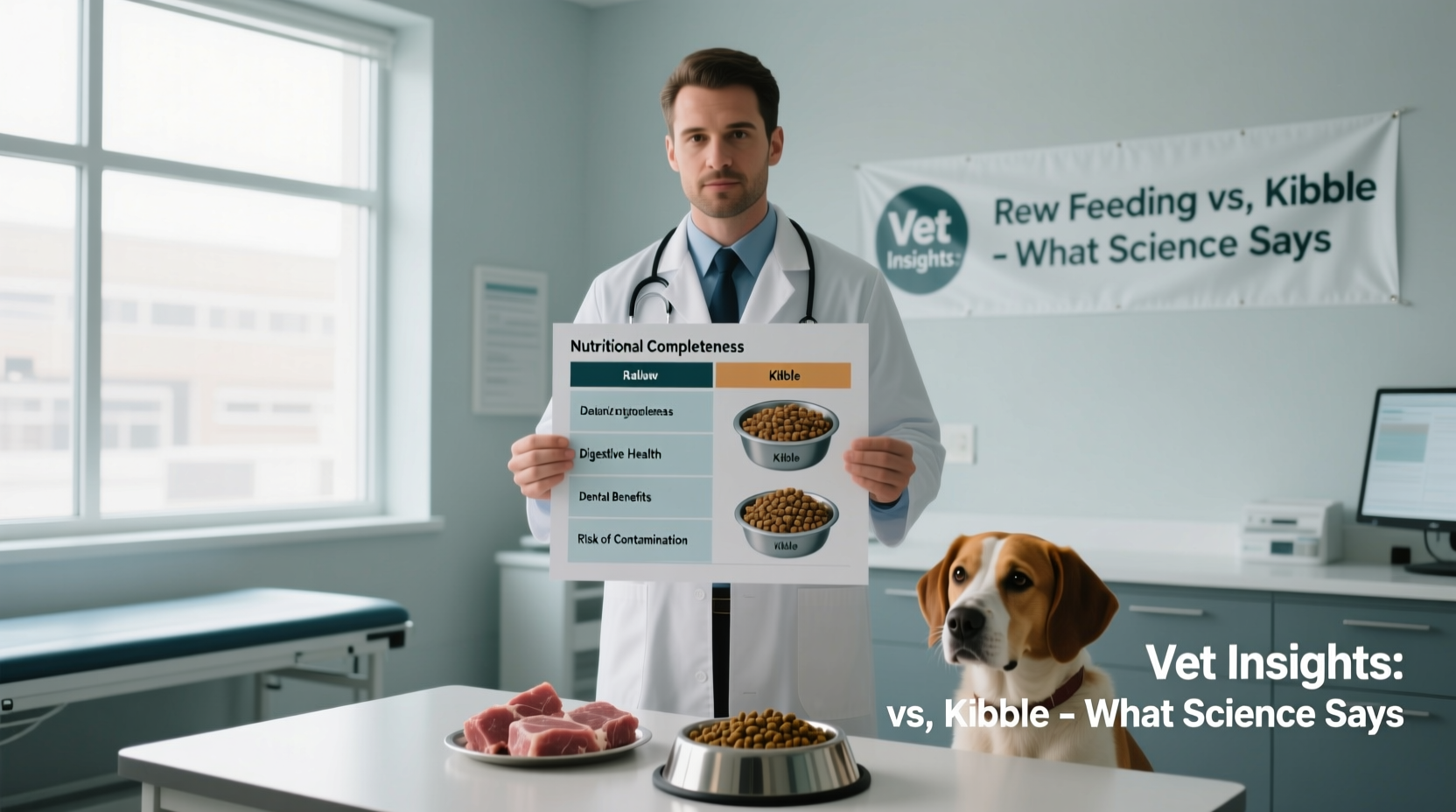
Raw feeding typically consists of uncooked meat, bones, organs, and sometimes fruits, vegetables, and supplements. The most common form is the BARF diet (Biologically Appropriate Raw Food), which aims to mimic what dogs might eat in the wild. Proponents argue that dogs evolved as carnivores and are better suited to raw diets than processed foods.
A typical raw meal may include:
- Lean muscle meat (chicken, beef, turkey)
- Edible bones (like chicken necks or wings)
- Organ meats (liver, kidney, heart)
- Small amounts of plant matter (berries, leafy greens)
- Supplements (fish oil, calcium if needed)
While some pet owners prepare meals at home, others opt for commercially available frozen or freeze-dried raw options, which offer convenience and standardized nutrition.
Tip: If preparing raw food at home, always follow strict hygiene practices—use separate cutting boards, sanitize surfaces, and store ingredients properly to reduce bacterial contamination.Veterinary Perspective on Raw Diets: Benefits and Concerns
Veterinarians are divided on raw feeding. While some support it under careful supervision, many express significant concerns about safety, nutritional balance, and public health.
“While some dogs thrive on raw diets, the risks of bacterial contamination and nutritional imbalances are real and well-documented.” — Dr. Laura Greensmith, DVM, Board-Certified Veterinary Nutritionist
Potential Benefits Cited by Supporters:
- Improved coat and skin condition due to higher omega fatty acid content
- Firmer, smaller stools with less odor
- Increased energy and alertness in some dogs
- Better dental health from chewing raw bones (though this is debated)
Major Concerns Raised by Veterinarians:
- Bacterial contamination: Raw meat can carry Salmonella, E. coli, and Listeria, posing risks to both pets and humans.
- Nutritional imbalances: Homemade raw diets often lack essential nutrients like calcium, phosphorus, or vitamins unless carefully formulated.
- Choking or internal injury: Bones can splinter, causing obstructions or perforations.
- Zoonotic disease transmission: Handling raw pet food increases risk of infection, especially for children, elderly, or immunocompromised individuals.
Kibble: More Than Just Processed Filler?
Kibble has long been the standard in dog nutrition, but it's often criticized as being too processed or containing fillers. However, modern commercial kibble is formulated based on extensive research and must meet AAFCO (Association of American Feed Control Officials) standards for complete and balanced nutrition.
High-quality kibble offers several advantages:
- Consistent nutrient profile batch after batch
- Long shelf life and ease of storage
- Cost-effective compared to raw diets
- Reduced risk of bacterial exposure
- Formulated for life stages (puppy, adult, senior) and medical conditions (kidney disease, allergies)
That said, not all kibble is created equal. Lower-end brands may use excessive grains, by-products, or artificial preservatives. But premium kibbles now feature high animal-protein content, limited ingredients, and added probiotics or joint support—bridging the gap between convenience and quality.
Raw vs. Kibble: A Side-by-Side Comparison
| Factor | Raw Feeding | Kibble |
|---|---|---|
| Nutritional Balance | Varies; often requires supplementation | Generally balanced (if AAFCO-approved) |
| Safety | Risk of bacterial contamination | Low risk when stored properly |
| Convenience | Time-consuming preparation/storage | Easy to serve and store |
| Cost | High ($5–$10+ per day) | Moderate ($1–$4 per day) |
| Dental Health | Anecdotal improvement; bones may clean teeth but pose risks | Dry texture may reduce plaque buildup |
| Stool Volume | Smaller, less frequent stools | Larger, more frequent stools |
Real-World Case: Max, a 4-Year-Old Labrador on a Raw Diet
Max’s owner, Sarah, switched him to a homemade raw diet after noticing chronic ear infections and dull coat on kibble. She began feeding a mix of ground turkey, beef liver, eggs, and crushed bone, supplemented with fish oil and kelp. Within six weeks, Max’s coat became shinier, his energy increased, and his vet noted improved skin health.
However, during a routine fecal test, Max tested positive for Salmonella shedding—despite showing no symptoms. His family, including a toddler, was advised to practice extreme hygiene. After consulting a veterinary nutritionist, Sarah transitioned to a commercial raw diet with pathogen-reduction processing, which maintained benefits while lowering risk.
This case illustrates both the potential upsides and hidden dangers of raw feeding—even when done with good intentions.
How to Make an Informed Decision: A Step-by-Step Guide
Choosing between raw and kibble shouldn’t be based on trends or testimonials alone. Follow this vet-recommended process to make a safe, personalized decision:
- Evaluate your dog’s health status: Dogs with weakened immune systems, pancreatitis, or digestive issues may not tolerate raw diets well.
- Consult your veterinarian or a board-certified veterinary nutritionist: Get professional input before making major dietary changes.
- Assess your lifestyle: Do you have time to prepare meals, handle raw meat safely, and manage frozen storage?
- Research commercial options: If considering raw, look for companies that conduct bacterial testing, follow AAFCO guidelines, and use high-pressure processing (HPP) to reduce pathogens.
- Monitor closely after switching: Watch for changes in stool, energy, weight, and behavior. Schedule follow-up blood work if transitioning long-term.
- Reassess regularly: A diet that works at age two may not suit a senior dog. Adjust as needed.
Common Misconceptions About Dog Diets
Several myths persist in the pet nutrition space, often fueled by social media influencers rather than scientific evidence.
- Myth: “Dogs need to eat raw because they’re carnivores.”
Reality: Dogs are omnivores with adaptations for digesting starches and cooked foods. Their ability to thrive on varied diets includes processed foods. - Myth: “Kibble causes cancer or diabetes.”
Reality: No credible study links high-quality kibble to these diseases. Obesity and genetics play far larger roles. - Myth: “Commercial raw diets are completely safe.”
Reality: Even HPP-treated raw food isn't sterile. Studies show some products still contain detectable pathogens. - Myth: “If my dog likes raw food, it must be healthier.”
Reality: Palatability doesn’t equal nutritional superiority. Many dogs prefer fatty, smelly foods regardless of health impact.
Expert Checklist: Is Raw Feeding Right for Your Dog?
Use this checklist to evaluate whether raw feeding aligns with your dog’s needs and your household’s capabilities:
- ☐ My dog has no underlying health conditions that contraindicate raw diets (e.g., immune suppression)
- ☐ I can afford the higher cost of raw feeding long-term
- ☐ I have access to reliable sources of safe, high-quality raw pet food
- ☐ I’m willing to follow strict food safety protocols (handwashing, surface disinfection, etc.)
- ☐ I’ve consulted my vet or a veterinary nutritionist
- ☐ I’m prepared to monitor my dog’s health closely and adjust as needed
- ☐ There are no high-risk individuals (young children, elderly, immunocompromised) regularly exposed to my dog’s food or saliva
Frequently Asked Questions
Can puppies eat raw food?
Some breeders feed raw diets to puppies, but there are significant risks. Puppies have developing immune systems and higher nutritional demands. Improperly balanced raw diets can lead to skeletal abnormalities, particularly from incorrect calcium-to-phosphorus ratios. If considering raw for a puppy, work with a veterinary nutritionist to ensure proper formulation.
Does raw feeding improve dental health?
While chewing raw bones may reduce plaque mechanically, it also carries risks of tooth fractures, gum lacerations, and intestinal blockages. Most veterinary dentists recommend dental chews, brushing, or veterinary cleanings over raw bones for oral health.
Are there hybrid options between raw and kibble?
Yes. Many owners use a mixed approach—adding freeze-dried raw toppers to kibble or feeding raw meals a few times a week. This can combine variety and palatability with the safety and balance of kibble. Just ensure the overall diet remains nutritionally complete.
Final Thoughts: Prioritizing Safety, Science, and Individual Needs
There is no one-size-fits-all answer to whether raw feeding is healthier than kibble. For some dogs and owners, raw diets offer noticeable benefits when implemented safely and correctly. For others, high-quality kibble provides a balanced, convenient, and lower-risk option.
The key is moving beyond ideology and focusing on evidence-based decisions. Work with your veterinarian. Read labels. Understand the trade-offs. And remember: the best diet for your dog is one that supports their long-term health, fits your lifestyle, and minimizes preventable risks.
💬 Have experience with raw feeding or kibble? Share your story or questions in the comments—your insights could help other pet owners make informed choices!








