
Essential oils have surged in popularity for their natural fragrance and therapeutic benefits. From lavender to eucalyptus, many households use diffusers daily to promote relaxation, improve air quality, or support wellness. However, what’s safe for humans isn’t always safe for our animal companions. For pet owners, the growing trend of aromatherapy raises a critical question: Is it safe to use essential oils around pets in diffusers?
The answer isn’t a simple yes or no. While some essential oils can be used cautiously under specific conditions, many pose serious health risks to cats, dogs, birds, and small mammals. The sensitivity of different species varies widely, and even minimal exposure can lead to respiratory distress, liver damage, or neurological issues. Understanding these risks—and how to mitigate them—is essential for responsible pet care.
Why Essential Oils Can Be Dangerous for Pets
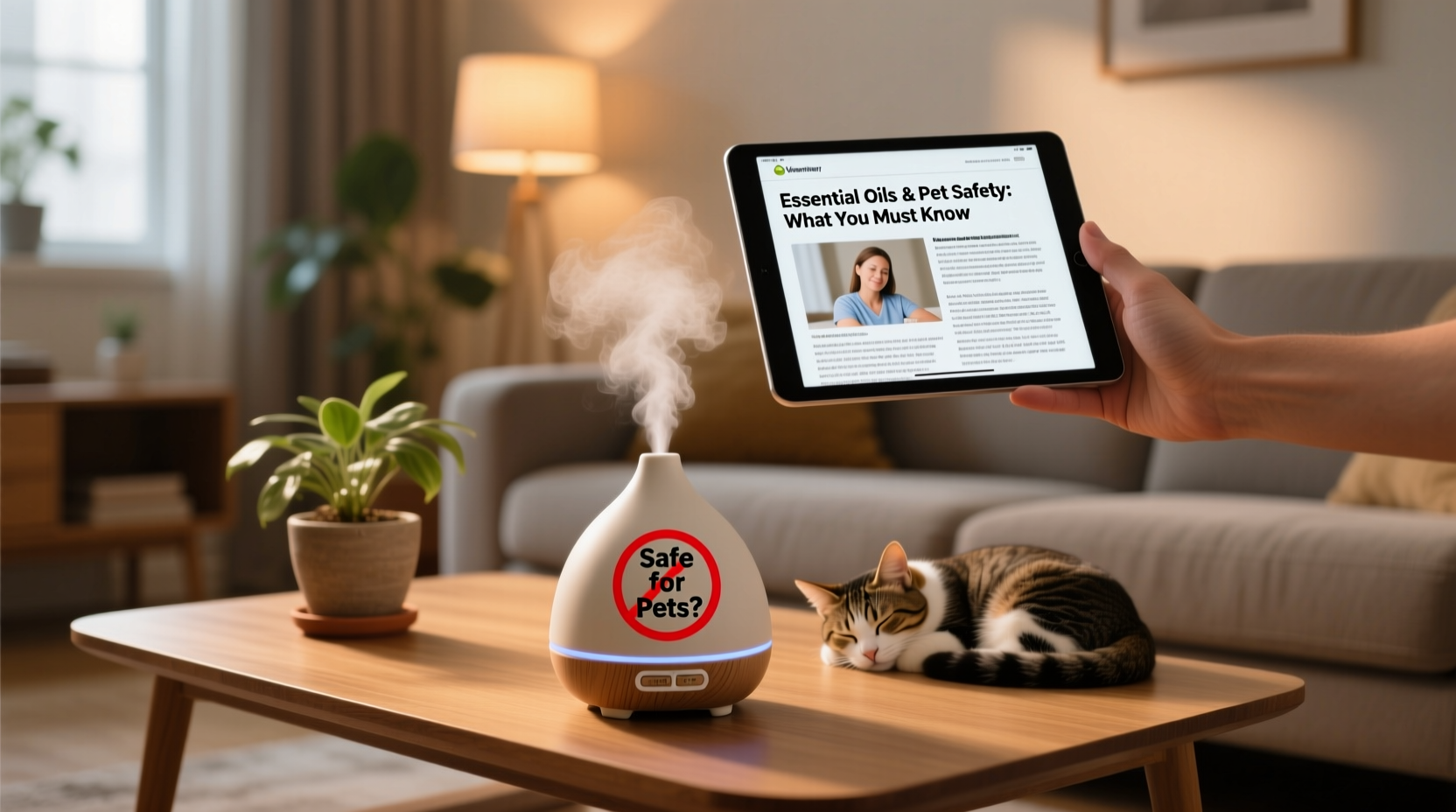
Pets process chemicals differently than humans. Their livers lack certain enzymes needed to metabolize compounds found in essential oils, particularly phenols and terpenes. Cats, for example, are especially vulnerable because they have low levels of glucuronyl transferase, an enzyme crucial for detoxifying substances. This biological limitation makes them prone to poisoning from common oils like tea tree, citrus, and peppermint.
Dogs, while more resilient than cats, still face significant risks. Their keen sense of smell means that concentrated scents can overwhelm their olfactory system, leading to stress or aversion. Birds, with their highly efficient respiratory systems, are among the most sensitive. Even brief exposure to diffused oils can cause breathing difficulties, organ failure, or sudden death due to their delicate lung structure.
Small mammals such as rabbits, guinea pigs, and hamsters also suffer from inhalation toxicity. These animals rely on stable environmental conditions, and airborne irritants disrupt their fragile respiratory balance. Because essential oils are volatile organic compounds (VOCs), they linger in the air and settle on surfaces—places where pets may groom themselves and inadvertently ingest harmful residues.
“Many essential oils contain compounds that are hepatotoxic or neurotoxic to pets, especially when inhaled over time.” — Dr. Sarah Wooten, DVM, Veterinary Advisor at Pumpkin Pet Insurance
Essential Oils That Are Toxic to Common Pets
Not all essential oils are created equal when it comes to pet safety. Some are outright dangerous, while others may be tolerated in very limited circumstances. Below is a summary of commonly used oils and their risk level across species.
| Essential Oil | Cats | Dogs | Birds | Small Mammals |
|---|---|---|---|---|
| Tea Tree (Melaleuca) | High Risk | Moderate Risk | High Risk | High Risk |
| Lavender | Caution | Low Risk (Diluted) | High Risk | Caution |
| Eucalyptus | High Risk | High Risk | High Risk | High Risk |
| Peppermint | High Risk | Caution | High Risk | High Risk |
| Lemon / Citrus | High Risk | Caution | High Risk | High Risk |
| Chamomile | Low Risk (Rarely) | Low Risk | Caution | Caution |
| Rosemary | Caution | Caution | High Risk | Caution |
This table highlights that there is no universal “safe” oil. Even oils considered mild for dogs can be hazardous to birds or toxic if inhaled continuously by cats. Always assume risk until proven otherwise through veterinary consultation.
Tip: If you must diffuse, choose only oils labeled as pet-safe by veterinary sources, use short durations (15–30 minutes), and ensure pets can leave the room freely.Real-Life Scenario: A Cautionary Case
In Colorado Springs, a cat owner named Jenna began using a lavender and lemon diffuser to freshen her home after adopting a rescue kitten. Within two days, the kitten became lethargic, stopped eating, and developed tremors. She rushed the cat to the emergency vet, where blood tests revealed elevated liver enzymes consistent with essential oil toxicity. Despite treatment, the kitten required weeks of supportive care before fully recovering.
The veterinarian traced the issue back to the diffuser. Although lavender is sometimes marketed as calming, its phenolic compounds overwhelmed the kitten’s immature liver. Lemon oil added further irritation due to high limonene content. The family discontinued all diffusing and switched to pet-safe air purifiers. Today, the cat is healthy—but the experience was a wake-up call about assuming safety based on human use.
This case illustrates how quickly things can go wrong—even with oils perceived as gentle. It also underscores the importance of monitoring pets closely when introducing new household products.
Safe Practices for Using Diffusers Around Pets
If you’re committed to using essential oils but share your space with pets, strict precautions are non-negotiable. The goal isn’t elimination of risk but reduction to the lowest possible level. Follow this step-by-step guide to minimize harm:
- Consult Your Veterinarian First: Before introducing any oil into your home, discuss it with a vet familiar with your pet’s breed, age, and health history.
- Avoid Continuous Diffusion: Never run a diffuser for hours on end. Limit sessions to 15–30 minutes, once or twice per day, and only in well-ventilated areas.
- Use Only in Pet-Free Zones: Diffuse in rooms pets cannot access, such as a closed office or bathroom. Ensure doors remain shut during and after use until vapors dissipate.
- Choose Water-Based Nebulizing Diffusers: These disperse fewer particles than ultrasonic models and don’t heat oils, preserving chemical integrity and reducing lung irritation.
- Observe Behavioral Changes: Watch for signs of distress—coughing, sneezing, drooling, pawing at the mouth, or hiding. Discontinue use immediately if observed.
- Never Apply Topically Without Guidance: Even diluted oils can be absorbed through the skin. Topical application should only occur under direct veterinary supervision.
- Keep Oils Locked Away: Store bottles securely out of reach. Spills or leaks can expose pets through contact or ingestion.
For homes with birds or exotic pets, the safest approach is complete avoidance. Their physiology simply cannot tolerate VOC exposure, even in trace amounts. In multi-pet households, prioritize the most vulnerable animal’s needs over convenience or personal preference.
Checklist: Is Your Home Safe for Pets When Using Diffusers?
- ✅ I’ve consulted my veterinarian about essential oil use.
- ✅ I only diffuse in rooms my pet cannot enter.
- ✅ I limit diffusion to under 30 minutes at a time.
- ✅ I avoid oils known to be toxic (e.g., tea tree, citrus, eucalyptus).
- ✅ I monitor my pet closely after diffusion for adverse reactions.
- ✅ I store all essential oils in a secure cabinet, away from curious paws.
- ✅ I have an alternative method for freshening air (e.g., HEPA filter, open windows).
Frequently Asked Questions
Can I use a diffuser if my cat stays in another room?
Only if the room is completely sealed and ventilation prevents oil particles from spreading. Cats groom frequently and can inhale or ingest residues transferred via airflow or clothing. Even indirect exposure carries risk, so caution is essential.
Are “pet-safe” essential oil blends truly safe?
Marketing terms like “pet-safe” are not regulated. Many commercial blends still contain unsafe concentrations or undisclosed ingredients. Relying on brand claims alone is risky. Always verify each component with your vet before use.
What should I do if my pet shows signs of essential oil poisoning?
Immediately stop using the diffuser, move your pet to fresh air, and contact your veterinarian or the ASPCA Animal Poison Control Center (888-426-4435). Symptoms include vomiting, difficulty breathing, wobbling, or excessive salivation. Do not induce vomiting unless instructed.
Alternative Ways to Freshen Your Home Safely
You don’t need essential oils to maintain a pleasant-smelling home. Safer alternatives exist that protect both your comfort and your pet’s health:
- Baking Soda Sprinkles: Lightly sprinkle on carpets before vacuuming to neutralize odors.
- Vinegar Solutions: Mix white vinegar with water for natural surface cleaning and deodorizing.
- Indoor Plants: Spider plants or Boston ferns naturally purify air without emitting harmful volatiles.
- Activated Charcoal Filters: Use in air purifiers to trap odors and allergens.
- Regular Ventilation: Open windows daily to circulate fresh air, especially in humid or high-traffic areas.
These methods provide effective odor control without introducing chemical hazards. They’re also cost-effective and environmentally friendly—benefits that extend beyond pet safety.
Final Thoughts: Balancing Wellness and Responsibility
Aromatherapy offers real benefits, but those benefits must never come at the expense of a pet’s well-being. Animals depend on us to make informed choices about their environment. Just because something feels relaxing to us doesn’t mean it’s harmless to them. Responsible pet ownership means prioritizing safety over trends.
If you choose to use essential oils, do so with extreme caution, full awareness, and constant vigilance. Better yet, explore non-toxic alternatives that deliver similar results without risk. Your pet’s health isn’t worth gambling on a pleasant scent.
💬 Your experience matters. Have you used essential oils around pets safely—or faced a scare? Share your story in the comments to help others navigate this complex topic with greater awareness.








