Cats bring comfort, companionship, and quiet joy into our homes. As pet owners increasingly turn to natural wellness solutions like essential oils for stress relief, cleaning, or fragrance, a growing concern emerges: what happens when these potent plant extracts meet curious felines? While essential oils are celebrated for their therapeutic benefits in humans, they can pose serious risks to cats. The truth is, many common oils—lavender, tea tree, eucalyptus—are not just mildly irritating; they can be life-threatening when used improperly around cats. Understanding the science behind feline metabolism and the hidden dangers in your diffuser is crucial to keeping your cat safe.
Why Cats Are Uniquely Vulnerable to Essential Oils
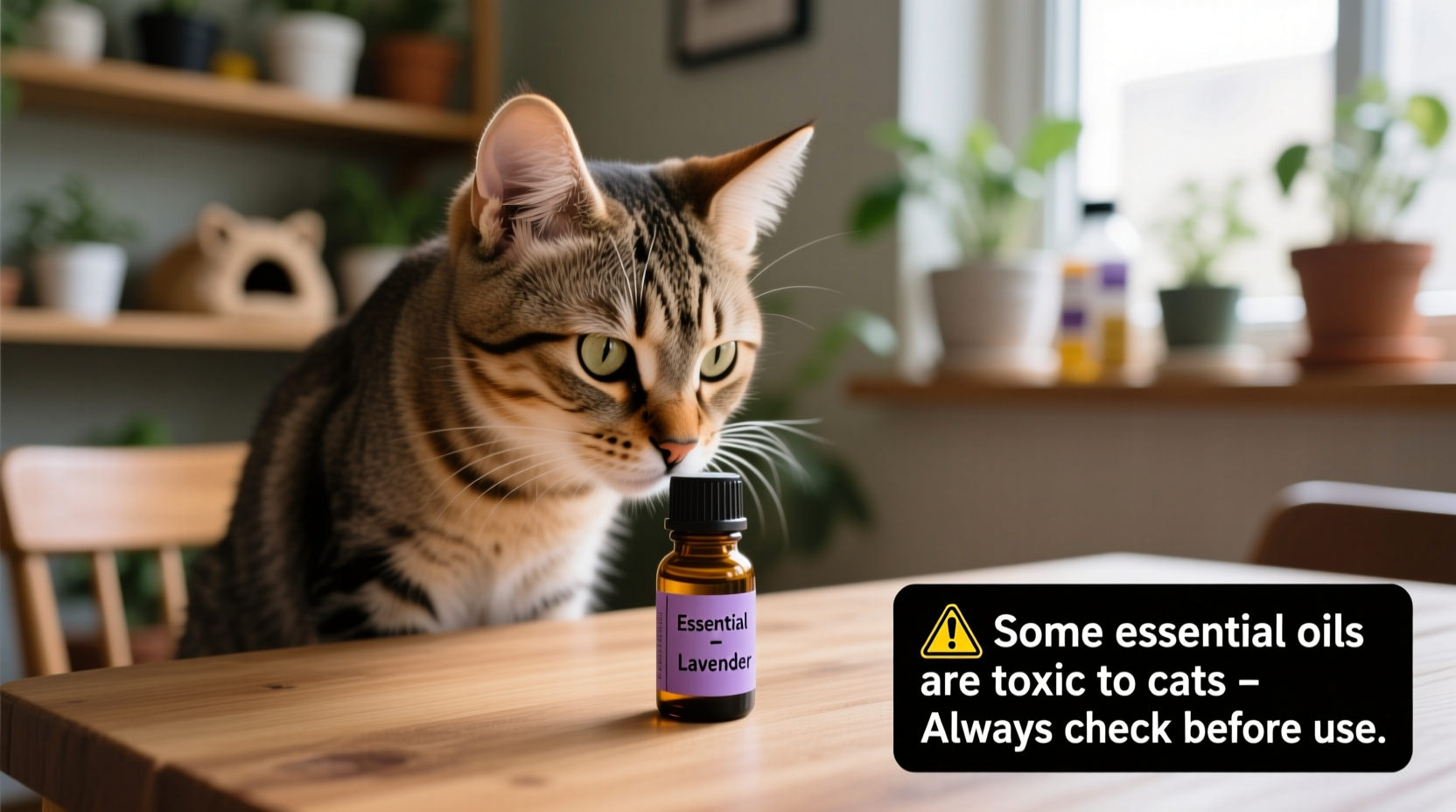
Cats metabolize substances differently than humans and even dogs. Their livers lack certain enzymes—specifically glucuronyl transferase—that are essential for breaking down phenols and terpenes, two key chemical components found in most essential oils. This metabolic deficiency means that compounds which are easily processed by human bodies can accumulate to toxic levels in cats, leading to organ damage or failure.
Additionally, cats groom themselves meticulously. If an oil settles on their fur—even in trace amounts from the air—they will ingest it during grooming. Inhalation is another major route of exposure, especially with ultrasonic diffusers that disperse microscopic oil particles into the air. Because cats have smaller body mass and faster respiratory rates, airborne toxins affect them more quickly and severely.
“Cats are exquisitely sensitive to essential oils due to their unique liver chemistry. What’s relaxing for us can be fatal for them.” — Dr. Sarah Wooten, DVM, Veterinary Consultant and Animal Health Writer
Essential Oils That Are Toxic to Cats: A Dangerous List
Not all essential oils are created equal when it comes to feline safety. Some are outright poisonous, while others may be used with extreme caution under veterinary guidance. The following oils are known to cause toxicity in cats, even in small amounts:
- Tea Tree (Melaleuca) – One of the most dangerous. Can cause tremors, weakness, and liver damage.
- Eucalyptus – Causes respiratory distress, vomiting, and CNS depression.
- Pine – Irritates mucous membranes and can lead to aspiration pneumonia.
- Cinnamon – Highly irritating to skin and respiratory tract; can cause liver failure.
- Peppermint – Leads to gastrointestinal upset and neurological symptoms.
- Wintergreen – Contains methyl salicylate, similar to aspirin, which is highly toxic to cats.
- Lemon, Lime, Orange (Citrus Oils) – Contain d-limonene, which cats cannot metabolize effectively.
- Pennyroyal – Known to cause seizures and liver failure.
- Ylang Ylang – Linked to vomiting, ataxia, and rapid breathing.
Safe vs. Unsafe Uses: A Practical Comparison
Using essential oils in a home with cats doesn’t always mean total elimination—but it does require strict boundaries and informed choices. The method of use dramatically affects risk level.
| Use Method | High-Risk? | Notes |
|---|---|---|
| Ultrasonic Diffuser in Shared Room | Yes ⚠️ | Airborne particles concentrate in small spaces; cats can't escape exposure. |
| Topical Application on Cat | Extremely High ❌ | Never recommended. Can cause severe poisoning even with \"safe\" oils. |
| Diffusing in Separate, Ventilated Room (Cat Excluded) | Low ✅ | Only if cat cannot enter during and for several hours after. |
| Oil-Based Cleaning Products on Floors | Moderate ⚠️ | Risk if cat walks through residue and grooms paws. |
| Jar Diffuser (No Heat or Mist) | Low-Moderate ⚠️ | Minimal dispersion, but curious cats may lick contents. |
Recognizing Essential Oil Poisoning in Cats
Early detection can save a cat’s life. Symptoms of essential oil toxicity often appear within minutes to hours after exposure and vary based on the oil and method of contact. Common signs include:
- Drooling or foaming at the mouth
- Vomiting or diarrhea
- Tremors or muscle twitching
- Difficulty walking (ataxia)
- Lethargy or weakness
- Respiratory distress (rapid or labored breathing)
- Pawing at the face or mouth
- Skin irritation or redness (especially with topical exposure)
If you suspect your cat has been exposed to a toxic oil, act immediately. Remove the cat from the source, wipe any visible oil off the fur with mild dish soap and water, and contact your veterinarian or the ASPCA Animal Poison Control Center (888-426-4435). Do not induce vomiting unless instructed by a professional.
A Real-Life Case: The Hidden Danger of a “Calming” Diffuser
In 2022, a cat owner in Portland introduced a lavender and tea tree oil diffuser into her living room to help manage her own anxiety. Her 3-year-old domestic shorthair, Milo, began acting unusually within two days—refusing food, hiding under the bed, and drooling excessively. By the third day, he was uncoordinated and barely responsive. Rushed to an emergency clinic, blood work revealed elevated liver enzymes and signs of neurotoxicity. The diagnosis: essential oil poisoning from chronic inhalation. After three days of IV fluids and supportive care, Milo recovered—but his owner learned a hard lesson about assuming “natural” means “safe.”
This case underscores a critical point: low-level, continuous exposure via diffusers is often overlooked but can be just as dangerous as acute ingestion.
Are Any Essential Oils Safe Around Cats?
The short answer: very few, and only under strict conditions. Even oils considered “milder,” such as lavender or chamomile, contain compounds that can overwhelm a cat’s system over time. However, some veterinarians suggest that limited, well-managed use of certain oils might be acceptable if the cat is never directly exposed.
For example, diffusing **diluted lavender** for 15–30 minutes in a room the cat cannot access *might* be low-risk, provided the space is thoroughly aired out before the cat returns. But this still carries uncertainty, as individual sensitivity varies widely among cats.
There is no universally “safe” essential oil for cats. The safest approach is avoidance. If you desire calming effects in your home, consider cat-safe alternatives like pheromone diffusers (e.g., Feliway), which mimic natural feline facial hormones and are proven effective for reducing stress without toxicity.
Step-by-Step Guide to Using Essential Oils Safely in Cat Homes
If you choose to use essential oils despite having a cat, follow this protocol to minimize risk:
- Choose a cat-free zone: Designate a room where your cat never goes—such as a home office or basement—for any oil diffusion.
- Use intermittent diffusion: Run the diffuser for 15–30 minutes, then turn it off for several hours. Continuous diffusion increases airborne concentration.
- Ensure ventilation: Open windows or use fans to disperse particles quickly after use.
- Keep oils locked away: Store bottles in cabinets secured against curious paws. Spills or leaks can lead to direct contact.
- Monitor your cat closely: Watch for signs of distress after using oils anywhere in the home, even in another room.
- Consult your vet: Especially if your cat has pre-existing conditions like asthma or liver disease, which increase vulnerability.
- Switch to safer alternatives: Replace essential oil cleaners or air fresheners with non-toxic, fragrance-free products labeled safe for pets.
Frequently Asked Questions
Can I use a diffuser with essential oils if my cat isn’t in the room?
You can, but only if the cat is completely excluded during and for at least 2–4 hours after diffusion. Even then, residual particles can settle on surfaces. The safest choice is to avoid diffusing altogether or use a room with separate HVAC airflow.
What should I do if my cat licks an essential oil?
Act immediately. Contact your veterinarian or animal poison control. Do not wait for symptoms. Licking even a few drops can lead to severe toxicity. Bring the oil bottle with you for identification.
Are scented candles or incense safer than essential oils?
Not necessarily. Many contain essential oil derivatives or synthetic fragrances that can irritate a cat’s respiratory system. Soot from candles and open flames also pose risks. Opt for unscented, clean-burning alternatives if possible.
Expert-Backed Checklist for Cat Owners Using Essential Oils
To help you stay proactive, here’s a concise checklist based on veterinary guidelines:
- ✅ Read labels: Avoid products containing phenols, terpenes, or limonene.
- ✅ Store oils securely: Use child-proof cabinets away from shelves cats can jump to.
- ✅ Avoid topical use: Never apply oils to your cat, even for flea control.
- ✅ Choose cat-safe air fresheners: Use pheromone diffusers instead of essential oils.
- ✅ Educate household members: Ensure everyone knows which products are off-limits.
- ✅ Know the emergency contacts: Save the ASPCA Animal Poison Control (888-426-4435) and your vet’s number in your phone.
- ✅ Observe your cat daily: Note changes in behavior, appetite, or grooming habits.
Conclusion: Safety First, Always
The allure of essential oils is understandable—they smell wonderful, promote relaxation, and offer a sense of holistic wellness. But when cats are part of your household, that same bottle of tea tree oil could become a silent threat. There is no margin for error when it comes to feline health. The metabolic reality of cats makes them uniquely susceptible to compounds we often regard as harmless.
Instead of risking your cat’s life for the sake of a pleasant scent, choose compassion over convenience. Explore safer, species-appropriate alternatives that support both your well-being and your pet’s. Your cat depends on you to make informed decisions—ones rooted in science, not assumptions. By prioritizing their safety, you’re not just preventing illness; you’re honoring the trust they place in you every day.
💬 Have a story or question about essential oils and cats? Share your experience in the comments—your insight could help another pet owner avoid a tragedy.








