Birds have long been cherished companions in homes around the world. Their vibrant plumage, melodic songs, and intelligent behavior make them captivating pets. Yet as awareness of animal welfare grows, a pressing question emerges: Is it inherently cruel to keep birds in cages? The answer isn’t simple—it depends on how we define cruelty, what species we’re discussing, and most importantly, how those birds are cared for. For ethical owners, understanding the physical, psychological, and social needs of birds is essential to providing a life worth living, even within human environments.
Caging a bird doesn’t automatically equate to cruelty. In many cases, well-maintained enclosures provide safety from predators, consistent access to food and water, and protection from extreme weather. However, when cages are too small, barren, or isolating, they can lead to stress, self-harm, and behavioral disorders. The real issue lies not in captivity itself, but in the quality of that captivity. Responsible ownership means going beyond basic survival to support thriving—mentally, emotionally, and physically.
The Natural Behavior of Birds
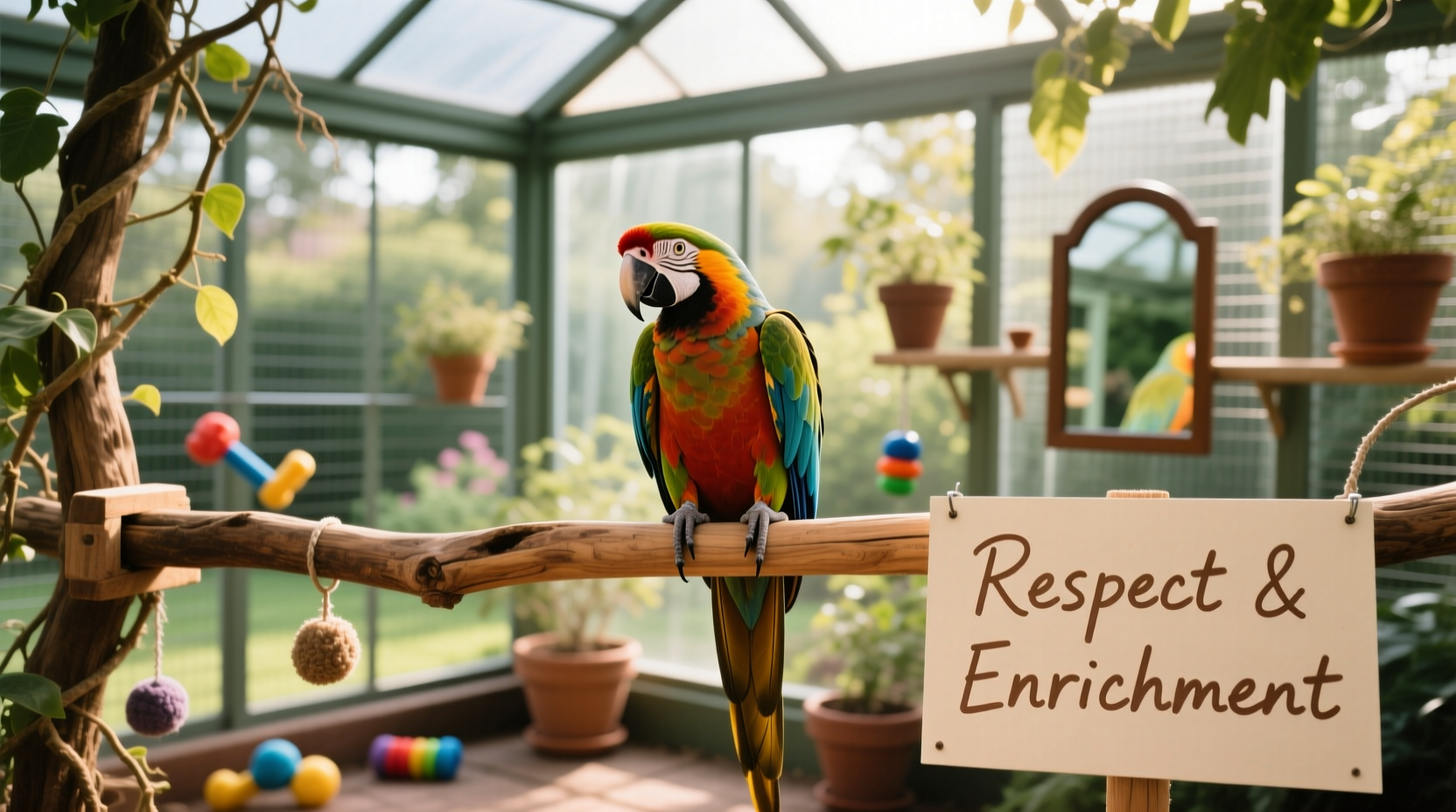
In the wild, most pet bird species—such as parrots, finches, and cockatiels—are highly active, social, and intelligent animals. Parrots, for example, may fly dozens of miles daily in search of food, navigate complex social hierarchies, and use tools or solve problems. They form deep pair bonds and maintain intricate vocal communication systems. Confining such dynamic creatures requires more than just space; it demands environmental complexity and mental stimulation.
A cage that restricts natural behaviors like flying, foraging, climbing, or social interaction can cause significant distress. Behavioral signs of poor welfare include feather plucking, excessive screaming, pacing, or self-mutilation—all of which are rare in wild populations but common in captive birds. These are not mere quirks; they are symptoms of psychological suffering.
“Birds are not decorative objects. They are sentient beings with rich emotional lives. Denying them the ability to express natural behaviors is a form of psychological deprivation.” — Dr. Irene Pepperberg, Avian Cognition Researcher
Ethical Cage Design: Size, Layout, and Enrichment
A cage should never be viewed as a permanent residence, but rather as a secure base from which a bird explores the world. Ethical caging prioritizes three core principles: size, layout, and enrichment.
Size is often the first compromise made by well-meaning owners. Many commercially available cages fall far short of minimum requirements. A budgie needs at least 18” x 18” x 24”, while larger parrots like African Greys or Amazons require cages measuring no less than 36” x 24” x 48”—and even that is insufficient without daily out-of-cage time.
Layout matters just as much. Horizontal bars aid climbing, especially for species like conures or lovebirds. Multiple perches of varying textures (natural wood, rope, cement) promote foot health. Food and water stations should be placed apart to encourage movement. Avoid placing cages in high-traffic areas with constant noise or in drafty, dimly lit corners.
Enrichment transforms a cage from a prison into a stimulating habitat. This includes:
- Foraging toys that hide food inside puzzle mechanisms
- Destructible items like paper, cardboard, or untreated wood
- Mirrors (used cautiously—can trigger aggression in some birds)
- Rotating toys to prevent habituation
- Natural elements like branches, leaves, or safe plants
Out-of-Cage Time: A Non-Negotiable Requirement
No cage, no matter how large or enriched, can replace free flight and exploration. Ethical bird ownership requires daily out-of-cage time in a safe, bird-proofed room. This isn’t optional—it’s a necessity for physical exercise and mental health.
During this time, birds should be able to stretch their wings, climb furniture or play gyms, interact with caregivers, and explore new textures and objects. Flighted birds benefit immensely from controlled flight, which builds muscle, coordination, and confidence. Even clipped birds need opportunities to climb, hop, and move freely.
The amount of out-of-cage time should reflect the bird’s species and energy level:
| Bird Species | Minimum Daily Out-of-Cage Time | Notes |
|---|---|---|
| Budgerigar | 1–2 hours | Active and curious; benefits from social play |
| Cockatiel | 2 hours | Enjoys music and gentle handling |
| Lovebird | 2 hours | Highly energetic; needs climbing structures |
| African Grey | 3+ hours | Extremely intelligent; requires cognitive challenges |
| Macaw | 3–4 hours | Largest species; needs robust play stands and flight space |
Owners who work full-time jobs may struggle to meet these needs. In such cases, rehoming to a more suitable environment or adopting a lower-maintenance species should be considered.
Social Needs: Solitude vs. Companionship
Many birds are profoundly social. In the wild, parrots live in flocks with complex relationships. When kept alone, they may bond intensely with their human caregivers—but humans cannot fully replace avian companionship. Long periods of isolation can lead to depression, anxiety, and attention-seeking behaviors.
Some owners choose to keep two birds together to fulfill social needs. While this can be beneficial, it’s not a universal solution. Pairs may bond so closely they reject human interaction, or they may fight if incompatible. Introducing birds requires careful quarantine and supervised interaction.
Alternatively, increasing human interaction through training, talking, singing, and play can help mitigate loneliness. But expecting a bird to “be happy” with only an hour of attention per day is unrealistic and ethically questionable.
Tip: Use positive reinforcement training to build trust and provide mental engagement. Teaching tricks or recall commands strengthens bonds and prevents boredom.Real-Life Scenario: From Neglect to Recovery
Consider the case of Luna, a 12-year-old green-cheeked conure surrendered to a bird rescue in 2022. She lived in a 12” cube cage atop a refrigerator, with no toys, minimal human contact, and only 15 minutes of out-of-cage time weekly. Over the years, she developed severe feather plucking, chronic screaming, and fear of hands.
After intake, rescuers provided a spacious flight aviary, daily foraging puzzles, and gradual socialization. Within six months, Luna began preening normally, exploring new toys, and even stepping onto a volunteer’s hand. Her transformation wasn’t due to medication or magic—it came from consistent enrichment, space, and compassionate care.
Luna’s story illustrates a crucial point: damage caused by inadequate housing can often be reversed, but prevention is always better. Ethical ownership begins before purchase, not after crisis.
Checklist for Ethical Bird Ownership
Before bringing a bird home—or assessing your current setup—review this checklist to ensure humane treatment:
- ✅ Cage meets or exceeds minimum size recommendations for the species
- ✅ Bars are spaced appropriately to prevent escape or injury
- ✅ Perches vary in diameter and material to support foot health
- ✅ At least 3–5 enrichment items (toys, foragers, chewables) are rotated weekly
- ✅ Bird receives daily out-of-cage time in a safe, supervised environment
- ✅ Noise, light, and temperature levels mimic natural rhythms (10–12 hours of quiet darkness)
- ✅ Diet includes fresh vegetables, fruits, pellets, and limited seeds (no seed-only diets)
- ✅ Regular veterinary care from an avian-experienced professional
- ✅ Social needs are met—either through human interaction or compatible avian companionship
- ✅ Owner has researched species-specific needs and lifespan (many parrots live 40+ years)
Common Misconceptions About Bird Care
Several myths persist in the pet bird community, often leading to unintentional harm:
- “Birds don’t need much space if they get out sometimes.” Even with daily freedom, a cramped cage limits movement and rest options. Imagine living in a closet because you go to the park on weekends.
- “Cages should be covered at night for security.” While some birds benefit from a dark, quiet space, covering a cage can increase humidity and reduce airflow. Better solutions include moving the cage to a quiet room or using a sleep tent.
- “If my bird isn’t screaming, it’s happy.” Silence can be a red flag. Depressed or ill birds often become withdrawn. Vocalization patterns vary by species—monitor changes, not volume alone.
- “Clipping wings prevents accidents, so it’s always kind.” Flight is a primary mode of expression and exercise. Routine wing clipping without considering the bird’s psychology can lead to frustration and imbalance. If done, it should be partial and reassessed regularly.
Frequently Asked Questions
Can birds be happy in cages?
Yes—but only if the cage is part of a broader, enriching lifestyle. A large, stimulating enclosure combined with daily freedom, social interaction, and mental challenges can support well-being. Happiness isn’t defined by the absence of a cage, but by the presence of meaningful experiences.
Are aviaries a better alternative to cages?
Generally, yes. An indoor or outdoor aviary allows for flight, natural foraging, and greater environmental complexity. For serious aviculturists or retirees with space, an aviary offers a significantly higher welfare standard than traditional cages.
What should I do if I can’t provide enough time for my bird?
Rehoming to a qualified sanctuary or experienced adopter is a responsible choice. Keeping a bird out of sentimentality while neglecting its needs is more harmful than finding it a better-suited home. Reputable rescues exist specifically for this purpose.
Conclusion: Rethinking Captivity Through Compassion
The ethics of keeping birds in cages ultimately come down to intent and action. If a bird is treated as a living being with intrinsic needs—not a pet to be owned, but a companion to be respected—then captivity can be humane. But if convenience overrides welfare, then even the prettiest cage becomes a prison.
Ethical ownership means committing to lifelong learning, adapting care as science evolves, and being willing to change habits—even difficult ones. It means choosing species that fit your lifestyle, not just your aesthetic. And it means recognizing that love alone isn’t enough; love must be paired with knowledge, effort, and consistency.
💬 Are you meeting your bird’s needs—or just your own expectations? Take an honest look at your setup, share your journey, and join the conversation on raising the standard of avian care.








