
Glitter has long been a symbol of celebration—adorning makeup, crafts, festival outfits, and holiday decor. But as awareness of plastic pollution grows, so does scrutiny over its environmental cost. Traditional glitter is made from microplastics, which persist in ecosystems for centuries. In response, brands have launched \"biodegradable\" glitter, promising an eco-friendly alternative. But how truthful are these claims? Is biodegradable glitter genuinely compostable, or is it merely a clever rebranding tactic to appeal to environmentally conscious consumers?
The answer isn’t simple. While some biodegradable glitters do break down under specific conditions, many fall short of true compostability. Understanding the difference between marketing language and scientific reality is essential for making informed choices.
What Makes Glitter “Biodegradable”?
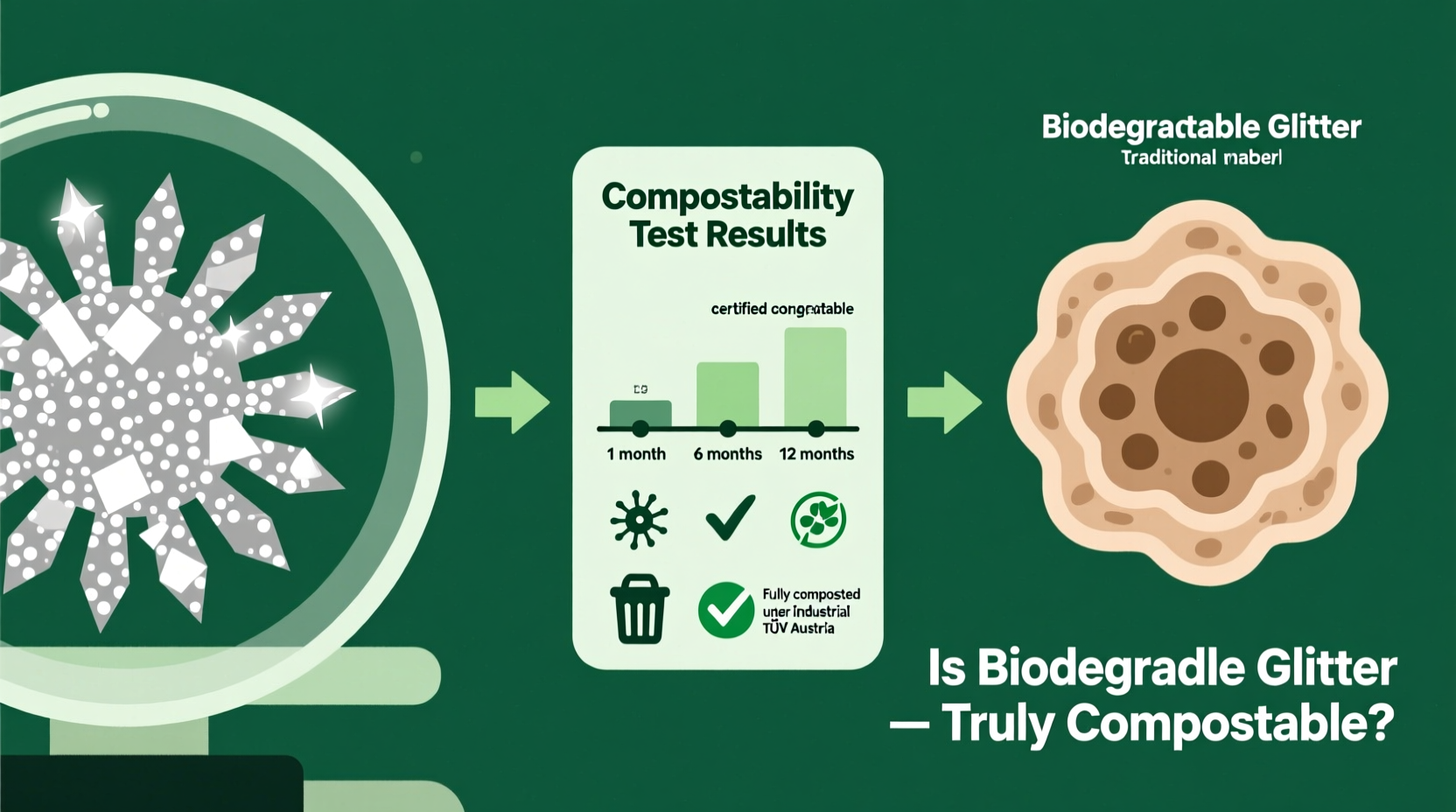
Traditional glitter consists of tiny pieces of polyethylene terephthalate (PET), aluminum, and synthetic dyes—all derived from petroleum. These materials resist natural degradation and contribute to microplastic pollution in waterways and soil.
In contrast, biodegradable glitter typically uses a film made from cellulose, often sourced from eucalyptus or other sustainably managed forests. This base material can be broken down by microorganisms into water, carbon dioxide, and biomass under appropriate conditions. The key word here is *conditions*. Not all environments support this breakdown.
Manufacturers often claim their glitter is “marine-degradable” or “home-compostable,” but such terms lack universal regulation. Without standardized testing and clear labeling, consumers may assume a product will decompose in their backyard compost bin when, in fact, it requires industrial processing.
“Just because something is labeled ‘biodegradable’ doesn’t mean it will degrade quickly—or at all—in your garden.” — Dr. Sarah Thompson, Environmental Microbiologist, University of Exeter
The Science Behind Compostability: What It Really Means
True compostability goes beyond mere biodegradability. A compostable material must:
- Break down completely within a defined timeframe (typically 180 days)
- Leave no toxic residues
- Support the formation of quality compost that enriches soil
- Degrade under specific temperature, moisture, and microbial conditions
Standards like **EN 13432** (Europe) and **ASTM D6400** (USA) define rigorous criteria for industrial compostability. Products certified under these standards must disintegrate within 12 weeks and fully biodegrade within six months in a facility maintained at around 58°C (136°F).
Home compostability is more challenging. Temperatures rarely exceed 30–40°C, and microbial activity varies. Few biodegradable glitters meet home composting standards like **OK Compost HOME** or **TÜV Austria’s seedling logo with ‘HOME’ designation**. Yet, many brands imply suitability without certification.
Tip: Look for third-party certifications like OK Compost INDUSTRIAL or HOME—not just vague claims of “eco-friendly.”Marketing Claims vs. Real-World Performance
A growing number of small businesses and large cosmetics brands now offer biodegradable glitter. However, independent studies reveal discrepancies between label claims and actual decomposition.
A 2022 study published in *Environmental Science & Technology* tested eight popular biodegradable glitters in simulated marine and soil environments. Only two products showed significant degradation after six months in seawater; the rest remained largely intact. In soil, none broke down within three months—the timeframe advertised on several packaging labels.
One major issue is coating. Even if the base film is cellulose, manufacturers often apply metallic finishes using aluminum or synthetic polymers to enhance shine. These coatings can inhibit microbial access and prevent full degradation.
Additionally, some companies use the term “plant-based” loosely. A glitter might contain 20% cellulose and 80% plastic, yet still be marketed as “made from plants.” Transparency in ingredient sourcing remains limited.
Case Study: Festival Brand Switches to “Eco” Glitter
In 2021, a UK music festival replaced traditional glitter with a supplier-provided biodegradable version, promoting it as “planet-safe body art.” Volunteers collected post-event waste, including glitter-laden mud and wipes. Samples sent to a lab showed that while the glitter particles were less persistent than PET-based ones, they did not fully degrade in local soil conditions within five months. Moreover, traces of aluminum coating were detected, raising concerns about residual contamination.
The event organizers admitted they relied solely on the vendor’s claims without verifying certifications. Since then, they’ve adopted a “glitter-free” policy and switched to reusable face jewels made from wood or recycled metal.
Certifications That Matter: How to Spot the Difference
To avoid being misled, consumers should look for verified certifications rather than trust marketing slogans. The following table compares legitimate labels with common greenwashing terms.
| Certification/Label | What It Means | Limitations |
|---|---|---|
| OK Compost INDUSTRIAL | Meets EN 13432; breaks down in industrial composting facilities | Not suitable for home compost or marine environments |
| OK Compost HOME | Degradable in home compost bins at ambient temperatures | Rare; few glitters achieve this standard |
| Marine Biodegradable (TÜV CERTIFIED) | Proven to degrade in seawater under controlled tests | Limited availability; expensive to certify |
| \"Biodegradable\" (unverified) | No legal definition; may take years or require ideal lab conditions | Potentially misleading; often equates to partial degradation |
| \"Plant-Based\" | May contain any percentage of plant-derived material | Does not guarantee compostability or low environmental impact |
Reputable brands like EcoStardust and Glitterati openly publish test results and certification documents. They specify whether their products require industrial composting and advise against flushing them down drains—even if labeled biodegradable.
How to Use Biodegradable Glitter Responsibly
Even certified compostable glitter isn’t a free pass to dispose of it carelessly. Here’s a step-by-step guide to minimizing environmental harm:
- Check the Certification: Verify if the product carries OK Compost HOME, INDUSTRIAL, or marine biodegradability certification.
- Use Sparingly: Apply only what you need. Less glitter means less waste, even if it's compostable.
- Collect After Use: Wipe off glitter with a damp cloth before washing your face. Dispose of the wipe in organic waste if possible.
- Do Not Flush: Never wash glitter down the sink or toilet. Wastewater systems aren’t designed to capture fine particles, and most treatment plants cannot process them fully.
- Compost Properly: If you have access to industrial composting, confirm with the facility whether they accept glitter-containing waste. For home compost, only add products explicitly labeled “home compostable.”
Alternatives to Consider
If responsible disposal feels too complex, consider alternatives that eliminate risk entirely:
- Reusable sequins or metallic beads: Attach with temporary adhesive and collect afterward.
- Mica-based mineral shimmer: Naturally occurring, though mining ethics should be considered.
- Edible glitter (food-grade): Made from gum arabic and sugar; safe for consumption and breaks down easily, though not always sustainable due to resource use.
- DIY natural sparkles: Crushed seashells, quartz dust, or salt crystals—use cautiously on skin.
Frequently Asked Questions
Can I put biodegradable glitter in my garden compost?
Only if it’s certified for home composting (e.g., OK Compost HOME). Most biodegradable glitters require high heat and consistent microbial activity found only in industrial facilities. Adding uncertified glitter to your garden could introduce persistent particles into the soil.
Is biodegradable glitter safe for marine life?
Some products are tested for marine biodegradation, but real-world conditions vary. Sunlight, salinity, and temperature affect breakdown speed. Until widespread independent verification exists, assume any glitter introduced into aquatic environments poses some risk.
Does “vegan glitter” mean it’s compostable?
No. “Vegan” only means no animal-derived ingredients (like shellac). Many vegan glitters are still made from plastic. Always check for compostability certifications separately.
Conclusion: Beyond the Sparkle
Biodegradable glitter represents progress—but not perfection. While it offers a better alternative to conventional microplastic glitter, its compostability is conditional and often overstated. True sustainability requires transparency, proper disposal, and consumer vigilance.
The shift toward eco-conscious beauty shouldn’t stop at swapping one glitter for another. It should inspire us to rethink our relationship with disposability itself. Can we celebrate without leaving behind a trail of shimmering waste? Often, the most sustainable choice isn’t a greener version of the same product, but a creative alternative altogether.
Next time you reach for glitter, ask not just whether it’s biodegradable—but whether it needs to be used at all. When sparkle is necessary, choose wisely, dispose responsibly, and demand accountability from brands. The planet doesn’t need more false promises. It needs real solutions that shine beyond the surface.
🚀 Ready to make a change? Audit your beauty and craft supplies: replace uncertified glitter with certified compostable options or switch to reusable alternatives. Share your journey online to inspire others—because sustainability should sparkle too.








