In an age where fashion duplication has reached near-perfect precision, it’s harder than ever to tell the difference between a $3,000 designer saddle bag and a $120 dupe at first glance. High-resolution photos, accurate stitching patterns, and eerily similar hardware make knockoffs more tempting than ever. But beyond the surface, what really separates them? Is the investment in an authentic designer piece justified—or just a status symbol for those who can afford it?
The answer isn’t binary. It depends on how you use your bag, your values as a consumer, and what you expect from luxury beyond aesthetics.
The Visual Appeal: Why Dupes Are So Convincing
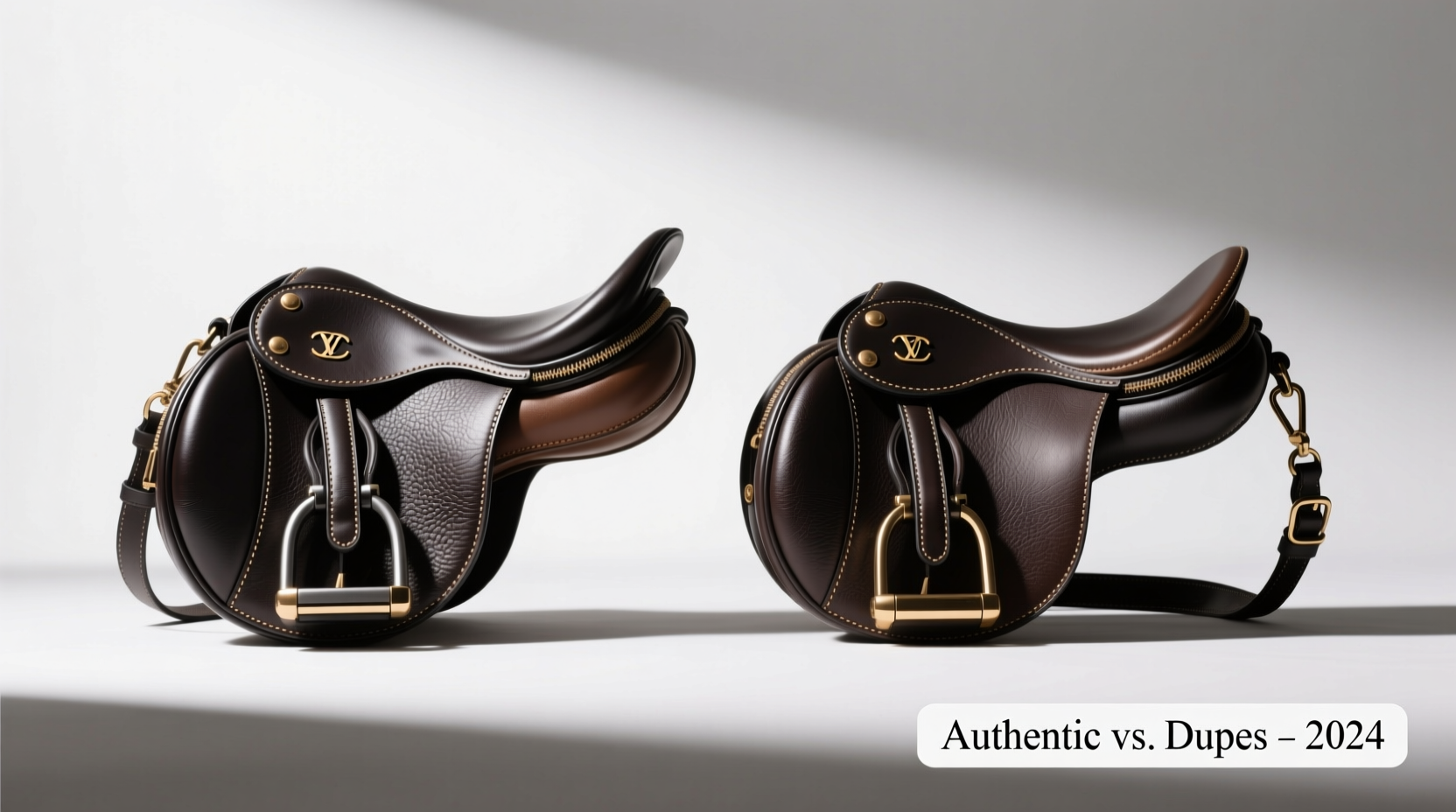
Modern manufacturing, especially in regions with advanced textile and leather production, allows replica makers to replicate not just the shape but also the texture, grain, and even weight of original designs. Many dupes now use genuine leather or high-grade synthetic alternatives that mimic the drape and feel of premium materials.
On social media, influencers often showcase these pieces under flattering lighting, making it nearly impossible for the untrained eye to spot differences. From afar, a well-made dupe can pass as the real thing—especially if you're not standing next to someone carrying the original.
Tip: If you're buying a dupe, check customer reviews with close-up photos in natural light. That’s where material flaws usually appear.Material Quality and Longevity: The Hidden Differences
While dupes may win on initial appearance, long-term durability is where designer bags pull ahead. Authentic brands like Gucci, Saint Laurent, or Loewe source top-tier leathers, test hardware rigorously, and maintain strict quality control across their supply chains.
A real designer saddle bag typically uses full-grain or corrected-grain leather, which develops a rich patina over time rather than cracking or peeling. In contrast, many dupes rely on bonded leather or coated synthetics that degrade after months of regular use—especially when exposed to moisture or friction.
Hardware is another key differentiator. Designer zippers, buckles, and clasps are often made from brass or stainless steel, plated with gold or silver tones that resist tarnishing. Dupe hardware, frequently made from zinc alloy or cheap plating, can flake, rust, or snap under stress.
“Luxury isn’t about how something looks on day one—it’s about how it ages over five years.” — Marcus Tran, Handbag Archivist & Fashion Historian
Cost Per Use: Rethinking Value
To evaluate whether a designer bag is worth it, consider the “cost per use” metric. A $2,800 bag used three times a week for five years equates to roughly $3.60 per use. A $150 dupe used twice a week before breaking down after 18 months costs about $1.92 per use—on paper, a better deal.
But here’s the catch: most dupes don’t last long enough to reach that usage threshold. They show signs of wear—loose stitching, peeling lining, warped structure—within six to twelve months of consistent use. Meanwhile, a well-maintained designer bag can last a decade or more, increasing its cost-efficiency over time.
| Factor | Designer Saddle Bag | Dupe Saddle Bag |
|---|---|---|
| Avg. Price | $2,500–$3,800 | $90–$250 |
| Lifespan (regular use) | 7–12 years | 6–18 months |
| Resale Value | 50–70% of retail | Nearly $0 |
| Repair Options | Authorized services available | Limited or none |
| Warranty/Support | Yes (1–2 years) | Rarely offered |
Resale Market and Investment Potential
One of the strongest arguments for investing in a real designer saddle bag is its resale value. Iconic styles like the Gucci Horsebit 1955 or Loewe Flamenco often retain or even appreciate in value, especially in limited colors or seasonal finishes.
Platforms like Rebag, Vestiaire Collective, and The RealReal regularly list pre-owned designer saddle bags at 50–70% of their original price. Some rare editions sell above retail due to demand. This creates a partial refund loop—if you eventually upgrade or change styles, you’re not starting from zero.
Dupes, on the other hand, have no secondary market. Once you’re done with one, it’s destined for donation or disposal. There’s no return on investment, only sunk cost.
Real-World Case: Two Years With Both Versions
Sophie, a 32-year-old marketing consultant in Austin, bought both a genuine Loewe Flamenco and a popular online dupe to compare them side by side in daily life. She rotated them seasonally, using each for about six months per year.
After two years, the Loewe showed minimal wear: slight softening of the leather, a warm patina, but all hardware intact and structure preserved. The dupe, however, had fraying stitching near the strap attachment, a cloudy scratch on the front flap, and the interior fabric began detaching from the lining.
“I thought I was being smart saving money,” she said. “But replacing the dupe every year ended up costing more than just buying the real one upfront.”
She sold her Loewe through a consignment app for $2,100—about 60% of its original price—effectively reducing her net cost to less than $1,500 over two years of use.
When a Dupe Makes Sense
That doesn’t mean dupes are always a poor choice. They serve a purpose for specific situations:
- Fashion experimentation: Trying a trend without commitment.
- Travel risk: Carrying a valuable bag in high-theft areas.
- Occasional wear: Using it for events or photoshoots.
- Budget constraints: When authenticity isn’t a priority.
If you only plan to use a saddle bag occasionally, or want to test a style before investing, a well-reviewed dupe can be a practical stopgap.
Step-by-Step: How to Decide Which Option Is Right for You
- Assess your usage frequency: Will you carry it weekly or just a few times a year?
- Check resale potential: Look up recent secondhand prices for the designer model.
- Evaluate material transparency: Does the dupe brand disclose leather type or construction details?
- Compare repair options: Can the designer bag be serviced? Is there a warranty?
- Calculate cost per year: Divide total price by expected lifespan in years.
- Align with values: Do you prioritize ethics, sustainability, or craftsmanship?
FAQ
Can you tell the difference between a real and fake saddle bag in person?
Often, yes. Experts look for precise stitch spacing, leather consistency, logo depth, and internal branding. Real bags have uniformity; dupes often have asymmetrical seams, uneven dye, or misaligned logos.
Do designer brands pursue counterfeiters legally?
Yes. Major houses like LVMH and Kering actively litigate against counterfeit operations and work with customs agencies globally. However, enforcement is challenging due to cross-border e-commerce.
Are some dupes made in the same factories as originals?
Anecdotal evidence suggests “factory second” or “authentic leftover” claims are sometimes true—but they’re rare and hard to verify. Most dupes come from entirely separate production lines with inferior specs.
Final Verdict: Worth It, But Not for Everyone
A real designer saddle bag is worth the hype if you value longevity, craftsmanship, and long-term value retention. It’s not just about looking good today—it’s about owning a functional heirloom that ages gracefully and can be resold or passed on.
But if you’re drawn to the aesthetic without needing daily utility or emotional attachment, a high-quality dupe can satisfy that desire at a fraction of the cost. Just go in with clear expectations: it’s a short-term accessory, not an investment.
💬 Have you tried both a real designer saddle bag and a dupe? Share your experience below—your insights could help others make a smarter decision.








