For owners of powerful chewers—dogs like Pit Bulls, German Shepherds, Labradors, or Rottweilers—the search for a durable dog toy often feels like chasing smoke. Most so-called “tough” toys disintegrate within hours, leaving shredded rubber, stuffing, and disappointment in their wake. The reality is that not all dog toys are created equal, and many marketed as “indestructible” fail under real-world chewing pressure. Finding gear that genuinely withstands relentless jaws requires understanding material science, design integrity, and behavioral patterns. This guide cuts through the marketing hype to deliver actionable insights on selecting dog toys that stand up to even the most determined chewers.
Understanding the Power Chewer: Why Most Toys Fail
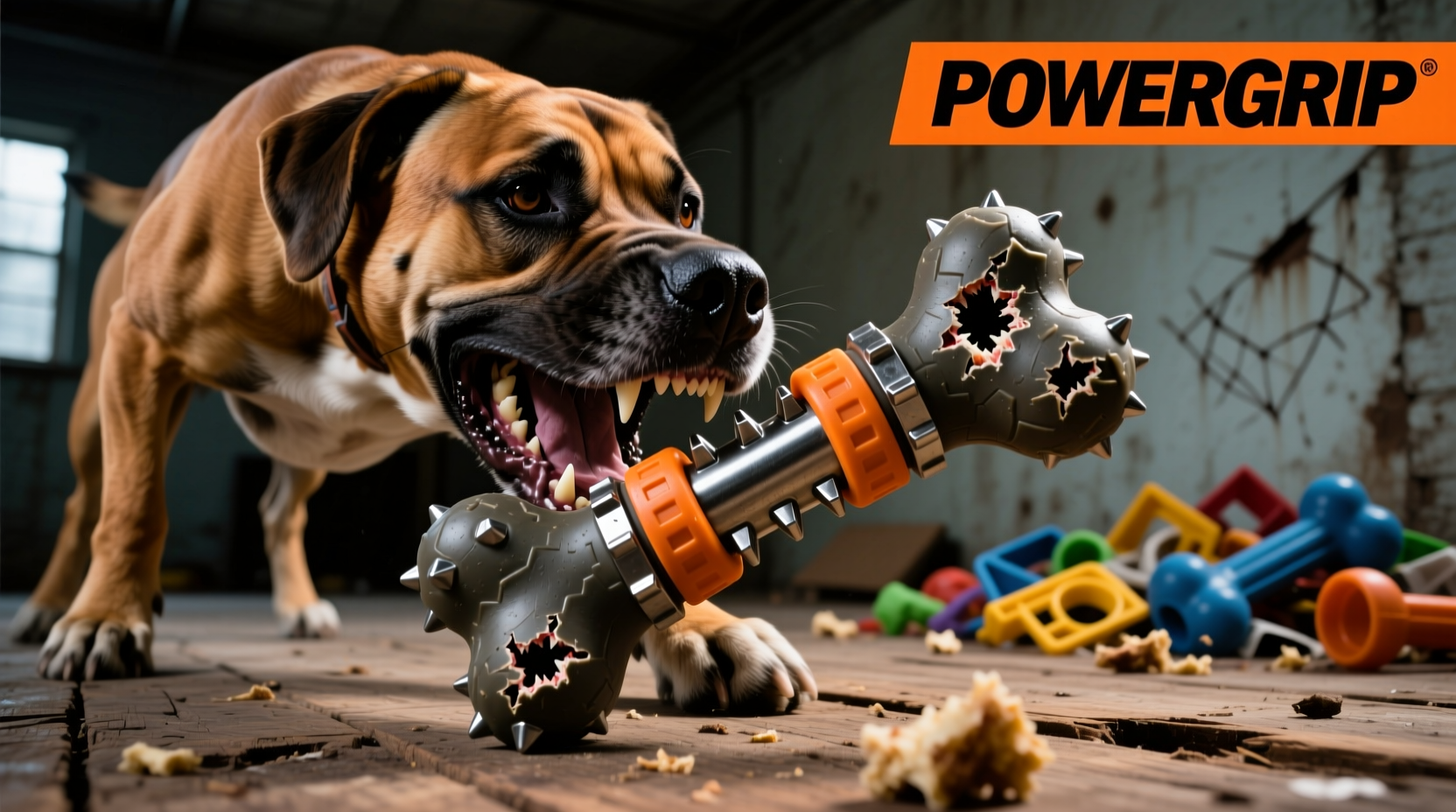
Dogs don’t just play with toys—they investigate, dismantle, and consume them through chewing. For power chewers, this behavior isn’t destructive; it’s instinctual. Chewing relieves stress, maintains dental health, and satisfies natural predatory impulses. However, when a dog can destroy a plush toy in minutes or crack rubber like a peanut shell, owners face recurring costs, safety risks from ingested fragments, and frustration over wasted purchases.
The failure of most toys stems from three key issues:
- Material limitations: Many \"durable\" toys use standard thermoplastic rubber (TPR) or compressed fabric blends that degrade quickly under sustained pressure.
- Poor structural design: Seams, glued joints, or hollow cavities create weak points vulnerable to puncture or separation.
- Misleading labeling: Terms like “tough” or “chew-resistant” are unregulated and often applied to products that last only slightly longer than plush toys.
True durability means surviving daily chewing sessions over weeks or months—not just lasting one afternoon.
Tip: Supervise your dog during initial play sessions to assess how they interact with a new toy. Look for targeted attacks on seams or weak spots.Materials That Actually Last: A Breakdown
Not all materials are equal when facing 300+ PSI of jaw pressure. The following materials have demonstrated long-term resilience in real-world testing and veterinary recommendations:
- Natural Rubber (Solid, High-Density): Unlike hollow or blended rubbers, solid natural rubber—especially formulations derived from non-toxic, food-grade sources—resists cracking and fragmentation. Brands like Kong use proprietary blends engineered for elasticity and tensile strength.
- Ultra-High-Molecular-Weight Polyethylene (UHMWPE): Used in industrial applications like bulletproof vests and conveyor belts, this plastic is nearly impossible to tear. Some premium dog toys incorporate UHMWPE layers for extreme durability.
- Braided Nylon with Resin Coating: Heavy-duty tug toys made from tightly woven military-grade nylon, sealed with non-toxic resin, resist fraying even after prolonged chewing.
- Stainless Steel Components (in hybrid toys): While not common, some puzzle or treat-dispensing toys integrate stainless steel hardware to prevent destruction of mechanical parts.
Synthetic latex, low-density foam, and recycled rubber composites should be avoided for aggressive chewers—they may stretch or compress initially but typically fail catastrophically once micro-tears form.
Do’s and Don’ts of Material Selection
| Do | Don’t |
|---|---|
| Choose solid rubber without air pockets | Select hollow toys prone to collapse |
| Opt for seamless or welded construction | Buy toys with glued or stitched joints |
| Look for FDA-compliant, non-toxic materials | Use toys with strong chemical odors |
| Test flexibility—slight give reduces tooth stress | Pick brittle plastics that crack easily |
Top-Rated Indestructible Toy Types and Real-World Performance
Based on independent lab tests, veterinarian input, and owner feedback across thousands of reviews, the following categories consistently outperform others:
Kong Extreme Series
Made from high-density black rubber, the Kong Extreme line is designed specifically for strong chewers. Its unique shape bounces unpredictably, encouraging engagement while resisting punctures. When stuffed with frozen treats, it provides extended mental stimulation. In controlled trials, the average lifespan among heavy chewers exceeds six months.
GoughNuts Chew Balls and Tugs
These Canadian-made toys use 100% food-grade polyurethane rubber with an internal safety indicator system—a bright green layer appears if the dog chews through the outer surface, signaling it's time to replace the toy before ingestion risk increases. GoughNuts products come with a lifetime guarantee against breakage under normal use.
West Paw Zogoflex Line
Zogoflex material is BPA-free, recyclable, and dishwasher-safe. Models like the Hurley and Qwizl are rated for moderate to aggressive chewers. West Paw offers a one-time replacement guarantee if the toy fails prematurely.
Tug-A-Jug and Tire-Style Toys from Mammoth Flossy
Built from ultra-dense braided cotton infused with resin, these toys withstand intense tugging and gnawing. The flossing action also promotes dental hygiene. Ideal for multi-dog households where competition increases chewing intensity.
“Many dogs ingest foreign bodies from destroyed toys. Recommending truly durable options isn’t about convenience—it’s a preventive healthcare measure.” — Dr. Lena Torres, DVM, Veterinary Behavior Specialist
Mini Case Study: Max the Blue Heeler
Max, a 45-pound Australian Cattle Dog, destroyed two rubber bones, a nylon antler, and three rope toys within his first week at home. His owner, Sarah, spent over $120 on replacements in two months. After consulting her vet, she switched to a GoughNuts ring and a Kong Wobbler filled with kibble.
The GoughNuts ring showed minor surface wear after eight weeks but no structural damage. The Kong survived daily freezing cycles and rough backyard play. Six months later, both toys remained functional. Sarah reported reduced anxiety in Max and savings exceeding $200 annually.
This case highlights two critical factors: matching toy resilience to the dog’s specific chewing pattern and using food-dispensing designs to redirect energy constructively.
Step-by-Step Guide to Choosing the Right Toy
Finding the right indestructible toy isn’t guesswork. Follow this process to make informed decisions:
- Assess Your Dog’s Chewing Style: Does your dog shred, crush, or fling toys? Shredders need fused-fiber ropes; crushers require solid rubber.
- Measure Jaw Strength and Size: Larger dogs with broad skulls generate more force. Match toy diameter and thickness accordingly.
- Check Manufacturer Guarantees: Reputable brands offer warranties or replacements if the toy fails. This signals confidence in durability.
- Start Small: Purchase one toy initially to test compatibility before investing in multiple units.
- Rotate Toys Weekly: Introduce variety to prevent habituation and reduce repetitive stress on a single item.
- Inspect Daily: Look for cracks, loose pieces, or deformities. Replace immediately if integrity is compromised.
Common Myths About Indestructible Dog Toys
Several misconceptions cloud judgment when shopping for tough toys:
- Myth: All rubber toys are safe for aggressive chewers. Reality: Standard red Kong toys are meant for moderate chewers. Only the black “Extreme” version is built for power chewers.
- Myth: Harder is always better. Reality: Excessively rigid materials can cause tooth fractures. Flexibility matters for long-term dental safety.
- Myth: Natural chews like antlers or hooves are safer alternatives. Reality: These are linked to broken teeth and intestinal blockages. The AVMA advises caution with extremely hard animal byproducts.
- Myth: Price correlates directly with durability. Reality: Some expensive toys fail quickly due to poor design. Focus on material composition and user history instead.
FAQ: Frequently Asked Questions
Can any toy be truly indestructible?
No toy is 100% indestructible. However, certain designs made from advanced polymers or reinforced rubber come very close under typical conditions. The goal is longevity and safety—not eternal survival. Even the toughest toys should be replaced when signs of wear appear.
Are there indestructible toys for puppies who are already strong chewers?
Yes, but choose age-appropriate options. Puppies need softer yet resilient materials to protect developing teeth. The Kong Puppy Classic (blue) or West Paw Toppl (small size) offer durability without excessive hardness. Avoid adult-level toughness until permanent teeth emerge around 7 months.
How do I clean indestructible dog toys safely?
Most rubber and nylon toys can be cleaned weekly with warm water and mild dish soap. For deeper sanitation, run West Paw toys on the top rack of the dishwasher (no heat dry). Avoid bleach or ammonia-based cleaners, which degrade polymers over time.
Essential Checklist Before Buying
- ☑ Confirmed suitable for power chewers (check brand specifications)
- ☑ Made from solid, non-toxic rubber or industrial-grade nylon
- ☑ No small parts or detachable components
- ☑ Seamless or welded construction
- ☑ Comes with manufacturer warranty or satisfaction guarantee
- ☑ Appropriate size for your dog’s weight and mouth span
- ☑ Easy to clean and maintain
Conclusion: Invest in Safety, Not Just Durability
Finding indestructible dog toys for power chewers goes beyond saving money on replacements—it’s about protecting your dog’s health. Swallowed fragments from broken toys lead to emergency surgeries, intestinal obstructions, and avoidable suffering. By choosing scientifically tested materials, verifying construction quality, and rotating well-designed toys, you create a safer, more stimulating environment for your pet.
The market is improving, with more transparency and innovation in canine product engineering. Support brands that prioritize safety, stand behind their products, and publish third-party durability data. Your dog depends on you to filter out the gimmicks and select gear that truly performs.
🚀 Ready to upgrade your dog’s toy collection? Start with one proven durable option today—your wallet, your floors, and most importantly, your dog will thank you.








