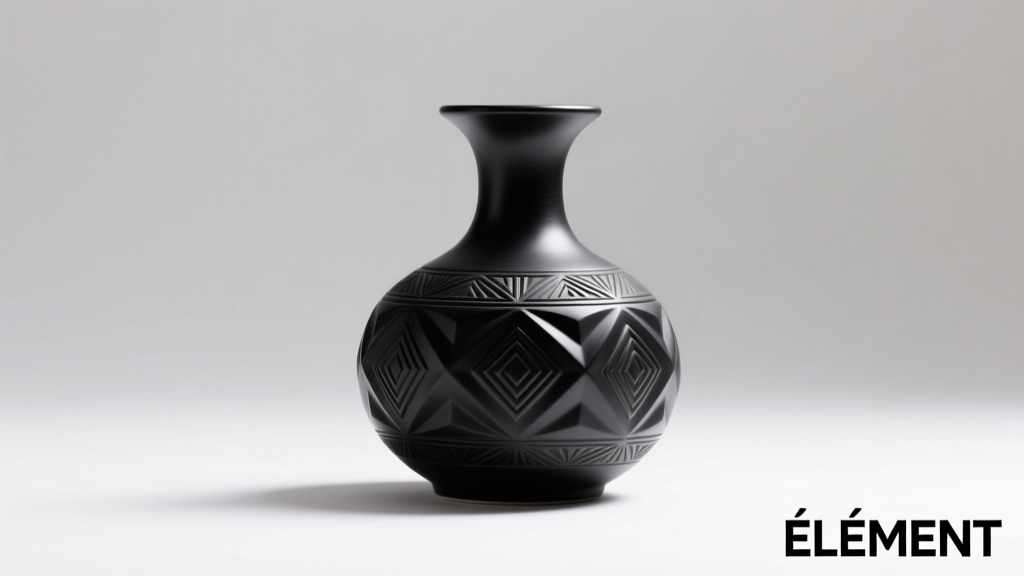
Types of Ice Cream Rectangular Bowls
A rectangular ice cream bowl is more than just a serving dish—it's a functional and aesthetic choice that enhances the presentation, temperature control, and overall experience of enjoying frozen desserts. These bowls come in a variety of materials, each offering unique benefits in terms of durability, thermal retention, and visual appeal. Whether you're serving at home, hosting a party, or operating a professional dessert station, selecting the right type of bowl can make a significant difference.
Classic Ceramic
Traditionally crafted from high-fired clay, ceramic rectangular ice cream bowls offer a timeless, elegant look—often resembling polished stone or granite with a glossy finish.
Advantages
- Excellent thermal retention (keeps ice cream cold longer)
- Non-reactive surface preserves flavor integrity
- Stylish, premium appearance ideal for formal settings
- Smooth, easy-to-clean surface
Limitations
- Heavy and less portable
- Fragile—can chip or crack if dropped
- Limited color and design variety
Best for: Elegant dining, home dessert service, and slow-paced settings where presentation matters
Metal (Stainless Steel/Aluminum)
Made from durable metals like stainless steel or aluminum, these bowls excel in rapid cooling and professional environments.
Advantages
- Superior heat conductivity for quick chilling
- Extremely durable and shatterproof
- Hygienic and easy to sanitize
- Ideal for buffet-style or high-volume serving
Limitations
- Can feel cold or industrial to the touch
- May transfer metallic taste if low quality
- Less visually appealing for intimate settings
Best for: Commercial kitchens, ice cream stations, catering events, and outdoor parties
Glass
Transparent and sleek, glass rectangular ice cream bowls offer a modern, clean aesthetic that highlights the dessert and its toppings.
Advantages
- Crystal-clear visibility enhances visual appeal
- Non-porous and flavor-neutral
- Available in tempered versions for added strength
- Elegant and versatile for both casual and formal use
Limitations
- Prone to cracking from thermal shock (sudden temperature changes)
- Heavier than plastic or silicone
- Can break if dropped or mishandled
Best for: Display-focused serving, layered desserts, and restaurants emphasizing visual presentation
Plastic
Lightweight and affordable, plastic rectangular ice cream bowls are practical for casual or outdoor use.
Advantages
- Highly durable and impact-resistant
- Lightweight and easy to transport
- Available in many colors, shapes, and sizes
- Budget-friendly for large gatherings
Limitations
- Poor thermal retention (ice cream melts faster)
- May absorb odors or stains over time
- Less eco-friendly (especially single-use variants)
Best for: Picnics, children’s parties, outdoor events, and temporary use
Silicone
Flexible and modern, silicone rectangular ice cream bowls are gaining popularity for their user-friendly design and vibrant aesthetics.
Advantages
- Flexible and shatterproof—great for kids and travel
- Non-stick surface makes scooping effortless
- Dishwasher and freezer safe
- Available in fun, bright colors and creative designs
Limitations
- Does not chill as effectively as metal or ceramic
- May warp under high heat (not oven-safe)
- Less rigid, which some may find less premium
Best for: Families, soft-serve desserts, travel, and creative dessert presentations
| Material | Thermal Retention | Durability | Aesthetic Appeal | Best Use Case |
|---|---|---|---|---|
| Classic Ceramic | Excellent | Good | Excellent | Formal dining, home dessert service |
| Metal | Very Good | Excellent | Fair | Commercial kitchens, buffets, parties |
| Glass | Good | Good (if tempered) | Excellent | Display serving, layered desserts |
| Plastic | Fair | Good | Fair | Outdoor events, casual use |
| Silicone | Fair | Very Good | Good | Families, travel, soft-serve |
Pro Tip: For the best ice cream experience, chill your bowl in the freezer for 15–20 minutes before serving. This helps maintain the ideal texture and slows melting, especially with ceramic, metal, or glass bowls.
Design of Ice Cream Rectangular Bowl: Aesthetic and Functional Innovation
While traditionally viewed as a simple, utilitarian vessel for serving frozen desserts, the rectangular ice cream bowl has evolved into a sophisticated blend of form and function. Modern design principles have transformed this everyday item into an artistic centerpiece that enhances both the visual appeal and sensory experience of enjoying ice cream. From material selection to thematic detailing, every aspect of the bowl contributes to a more immersive dessert presentation.
Color and Finish: Enhancing Visual Contrast and Mood
The color and finish of a rectangular ice cream bowl play a crucial role in elevating the dessert's appearance. A glossy deep blue or emerald green bowl creates a striking contrast against vibrant red strawberry or pastel pink swirl ice creams, making the colors pop and stimulating appetite through visual appeal. On the other hand, matte-finished bowls in neutral tones—such as ivory, charcoal, or soft gray—offer a minimalist, elegant backdrop that keeps the focus on the texture and layers of the dessert itself.
Finish types also impact functionality: glossy surfaces are easier to clean and resist staining, while matte finishes reduce glare under restaurant lighting, offering a more refined dining atmosphere. Some premium bowls even feature gradient glazes or reactive釉 finishes that create unique, one-of-a-kind patterns, adding exclusivity to each serving.
Textural Elements for Grip and Appeal
Many modern rectangular ice cream bowls incorporate textural details such as ribbing, engraved patterns, or embossed motifs along the sides or base. These textures serve both aesthetic and practical purposes. Tactile ridges improve grip, reducing the risk of slipping—especially important when serving cold desserts that can cause condensation on the bowl’s exterior.
Beyond usability, texture adds depth and dimension to the bowl’s appearance. A softly ribbed side can catch light and shadow, creating visual interest, while floral or geometric engravings can reflect cultural themes or seasonal decor. This attention to detail turns the bowl into a conversation piece, enhancing the overall dining experience.
Layered and Compartmentalized Design
One of the most innovative features in contemporary rectangular bowls is the inclusion of internal dividers or multi-chamber layouts. These compartmentalized designs are ideal for serving sundaes, parfaits, or flavor-tasting sets where contrasting elements—such as vanilla and chocolate ice cream, fruit compote, sauces, or crunchy toppings—need to remain separate until consumption.
For example, a two- or three-section bowl allows for clean separation of components, preserving texture integrity (e.g., keeping sprinkles crisp or sauces distinct). This structured presentation not only improves portion control but also appeals to visual symmetry, making it popular in gourmet dessert bars and high-end catering services.
Themed and Seasonal Aesthetics
Designers increasingly create rectangular ice cream bowls tailored to specific events, holidays, or cultural themes. A winter-themed bowl might feature frosted glass with laser-etched snowflakes or icy blue accents, perfect for holiday menus or seasonal promotions. Conversely, a tropical design with palm tree silhouettes, coral hues, and sandy beige tones evokes summer vibes, ideal for beachside cafes, luau parties, or barbecue gatherings.
These themed bowls not only enhance ambiance but also support branding and marketing efforts. Limited-edition seasonal bowls encourage social media sharing and repeat visits, turning dessert service into a memorable, shareable experience.
Functional Lids and Integrated Accessories
Advancements in functionality have led to the development of rectangular ice cream bowls with practical add-ons. Snap-on or sliding lids help preserve freshness by minimizing air exposure, preventing freezer burn, and reducing odor absorption—especially useful in commercial kitchens or home freezers.
Some premium sets include matching serving spoons made from durable, food-safe materials like stainless steel or bamboo, often stored within a recessed handle or attached magnetically. This integration of accessories streamlines service, reduces clutter, and elevates the perceived value of the dessert presentation, making it ideal for gift sets or upscale dining environments.
| Design Feature | Primary Benefit | Best Use Cases |
|---|---|---|
| Glossy Finish | Enhances color contrast and ease of cleaning | Vibrant sundaes, commercial dessert bars |
| Matte Finish | Provides elegant, glare-free presentation | Fine dining, tasting menus |
| Textured Sides | Improves grip and visual depth | Family-style servings, outdoor events |
| Compartmentalized Layout | Keeps ingredients separate and organized | Flavor samplers, layered parfaits |
| Themed Decorations | Boosts seasonal appeal and brand identity | Holiday menus, themed restaurants |
| Lids & Accessories | Improves storage and presentation | Take-home desserts, gift sets |
Additional Design Considerations
Note: When selecting or designing ice cream bowls, balance aesthetics with practicality. Overly ornate designs may hinder cleaning or damage in dishwashers, while poor material choices can lead to cracking under temperature changes. Always consider the end-use environment—whether casual, commercial, or decorative—to ensure durability, safety, and optimal user experience.
Scenarios of Ice Cream Rectangular Bowls
Rectangular ice cream bowls are more than just serving dishes—they're functional, stylish, and adaptable tools that enhance the ice cream experience across a wide range of environments. From cozy family nights to upscale dessert presentations, their unique shape and practical design make them a preferred choice for both home users and professionals. Whether you're hosting a party, running a café, or capturing mouthwatering food photos, these bowls offer unmatched versatility and aesthetic appeal.
Home Use
In household settings, rectangular ice cream bowls are ideal for serving generous portions while maintaining neatness and convenience. Their spacious interior easily accommodates full tubs or multiple scoops, making them perfect for family gatherings, movie nights, or weekend treats.
- Generous capacity supports sharing without constant trips to the freezer
- Rectangular shape allows for even distribution of scoops and easy access for all diners
- Airtight, snug-fitting lids prevent freezer burn and preserve flavor and texture over time
- Stackable design saves valuable space in kitchen cabinets and freezers
- Dishwasher-safe materials simplify cleanup after use
Smart tip: Choose insulated or double-walled bowls to slow melting during extended serving periods.
Restaurant & Ice Cream Parlor Use
In commercial dessert venues, presentation and efficiency go hand in hand. Rectangular bowls elevate the visual appeal of sundaes, parfaits, and layered desserts while supporting consistent portion control and streamlined service.
- Modern, clean lines enhance plating aesthetics and align with contemporary café décor
- Uniform shape ensures consistent portioning, reducing waste and improving cost control
- Ideal for building gourmet sundaes with visible layers of ice cream, sauces, fruits, and toppings
- Durable materials (e.g., tempered glass or BPA-free plastic) withstand frequent use and cleaning
- Available in various sizes to match menu offerings—from mini desserts to sharing platters
Pro insight: Pair with branded serving trays for a cohesive and professional presentation.
Special Events & Gatherings
At weddings, birthday parties, corporate events, or holiday celebrations, ice cream is a crowd-pleasing favorite. Rectangular bowls are instrumental in creating interactive dessert stations that delight guests and simplify service logistics.
- Perfect for build-your-own sundae bars with multiple flavors and topping options
- Large surface area allows for organized arrangement of ingredients and clear labeling
- Central placement encourages social interaction and self-service, reducing staffing needs
- Available in elegant designs suitable for formal events or fun patterns for casual parties
- Can be chilled in advance to keep ice cream firm during buffet service
Event pro tip: Use tiered stands with multiple rectangular bowls to create a visually striking dessert display.
Outdoor & Informal Settings
For picnics, barbecues, beach outings, or backyard parties, durability and portability are key. Plastic or silicone rectangular bowls excel in these environments due to their lightweight, shatter-resistant construction.
- Unbreakable materials reduce the risk of accidents around children and outdoor spaces
- Lightweight design makes them easy to carry and transport in coolers or picnic baskets
- Stackable and collapsible options maximize storage efficiency
- Non-slip bases prevent tipping on uneven surfaces
- Available in vibrant colors for easy identification and festive ambiance
Outdoor hack: Pre-scoop and freeze servings in individual rectangular containers for quick grab-and-go convenience.
Food Photography & Styling
In food media, packaging, and advertising, the visual impact of ice cream presentation can make or break a campaign. Rectangular bowls provide a modern, minimalist canvas that highlights textures, colors, and layering techniques.
- Straight edges and clean corners create balanced compositions in flat lays and overhead shots
- Reflective surfaces (glass, ceramic) add depth and shine under studio lighting
- Neutral tones keep focus on the dessert rather than distracting patterns
- Deep sides allow for dramatic height in stacked sundaes and generous topping displays
- Available in matte, glossy, or textured finishes to match different aesthetic themes
Stylist’s secret: Use slightly frosted bowls to mimic a "freshly served" look and enhance condensation effects.
Commercial & Retail Applications
Beyond serving, rectangular bowls play a role in product display, packaging, and branding—especially in supermarkets, gelato shops, and gourmet ice cream brands.
- Used as retail packaging for premium or artisanal ice creams
- Branded bowls reinforce identity and encourage repeat purchases
- Transparent or semi-transparent designs showcase product quality and inclusions
- Resealable lids support on-the-go consumption and extended freshness
- Eco-friendly materials (bioplastics, recyclable containers) appeal to sustainability-conscious consumers
Retail advantage: Unique packaging can differentiate products on crowded shelves and boost perceived value.
Expert Recommendation: When selecting rectangular ice cream bowls, consider the primary use case. For home and casual use, prioritize ease of cleaning and storage. In commercial settings, focus on durability, presentation, and brand alignment. For photography or events, choose bowls with clean lines and neutral finishes that enhance rather than distract from the dessert. Always opt for food-grade, non-toxic materials regardless of application.
| Use Case | Recommended Material | Key Features | Lid Required? |
|---|---|---|---|
| Home Use | Tempered Glass or BPA-Free Plastic | Airtight seal, stackable, freezer-safe | Yes |
| Restaurant Service | Ceramic or Heavy-Duty Plastic | Elegant finish, portion-controlled size | No |
| Outdoor Events | Silicone or Lightweight Plastic | Unbreakable, portable, collapsible | Optional |
| Food Photography | Clear Glass or Acrylic | Transparent, reflective, clean edges | No |
| Retail Packaging | Recyclable Plastic or Biocomposite | Branded design, resealable, shelf-ready | Yes |
Additional Considerations
- Capacity Range: Available from 16 oz (individual servings) to 64+ oz (family or sharing sizes)
- Temperature Resistance: Ensure bowls can withstand temperatures from -40°F to 212°F for freezer-to-table use
- Ergonomic Design: Rounded corners and smooth edges enhance safety and ease of scooping
- Customization: Many suppliers offer engraving, labeling, or color options for branding
- Sustainability: Look for compostable or recyclable options to support eco-friendly operations
Specification & Maintenance of Ice Cream Rectangular Bowls
Rectangular ice cream bowls are a popular choice in both home and commercial settings due to their elegant presentation, efficient portioning, and functional design. The performance, longevity, and hygiene of these bowls depend heavily on their material specifications and proper care. Choosing the right bowl for your needs and maintaining it correctly ensures durability, food safety, and visual appeal over time.
Pro Tip: For optimal serving experience, pre-chill your ice cream bowls in the freezer for 10–15 minutes before use. This helps keep the ice cream firm and enhances flavor perception.
Key Specifications to Consider When Choosing a Rectangular Ice Cream Bowl
- Material: The construction material significantly influences thermal retention, durability, and user experience.
- Metal (Stainless Steel): Excellent at retaining cold temperatures, resistant to chipping and scratching, and highly durable. Ideal for commercial use and outdoor events.
- Glass: Offers a sleek, modern appearance and is non-porous, preventing odor absorption. Resistant to temperature changes but can crack under sudden thermal shock.
- Ceramic: Provides a classic, elegant look and good thermal stability. However, it is fragile and must be handled carefully to avoid chipping or cracking.
- Plastic (BPA-Free): Lightweight and affordable, making it suitable for casual or children’s use. Less durable over time and prone to staining or odor retention.
- Silicone: Flexible, shatterproof, and often collapsible for easy storage. Great for travel or kids, but may absorb odors if not cleaned properly.
- Size & Capacity: Selecting the right size ensures portion control and aesthetic balance.
- Single-Serve (6–8 oz): Perfect for individual desserts, sundaes, or tasting flights.
- Family-Size (16 oz to 1 qt): Suitable for sharing, parfait layers, or restaurant presentations.
- Height & Depth: Taller bowls (2.5–4 inches) accommodate layered desserts like parfaits or banana splits. Shallower bowls (1–2 inches) provide a wide surface for toppings and artistic plating.
- Surface Treatment & Non-Stick Properties: The interior finish affects scooping ease and cleaning.
- Polished metal and silicone surfaces allow for smooth ice cream release with minimal residue.
- Glass and ceramic bowls have naturally smooth interiors but may require more scrubbing if sticky toppings (like caramel or fudge) are used.
- Some high-end bowls feature non-stick coatings to enhance cleanability—avoid using abrasive scrubbers to preserve the finish.
- Stability, Weight & Ergonomics: The bowl’s weight and base design impact usability.
- Heavier materials like glass and metal provide a premium, stable feel and resist tipping.
- Lightweight plastic and silicone bowls are ideal for kids, picnics, or buffet-style setups where portability is key.
- Look for bowls with a wide, flat base to prevent sliding during serving.
Essential Maintenance Tips for Long-Lasting Ice Cream Bowls
- Cleaning Best Practices:
- Most metal, glass, and high-quality plastic bowls are dishwasher-safe (top rack recommended for delicate items).
- Silicone and hand-painted ceramic bowls should be hand-washed with mild detergent to preserve integrity and color.
- Always rinse immediately after use—hardened ice cream and sugary toppings become difficult to remove if left to dry.
- Preventing Odors in Plastic & Silicone Bowls:
- These materials can absorb food odors over time, especially from strong-flavored toppings.
- To deodorize, soak in a solution of warm water and white vinegar (1:1 ratio) for 15–30 minutes, then rinse thoroughly.
- Alternatively, use baking soda paste for stubborn smells. Avoid storing these bowls with strong-smelling foods.
- Avoiding Thermal Shock (Glass & Ceramic):
- Never transfer a glass or ceramic bowl directly from the freezer to a hot dishwasher or vice versa.
- Allow the bowl to reach room temperature before exposing it to extreme heat or cold to prevent cracking.
- This is especially important after serving frozen desserts—let the bowl sit for 10–15 minutes before washing.
- Proper Storage Techniques:
- Store glass, ceramic, and metal bowls upright in a dry cabinet with adequate spacing to prevent chipping.
- Avoid stacking heavy items on top of delicate bowls to prevent breakage.
- Silicone and collapsible plastic bowls can be stacked or nested to save space—ensure they are completely dry before storing.
- Regular Inspection for Wear & Damage:
- Check silicone and plastic bowls regularly for warping, cloudiness, or surface stickiness—signs of material degradation.
- Discard any bowl with cracks, chips, or deep scratches, as these can harbor bacteria and compromise safety.
- Replace bowls that no longer maintain their shape or have persistent odors despite cleaning.
| Material | Durability | Cleaning Method | Thermal Resistance | Best Use Case |
|---|---|---|---|---|
| Stainless Steel | Very High | Dishwasher Safe | Excellent (retains cold) | Commercial, outdoor, or elegant dining |
| Glass | Medium-High | Dishwasher Safe (avoid thermal shock) | Good (with care) | Home dining, layered desserts |
| Ceramic | Medium | Hand Wash Recommended | Fair (avoid rapid temp changes) | Decorative serving, restaurants |
| Plastic (BPA-Free) | Low-Medium | Dishwasher Safe (top rack) | Poor | Kids, casual events, disposable use |
| Silicone | Medium | Hand Wash Preferred | Good (flexible, freezer-safe) | Travel, storage, children’s use |
Expert Tip: Label your bowls by size or use case (e.g., “Kids,” “Dessert,” “Parfait”) to streamline service in commercial kitchens or large households. This improves efficiency and reduces cross-contamination risks.
Additional Care Recommendations
- Use wooden or silicone spoons to avoid scratching delicate surfaces.
- Avoid using steel wool or abrasive cleaners on any bowl—opt for soft sponges instead.
- Rotate your bowl inventory regularly to prevent long-term storage damage.
- For commercial use, follow local health codes regarding food contact surfaces and sanitization.
- Consider investing in insulated bowls for outdoor events to keep ice cream firm longer.
By carefully selecting the right rectangular ice cream bowl based on material, size, and function—and following proper cleaning and storage practices—you can ensure long-term performance, food safety, and an enhanced dessert experience. Whether for home enjoyment or professional service, well-maintained bowls contribute significantly to presentation, hygiene, and customer or family satisfaction.
Frequently Asked Questions About Rectangular Ice Cream Bowls
Q1: Why is a rectangular bowl not suitable for ice cream in comparison to other shapes?A1: Contrary to common assumptions, a rectangular ice cream bowl can actually be more practical than round or oval alternatives. Its straight sides and flat base provide greater surface area, making it easier to scoop and serve ice cream cleanly without rolling it around. The corners allow for efficient scraping, reducing waste, while the shape fits neatly into freezers and refrigerators, maximizing storage space. Additionally, rectangular bowls often have a modern, elegant appearance that enhances presentation during gatherings or dessert service.
While round bowls are traditional, the rectangular design offers functional advantages—especially for households that frequently serve ice cream or store larger portions. Ultimately, shape preference may vary, but functionality and ease of use make the rectangular bowl a strong contender.
Q2: What is the fairest material for a rectangular ice cream bowl?A2: The ideal material for a rectangular ice cream bowl depends on its intended use—whether for serving, storing, or outdoor enjoyment. Each material offers unique benefits:
- Metal (e.g., stainless steel): Excellent for cooling retention. Double-walled insulated metal bowls keep ice cream firm longer, making them perfect for outdoor events or hot climates.
- Glass: Non-reactive, easy to clean, and visually appealing. Glass retains cold well and allows you to see the contents, ideal for elegant serving at dinner parties.
- Ceramic: Offers superior thermal mass, helping maintain temperature. Glazed ceramic bowls are stylish and great for table presentation, though they are fragile and heavier.
- Silicone: Lightweight, flexible, and virtually unbreakable. Ideal for children’s use, travel, or casual gatherings. Often dishwasher and freezer-safe.
- Plastic (BPA-free): Durable and affordable, best suited for picnics, parties, or everyday family use. Less insulating than metal or ceramic but very convenient.
For most home users, glass or ceramic provides the best balance of aesthetics and function. For portability and durability, silicone or plastic are excellent choices. Metal is best when temperature control is critical.
Q3: Does a rectangular ice cream bowl require a lid?A3: While a lid is not strictly necessary for immediate serving, it is highly beneficial for storage and preservation. A well-fitted lid—especially one made of food-grade silicone or plastic—offers several key advantages:
- Prevents Freezer Burn: Seals out air to stop ice crystals from forming on the surface of the ice cream.
- Preserves Flavor: Blocks absorption of odors from other foods in the freezer, keeping your ice cream tasting fresh.
- Reduces Contamination: Keeps dust, bacteria, and foreign particles out, improving hygiene and food safety.
- Extends Shelf Life: Properly sealed bowls help maintain texture and quality for longer periods.
- Enables Portability: Lidded bowls are easier to transport without spills, ideal for potlucks or sharing.
Many modern rectangular ice cream containers come with snap-on or airtight lids, combining serving elegance with practical storage. If you buy ice cream frequently or make homemade batches, choosing a lidded bowl is a smart investment in quality and convenience.
Q4: How big should a rectangular ice cream bowl be?A4: The ideal size of a rectangular ice cream bowl depends on its primary purpose—individual serving, family sharing, or long-term storage. Here’s a breakdown by capacity and use:
| Capacity | Best For | Typical Dimensions (approx.) |
|---|---|---|
| 6–8 oz (175–240 ml) | Single serving, dessert presentation | 5" x 3" x 1.5" |
| 16 oz (1 pint / 475 ml) | Two servings or small storage | 7" x 4" x 2" |
| 32 oz (1 quart / 950 ml) | Family sharing, party serving, or full ice cream tub replacement | 9" x 5" x 2.5" |
| 64 oz+ (Half gallon / 1.9L+) | Bulk storage, commercial use, or homemade batch freezing | 11" x 7" x 3"+ |
For everyday use, a 6–8 oz bowl is perfect for individual desserts. Larger 1-quart containers are excellent for replacing standard ice cream cartons in the freezer, offering easier scooping and better stackability. Always consider your freezer space and portion habits when selecting size.
Q5: Is it possible for a silicone-made rectangular ice cream bowl to endure the dishwasher?A5: Yes, most high-quality silicone ice cream bowls are fully dishwasher-safe and designed to withstand repeated exposure to hot water, steam, and commercial-grade detergents. Silicone is inherently heat-resistant (typically up to 400°F/204°C), non-porous, and resistant to staining and odors, making it ideal for automatic cleaning.
For best results:
- Place the bowl on the top rack of the dishwasher to avoid direct contact with heating elements.
- Ensure the bowl is made from food-grade, platinum-cured silicone for maximum durability and safety.
- Avoid abrasive scrubbers if hand-washing, as they can damage the surface over time.
- Allow the bowl to cool before placing it in cold water to prevent thermal shock (though silicone is highly resistant).
After washing, stack bowls carefully to prevent deformation, or store them upright. Always check the manufacturer’s label for specific care instructions, as additives or fillers in lower-quality silicone may affect performance. With proper care, a silicone ice cream bowl can last for years while remaining hygienic and convenient.









