Puppies explore the world with their mouths. Biting during play is natural behavior—it’s how they learn about texture, pressure, and social boundaries. But when that playful nip turns into persistent hand-chewing, it becomes a problem. For owners of particularly stubborn puppies, this habit can feel impossible to break. The good news? With consistency, patience, and the right approach, even the most determined biters can be taught to play gently.
This guide breaks down the science behind puppy mouthing, offers actionable training strategies, and provides real-world solutions for managing and eliminating hand-biting during play sessions. No gimmicks, no harsh corrections—just effective, humane methods backed by animal behavior experts.
Understanding Why Puppies Bite Hands
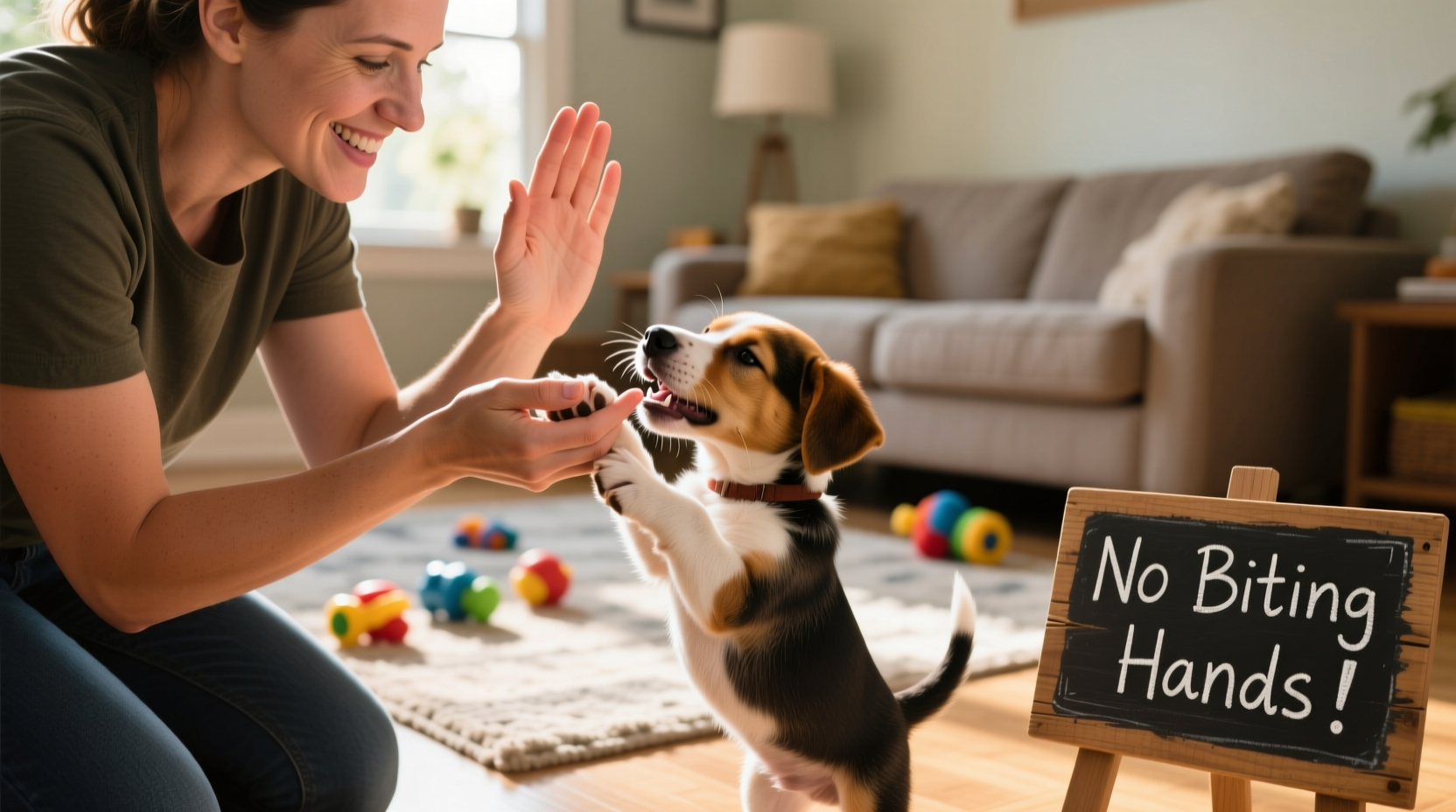
Biting isn’t malicious. In fact, it’s deeply rooted in a puppy’s developmental stage. From three weeks to around five months, puppies use their mouths to investigate objects, initiate play, and communicate with littermates. During these interactions, they learn bite inhibition—the ability to control the force of their jaws—through feedback from other dogs. If a pup bites too hard, the playmate yelps and stops playing. This social correction teaches restraint.
When a puppy joins a human household, especially one without older dogs, that feedback loop is missing. Human hands become targets because they’re always moving, warm, and often used during interaction. A wiggling finger or waving hand is irresistible. Without proper redirection, the puppy learns that biting hands leads to attention—even if it’s negative.
“Puppies don’t come pre-programmed to know what’s acceptable. They learn through repetition and consequences.” — Dr. Sophia Yin, DVM, Applied Animal Behaviorist
The challenge with stubborn puppies is not defiance but persistence. These pups are often highly energetic, intelligent, and motivated by interaction. They’ll test boundaries repeatedly until they understand the rules. That’s not bad behavior—it’s learning in action.
Step-by-Step Guide to Stop Hand Biting
Eliminating hand biting requires replacing the unwanted behavior with a more appropriate alternative. This process takes time, but following a structured plan increases success.
- Recognize the triggers. Observe when biting occurs: during excitement, fatigue, or specific types of play. Most hand biting happens when owners use their hands as toys—wiggling fingers, tickling, or roughhousing.
- Stop reinforcing the behavior. Do not pull your hand away quickly—it mimics prey movement and encourages chasing. Avoid yelling or pushing, which may escalate arousal.
- Use the “Yelp and Withdraw” method. When bitten, let out a high-pitched “ouch!” (like a hurt puppy) and immediately stop all interaction. Turn away or leave the room for 20–30 seconds. This mimics how littermates respond to painful bites.
- Redirect to an appropriate toy. After the pause, offer a chew toy. If the puppy engages, praise calmly and continue play. If they return to biting hands, repeat the withdrawal.
- Practice short, controlled play sessions. Limit playtime to 5–10 minutes initially. End on a calm note—after successful toy engagement—before overstimulation sets in.
- Build impulse control with basic commands. Teach “sit,” “leave it,” and “wait” during low-distraction moments. These create mental brakes for impulsive biting.
Do’s and Don’ts When Handling a Biting Puppy
Mistakes in response can reinforce the very behavior you’re trying to eliminate. Use this table as a quick reference for effective responses.
| Do’s | Don’ts |
|---|---|
| Use verbal cues like “ouch” or “no bite” in a calm tone | Scream, slap, or shake the puppy |
| Redirect to a chew toy immediately after stopping play | Continue playing after a hard bite |
| End play sessions before the puppy becomes overexcited | Wag fingers or hands near the puppy’s face to tease |
| Use time-outs consistently for repeated biting | Hold the puppy down or pin them (can increase resistance) |
| Practice bite inhibition exercises daily | Rub faces in messes or use physical punishment |
Real Example: Training Max, the Terrier Mix
Max, a 14-week-old Jack Russell terrier mix, was adopted by a first-time owner. He loved playtime but would latch onto hands during any interaction. His owner tried saying “no,” spraying water, and even ignoring him—but Max only became more persistent.
A certified dog trainer assessed the situation and identified two key issues: the owner was using her hands during play, and she wasn’t consistent with time-outs. The plan was simple:
- All hand-play stopped immediately.
- Every time Max bit skin, the owner said “ouch,” stood up, and walked into another room for 30 seconds.
- After each time-out, she offered a rubber tug toy.
- She introduced short “sit” and “touch” command sessions before play to build focus.
Within ten days, Max began pausing after nipping, looking at the toy bin. By day 18, he redirected himself without prompting. The owner reported that Max now grabs his toy when excited instead of reaching for hands. Consistency—not force—was the turning point.
Essential Training Tools and Environment Setup
Your environment shapes behavior. A chaotic, overstimulating space makes bite inhibition harder to teach. Set up your home to support training success.
Must-Have Supplies
- Durable chew toys (rubber Kongs, rope toys, teething rings)
- Treat pouch for quick rewards
- Leash for indoor management (to gently guide puppy away if needed)
- Exercise pen or baby gates to create calm zones
Creating a Bite-Smart Environment
Designate a play area free of distractions. Remove tempting items like shoelaces, clothing, or dangling cords. Rotate toys weekly to maintain interest. Use frozen wet towels stuffed in a Kong for teething relief—this reduces the urge to chew on anything available, including hands.
Tip: Freeze chicken broth in a Kong to make it extra appealing. Cold textures soothe gums and distract from biting people.Advanced Techniques for Stubborn Cases
Some puppies need more structure. If basic redirection isn’t working, try these advanced strategies.
Time-Out Protocol (Calm-Down Method)
When the puppy bites:
- Say “too bad” or “game over” once.
- Immediately carry or lead the puppy to a quiet, safe space (crate or exercise pen).
- Wait 30–60 seconds in silence.
- Release and offer a toy. If gentle play resumes, praise softly.
This method works because it removes all stimulation—a stronger consequence than just walking away. It teaches that biting ends fun, while gentle play continues.
Positive Reinforcement Schedule
Reward desired behaviors on a variable schedule:
- First week: reward every time the puppy chooses a toy over hands.
- Second week: reward 4 out of 5 times.
- Third week: reward unpredictably—keeps the puppy engaged.
This builds long-term reliability. Puppies work harder when rewards are occasional but possible.
“Consistency across all family members is the single biggest predictor of success in puppy training.” — Ian Dunbar, Veterinarian and Founder of Sirius Dog Training
FAQ: Common Questions About Puppy Biting
Is it normal for my puppy to bite so much?
Yes. Mouthing peaks between 8 and 16 weeks and gradually declines as bite inhibition develops. Some breeds (terriers, herding dogs) may persist longer due to higher drive. The key is teaching alternatives, not expecting it to stop overnight.
Should I punish my puppy for biting?
No. Physical punishment damages trust and can increase fear or aggression. Instead, remove attention and redirect. Punishment may suppress biting temporarily but doesn’t teach what to do instead.
What if my puppy bites and won’t let go?
If the puppy clamps down and shakes, avoid pulling your hand back. Instead, push *into* the mouth slightly—this surprises them and often causes release. Immediately end play and walk away. Offer a toy afterward. Never stick your fingers down the throat or hit the puppy.
Checklist: How to Train a Stubborn Puppy Not to Bite Hands
Follow this checklist daily for at least two weeks to see measurable improvement:
- ✅ Eliminate hand-play completely
- ✅ Keep chew toys visible and accessible
- ✅ Respond to every bite with “ouch” and a 20–30 second time-out
- ✅ Redirect to a toy after each time-out
- ✅ Practice 5-minute command sessions daily (sit, leave it, touch)
- ✅ End play before overexcitement begins
- ✅ Involve all household members in consistent training
- ✅ Monitor progress weekly—note fewer bites and faster redirection
Conclusion: Building a Gentle, Confident Companion
Training a stubborn puppy to stop biting hands isn’t about dominance—it’s about communication. Puppies don’t misbehave to annoy us; they act based on instinct and reinforcement. Your job is to guide them toward better choices using clarity, consistency, and kindness.
Every time you redirect a bite to a toy, you’re shaping a lifelong habit. Every time-out teaches cause and effect. Over weeks, these small actions compound into a well-mannered dog who knows how to play without pain.
💬 Start today: Pick up a chew toy, commit to the 30-second rule, and stay consistent. Share your progress in the comments—your experience could help another frustrated pet parent turn a biting phase into a bonding journey.








