Hamsters are naturally inclined to chew—it's how they maintain their ever-growing teeth and explore their environment. But when that instinct turns toward gnawing on metal cage bars, it raises concerns for both the pet’s safety and the owner��s peace of mind. Not only can persistent bar chewing lead to dental damage or jaw fatigue, but it may also signal stress, boredom, or inadequate living conditions.
The good news is that this behavior can be redirected without punishment or harmful deterrents. With thoughtful environmental enrichment, proper nutrition, and a deeper understanding of hamster psychology, you can create a habitat where bar chewing becomes unnecessary—and undesirable—for your little companion.
Understanding Why Hamsters Chew Cage Bars
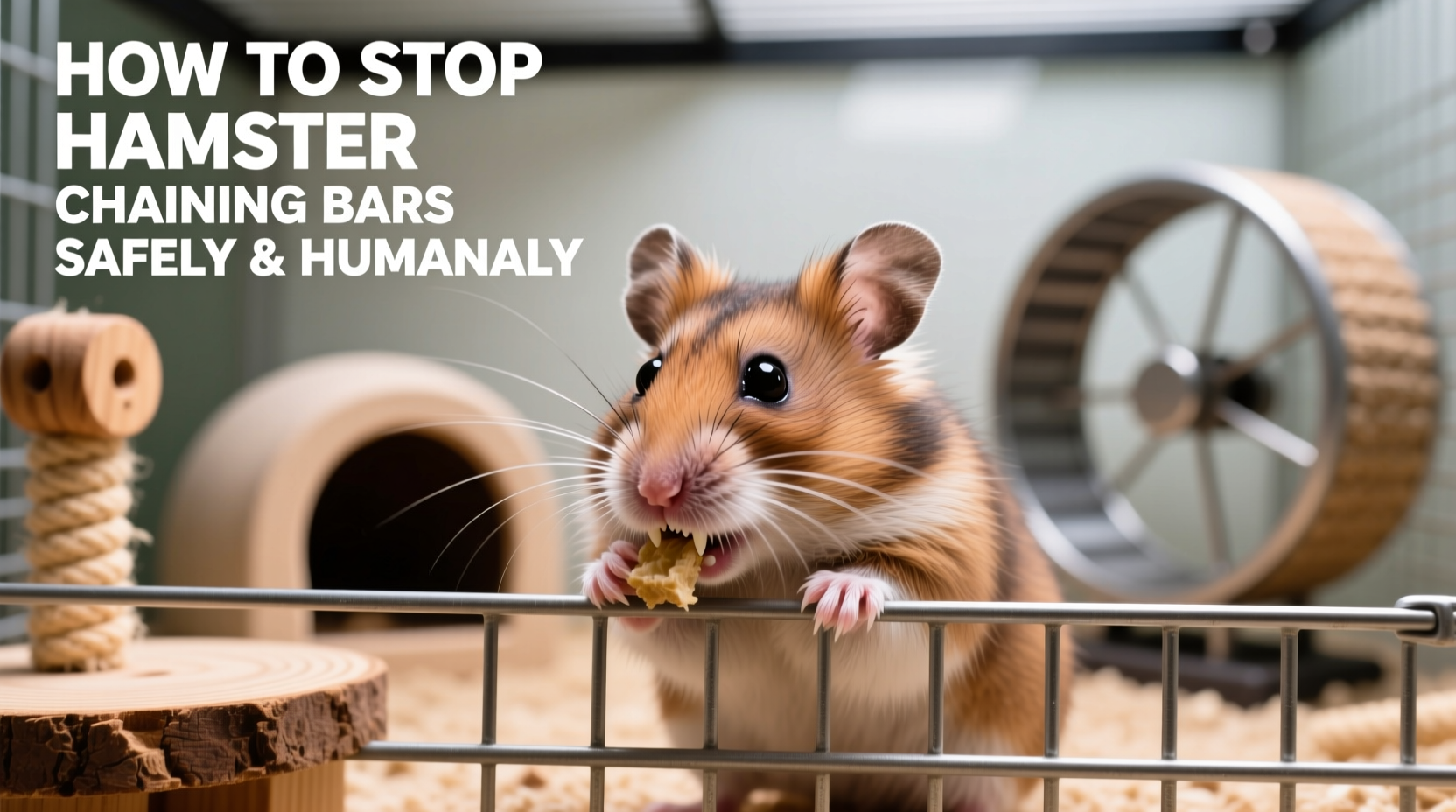
Before addressing the behavior, it’s essential to understand its root causes. Hamsters don’t chew cage bars out of defiance; they do so because of unmet physical or psychological needs. Common reasons include:
- Dental health needs: A hamster’s incisors grow continuously—up to 5 inches per year—requiring constant wear through chewing.
- Boredom: Small enclosures with limited stimulation often lead to repetitive behaviors like bar chewing.
- Stress or anxiety: Loud environments, improper handling, or lack of hiding spaces can trigger stress-related chewing.
- Seeking attention: Some hamsters learn that chewing makes noise, which gets them noticed.
- Poor cage design: Wire-bottomed or undersized cages encourage bar contact and increase frustration.
“Bar chewing in hamsters is rarely just a habit—it’s a communication. It tells us something is missing in their environment.” — Dr. Lena Patel, Exotic Animal VeterinarianTip: Observe when your hamster chews most often—during the day, after feeding, or at night—to identify potential triggers.
Provide Appropriate Chewing Alternatives
The cornerstone of stopping bar chewing lies in redirecting the behavior toward safer, more satisfying options. Hamsters need fibrous, hard materials to grind down their teeth effectively.
Offer a rotating selection of safe chew toys made from natural, non-toxic materials:
- Untreated wood blocks (apple, willow, or pine-free softwoods)
- Paper-based chew sticks
- Cardboard tubes from toilet paper or paper towels
- Hay cubes or compressed alfalfa blocks
- Ceramic or mineral chew stones (ensure no sharp edges)
Rotate these items weekly to maintain novelty. Hamsters quickly lose interest in static environments, so introducing new textures and shapes keeps engagement high.
Chew Toy Safety Checklist
- Free from varnish, glue, or chemical treatments
- No small parts that could break off and cause choking
- Appropriately sized—large enough not to be swallowed
- Replaced when worn down or contaminated
Optimize the Living Environment
A hamster’s enclosure should support natural behaviors: digging, nesting, exploring, and chewing. An undersized or poorly equipped cage sets the stage for stress-induced habits.
The minimum recommended floor space for a single Syrian hamster is 450 square inches (about 29 x 15 inches), while dwarf species need at least 300 square inches. However, bigger is always better.
Key Cage Features That Reduce Bar Chewing
| Feature | Recommended | Avoid |
|---|---|---|
| Floor Type | Solid plastic base with deep bedding | Wire mesh flooring |
| Bedding Depth | 6–8 inches of aspen or paper-based bedding | Less than 2 inches |
| Hiding Spots | At least two enclosed shelters | Open-top houses |
| Enrichment | Tunnels, dig boxes, climbing structures | Plastic wheels only |
| Cage Material | Plastic bins or glass tanks with secure mesh lids | Wire-only cages |
Deep bedding allows for natural burrowing, which reduces stress and redirects chewing energy into tunneling. Add a designated “dig box” filled with shredded paper or clean soil (baked to sterilize) for extra sensory engagement.
“Hamsters are prey animals. They feel safest when they can hide, dig, and control their surroundings. A bare cage is a stressful one.” — Rachel Kim, Small Mammal Behavior Specialist
Step-by-Step Plan to Stop Bar Chewing
Addressing bar chewing requires consistency and patience. Follow this 4-week plan to create lasting change:
- Week 1: Assess and Upgrade the Habitat
Replace wire cages with a large plastic bin or glass aquarium. Add deep bedding, multiple hides, and at least three chew-safe items. Remove any toxic toys or unsafe materials. - Week 2: Introduce Foraging and Mental Stimulation
Hide food throughout the cage instead of using a bowl. Use puzzle feeders or DIY toilet paper rolls stuffed with seeds. Rotate chew toys every 3–4 days. - Week 3: Monitor Behavior and Adjust
Keep a log of when chewing occurs. If it happens at night, consider adding a quiet chew toy near the sleeping area. If it follows interaction, assess whether handling is too frequent or forceful. - Week 4: Reinforce Positive Habits
Reward your hamster with praise or a small treat (like a pea or carrot piece) when observed chewing appropriate items. Never punish—this increases fear and worsens stress.
By the end of this period, most hamsters significantly reduce or eliminate bar chewing, especially if their environment supports species-specific needs.
Nutrition’s Role in Chewing Behavior
Diet plays a crucial role in dental health and overall behavior. A hamster fed only soft foods or seed mixes lacks the abrasive material needed to wear down teeth naturally.
Ensure your hamster receives a balanced diet including:
- A high-quality pelleted food (not seed-only diets, which encourage selective eating)
- Timothy hay available daily (excellent for grinding teeth and digestion)
- Occasional fresh vegetables like carrots, broccoli stems, or apple slices (without seeds)
- Hard grains or oats as occasional treats
Supplementing with safe, fibrous foods gives hamsters an alternative outlet for chewing. For example, offering a small branch from an apple tree (washed and pesticide-free) provides hours of gnawing satisfaction.
Tip: Freeze kale or parsley leaves for a crunchy, long-lasting chew treat that also promotes hydration.Real-Life Example: Luna the Syrian Hamster
Luna, a 10-month-old Syrian hamster, lived in a standard wire cage with a plastic bottom. Her owner noticed she chewed the bars constantly, especially at night, and had begun losing weight. Concerned, she consulted a vet, who ruled out dental malocclusion but suggested environmental enrichment.
The owner transitioned Luna to a 60-gallon storage bin setup with 8 inches of aspen bedding, two ceramic hides, a wooden house, and a variety of chew toys. She replaced the seed mix with a pelleted diet and introduced daily hay.
Within two weeks, Luna’s bar chewing decreased dramatically. By week four, she was building complex tunnels and spending time chewing on a willow block instead. Her activity levels normalized, and she gained back lost weight.
This case illustrates how addressing root causes—not just symptoms—leads to lasting behavioral improvement.
Common Mistakes to Avoid
Even well-meaning owners sometimes make errors that worsen the problem. Here are key pitfalls:
- Using bitter sprays: These can irritate mucous membranes and don’t address the underlying issue.
- Smacking the cage: This startles the hamster and increases anxiety.
- Assuming it’s “just a phase”: If left unchecked, chronic bar chewing can lead to tooth fractures or misalignment.
- Overlooking social needs: While hamsters are solitary, they still benefit from gentle, consistent interaction.
Instead of reacting to the chewing, focus on prevention through proactive care.
FAQ: Frequently Asked Questions
Is cage bar chewing dangerous for my hamster?
Yes. Repeated gnawing on metal can cause enamel wear, tooth fractures, or even jaw strain. It may also lead to ingestion of metal particles, which can irritate the digestive tract. Additionally, it’s a sign of unmet welfare needs.
Can I let my hamster chew on anything wood?
No. Only use untreated, non-toxic woods like apple, willow, or aspen. Avoid cedar, pine (unless kiln-dried and labeled safe), and any wood treated with chemicals, paint, or varnish.
Will getting a larger cage definitely stop the chewing?
A larger cage helps, but size alone isn’t enough. The cage must also include enrichment, hiding spots, and chew alternatives. A big empty space can still be boring.
Conclusion: A Humane Approach to a Common Challenge
Stopping your hamster from chewing cage bars isn’t about suppression—it’s about understanding and compassion. When we meet their biological and emotional needs, hamsters naturally choose healthier behaviors. Safe chew options, a spacious and stimulating home, and a balanced diet form the foundation of a happy, bar-chewing-free life.
Every hamster deserves an environment where they feel secure, engaged, and physically comfortable. By making thoughtful changes today, you’re not just eliminating a nuisance habit—you’re enhancing your pet’s overall well-being.
💬 Have you successfully reduced bar chewing in your hamster? Share your story or tips in the comments—your experience could help another pet parent!








