Puppy biting is one of the most common challenges new dog owners face. While it’s rarely aggressive, the habit of nipping at ankles—especially during play or movement—can become painful, frustrating, and socially awkward. The good news: with consistency, timing, and the right techniques, you can stop a puppy from biting ankles in as little as a few days. This guide breaks down proven, humane methods grounded in canine learning theory and real-life application.
Why Puppies Bite Ankles (And Why It’s Not Personal)
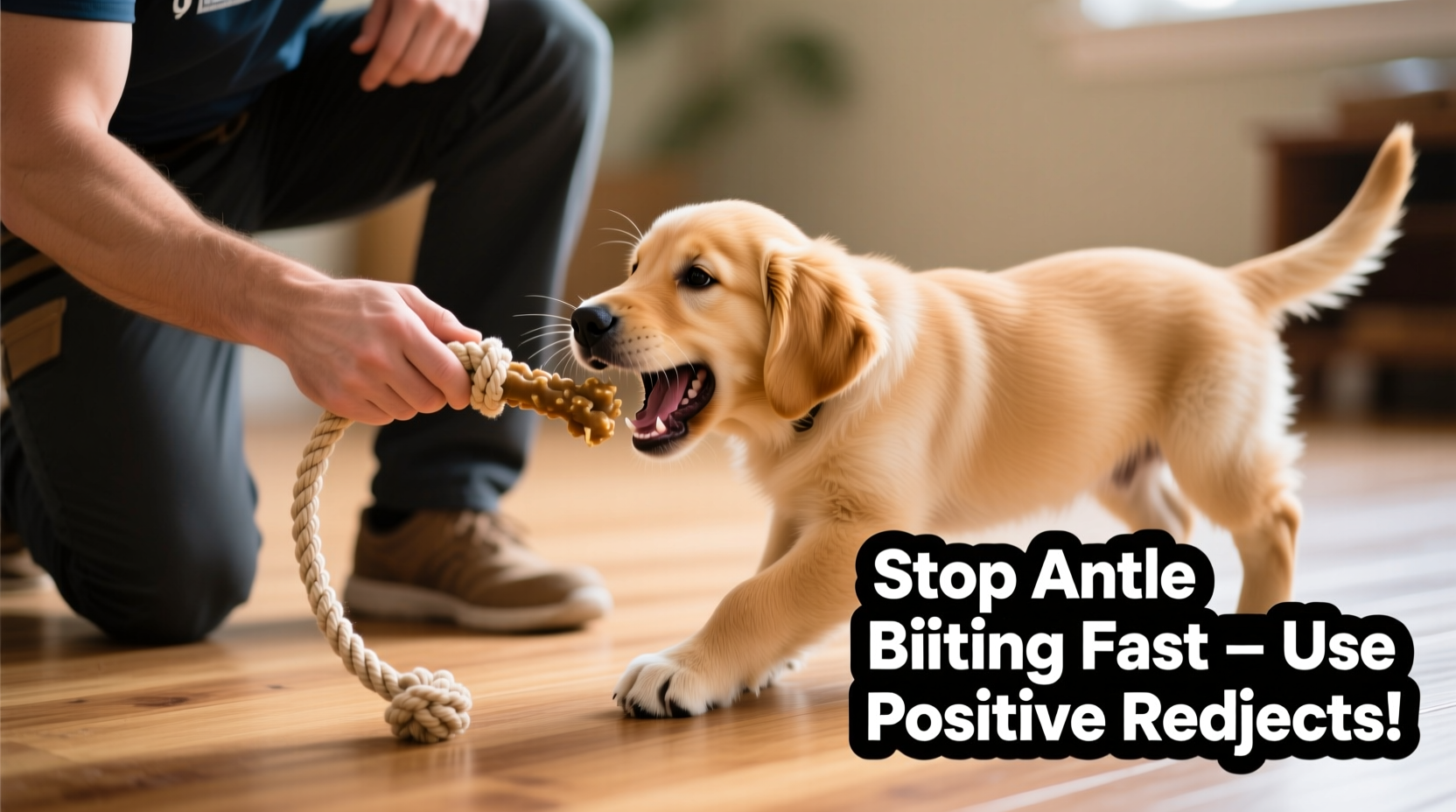
Puppies explore the world with their mouths. Their teeth are tools for discovery, social interaction, and teething relief. Biting moving objects like feet and ankles is instinctual. Fast motion triggers their prey drive—the same impulse that makes them chase squirrels or toys. When you walk past, your moving legs look like something to grab, especially to breeds with high herding or hunting instincts like Australian Shepherds, Terriers, or Border Collies.
This behavior isn’t about dominance or malice. It’s play, curiosity, and overstimulation. However, if not redirected early, it becomes reinforced. Every time a puppy bites and you react—even by yelling or pulling away—they get attention, movement, and excitement, which reinforces the behavior.
“Puppies don’t grow out of biting. They grow into it—unless we teach them better ways to interact.” — Dr. Sarah Wilson, Certified Applied Animal Behaviorist
Immediate Actions That Work Within 48 Hours
Stopping ankle biting doesn’t require complex tools or months of training. What matters most is consistency, timing, and immediate redirection. Here’s what to do the next time your puppy lunges at your foot:
- Freeze and Stop Moving: When your puppy bites, immediately stop walking. Stand still like a statue. Movement fuels the chase; stillness removes the reward.
- Redirect to an Appropriate Chew Toy: As soon as they release your ankle, offer a chew toy. Keep several on hand near high-traffic areas.
- Resume Walking Calmly: Only move again once all four paws are on the ground and the mouth is off your skin. If they bite again, repeat the freeze.
- Use a Verbal Cue (Optional but Effective): Say “Ouch!” in a high-pitched, startled tone—similar to how a littermate would yelp. Then disengage for 10–20 seconds.
This method works because it mimics natural puppy communication. In a litter, puppies learn bite inhibition when siblings yelp and stop playing. You’re applying the same principle.
Tip: Wear long sweatpants or soft leggings during initial training. It reduces skin exposure and minimizes accidental scratches.Step-by-Step Training Timeline (Day 1 to Day 7)
Most puppies show significant improvement within a week when these steps are followed consistently.
| Day | Action Plan | Expected Outcome |
|---|---|---|
| 1–2 | Identify triggers (walking, running, sudden movements). Freeze + redirect every single bite. Use verbal cue “Ouch!” | Reduced frequency of bites; puppy begins to associate biting with play pause. |
| 3–4 | Add structured chew sessions. Practice walking across room slowly. Reward calm behavior with treats. | Puppy starts looking for toys when excited. Fewer unsolicited bites. |
| 5–6 | Introduce leash walks in low-distraction areas. Redirect biting with toy before it happens. | Puppy anticipates redirection. Begins self-inhibiting after mouthing. |
| 7 | Test in real-world scenarios (e.g., visitors arriving). Use management tools if needed (leash indoors). | Biting reduced by 80–90%. Occasional lapses corrected instantly. |
The key is repetition. Each interaction teaches your puppy that biting = end of fun, while calm behavior = continuation of attention and play.
Essential Tools and Environment Management
Training alone isn’t enough. Managing your puppy’s environment prevents rehearsal of unwanted behavior. Every time they bite and aren’t corrected, the habit strengthens.
- Chew Toys on Rotation: Have multiple types—rope toys, rubber Kongs, plush with squeakers. Rotate them daily to maintain interest.
- Baby Gates or Leashes Indoors: Use a 6-foot leash attached to your belt (with harness) to gently interrupt bites before they happen.
- Calm Zones: Designate a safe space (crate, exercise pen) filled with chews where the puppy goes when overstimulated.
- Exercise and Mental Stimulation: A tired puppy is less likely to bite. Aim for 30–60 minutes of age-appropriate activity daily (sniffing walks, puzzle toys, short training).
Avoid punishment-based methods like spraying water, grabbing the mouth, or alpha rolls. These damage trust and can increase fear-based aggression. Positive reinforcement builds cooperation.
Do’s and Don’ts: Quick Reference Table
| Do | Don’t |
|---|---|
| Redirect to a chew toy immediately | Let the puppy chew on hands or clothes, even during play |
| Use high-value treats for calm behavior | Yell, hit, or physically punish |
| Practice short training sessions multiple times a day | Ignore repeated biting hoping they’ll “grow out of it” |
| Use baby gates to manage high-energy moments | Allow children to run and scream, triggering chase behavior |
| Stay consistent across all family members | Have mixed rules (e.g., one person allows mouthing, another doesn’t) |
Real Example: Fixing Heel-Biting in a 12-Week-Old Labrador
Sophia adopted Max, a 12-week-old yellow Lab, and quickly noticed he chased her feet every time she walked to the kitchen. The biting drew blood twice. Frustrated, she considered returning him.
She started using the freeze-and-redirection method. For two days, every time Max bit, she froze, waited for release, then offered a frozen braid toy. She kept three toys near doorways. She also began tethering Max to her waist with a short leash during household activity so she could prevent bites before they happened.
By day four, Max hesitated before lunging. By day six, he grabbed his toy when she stood up. After one week, the ankle biting stopped entirely. Now at six months, Max still gets excited—but he grabs his toy instead of her ankles.
The turning point wasn’t a miracle trick—it was consistency. Every family member followed the same rules. No exceptions.
Expert-Backed Tips for Long-Term Success
While stopping the behavior quickly is possible, lasting results come from reinforcing alternatives. Here are advanced strategies used by professional trainers:
- Teach a “Leave It” Command: Start with treats in a closed hand. When the puppy stops nudging, say “Leave it” and reward with a different treat. Progress to moving objects.
- Build Impulse Control: Practice “sit” before meals, toys, or going outside. This teaches patience and self-regulation.
- Use Food-Stuffed Toys During High-Risk Times: Give a Kong filled with peanut butter (xylitol-free) when guests arrive or during TV time to prevent boredom biting.
- Train an Alternative Behavior: Teach “go to mat” or “find it” (treat toss game) to redirect energy productively.
“The fastest way to stop biting is not to punish the puppy, but to give them a better job to do.” — Ian Dunbar, Veterinarian and Founder of Sirius Puppy TrainingTip: Carry a small pouch with treats and a mini toy when walking through the house. Be ready to redirect before biting starts.
FAQ: Common Questions About Puppy Biting
Is ankle biting a sign of aggression?
No. True aggression in puppies is rare and includes stiff body posture, growling without provocation, and avoiding eye contact. Ankle biting during play is normal exploratory behavior. However, if biting is frequent, intense, or unresponsive to redirection, consult a veterinarian or certified trainer to rule out pain or anxiety.
What if my puppy only bites certain people?
This usually means those individuals move more erratically or have higher energy. Children are common targets due to quick movements and high-pitched sounds. Ensure everyone uses the same training method. Supervise all interactions and teach kids to stand still like a tree if bitten.
How long does it take to stop a puppy from biting?
With consistent training, most puppies significantly reduce biting within 5–7 days. Full inhibition may take 4–6 months as adult teeth come in and maturity increases. Teething peaks between 12–24 weeks, so expect temporary setbacks.
Conclusion: Consistency Is the Real Shortcut
There’s no magic command or gadget that stops puppy biting overnight. But there is a reliable path: immediate redirection, environmental management, and unwavering consistency. The techniques outlined here work fast because they align with how puppies naturally learn—not through fear, but through cause and effect.
You’re not just stopping a bad habit. You’re teaching your puppy how to be part of a human household. Every time you redirect a bite to a toy, you’re building trust and clarity. In a few short weeks, you’ll look back and wonder when exactly the ankle attacks stopped—because you were too busy enjoying your well-behaved companion.
🚀 Start tonight: Pick one technique—freeze and redirect—and use it every single time. Track progress daily. In one week, you’ll see real change.








