Rhinestone clover iPhone cases blend charm, sparkle, and personality—perfect for expressing individual style while protecting your device. Over time, however, these delicate accessories can lose their luster due to daily exposure to oils, dust, and environmental grime. The adhesive holding the rhinestones may weaken, and tarnish can dull the metallic accents. Cleaning them improperly risks dislodging stones or damaging the phone case material. With the right approach, you can safely revive the brilliance of your case without compromising its integrity.
Understanding Your Rhinestone Case Material
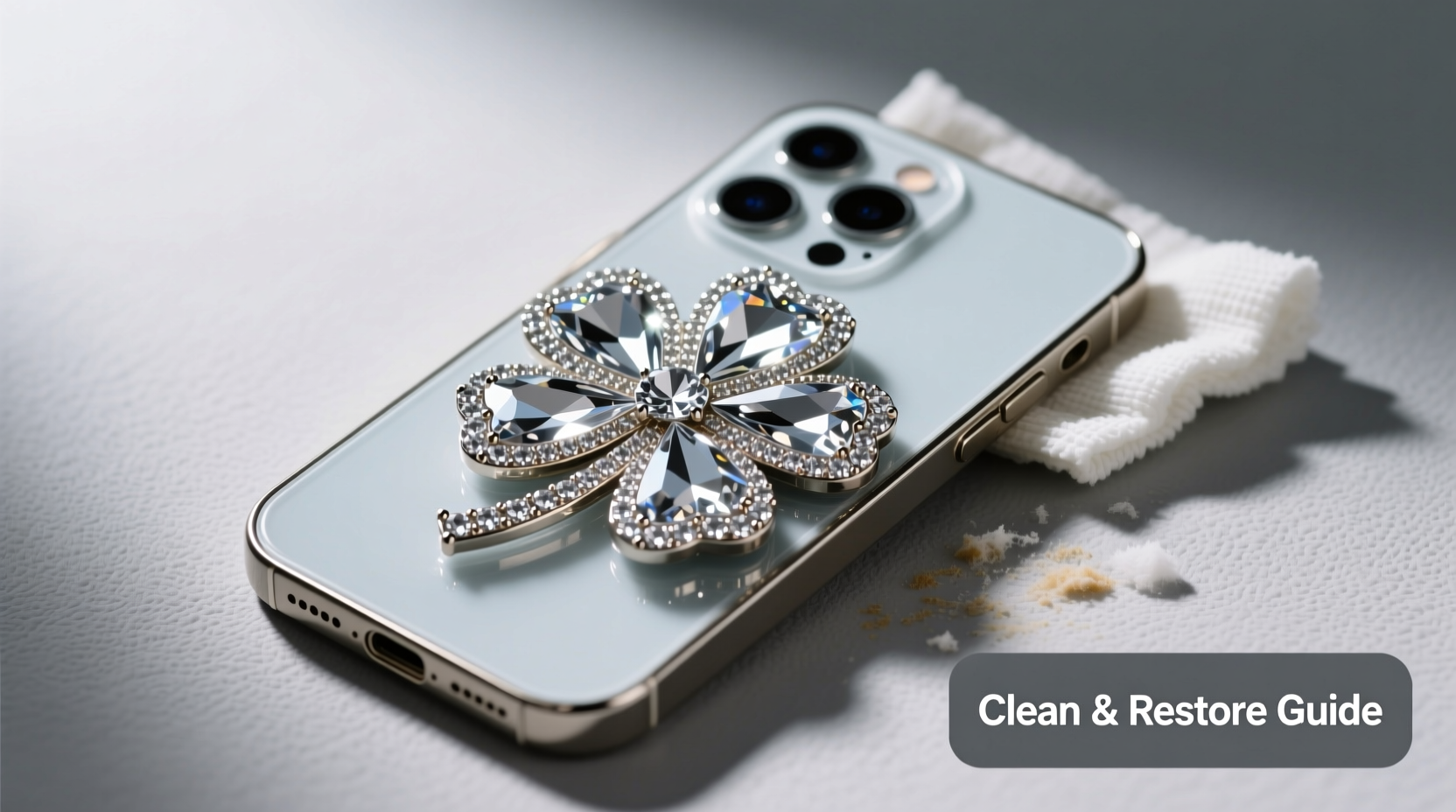
Rhinestone clover iPhone cases typically feature a silicone or TPU (thermoplastic polyurethane) base layered with small glass or acrylic rhinestones arranged in a clover pattern. Some designs include metal-plated settings or foil backings that enhance reflectivity. These materials react differently to moisture, friction, and chemicals. Silicone is flexible and resilient but porous enough to absorb oils. Acrylic rhinestones are less durable than crystal and can scratch easily. Metal components may tarnish when exposed to acidic substances like sweat or certain cleaning agents.
Care begins with identification. Check whether your case has:
- Flat-back adhesive rhinestones
- Hotfix (heat-activated) rhinestones
- Metallic trim or foil detailing
- A glossy or matte finish on the base layer
This knowledge informs your cleaning method. For example, hotfix rhinestones are more securely bonded and tolerate gentle moisture better than glued-on variants.
Tip: Avoid submerging the case in water. Even brief soaking can compromise adhesive bonds beneath rhinestones.Step-by-Step Guide to Safe Cleaning
Restoring shine requires patience and precision. Follow this sequence to preserve both appearance and structural integrity.
- Remove the case from your phone. Always disconnect it before cleaning to prevent liquid seepage into device ports.
- Dust off loose particles. Use a soft-bristled makeup brush or microfiber cloth to gently sweep away surface debris. Focus on crevices around each rhinestone.
- Prepare a cleaning solution. Mix one part distilled water with one part isopropyl alcohol (70%) in a spray bottle. Add two drops of mild dish soap. This blend lifts oils without degrading adhesives.
- Dampen a lint-free cloth. Lightly mist the cloth—not the case—with the solution. Excess moisture can pool under stones and loosen glue over time.
- Wipe in circular motions. Gently clean the surface using minimal pressure. Pay attention to high-contact areas like edges and corners where fingerprints accumulate.
- Target tarnished metal accents. If your clover design includes silver or gold plating, use a jewelry polishing cloth to buff dull spots carefully.
- Air-dry thoroughly. Place the case on a clean towel in a well-ventilated area, stone-side up. Allow at least 30 minutes for complete drying.
- Inspect and reinforce if needed. After drying, check for any lifted stones. Apply a tiny dot of clear nail glue only if necessary.
When Not to Clean
Avoid cleaning immediately after applying hand lotion, sunscreen, or cooking with oily hands. Wait until the case has been wiped down lightly and allowed to rest. Also, skip deep cleaning if you notice existing gaps under rhinestones—this could worsen detachment.
Do’s and Don’ts: Caring for Rhinestone Details
| Do’s | Don’ts |
|---|---|
| Use a microfiber cloth for regular wiping | Scrub with paper towels or abrasive sponges |
| Clean monthly for optimal shine retention | Soak the case in water or cleaner |
| Buff metal elements with a jewelry cloth | Use bleach, ammonia, or acetone-based cleaners |
| Store flat or upright in a dust bag | Leave in direct sunlight or hot cars |
| Reapply adhesive only when stones are loose | Glue over clean surfaces unnecessarily |
Real Example: Reviving a Dull Clover Case
Sophia, a college student in Portland, wore her rhinestone clover case daily for five months. By winter, the once-bright stones looked cloudy, and the green clover center had yellowed slightly. She avoided cleaning it, fearing damage. Eventually, she followed the gentle alcohol-water method described above. After one careful session, the case regained nearly full clarity. She now wipes it weekly with a dry microfiber cloth and performs a light wash every six weeks. “I was shocked how much came off,” she said. “It looks almost new again.”
Her experience underscores that consistent, gentle maintenance beats infrequent aggressive cleaning.
“Delicate embellishments require proportionate care. A little attention goes a long way in preserving both beauty and durability.” — Lena Park, Accessory Design Conservator
Tips for Long-Term Shine Preservation
Maintaining brilliance isn’t just about cleaning—it’s also about prevention and storage.
Tip: Keep a mini cleaning kit in your bag: a folded microfiber cloth, travel-sized alcohol wipe (used sparingly), and a small brush.- Limit skin contact. Oils from fingers are the primary cause of cloudiness. Try to handle the case by the edges when removing it.
- Avoid pocket storage. Lint and friction from fabric can scratch rhinestones and trap particles between stones and the phone.
- Rotate cases. Using multiple cases reduces wear on any single one, especially decorative ones.
- Shield from UV exposure. Sunlight fades colored foils behind rhinestones and weakens adhesives over time.
- Handle with dry hands. Moisture accelerates tarnishing in metallic trims commonly used in clover outlines.
FAQ: Common Questions About Rhinestone Case Care
Can I use Windex or household glass cleaner on my rhinestone case?
No. Most glass cleaners contain ammonia, which can corrode metal settings and degrade adhesive bonds over time. Stick to alcohol-based solutions diluted with water and tested on a small area first.
What should I do if a rhinestone falls out?
Retrieve the stone if possible. Use a toothpick to apply a tiny amount of clear, quick-drying craft glue (like E6000 or nail glue) to the base, then press the stone back into place. Hold for 15 seconds and let dry overnight before reattaching to your phone.
How often should I deep clean my rhinestone case?
Every 4–6 weeks is ideal for regular users. If worn primarily for special occasions, clean after every 3–4 uses. Frequent light wiping reduces the need for intensive cleaning.
Checklist: Restore & Maintain Your Case’s Shine
- Remove case from iPhone
- Brush away surface dust with a soft tool
- Mix water, isopropyl alcohol, and mild soap
- Dampen microfiber cloth (not the case)
- Gently wipe entire surface, focusing on high-touch zones
- Buff metallic parts with jewelry polishing cloth
- Air-dry completely, face-up
- Inspect for loose stones; reattach only if needed
- Store in a protective pouch away from heat
- Schedule next cleaning in 4–6 weeks
Conclusion
Your rhinestone clover iPhone case is more than an accessory—it's a reflection of your personal flair. With mindful handling and proper care, its sparkle doesn't have to fade. Simple routines, informed choices, and gentle techniques ensure longevity without sacrificing aesthetics. You don’t need specialized products or professional help; just consistency and attention to detail. Take a few minutes today to refresh your case, and enjoy its radiant charm for months to come.
💬 Have a favorite cleaning hack or restoration story? Share your experience below and inspire others to keep their stylish cases shining bright!








