Pet owners know the joy of traveling with their furry companions—but they also know the lingering challenge of pet odors in the car. Whether it’s a faint scent of wet dog or a stronger smell from an accident, pet odor can embed deep into car seat fabrics and become stubborn over time. The key is removing the odor effectively without compromising the integrity of your vehicle’s upholstery. Using harsh chemicals or improper techniques can lead to discoloration, material breakdown, or even permanent damage. This guide provides a comprehensive, safe approach to eliminating pet smells while preserving your car’s interior.
Understanding the Source of Pet Odor in Car Seats
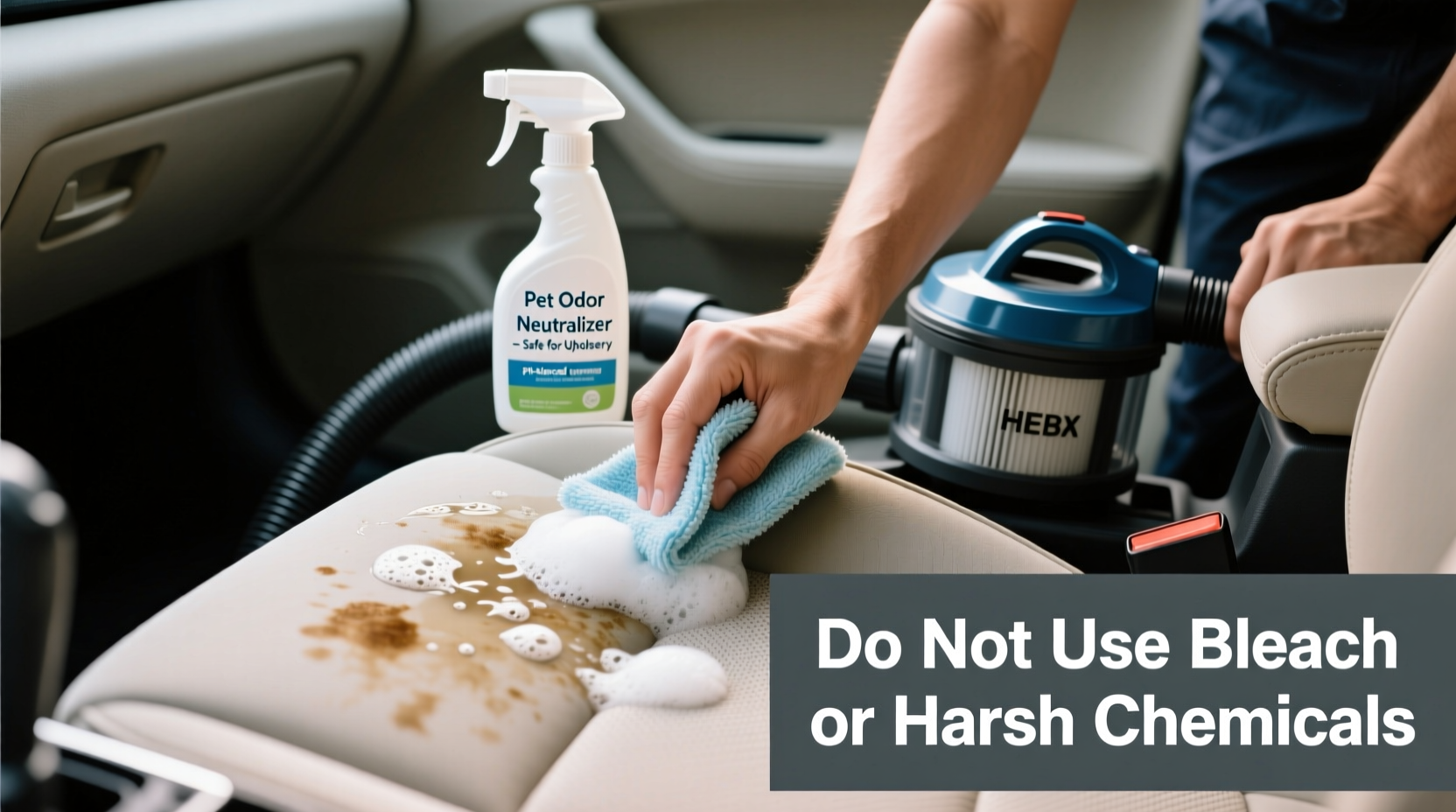
Pet odors don’t just sit on the surface—they penetrate deep into the fibers of car upholstery. Saliva, dander, urine, vomit, and even sweat from paws contribute to persistent smells. When moisture enters the fabric, it creates an environment where bacteria and mold can grow, amplifying the odor over time. Most off-the-shelf cleaners only mask the problem with strong fragrances, which fade quickly and often leave behind residues that attract more dirt.
To truly eliminate the odor, you must address both the organic matter causing the smell and the microbial growth feeding on it. This requires a multi-step process that prioritizes gentle yet effective cleaning agents compatible with automotive materials.
Tip: Always test any cleaning solution on a small, inconspicuous area of the upholstery first to ensure it doesn’t cause fading or texture changes.Step-by-Step Guide to Removing Pet Odor Safely
Follow this detailed sequence to thoroughly clean and deodorize car seats without risking damage to the fabric or foam padding underneath.
- Remove Loose Debris: Use a vacuum with an upholstery attachment to extract hair, dirt, and crumbs from the seat surfaces and crevices. Pay special attention to seams and between seat cushions.
- Blot Any Moisture or Stains: If there’s a visible stain or damp spot, gently blot with a clean microfiber cloth. Do not rub, as this can push the contaminant deeper into the fibers.
- Apply a pH-Neutral Cleaner: Mix a solution of mild dish soap (like Dawn) with warm water—about one teaspoon per cup. Dip a soft sponge or cloth into the mixture, wring it out well, and gently dab the affected areas. Work in small sections and avoid oversaturating the fabric.
- Rinse with Damp Cloth: Wipe the cleaned area with a clean, damp cloth to remove soap residue. Leftover soap can trap odors and attract new dirt.
- Treat with Enzyme-Based Deodorizer: Spray an enzyme cleaner designed for pet odors (such as Nature’s Miracle or Biokleen Bac-Out) directly onto the seat. These products break down organic compounds at the molecular level. Follow label instructions for dwell time—usually 5–10 minutes.
- Air Dry Completely: Open all car doors or windows and use fans to circulate air. Never reassemble or cover seats until they are fully dry. Trapped moisture leads to mold and recurring smells.
- Use Baking Soda for Residual Odor: Sprinkle baking soda liberally over the seats and let it sit for several hours or overnight. Vacuum thoroughly afterward. Baking soda absorbs lingering odors without harming fabric.
This method works best on fabric upholstery. For leather or synthetic leather, skip the baking soda step and use a leather-safe cleaner followed by a conditioner to prevent drying and cracking.
Do’s and Don’ts When Cleaning Car Upholstery
| Do’s | Don’ts |
|---|---|
| Use enzyme-based cleaners for biological odors | Use ammonia or bleach-based products |
| Vacuum regularly to remove pet hair and dander | Soak upholstery with excessive water |
| Test cleaners on hidden areas first | Use abrasive scrubbing pads or brushes |
| Allow full drying before driving | Mask odors with air fresheners alone |
| Apply leather conditioner after cleaning | Expose wet seats to direct sunlight or heat |
Following these guidelines ensures you’re not just cleaning but protecting the long-term condition of your car’s interior.
Expert Insight on Safe Odor Removal
“Enzyme cleaners are the gold standard for pet odor removal because they digest the proteins and bacteria causing the smell. Unlike masking agents, they offer a permanent solution—provided they’re used correctly and allowed enough contact time.” — Dr. Linda Harper, Microbial Remediation Specialist
Dr. Harper emphasizes that timing and application matter. “Many people spray an enzyme product and wipe it away too soon. Let it sit. That’s when the microbes go to work breaking down odor-causing compounds.”
Real-World Example: Eliminating Lingering Urine Smell
Sarah, a dog owner from Colorado, noticed a persistent ammonia-like smell in her SUV after her rescue terrier had a few accidents during training. She tried spritzing lavender air freshener and wiping the seats with wipes, but the odor returned within days. Frustrated, she researched safe cleaning methods and followed the enzyme-based protocol outlined above.
She started by vacuuming deeply, then applied a pet-safe enzymatic cleaner recommended by her vet. She covered the treated seats with towels to prevent her dog from lying on them and left the car doors open in her garage for six hours. After vacuuming baking soda the next morning, the smell was gone—and stayed gone, even after rainy hikes and muddy paws.
Her mistake? Initially using fragrance-only products that didn’t address the root cause. Her success came from targeting the biological source with the right chemistry.
Alternative Methods and Their Risks
While many home remedies circulate online, not all are safe for car upholstery. Here’s a quick assessment of common alternatives:
- Vinegar Solution: A mix of white vinegar and water (1:1) can help neutralize odors. However, vinegar is acidic and may degrade certain synthetic fibers or dye if used excessively. Always rinse after application.
- Hydrogen Peroxide: Effective for stains and disinfecting, but it can bleach colored fabrics. Never mix with vinegar—it creates peracetic acid, which is corrosive.
- Steam Cleaning: Professional-grade steam extraction removes deep-seated contaminants, but consumer handheld units can over-wet the padding beneath seats, leading to mold. Best left to professionals with automotive experience.
- Activated Charcoal: Placing charcoal bags in the car between uses helps absorb ambient odors but won’t treat embedded smells in upholstery.
For most pet owners, a combination of enzyme cleaner and baking soda offers the safest, most effective result without risk.
Prevention Checklist for Long-Term Freshness
Once the odor is gone, maintaining a clean, fresh-smelling car is easier with consistent habits. Use this checklist to stay ahead of future issues:
Checklist: Prevent Pet Odor Buildup- ✅ Vacuum seats weekly, especially after pet rides
- ✅ Use waterproof seat covers or hammocks
- ✅ Wipe paws with pet-safe wipes before entry
- ✅ Store treats and toys in sealed containers
- ✅ Schedule deep cleaning every 3–4 months
- ✅ Keep a small bottle of enzyme spray in the glove compartment for quick response to spills
Seat covers are particularly effective—they act as a barrier and can be removed and washed easily. Choose ones with non-slip backing and breathable fabric to maintain comfort and safety.
Frequently Asked Questions
Can I use Febreze on car seats?
Yes, but with caution. Fabric-specific Febreze products can temporarily reduce odors, but they don’t eliminate the source. Overuse can leave a sticky residue that attracts dust. It’s best used as a supplement to deep cleaning, not a replacement.
Will steam cleaning ruin my car seats?
Poorly executed steam cleaning can. Excessive moisture may seep into the foam padding and frame, creating mold risks. If opting for steam, hire a professional auto detailer who uses low-moisture extraction systems designed for vehicles.
How long does it take for car seats to dry after cleaning?
Drying time varies based on humidity, airflow, and fabric thickness. Typically, it takes 4 to 12 hours. To speed drying, use fans, open windows, or park in a shaded, breezy area. Avoid turning on the heater, as high heat can warp plastic trims or set odors.
Conclusion: Take Action for a Cleaner, Fresher Ride
Removing pet odor from car seats doesn’t require harsh chemicals or expensive detailing services. With the right approach—starting with vacuuming, using enzyme-based cleaners, and finishing with baking soda—you can restore freshness while protecting your upholstery. The goal isn’t just to cover up smells but to eliminate them at the source, ensuring a healthier environment for both you and your pet.
Consistency matters. Regular maintenance prevents minor odors from becoming major problems. By integrating simple habits like paw wiping and monthly deep cleans, you’ll keep your car smelling clean for years to come. Your next drive with your pet should be enjoyable—not defined by what happened last time.
💬 Have a pet odor tip that worked for you? Share your experience in the comments and help fellow pet owners keep their cars fresh and safe.








