Every female dog will go through a reproductive cycle known as being \"in heat\" or estrus. This natural biological process signals that she is capable of becoming pregnant. For dog owners—especially those with unspayed females—understanding the signs, timing, and management of this phase is essential for responsible pet care. Recognizing when your dog is in heat helps prevent unwanted litters, reduces stress for both you and your pet, and ensures timely veterinary attention if complications arise.
Understanding the Canine Estrous Cycle
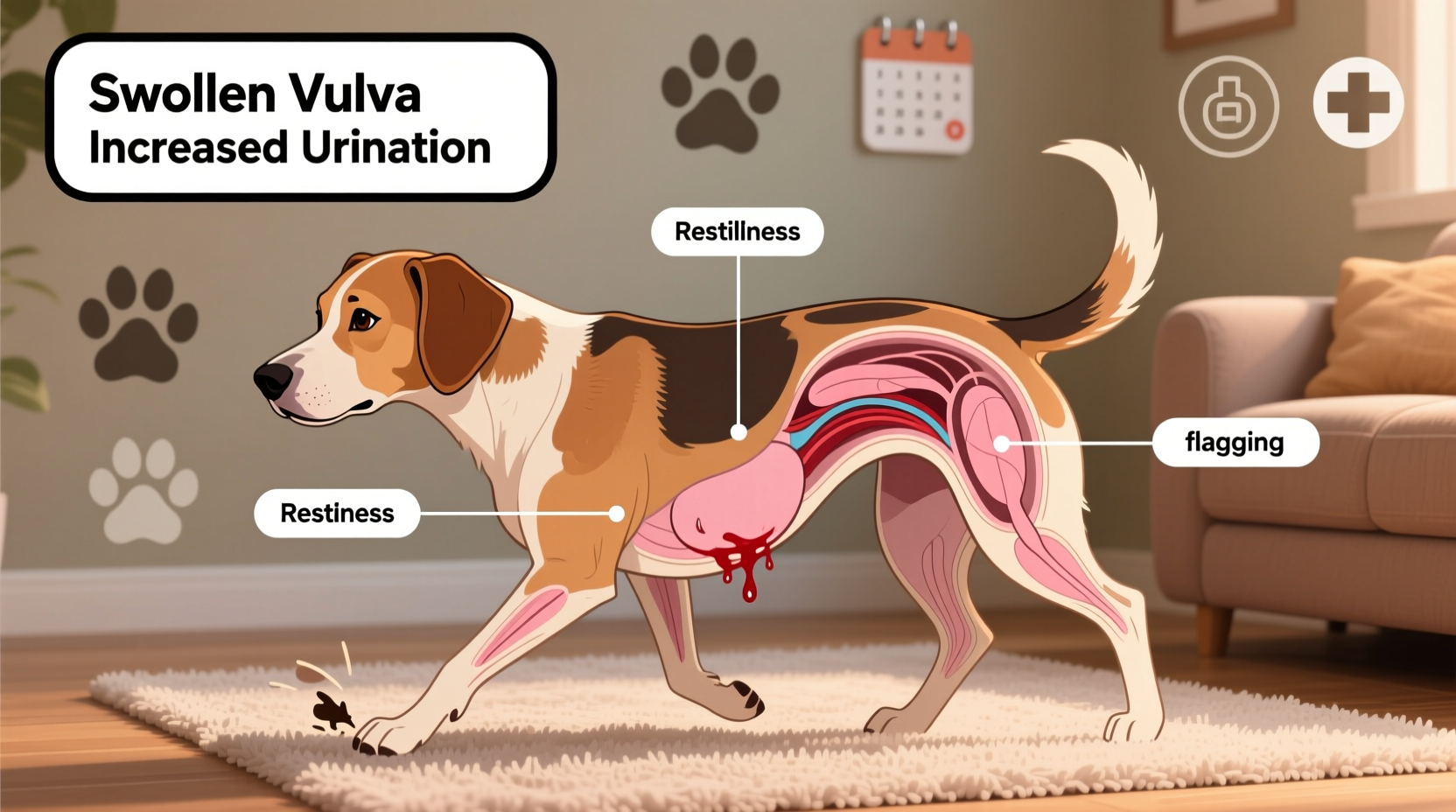
Dogs do not menstruate like humans, but they do experience hormonal shifts throughout a four-stage reproductive cycle: proestrus, estrus, diestrus, and anestrus. The most noticeable phase is **estrus**, commonly referred to as “heat,” when the female is fertile and receptive to mating.
Most dogs enter their first heat between six and 15 months of age, depending on breed size. Smaller breeds may cycle as early as six months, while larger breeds like Great Danes or Saint Bernards might not have their first heat until 18–24 months. After the initial cycle, most dogs go into heat approximately every six to eight months, though irregular cycles are common in young or older dogs.
Tip: Keep a calendar log of your dog’s heat cycles once they begin. Tracking start and end dates helps predict future cycles and detect abnormalities.Key Signs Your Dog Is in Heat
Recognizing the physical and behavioral changes associated with heat allows for prompt action and better management. These signs typically unfold over a 2–3 week period and can be grouped into early, peak, and late stages.
Physical Indicators
- Vaginal discharge: One of the earliest and most obvious signs. Discharge starts as bloody and thick during proestrus, then becomes lighter, pinkish, and more watery as the dog enters estrus.
- Swollen vulva: The vulva often appears enlarged and may look moist or puffy.
- Frequent urination: Increased marking behavior due to pheromones in the urine that signal fertility to male dogs.
Behavioral Changes
- Increased affection or irritability: Some dogs become clingy, while others grow restless or short-tempered.
- Flagging: When approached by males, a female in heat may lift her tail to the side—a subtle invitation to mate.
- Attraction from male dogs: Even well-behaved females may attract persistent suitors from blocks away, leading to attempts at escaping or aggressive behavior from nearby intact males.
“Owners often mistake the onset of heat for a urinary infection because of frequent urination and spotting. A quick vet check can rule out medical issues and confirm the cycle.” — Dr. Laura Simmons, DVM, Small Animal Reproductive Specialist
Timeline of a Typical Heat Cycle
The entire heat cycle lasts about 2–4 weeks. Here's a breakdown of what happens during each stage:
| Stage | Duration | Key Characteristics |
|---|---|---|
| Proestrus | 7–10 days | Bloody discharge begins; vulva swells. Female rejects male advances. Attracts males but not yet fertile. |
| Estrus | 5–9 days | Discharge lightens in color. Female becomes receptive to mating. Peak fertility occurs during this phase. |
| Diestrus | 60–90 days | Cycle ends; discharge stops. If pregnant, gestation continues. If not, body returns to baseline. |
| Anestrus | ~100–150 days | Resting phase. No sexual activity or hormonal fluctuations. Prepares for next cycle. |
Practical Tips for Managing a Dog in Heat
While heat is a normal part of a female dog’s life, it requires careful handling to ensure safety, hygiene, and peace of mind.
- Use doggy diapers: Specially designed heat diapers help contain discharge and protect your furniture and floors. Change them regularly to prevent irritation or infection.
- Limit outdoor exposure: Walk your dog on a leash and avoid dog parks or areas with intact males. Even brief encounters can lead to unplanned breeding.
- Secure your yard: Ensure fences are tall and escape-proof. Hormonal surges can trigger strong instincts to roam.
- Monitor interactions: If you have other pets, supervise closely. Tension between dogs can increase during heat.
- Maintain cleanliness: Gently wipe the genital area with pet-safe wipes after outdoor trips to reduce mess and prevent bacterial buildup.
Mini Case Study: Bella, the Escaping Beagle
Bella, a two-year-old beagle, had just entered her second heat cycle. Her owner, Mark, noticed she was unusually restless and barking at the fence. One evening, Bella dug under the backyard gate and disappeared. After three anxious hours, neighbors spotted her across town near a male boxer’s yard.
She was unharmed but could have been injured, lost, or impregnated. After consulting his vet, Mark learned he could have prevented the incident by reinforcing the fence, using a GPS collar, and keeping Bella indoors during peak estrus. He now tracks her cycle monthly and uses a combination of supervision and secure containment.
This real-life example underscores how powerful instinct can override training—and why proactive management matters.
When to See a Veterinarian
While most heat cycles proceed normally, certain symptoms warrant professional evaluation:
- Excessive bleeding lasting more than 14 days
- Foul-smelling discharge (possible infection)
- Lethargy, vomiting, or loss of appetite
- Signs of false pregnancy persisting beyond a few weeks
- Irregular cycles in otherwise mature dogs
Prolonged or abnormal cycles may indicate underlying conditions such as ovarian cysts, pyometra (a life-threatening uterine infection), or hormonal imbalances.
Frequently Asked Questions
Can my dog get pregnant during her first heat?
Yes. While many breeders advise against breeding during the first cycle due to incomplete physical maturity, conception is biologically possible. Responsible owners should assume fertility from the first heat onward.
Is spaying the only way to stop heat cycles?
Yes. Spaying (ovariohysterectomy) removes the reproductive organs and permanently ends heat cycles and the risk of unwanted pregnancy. It also significantly reduces the risk of mammary cancer and eliminates the chance of pyometra.
Do male dogs react to females in heat from far away?
Absolutely. Male dogs can detect pheromones from miles away, especially downwind. An intact male may become agitated, attempt to escape, or display territorial behaviors when a female nearby is in heat.
Checklist: What to Do When Your Dog Is in Heat
- ✔ Track the start date and monitor daily symptoms
- ✔ Stock up on doggy diapers and cleaning supplies
- ✔ Reinforce fencing and eliminate escape routes
- ✔ Use a secure leash during walks
- ✔ Avoid off-leash areas and public dog parks
- ✔ Limit contact with intact male dogs
- ✔ Schedule a vet visit if anything seems abnormal
- ✔ Consider long-term options like spaying after the cycle ends
Conclusion: Stay Informed, Stay Prepared
Recognizing when your dog is in heat isn’t just about managing mess—it’s about understanding her biology, protecting her health, and preventing unintended consequences. By learning the signs, preparing in advance, and responding with care, you ensure a safer, calmer experience for both of you.
If you’re not planning to breed, discuss spaying with your veterinarian. It remains one of the most effective ways to prevent heat-related challenges and support your dog’s long-term well-being.
💬 Have questions about your dog’s heat cycle or management tips that worked for you? Share your thoughts below and connect with fellow dog owners navigating the same journey.








