
Parrots are intelligent, emotionally complex birds that form deep bonds with their caregivers. While they can be joyful companions, they are also highly sensitive to changes in their environment, routine, and emotional atmosphere. Stress in parrots is not just a temporary mood—it can lead to long-term health issues, destructive behaviors, and even self-harm if left unaddressed. Recognizing the early signs of stress and knowing how to respond effectively is essential for any parrot owner committed to their bird’s well-being.
Unlike mammals, parrots don’t express distress through obvious vocalizations or facial expressions. Instead, they communicate through subtle shifts in body language, vocal patterns, and behavior. Understanding these signals allows you to intervene before minor stress escalates into chronic anxiety or physical illness.
Common Signs of Stress in Parrots
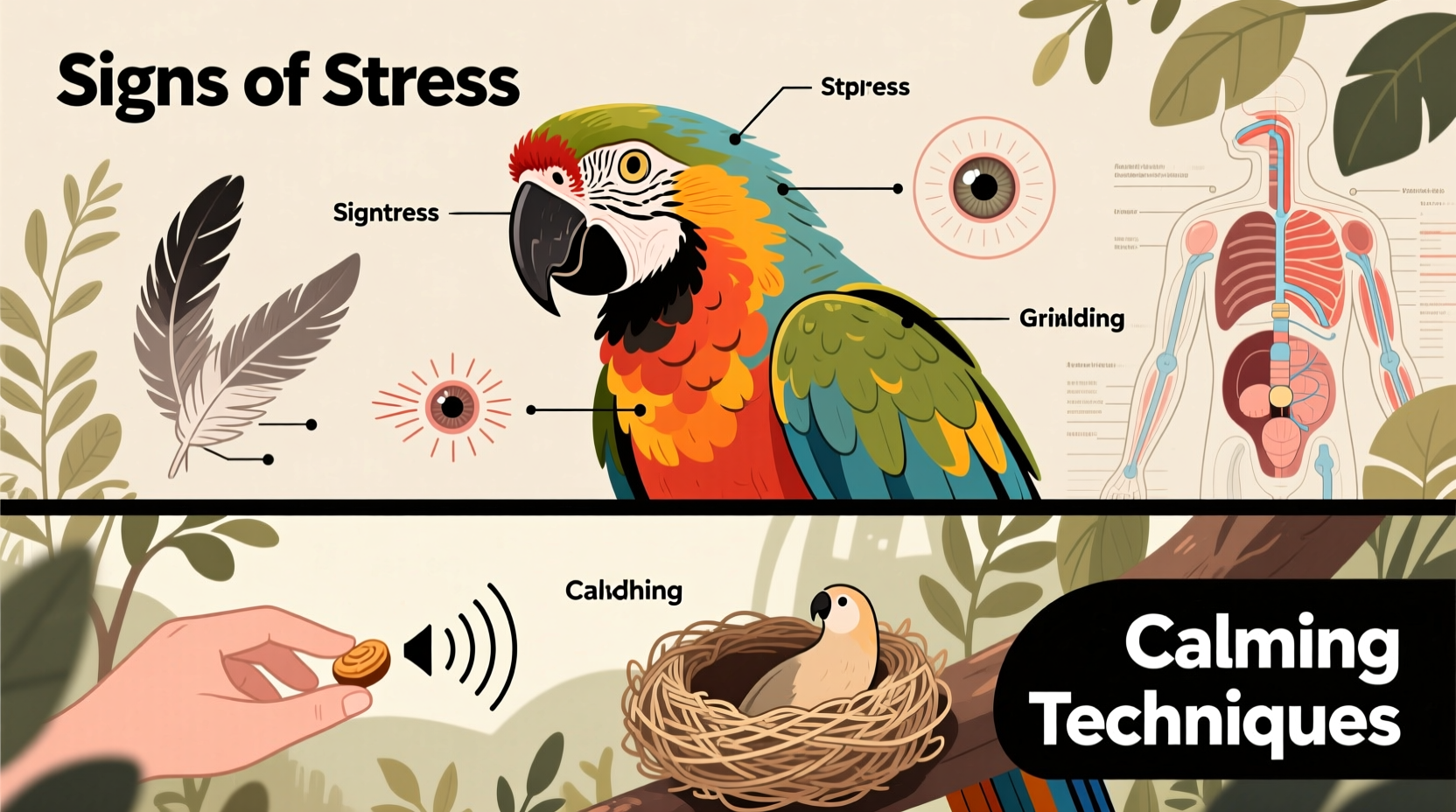
Stress in parrots manifests in both behavioral and physical ways. Because birds are prey animals by nature, they instinctively hide signs of vulnerability. This means that by the time symptoms become noticeable, the bird may already be significantly distressed.
- Feather plucking or over-preening: One of the most visible signs. A stressed parrot may pull out feathers, chew on skin, or excessively groom one area.
- Vocal changes: Increased screaming, repetitive calls, or sudden silence can indicate emotional disturbance.
- Panting or rapid breathing: Especially when not related to heat, this may signal fear or anxiety.
- Dilated pupils (eye pinning): Rapid contraction and expansion of the pupils often occur when a bird feels threatened or overly stimulated.
- Aggression: Biting, lunging, or hissing may emerge suddenly in otherwise calm birds under stress.
- Loss of appetite: Refusing food, especially favorite treats, can be an early red flag.
- Changes in droppings: Diarrhea or irregular waste may reflect digestive disruption due to stress.
- Rocking or swaying: Repetitive motions often point to psychological distress.
- Fluffed-up feathers: While birds fluff when cold, prolonged fluffing without temperature cause suggests discomfort.
- Wing flipping or tail fanning: These can be territorial or anxiety-driven gestures.
What Causes Stress in Parrots?
Understanding the root causes of stress is crucial to prevention. Parrots thrive on consistency, safety, and mental engagement. Disruptions to any of these elements can trigger anxiety.
Environmental Triggers
Loud noises, sudden movements, or chaotic household activity can overwhelm a parrot’s senses. Common culprits include construction sounds, frequent visitors, barking dogs, or even loud TV volumes. Relocating a cage—even within the same room—can destabilize a bird’s sense of security.
Social Isolation
Parrots are social flock animals. When left alone for extended periods without interaction or enrichment, they experience loneliness akin to depression in humans. Lack of stimulation leads to boredom, which often turns into compulsive behaviors like feather destruction.
Inadequate Diet or Health Issues
Nutritional deficiencies, particularly in calcium, vitamin A, or amino acids, can exacerbate anxiety. Underlying medical conditions such as respiratory infections, parasites, or hormonal imbalances may also present as behavioral stress.
Improper Handling or Training Methods
Forcing interaction, using punishment-based training, or inconsistent boundaries can damage trust. A parrot that doesn’t feel safe with its caregiver will remain in a constant state of alertness.
“Parrots don’t misbehave out of defiance—they react based on how secure and understood they feel.” — Dr. Laurie Hess, Avian Veterinarian and Author
Effective Ways to Calm a Stressed Parrot
Once you’ve identified stress, the next step is de-escalation. Immediate calming techniques should be paired with long-term environmental and behavioral adjustments.
1. Create a Predictable Routine
Parrots rely on routine for emotional stability. Feeding, playtime, and sleep should occur at consistent times each day. Sudden changes in schedule—even something as simple as waking up later on weekends—can unsettle them.
2. Provide a Safe Retreat Space
Ensure the cage is positioned in a quiet corner of a frequently used room—not isolated, but not in high-traffic areas either. Offer a secondary “safe zone,” such as a covered play gym or a smaller travel cage, where the bird can retreat when overwhelmed.
3. Use Calming Sounds and Music
Soft classical music, nature sounds, or species-specific calming audio tracks have been shown to reduce heart rate and agitation in captive birds. Avoid sudden loud noises or high-pitched tones.
4. Introduce Enrichment Gradually
Boredom fuels stress. Rotate toys weekly and introduce new puzzles slowly. For example, start with a simple foraging box containing familiar treats before progressing to more complex challenges.
5. Practice Gentle Interaction
Avoid forcing contact. Instead, sit near the cage and read aloud or hum softly. Let the bird approach you. Over time, this builds trust without pressure.
Tip: Never punish a stressed parrot. Negative reinforcement increases fear and damages the human-bird bond.Step-by-Step Guide to De-Escalate Acute Stress
If your parrot shows clear signs of acute distress—such as screaming, panting, or self-plucking—follow this sequence:
- Remove the trigger: Turn off loud appliances, separate from other pets, or cover part of the cage to block visual stimuli.
- Lower your voice and movements: Speak in soft, rhythmic tones. Avoid sudden gestures.
- Dim the lights: Bright lighting can heighten anxiety. Use natural light or warm-toned lamps instead.
- Offer a comfort item: Place a favorite toy or soft blanket nearby. Some birds respond well to holding a piece of fleece.
- Allow space: Do not attempt to handle the bird unless absolutely necessary. Wait until breathing normalizes and posture relaxes.
- Reintroduce calm activities: After stabilization, offer a treat or engage in low-key interaction, like whistling a familiar tune.
This process may take minutes or hours, depending on severity. Patience is critical.
Do’s and Don’ts of Parrot Stress Management
| Do’s | Don’ts |
|---|---|
| Observe body language daily | Ignore repeated stress signals |
| Maintain a consistent daily schedule | Change cage location frequently |
| Provide mental stimulation with rotating toys | Leave the bird alone for 8+ hours without enrichment |
| Use positive reinforcement training | Yell or physically restrain during episodes |
| Consult an avian vet for persistent issues | Assume behavioral problems are \"just personality\" |
Real Example: Rebuilding Trust with a Rescued Cockatiel
When Maria adopted a rescued cockatiel named Milo, he was silent, constantly fluffed, and refused to come out of his cage. He had lived in a noisy pet store for months with minimal interaction. Initial attempts to handle him led to biting and screaming.
Instead of pushing for closeness, Maria followed a structured calming plan. She placed the cage in a quiet bedroom with partial coverage on three sides. She played soft flute music during the day and sat nearby reading for 20 minutes twice daily, never making eye contact or reaching toward him.
After two weeks, Milo began chirping softly. By week four, he stepped onto a perch outside the cage while she remained seated at a distance. Over the next three months, using clicker training and favorite millet sprays as rewards, Milo learned to step onto her hand. Today, he sings every morning and enjoys supervised flight time in a bird-safe room.
Milo’s recovery wasn’t fast, but it was sustainable—built on patience, observation, and respect for his emotional limits.
FAQ: Common Questions About Parrot Stress
Can parrots get PTSD?
Yes. Birds that have experienced trauma—such as abuse, abandonment, or life-threatening events—can exhibit symptoms similar to post-traumatic stress disorder. These include hypervigilance, avoidance behaviors, and exaggerated startle responses. Professional behavioral support and a stable environment are key to recovery.
How long does it take for a stressed parrot to calm down?
It varies widely. Minor stress may resolve in hours with proper intervention. Chronic stress, especially in rehomed or rescued birds, can take weeks or months to improve. Consistency, reduced stimuli, and positive experiences gradually rebuild a sense of safety.
Is it normal for my parrot to scream every evening?
Some species, like Amazon parrots or conures, have natural \"contact calling\" periods at dawn and dusk. However, excessive or prolonged screaming often indicates unmet needs—such as attention, boredom, or anxiety. If the behavior disrupts household peace, it should be addressed through enrichment and routine adjustment, not suppression.
Checklist: Daily Practices to Prevent Parrot Stress
- ✅ Spend at least 30–60 minutes of direct, focused interaction
- ✅ Check for changes in posture, vocalization, or droppings
- ✅ Rotate at least one toy or foraging activity
- ✅ Maintain consistent feeding and bedtime schedules
- ✅ Ensure the cage is in a secure, moderately social location
- ✅ Minimize exposure to loud noises or unpredictable movements
- ✅ Offer a varied, nutritionally balanced diet
- ✅ Record any unusual behaviors in a journal for vet reference
“Prevention is always better than treatment when it comes to avian stress. A mentally enriched, socially engaged parrot is far less likely to develop behavioral disorders.” — Dr. Irene Pepperberg, Research Scientist and Parrot Cognition Expert
Conclusion: Building a Calmer, Healthier Life for Your Parrot
Recognizing stress in your parrot isn’t about reacting to crises—it’s about cultivating awareness. Every flick of the tail, shift in vocal tone, or change in routine offers insight into your bird’s inner world. By learning to read these signals and responding with empathy, you create not just a safer environment, but a deeper bond.
Calming a stressed parrot isn’t a one-time fix. It’s an ongoing commitment to understanding, consistency, and compassion. Whether your bird came from a breeder, rescue, or pet store, they deserve a life free from chronic anxiety. Start today: observe closely, adjust gently, and prioritize emotional wellness as much as physical health.
💬 Have you helped a parrot overcome stress? Share your story in the comments—your experience could guide another caregiver toward healing.