
Cats are naturally fastidious groomers, spending up to 50% of their waking hours cleaning their fur. However, when grooming becomes excessive or repetitive, it may signal an underlying physical or psychological issue. Compulsive grooming—also known as psychogenic alopecia or over-grooming—can lead to hair loss, skin lesions, and discomfort if left unaddressed. Recognizing the early signs and understanding how to respond is essential for any responsible cat owner.
Understanding Normal vs. Compulsive Grooming
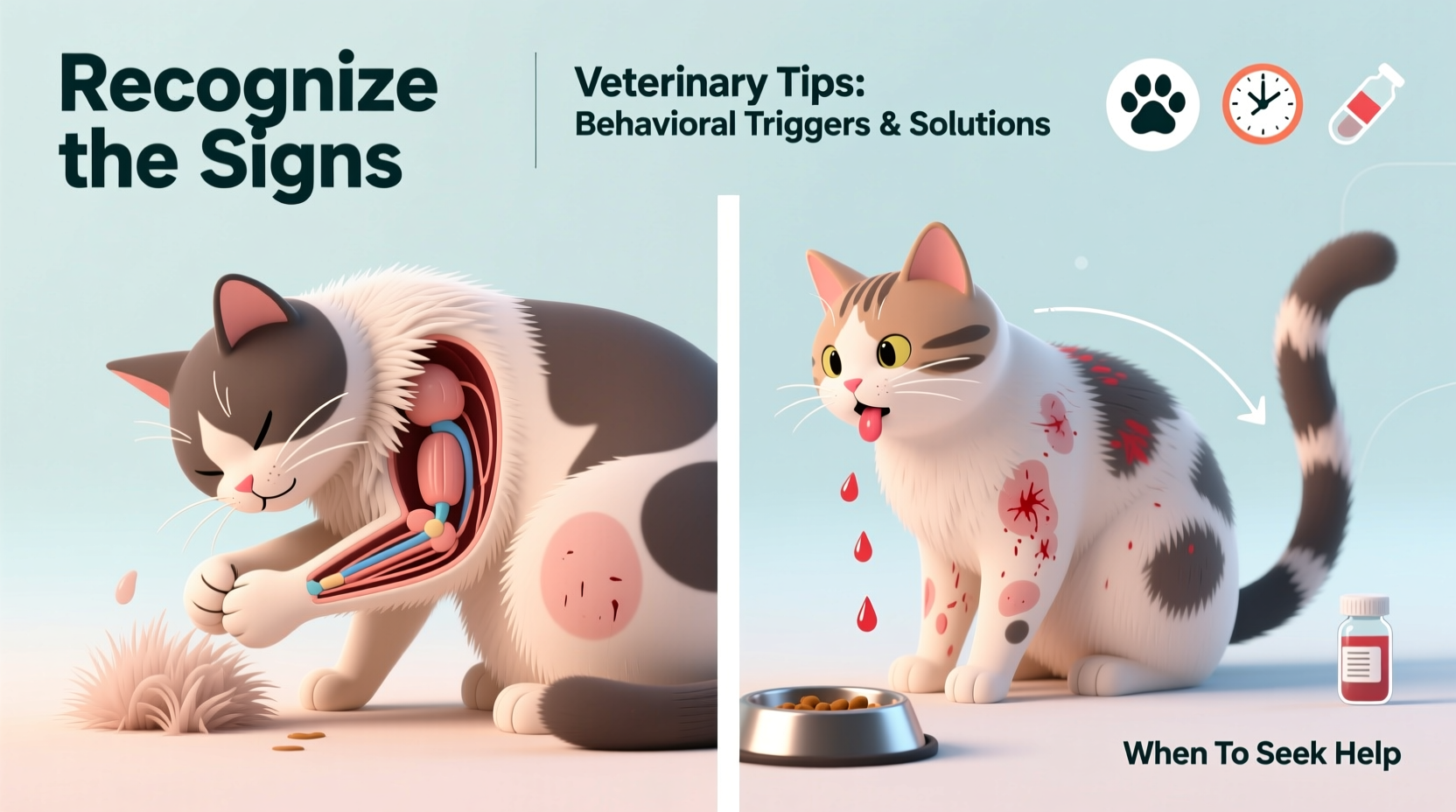
Grooming is a vital part of feline hygiene and emotional regulation. Cats use licking to cool down, clean their coat, and soothe themselves during stress. But when this behavior crosses into compulsion, it no longer serves its original purpose. Instead, it becomes ritualistic, persistent, and disruptive to daily life.
Normal grooming typically occurs after meals, upon waking, or before sleeping. It's brief, focused, and leaves the coat intact. In contrast, compulsive grooming often happens at odd times, lasts for extended periods, and results in visible damage such as bald patches, redness, or scabbing—especially along the inner legs, belly, or flanks.
Tip: Monitor your cat’s grooming patterns for changes in duration, frequency, or location on the body. Sudden shifts may indicate distress.Common Signs of Compulsive Grooming
Recognizing the symptoms early can prevent long-term harm. Watch for these key indicators:
- Visible hair loss (alopecia) without apparent skin infection
- Frequent, prolonged licking that interrupts normal activities
- Skin irritation, sores, or ulcerations from constant licking
- Chewing or pulling out fur with teeth or paws
- Obsessive focus on one area of the body
- Restlessness or agitation when unable to groom
In some cases, cats may ingest large amounts of fur, leading to frequent hairballs or gastrointestinal blockages. Unlike typical shedding, the hair loss from compulsive grooming appears patchy and irregular rather than symmetrical.
Differentiating Medical and Behavioral Causes
Before assuming a behavioral origin, rule out medical conditions that mimic compulsive grooming. Skin allergies, flea infestations, fungal infections, arthritis pain, or urinary tract discomfort can all prompt excessive licking. A veterinarian should conduct a full diagnostic workup, which may include:
- Skin scrapings to check for mites or ringworm
- Allergy testing (food or environmental)
- Blood tests to evaluate organ function and hormone levels
- Urinalysis to detect cystitis or bladder inflammation
- Pain assessment for musculoskeletal issues
Once medical causes are excluded, the focus shifts to psychological factors. Stress, anxiety, boredom, or environmental changes—such as moving homes, new pets, or altered routines—are common triggers. Some cats develop compulsions after trauma or prolonged isolation.
“Over-grooming is often a coping mechanism. The rhythmic motion of licking releases endorphins, creating a self-soothing loop that can become addictive.” — Dr. Lena Patel, Feline Behavior Specialist
Step-by-Step Guide to Managing Compulsive Grooming
Addressing compulsive grooming requires a multi-pronged approach combining veterinary care, environmental enrichment, and behavioral modification.
- Consult a Veterinarian: Begin with a thorough physical exam to eliminate treatable medical conditions.
- Implement Environmental Enrichment: Provide climbing shelves, puzzle feeders, scratching posts, and rotating toys to reduce boredom.
- Establish Routine: Cats thrive on predictability. Feed, play, and interact at consistent times each day.
- Reduce Stressors: Identify and minimize sources of anxiety—this might mean separating pets, using pheromone diffusers (like Feliway), or blocking views of outdoor cats.
- Redirect the Behavior: When you notice obsessive grooming, gently interrupt and engage your cat in play or interactive feeding.
- Consider Medication (if needed): In severe cases, veterinarians may prescribe anti-anxiety medications such as fluoxetine or clomipramine under close supervision.
- Monitor Progress: Keep a journal tracking grooming episodes, potential triggers, and responses to interventions.
Do’s and Don’ts: A Quick Reference Table
| Do’s | Don’ts |
|---|---|
| Seek veterinary evaluation first | Assume it’s purely behavioral without ruling out illness |
| Create a calm, enriched environment | Allow prolonged isolation or monotony |
| Use distraction techniques during episodes | Yell at or physically stop your cat abruptly |
| Try pheromone diffusers or calming supplements | Use collars or barriers that increase stress |
| Track patterns and progress | Ignore worsening symptoms or skin damage |
Real Example: Luna’s Recovery Journey
Luna, a 4-year-old domestic shorthair, began losing fur on her abdomen and inner thighs after her family adopted a second cat. Her owner initially assumed fleas but found no parasites. After a vet visit ruled out allergies and infections, a behavioral diagnosis was made: stress-induced compulsive grooming.
The family implemented several changes: they added vertical space with cat trees, used Feliway diffusers, and established separate feeding and litter zones. They also began daily interactive play sessions with wand toys. Within six weeks, Luna’s grooming decreased significantly, and her coat started regrowing. By week ten, the bald patches were nearly gone, and her overall demeanor improved.
This case illustrates how environmental adjustments—even without medication—can yield strong results when applied consistently.
Checklist: What You Can Do Today
- ✅ Observe your cat’s grooming habits for at least one full day
- ✅ Schedule a veterinary appointment to rule out medical causes
- ✅ Audit your home for potential stressors (noise, other pets, lack of resources)
- ✅ Introduce at least one new enrichment item (toy, perch, puzzle feeder)
- ✅ Begin a simple log of grooming episodes and possible triggers
- ✅ Consider using a calming pheromone product like Feliway
- ✅ Commit to daily interactive play (10–15 minutes, twice a day)
Frequently Asked Questions
Can diet affect compulsive grooming?
Yes. Food allergies can cause skin irritation that leads to excessive licking. A hypoallergenic or limited-ingredient diet, prescribed by a vet, may help if allergies are suspected. Omega-3 fatty acids can also support skin health and reduce inflammation.
Is compulsive grooming more common in certain breeds?
While any cat can develop the behavior, some experts note higher incidence in highly sensitive or intelligent breeds such as Siamese, Burmese, and Oriental Shorthairs. These cats may be more prone to stress and displacement behaviors.
Will my cat’s fur grow back after over-grooming?
In most cases, yes—once the underlying cause is addressed. Hair regrowth may take several weeks to months, depending on skin health and the severity of trauma. Secondary infections must be treated promptly to support recovery.
Taking Action for Your Cat’s Wellbeing
Compulsive grooming is not just a cosmetic concern—it’s a signal that your cat is struggling. Whether rooted in pain, anxiety, or environmental imbalance, this behavior demands compassionate attention. With careful observation, veterinary collaboration, and thoughtful lifestyle adjustments, most cats can return to healthy grooming habits.
Your awareness today could prevent chronic suffering tomorrow. Start by observing your cat’s routines, eliminating medical causes, and enriching their world. Small changes can make a profound difference in your feline companion’s mental and physical health.
💬 Have you noticed changes in your cat’s grooming habits? Share your experience or questions below—your story might help another pet owner recognize the signs early.








