
Onions are a cornerstone of global cuisine—adding depth, sweetness, and complexity to dishes across cultures. Yet, their lingering aftereffect—onion breath—is a common social concern that discourages many from enjoying them freely. Unlike temporary food odors, onion breath persists due to sulfur compounds that resist standard mouth-cleaning methods. Understanding the chemistry behind this phenomenon is key to neutralizing it effectively. This guide provides a comprehensive, science-informed approach to both preventing and eliminating onion breath, combining culinary wisdom with dental health insights for practical results in everyday life.
Understanding Onion Breath: The Science Behind the Smell
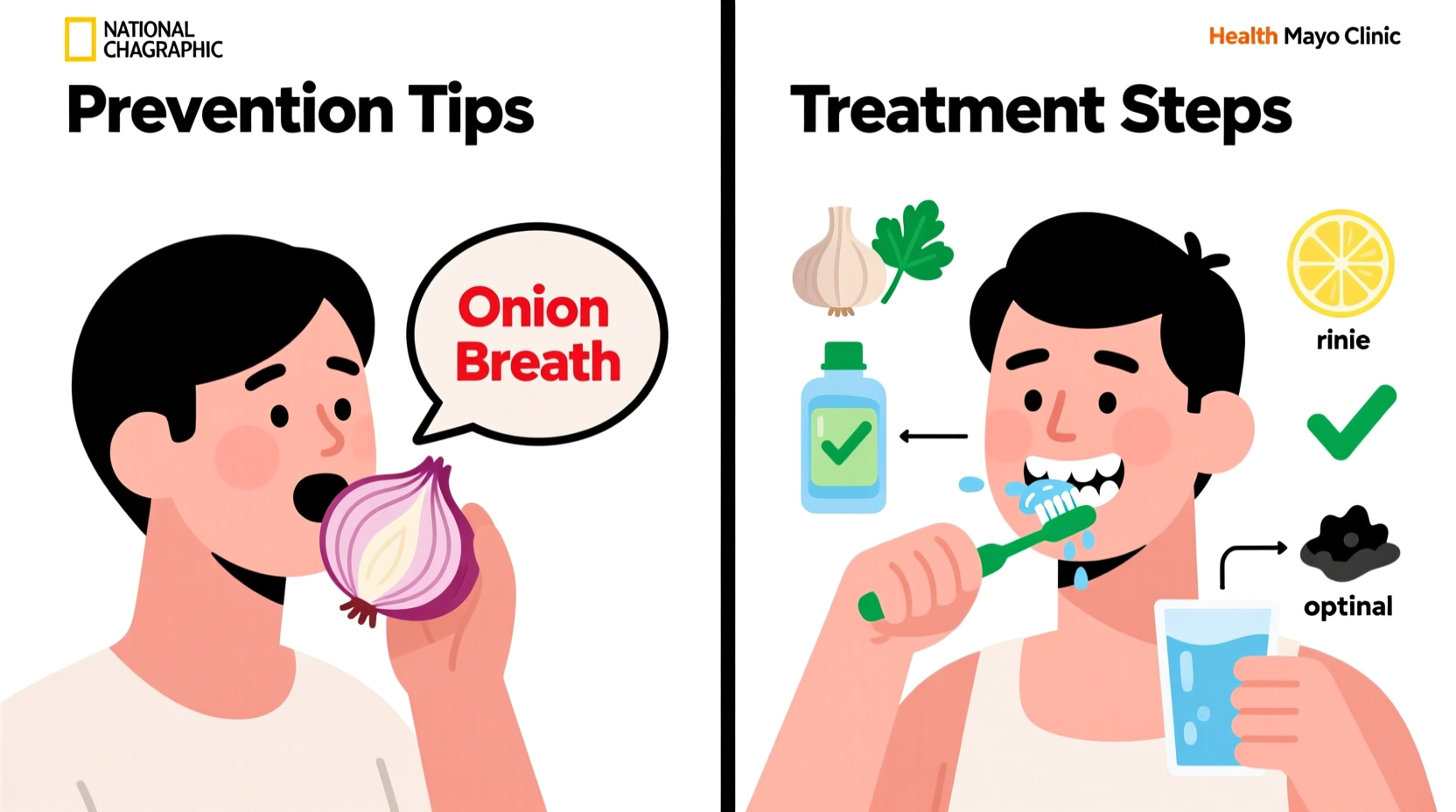
When onions are cut or chewed, enzymes break down amino acid sulfoxides into volatile sulfur compounds (VSCs), including syn-propanethial-S-oxide, allyl methyl sulfide (AMS), and others. These compounds are responsible not only for tearing up while chopping onions but also for the persistent odor that follows consumption. AMS, in particular, is absorbed into the bloodstream and expelled through the lungs and skin, meaning the smell can linger for hours—even after brushing teeth or using mouthwash.
This physiological process distinguishes onion breath from surface-level halitosis caused by bacteria on the tongue or trapped food particles. Because the odor originates internally, solutions must address both oral and systemic factors. Effective management requires a layered strategy: inhibiting compound formation during cooking, neutralizing residues post-consumption, and supporting metabolic clearance.
Key Characteristics of Onions and Their Volatile Compounds
- Flavor Profile: Ranges from sharp and pungent (raw) to sweet and mellow (cooked).
- Aroma: Pungent, sulfurous; intensifies when cell walls are broken.
- Primary Odor-Causing Compounds: Allyl methyl sulfide (AMS), propanethial S-oxide, methanethiol.
- Heat Stability: Sulfur compounds persist through cooking but transform with heat exposure.
- Metabolic Pathway: Absorbed into blood, metabolized slowly, excreted via breath, sweat, and urine.
- Duration of Breath Impact: Up to 72 hours in extreme cases, though typically 10–30 hours depending on quantity consumed.
Practical Prevention Strategies During Cooking and Eating
The first line of defense against onion breath begins before the first bite. Culinary techniques can significantly reduce the concentration of odor-causing compounds.
Cooking Methods That Reduce Pungency
Heat alters the chemical structure of sulfur compounds. Extended cooking—especially boiling, stewing, or roasting—breaks down more volatile molecules into less odorous forms.
- Sautéing: Cook onions slowly over medium-low heat until translucent (about 8–12 minutes). This reduces enzyme activity and volatilization.
- Caramelizing: Slow cooking over 30+ minutes transforms sugars and degrades sulfur compounds, resulting in sweeter, less odorous onions.
- Boiling: Boiling raw onions for 5–7 minutes leaches out water-soluble sulfur compounds. Discard the cooking water to remove odor precursors.
- Blanching Before Use: Briefly immerse chopped onions in boiling water for 60 seconds, then shock in ice water. This method preserves texture while reducing bite and post-consumption odor.
Selecting Lower-Odor Onion Varieties
Not all onions are equally pungent. Choosing milder cultivars can minimize breath impact without sacrificing flavor.
| Onion Type | Pungency Level | Best Uses | Breath Impact |
|---|---|---|---|
| Vidalia | Low | Raw salads, salsas, garnishes | Minimal |
| Walla Walla | Low | Grilled, raw applications | Low |
| White Onion | Moderate | Cooking, Mexican cuisine | Moderate |
| Yellow Onion | High | General cooking, soups, roasts | High |
| Red Onion | Moderate-High | Raw use, pickling | Moderate |
Pro Tip: Soak sliced raw onions in cold water or vinegar for 10–15 minutes before serving. This reduces pyruvic acid and free sulfenic acids, diminishing both bite and long-term breath impact.
Immediate Post-Meal Remedies to Neutralize Onion Breath
Once onions are consumed, swift action can mitigate odor release. The goal is to neutralize residual compounds in the mouth and accelerate systemic detoxification.
Foods That Combat Onion Breath
Certain foods contain natural compounds that counteract or mask sulfur-based odors.
- Parsley: Rich in chlorophyll and myristicin, which may help neutralize VSCs. Chew fresh sprigs thoroughly after meals.
- Lettuce: A 2016 study published in the Journal of Food Science found that lettuce reduced AMS concentration by up to 50% when eaten alongside onions.
- Apples: Contain polyphenols like epicatechin that degrade sulfur compounds. Raw apples were shown to reduce odor intensity within 30 minutes of consumption.
- Mint Leaves: Natural antimicrobial properties and aromatic oils provide immediate masking and mild neutralization.
- Green Tea: Catechins bind to sulfur compounds and inhibit bacterial growth linked to secondary halitosis.
Dairy as a Breath Moderator
Milk, particularly whole milk, has demonstrated effectiveness in reducing onion odor. A study at Ohio State University revealed that drinking milk during or immediately after eating raw onions reduced volatile sulfur emissions by up to 80%. The fat and protein content appears to trap and denature odor molecules.
“Milk’s combination of casein and fat creates a physical barrier that limits the release of allyl methyl sulfide in the breath.” — Dr. Sheryl Barringer, Professor of Food Science, Ohio State University
For best results, consume one cup of whole milk with an onion-heavy meal. Skim milk is less effective due to lower fat content.
Oral Hygiene Protocols for Long-Lasting Freshness
Standard brushing and flossing remove food debris but do little to eliminate systemic sulfur compounds. An advanced oral care routine enhances odor control.
Step-by-Step Anti-Breath Oral Routine
- Rinse Immediately: Swish with water or green tea right after finishing your meal to flush loose particles and dilute surface compounds.
- Brush Teeth and Tongue: Use fluoride toothpaste and focus on the back of the tongue where anaerobic bacteria thrive and interact with sulfur residues.
- Floss Thoroughly: Remove any trapped onion fibers between teeth that could decompose and worsen odor.
- Use Chlorhexidine Mouthwash: A prescription-grade rinse that reduces bacterial load. Over-the-counter options with cetylpyridinium chloride (CPC) also help.
- Chew Sugar-Free Gum: Preferably containing xylitol, which stimulates saliva flow and mechanically clears odorants.
Expert Insight: Saliva naturally helps cleanse the mouth and neutralize pH. Dry mouth exacerbates onion breath. Stay hydrated and consider chewing gum with xylitol to maintain salivary flow.
Variants and Forms of Onions: How Preparation Affects Breath Impact
The form in which onions are consumed influences both flavor delivery and post-meal odor duration.
| Form | Odor Potential | Notes |
|---|---|---|
| Raw Chopped | Very High | Maximizes enzyme release; highest AMS production. |
| Cooked (Sautéed/Roasted) | Moderate | Heat degrades some sulfur compounds; slower release. |
| Pickled | Moderate | Acid environment stabilizes compounds; vinegar offers slight neutralization. |
| Dehydrated/Granulated | Low-Moderate | Some volatiles lost during drying; rehydration increases potency slightly. |
| Onion Powder | Low | Concentrated flavor but lower moisture = fewer active enzymes. |
| Onion Juice (Supplements) | High | Highly concentrated; rapid absorption leads to strong systemic odor. |
While powdered or dried forms produce less immediate breath impact, they still contribute to cumulative sulfur load when consumed regularly.
Comparison with Garlic Breath
Onion breath is often compared to garlic breath, as both stem from organosulfur compounds. However, there are important distinctions:
| Factor | Onion Breath | Garlic Breath |
|---|---|---|
| Primary Compound | Allyl Methyl Sulfide (AMS) | Diallyl Disulfide, Allyl Methyl Sulfide |
| Onset of Odor | Within 30 minutes | Within 15–30 minutes |
| Persistence | Up to 24–30 hours | Up to 48–72 hours |
| Effectiveness of Milk | High (especially whole milk) | Moderate |
| Best Neutralizers | Apples, parsley, lettuce, milk | Milk, mint, spinach, lemon juice |
| Topical vs. Systemic Origin | Primarily systemic | Both topical and systemic |
Garlic contains a broader array of sulfur derivatives, making its breath more complex and longer-lasting. However, both respond well to similar mitigation strategies involving diet, oral care, and metabolism support.
Practical Tips & Frequently Asked Questions
Can lemon juice eliminate onion breath?
Lemon juice provides short-term masking due to its strong citrus aroma and acidity, which may temporarily alter oral pH and inhibit bacterial activity. However, it does not neutralize AMS in the bloodstream and should be combined with other methods for lasting effect.
Does drinking coffee help or hurt?
Coffee often worsens onion breath. Its low pH promotes dry mouth, and tannins can bind with sulfur compounds, potentially amplifying unpleasant notes. If consumed, follow with water or green tea.
Are there supplements that reduce onion odor?
No direct supplement targets onion-specific breath. However, chlorophyll tablets, probiotics, and digestive enzymes may support overall digestion and microbial balance, indirectly aiding odor control.
How long does onion breath last?
Typically 10 to 30 hours, depending on the amount consumed, metabolic rate, hydration level, and liver function. In rare cases involving high intake (e.g., onion juice fasts), traces may persist up to three days.
Can chewing gum really help?
Yes—but only sugar-free gum with xylitol. It stimulates saliva, physically removes residue, and reduces bacterial adhesion. Flavored gums mask odor temporarily but don’t neutralize compounds.
Is there a genetic factor in how strongly people emit onion breath?
Emerging research suggests variations in cytochrome P450 enzymes—responsible for metabolizing sulfur compounds—may affect how quickly individuals clear AMS. Some people naturally eliminate odors faster than others.
Quick Checklist: Minimize Onion Breath After a Meal
- Drink a glass of whole milk
- Eat a raw apple or fresh parsley
- Rinse with green tea or CPC mouthwash
- Brush teeth and scrape tongue
- Chew xylitol gum for 10 minutes
- Stay hydrated throughout the day
Advanced Lifestyle and Metabolic Support
Beyond immediate remedies, long-term habits influence how the body processes and eliminates odor-causing compounds.
- Hydration: Water supports kidney filtration and dilutes sulfur metabolites in blood and sweat.
- Liver Health: The liver breaks down AMS. Diets rich in cruciferous vegetables (broccoli, kale) support phase II detoxification pathways.
- Exercise: Light aerobic activity post-meal increases respiration and perspiration, accelerating elimination of volatile compounds.
- Sleep Quality: Restorative sleep optimizes metabolic clearance; poor sleep slows detoxification processes.
Individuals who frequently consume alliums (onions, garlic, leeks) may benefit from periodic liver-supportive nutrition, including foods high in glutathione precursors like eggs, spinach, and avocado.
Summary & Key Takeaways
Onion breath is a predictable biochemical consequence of consuming allium vegetables, driven primarily by allyl methyl sulfide and related sulfur compounds that enter the bloodstream and are exhaled over many hours. While unavoidable to some extent, its intensity and duration can be significantly reduced through informed practices.
The most effective strategy combines multiple approaches: selecting milder onion varieties, applying appropriate cooking techniques, consuming odor-neutralizing foods like apples and parsley, drinking whole milk during meals, and following a rigorous oral hygiene routine. Systemic support through hydration, liver health, and salivary stimulation further enhances results.
Unlike superficial breath fresheners, lasting success comes from understanding the physiology behind the odor and responding with targeted interventions. With these methods, cooks and diners alike can enjoy the rich flavors of onions without social discomfort.
Final Thought: Embrace onions confidently. With the right knowledge, you can savor their culinary benefits while maintaining fresh breath and social ease.









