
Intelligent dog breeds like Border Collies, Poodles, German Shepherds, and Australian Shepherds thrive on mental engagement as much as physical exercise. Without adequate cognitive stimulation, these dogs can become bored, anxious, or even destructive. While daily walks and obedience training are essential, the right toys can transform idle time into an enriching experience. The key lies in selecting toys that challenge their problem-solving skills, reward persistence, and adapt to their evolving abilities. This guide breaks down the science of canine intelligence, identifies what makes a toy truly stimulating, and offers practical steps for choosing the best options for your sharp-minded companion.
Understanding Canine Intelligence and Mental Needs
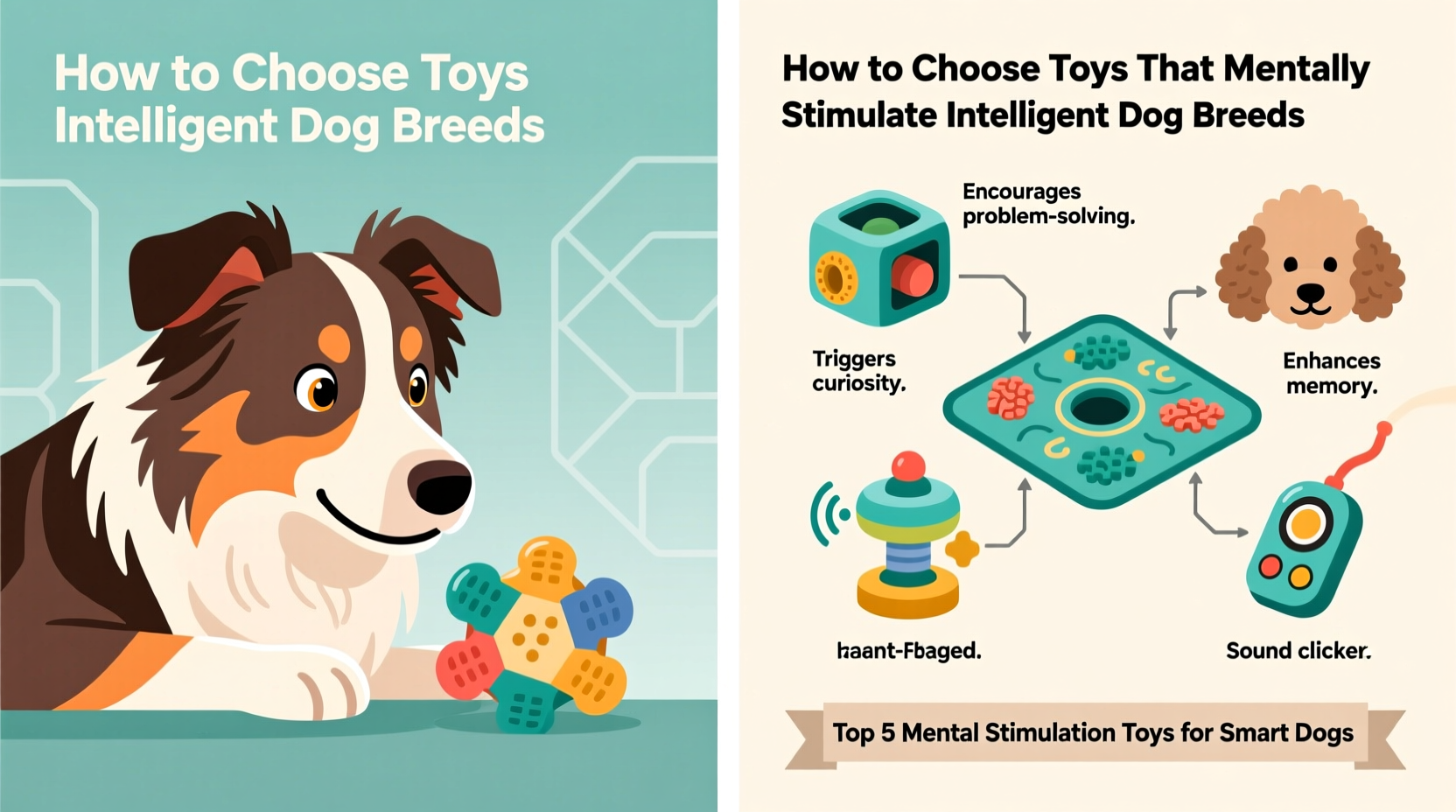
Dog intelligence isn't a single trait—it's a combination of instinctive, adaptive, and working/obedience intelligence. Breeds developed for herding, guarding, or search-and-rescue roles possess high working intelligence, meaning they learn commands quickly and excel at tasks requiring focus and decision-making. These dogs don’t just want to play; they want to solve, strategize, and earn rewards through effort.
Mental fatigue is just as important as physical fatigue. A dog who has spent 30 minutes figuring out how to extract peanut butter from a puzzle toy may be more relaxed than one who ran for an hour without mental engagement. Studies show that mentally stimulated dogs exhibit fewer behavioral issues such as excessive barking, chewing, or digging. According to Dr. Stanley Coren, a leading canine psychologist, “Dogs with higher intelligence require not just activity, but meaningful activity—tasks that engage their natural instincts and reward cognitive effort.”
“Mental stimulation is not optional for smart breeds—it’s a necessity. Without it, you’re asking a gifted student to sit through kindergarten every day.” — Dr. Rachel Taylor, Veterinary Behaviorist
Characteristics of Mentally Stimulating Toys
Not all dog toys are created equal. A squeaky plush toy might provide short-term excitement, but it rarely sustains the attention of an intelligent dog. Truly engaging toys share several key characteristics:
- Problem-solving required: The dog must figure out how to access a treat or complete a sequence.
- Adjustable difficulty: The toy should grow with the dog’s skill level.
- Multi-step interaction: Toys that require pushing, sliding, flipping, or rotating parts keep the brain active.
- Sensory engagement: Incorporating smell, touch, and sound increases immersion.
- Delayed gratification: Success comes after effort, reinforcing patience and persistence.
Types of Toys That Challenge Intelligent Dogs
The market offers a wide range of interactive toys, but only certain categories consistently deliver cognitive benefits. Below is a breakdown of top-performing types, along with examples and suitability for different skill levels.
| Toys Type | How It Works | Best For | Examples |
|---|---|---|---|
| Puzzle Feeders | Dogs manipulate sliders, flaps, or compartments to uncover hidden treats. | All intelligent breeds; ideal for beginners to advanced. | Nina Ottosson puzzles, Outward Hound Hide-A-Squirrel |
| Treat Dispensing Balls | Rolling or bouncing releases kibble or small treats gradually. | Dogs who love motion and chasing; moderate challenge. | Kong Classic, West Paw Qwizl, StarMark Bob-A-Lot |
| Snuffle Mats | Textured fabric mats where treats are hidden for scent-based foraging. | Dogs with strong noses; excellent for calming overstimulated dogs. | Handmade fleece mats, PetSafe Busy Buddy Snuffle Mat |
| Interactive Electronic Toys | Responds to touch or action with sounds, lights, or treat release. | High-energy dogs needing novelty; supervise use. | Philypet Smart Ball, iFetch Interactive Ball Launcher |
| DIY Challenges | Homemade games using muffin tins, cardboard boxes, or cup flips. | Budget-friendly; customizable difficulty. | Muffin tin with tennis balls covering treats, towel roll with hidden snacks |
Why Puzzle Toys Work Best for Smart Breeds
Puzzle feeders stand out because they mimic natural foraging behaviors. In the wild, canines spend hours searching for food—digging, sniffing, and manipulating objects. Modern domestication removes this need, creating a mismatch between instinct and environment. Puzzle toys bridge that gap by turning mealtime into a hunt. A study published in *Applied Animal Behaviour Science* found that dogs using food puzzles showed reduced stress markers and improved focus during training sessions.
Step-by-Step Guide to Choosing the Right Toy
Selecting the perfect mental stimulant isn’t guesswork. Follow this five-step process to ensure you're meeting your dog’s cognitive needs effectively.
- Assess your dog’s current skill level. Start simple if your dog hasn’t used puzzle toys before. Watch how quickly they figure out basic challenges like flipping a cup off a treat.
- Match the toy to your dog’s size and strength. A powerful breed like a Doberman needs durable materials (rubber, nylon), while a smaller intelligent breed like a Papillon may do well with lightweight plastic puzzles.
- Introduce one toy at a time. Overloading leads to frustration. Let your dog master one before adding complexity.
- Monitor engagement and adjust difficulty. If your dog solves a puzzle in under 30 seconds repeatedly, it’s time to upgrade. Look for toys with multiple settings or layers.
- Incorporate variety and rotation. Use a toy for 3–4 days, then store it away for a week. This prevents habituation and keeps interest high.
Real Example: Transforming a Bored Border Collie
Milo, a 3-year-old Border Collie from Portland, was labeled “hyperactive” by his owner due to constant pacing, barking at shadows, and chewing furniture when left alone. His daily routine included two long walks and backyard fetch, but no structured mental work. A behavior consultant recommended introducing a series of puzzle toys starting with the Outward Hound Hide-A-Squirrel—a plush toy set where squeaky animals are tucked into a fabric tree trunk.
At first, Milo shoved his nose in and pulled them out randomly. Within three days, he learned to pull the correct sequence to release a treat hidden beneath. Over the next month, his owner added a Level 3 Nina Ottosson puzzle and a snuffle mat for breakfast scattering. Within six weeks, Milo’s destructive behaviors decreased by 80%, and he began napping calmly after puzzle sessions. His owner reported, “It’s like he finally has a job. He’s tired in the best way possible.”
Checklist: How to Evaluate a Toy Before Buying
Before purchasing any toy, run through this checklist to ensure it meets the mental stimulation threshold for intelligent breeds:
- ✅ Does it require manipulation beyond chewing or shaking?
- ✅ Can the difficulty be adjusted or increased over time?
- ✅ Is it made from non-toxic, durable materials safe for determined chewers?
- ✅ Does it incorporate treats or food to motivate sustained engagement?
- ✅ Can it be cleaned easily to prevent bacterial buildup?
- ✅ Does it encourage natural behaviors like foraging, digging, or problem-solving?
- ✅ Is it appropriate for your dog’s size and jaw strength?
Avoiding Common Mistakes
Even well-intentioned owners make errors when selecting mental toys. Here are frequent pitfalls and how to avoid them:
- Choosing novelty over function: Light-up toys or automated launchers may impress humans but often fail to engage dogs long-term. Prioritize function—does it require thinking?
- Overestimating skill level: Throwing a complex puzzle at a beginner leads to frustration. Start easy and build confidence.
- Using low-value rewards: Kibble might not be worth the effort. Reserve special treats for puzzle time.
- Leaving toys out 24/7: Constant access reduces novelty. Rotate toys on a schedule.
- Ignoring safety: Some puzzle toys have small moving parts. Always supervise initial use and inspect for wear.
Frequently Asked Questions
How much mental stimulation does my intelligent dog need daily?
Most high-intelligence breeds benefit from 30 to 60 minutes of focused mental activity per day. This can be split into multiple sessions—e.g., a 15-minute puzzle at breakfast, a scent game in the evening. Mental exercise should complement, not replace, physical activity.
Can I make my own mentally stimulating toys?
Absolutely. DIY options are cost-effective and customizable. Try placing treats under tennis balls in a muffin tin, rolling kibble in a towel for your dog to unroll, or hiding treats in nested cardboard boxes. The goal is to create a challenge that requires thought and manipulation.
What if my dog loses interest in a puzzle toy?
Loss of interest usually means the toy is too easy, too hard, or too familiar. First, increase the reward value. Second, try adjusting the difficulty if possible. Third, rotate the toy out for a week and reintroduce it later. Novelty reignites curiosity.
Conclusion: Turn Playtime Into Brain Training
Selecting the right toys for intelligent dog breeds isn’t about entertainment—it’s about fulfillment. These dogs aren’t just pets; they’re thinkers, learners, and problem solvers wired for purpose. By investing in toys that demand focus, strategy, and persistence, you honor their natural abilities and prevent the behavioral fallout of under-stimulation. Start with one puzzle, observe your dog’s response, and gradually expand their cognitive toolkit. With the right approach, every play session becomes an opportunity to strengthen your bond and nurture a calmer, happier, and more balanced companion.
🚀 Ready to transform your dog’s downtime? Pick one new puzzle toy this week and track how your dog responds. Share your experience in the comments—your insights could help another smart dog thrive!








