Many pets experience stress due to loud noises, travel, separation, or changes in routine. While commercial calming sprays are available, creating your own at home offers control over ingredients, cost savings, and peace of mind knowing exactly what you're exposing your pet to. Lavender and chamomile have long been valued in herbal medicine for their soothing properties—not just for humans, but for animals too. When used correctly, these botanicals can help ease mild anxiety in dogs and cats without sedation or side effects.
This guide walks you through crafting a safe, effective, and all-natural pet calming spray using food-grade and pet-safe components. You’ll learn why these ingredients work, how to prepare them properly, and when—and when not—to use the spray. Whether your dog trembles during thunderstorms or your cat hides when guests arrive, this gentle solution may offer meaningful relief.
The Science Behind Calming Botanicals
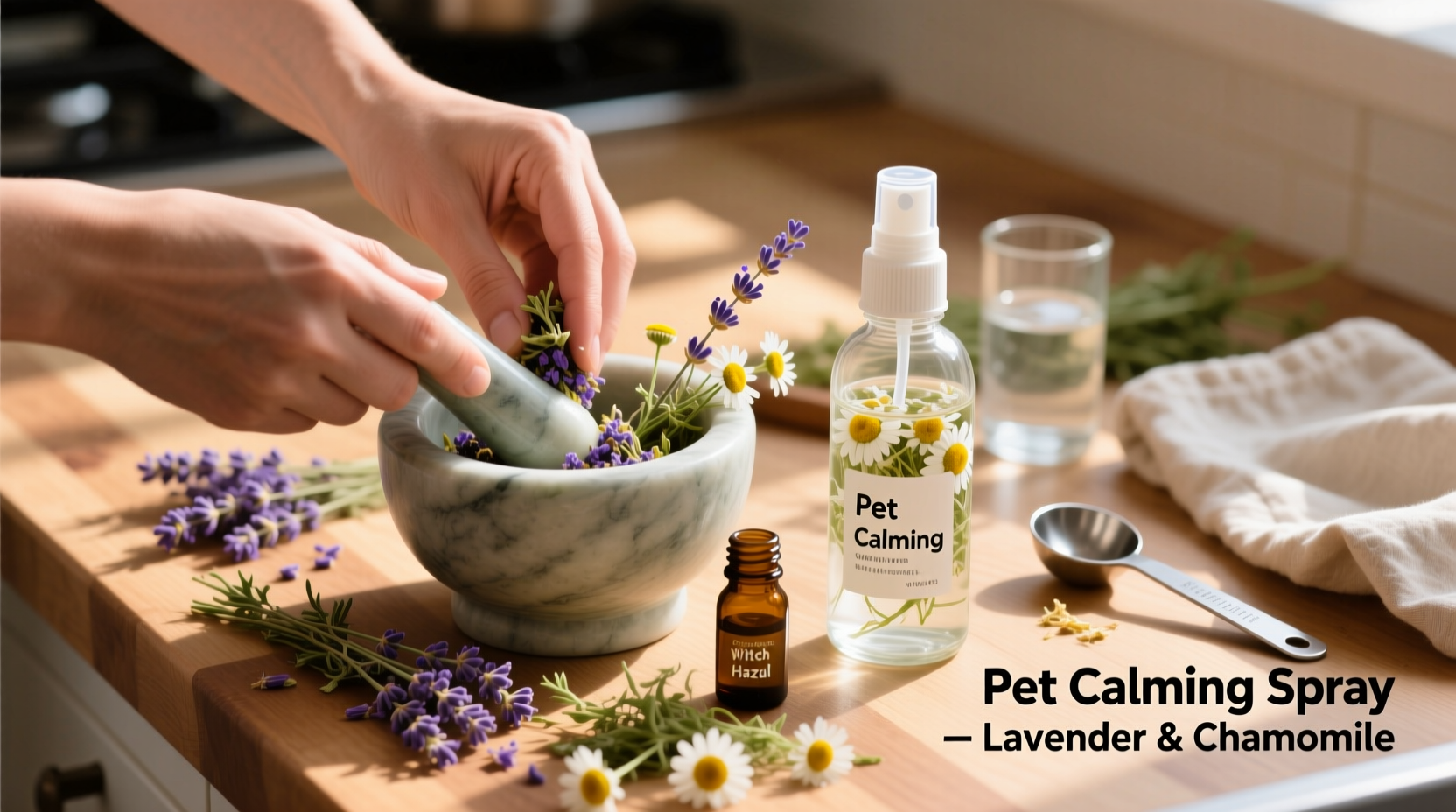
Lavender (Lavandula angustifolia) contains linalool and linalyl acetate, compounds shown in veterinary studies to reduce heart rate and promote relaxation in dogs and cats. A 2005 study published in *Physiology & Behavior* found that dogs exposed to lavender aroma exhibited increased calmness and spent more time resting. Similarly, chamomile (Matricaria chamomilla) contains apigenin, a flavonoid that binds to benzodiazepine receptors in the brain, producing mild anxiolytic effects.
While neither herb replaces professional treatment for severe anxiety or behavioral disorders, they serve as valuable complementary tools. Their subtle scent is generally well-tolerated by pets, especially when diluted appropriately. Unlike synthetic air fresheners or essential oil diffusers marketed for pets, a homemade spray allows you to avoid alcohol-heavy bases, artificial fragrances, and potentially toxic concentrations.
“Herbal remedies like chamomile and lavender can support emotional balance in pets when used thoughtfully. The key is proper dilution and monitoring individual responses.” — Dr. Rebecca Foster, DVM, Integrative Veterinary Medicine Specialist
Step-by-Step Guide: Making Your Own Calming Spray
Creating a DIY pet calming spray takes less than 30 minutes and requires only a few ingredients. Follow this detailed process to ensure safety and effectiveness.
- Gather Supplies: You’ll need a clean 4-ounce glass spray bottle (dark amber preferred), distilled water, organic dried chamomile flowers, culinary-grade dried lavender buds, a small saucepan, a fine mesh strainer, and optionally, vegetable glycerin or witch hazel for better dispersion.
- Prepare the Herbal Infusion: Combine 1 cup of distilled water with 1 tablespoon each of dried chamomile and dried lavender in a saucepan. Bring to a gentle simmer over low heat. Do not boil vigorously—simmering preserves delicate aromatic compounds. Cover and let steep off heat for 20 minutes.
- Strain and Cool: Pour the mixture through a fine strainer into a clean container. Press gently on the plant material to extract liquid, then discard the herbs. Allow the infusion to cool completely to room temperature. Refrigerate if not using immediately; it keeps for up to 48 hours refrigerated.
- Bottle the Spray: Transfer the cooled infusion to your spray bottle. For improved shelf life and even misting, add ½ teaspoon of witch hazel (alcohol-free) or ¼ teaspoon of vegetable glycerin. These act as natural preservatives and emulsifiers.
- Label and Store: Clearly label the bottle with contents and date. Store in the refrigerator between uses. Use within one week if unrefrigerated, or up to 10 days if kept cold.
When and How to Use the Spray Safely
Proper application is critical. Pets have highly sensitive olfactory systems—what smells pleasant to us can overwhelm them. Never spray directly on your pet’s face, ears, or paws. Instead, apply lightly to areas where they rest or spend time.
- Mist the air above your pet’s bed or crate from a distance of 12–18 inches.
- Spray once or twice inside a carrier before transport.
- Lightly mist curtains or furniture near their favorite lounging spot during storms or gatherings.
- Use no more than two sprays per application, and wait at least 2–3 hours between uses.
Avoid spraying near ventilation intakes or in poorly ventilated spaces. Cats, in particular, are more vulnerable to respiratory irritation from concentrated vapors. If your pet sneezes, shakes their head, or leaves the area after exposure, discontinue use immediately.
Do’s and Don’ts of Pet Calming Spray Use
| Do | Don’t |
|---|---|
| Use organic, pesticide-free herbs to avoid chemical residues | Use essential oils unless properly diluted by a veterinarian |
| Store the spray in the refrigerator to extend freshness | Spray directly onto your pet’s skin or fur |
| Test on a small area first and monitor behavior | Use daily over long periods without breaks |
| Apply 15–30 minutes before anticipated stress (e.g., vet visits) | Combine with other scented products like candles or plug-ins |
| Replace after 10 days, even if unused | Use on kittens, puppies under 12 weeks, or pets with respiratory conditions |
Real-World Example: Helping a Storm-Anxious Dog
Max, a 3-year-old rescue Labrador Retriever, began trembling and pacing whenever thunder rumbled. His owner, Sarah, tried pressure wraps and background music, but Max still sought hiding spots under the stairs. After consulting her vet, she decided to try a homemade calming spray using this recipe.
Sarah prepared the infusion and tested it on Max’s blanket. He sniffed it briefly but showed no signs of discomfort. During the next storm warning, she sprayed the air near his indoor kennel 20 minutes beforehand. Over the next three storms, she repeated the process, pairing it with soft classical music and offering frozen peanut butter treats.
Within two weeks, Max’s response changed noticeably. He still reacted to the first clap of thunder but returned to his bed more quickly and rested instead of pacing. Sarah credits the combination of environmental management and consistent routines—but notes the calming spray played a role in reducing his baseline anxiety.
She now keeps a batch ready during storm season and refreshes it weekly. “It’s not magic,” she says, “but it’s part of a toolkit that helps Max feel safer.”
Common Questions About DIY Pet Calming Sprays
Can I use essential oils instead of dried herbs?
No—essential oils are highly concentrated and can be toxic to pets, especially cats. Even diluted, many common oils like tea tree, eucalyptus, and citrus pose serious risks. Stick to gentle herbal infusions made from whole plant material. If you want stronger aromatherapy effects, consult a veterinary behaviorist or certified animal aromatherapist.
Is this spray safe for cats?
Cats can be more sensitive than dogs due to differences in liver metabolism. While chamomile and lavender are generally considered safe in very low concentrations, always introduce cautiously. Spray only in the environment, never on the cat, and allow them to leave the area freely. Avoid use in multi-cat households where one animal may be ill or elderly.
How often can I use the spray?
Limited to 1–2 times per day, with at least 2–3 hours between applications. Continuous or prolonged exposure—even to natural substances—can lead to desensitization or irritation. Reserve use for specific stressful events rather than daily maintenance.
Tip: Pair the spray with positive reinforcement. Offer treats or gentle petting after application so your pet associates the scent with comfort.Checklist: Preparing and Using Your Calming Spray
- ✓ Gather supplies: glass spray bottle, dried chamomile, dried lavender, distilled water
- ✓ Simmer herbs in water for 5 minutes, then steep covered for 20 minutes
- ✓ Strain and cool infusion completely
- ✓ Add optional witch hazel or glycerin for stability
- ✓ Transfer to labeled spray bottle and refrigerate
- ✓ Test on bedding and observe pet for 24 hours
- ✓ Apply lightly in the environment 15–30 minutes before stressor
- ✓ Limit use to 1–2 sprays per session, max twice daily
- ✓ Discard after 7–10 days
- ✓ Monitor your pet’s behavior and adjust as needed
Final Considerations and Natural Alternatives
A DIY calming spray is one component of a broader strategy for managing pet anxiety. Environmental enrichment, predictable routines, physical exercise, and mental stimulation often have greater long-term impact. Consider incorporating puzzle feeders, daily walks, or interactive toys alongside sensory support.
If your pet shows signs of severe anxiety—such as self-harm, excessive vocalization, or destructive behavior—seek guidance from a veterinarian or certified animal behaviorist. In some cases, prescription medication or targeted training may be necessary.
Other natural options include:
- Adaptil (for dogs): A synthetic pheromone that mimics maternal calming signals.
- Feliway (for cats): Replicates facial pheromones to reduce territorial stress.
- Thundershirts: Provide gentle, constant pressure similar to swaddling.
- White noise machines: Mask sudden sounds like fireworks or doorbells.
None of these replace professional care, but when combined thoughtfully, they create a supportive environment that honors your pet’s emotional needs.
Take Action Today—Calm Starts at Home
You don’t need expensive products or prescriptions to begin supporting your pet’s emotional well-being. With a few simple ingredients and careful attention, you can create a gentle, natural tool that helps your companion navigate stressful moments with greater ease. Start small: brew a batch of chamomile-lavender infusion, test it safely, and observe how your pet responds. Keep notes on what works, and refine your approach over time.
Every pet is different. What soothes one may not affect another—but the effort you put into understanding their needs makes all the difference. Share your experience, ask questions, and connect with other pet lovers who value holistic, compassionate care.
💬 Have you tried natural remedies for pet anxiety? Share your story or tips in the comments—your insight could help another pet parent find calm.**








