
Cats are naturally fastidious groomers, spending up to 50% of their waking hours licking their fur clean. However, when grooming becomes excessive, it can signal physical discomfort, stress, or illness. Overgrooming—also known as psychogenic alopecia or compulsive grooming—can lead to hair loss, skin irritation, and even open sores if left unchecked. Recognizing the signs early and understanding the root causes are essential steps toward restoring your cat’s health and comfort.
Recognizing the Signs of Overgrooming
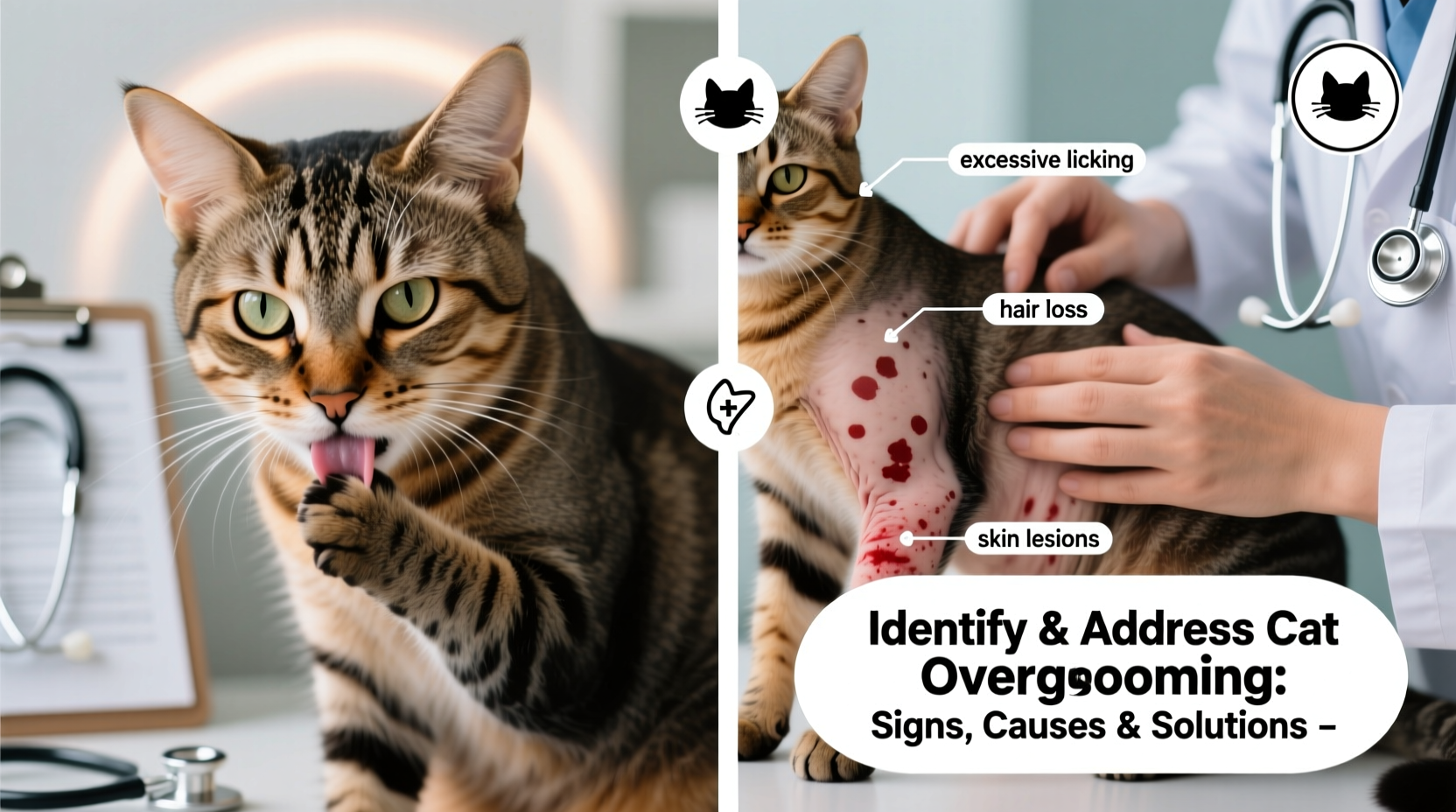
The first step in addressing overgrooming is identifying it. While regular grooming is normal, certain behaviors and physical changes indicate that the activity has crossed into problematic territory.
- Bald patches: Especially along the belly, inner thighs, or forelegs, where a cat can easily reach with its tongue.
- Thin or broken fur: Hair may appear patchy or uneven, not due to shedding but from constant licking.
- Skin redness or sores: Excessive licking can break the skin barrier, leading to infections.
- Obsessive licking sessions: Grooming that lasts longer than 10–15 minutes at a time, multiple times a day.
- Licking during inappropriate moments: Such as while eating, playing, or being petted—suggesting compulsive behavior.
Common Causes of Overgrooming in Cats
Overgrooming rarely occurs without an underlying cause. It’s crucial to differentiate between medical and behavioral triggers, as treatment approaches differ significantly.
Medical Causes
Before assuming psychological factors, rule out physical issues. These conditions often cause itching or discomfort, prompting increased grooming:
- Allergies: Food, flea, or environmental allergens can trigger intense itching.
- Skin infections: Bacterial or fungal infections like ringworm lead to irritation.
- Pain: Arthritis or dental pain may cause a cat to lick nearby areas obsessively.
- Parasites: Fleas, mites, or lice provoke scratching and licking.
- Hormonal imbalances: Hyperthyroidism or other endocrine disorders may alter grooming patterns.
Behavioral Causes
When medical issues are ruled out, stress and anxiety often lie at the heart of overgrooming:
- Environmental changes: Moving homes, new pets, or altered routines can be destabilizing.
- Lack of stimulation: Boredom in indoor-only cats may manifest as repetitive behaviors.
- Separation anxiety: Cats left alone for long periods may self-soothe through grooming.
- Trauma or fear: Past negative experiences can trigger compulsive habits.
“Overgrooming is often a cry for help—either physical or emotional. A thorough veterinary workup is the first step toward resolution.” — Dr. Lena Torres, Feline Behavior Specialist
Step-by-Step Guide to Addressing Overgrooming
Resolving overgrooming requires a systematic approach. Follow these steps to ensure all potential causes are investigated and treated appropriately.
- Schedule a veterinary exam: Begin with a full physical check-up, including skin scrapings, blood tests, and allergy screening.
- Treat any diagnosed medical condition: Administer prescribed medications, change diet if food allergies are suspected, or implement parasite control.
- Monitor grooming behavior: Keep a daily log noting frequency, duration, location on the body, and possible triggers (e.g., after loud noises).
- Reduce environmental stressors: Maintain consistent routines, provide safe spaces, and introduce calming aids like pheromone diffusers.
- Increase mental and physical enrichment: Offer puzzle feeders, interactive toys, and vertical spaces like cat trees.
- Consult a feline behaviorist: If behavioral causes persist, professional guidance can help retrain habits.
- Consider medication (if necessary): In severe cases of anxiety, veterinarians may prescribe anti-anxiety drugs temporarily.
Do’s and Don’ts: Managing Overgrooming
| Do’s | Don’ts |
|---|---|
| Use gentle, vet-approved shampoos if bathing is needed | Apply human lotions or topical treatments without veterinary approval |
| Introduce new routines gradually | Yell at or punish your cat for overgrooming—it worsens anxiety |
| Provide scratching posts and grooming tools to redirect behavior | Shave large areas of fur without consulting a vet |
| Use collars only under veterinary supervision (e.g., Elizabethan collar short-term) | Leave a cone on unattended for extended periods—it can increase distress |
| Engage in daily play sessions to reduce boredom | Ignore persistent bald spots or skin lesions |
Real Example: Luna’s Recovery from Compulsive Licking
Luna, a 4-year-old domestic shorthair, was brought to a veterinary behavior clinic by her owner after developing a large bald spot on her abdomen. Initial exams revealed no fleas or infections. Blood work was normal. The owner reported that the overgrooming began shortly after they adopted a second cat.
Upon observation, Luna was seen excessively licking when the other cat entered the room. She also avoided shared spaces and ate only when alone. The diagnosis: stress-induced overgrooming due to social tension.
The solution involved gradual reintroduction exercises, separate feeding and litter stations, and installation of a Feliway diffuser. Within six weeks, with environmental enrichment and reduced conflict, Luna’s grooming returned to normal, and her fur regrew completely.
Checklist: What You Can Do Today
Use this actionable checklist to begin addressing overgrooming immediately:
- ✅ Inspect your cat’s coat for thinning, baldness, or skin damage.
- ✅ Schedule a vet visit to rule out medical causes.
- ✅ Review recent changes in your household or routine.
- ✅ Provide at least two interactive play sessions per day (10 minutes each).
- ✅ Install a pheromone diffuser in your cat’s primary living area.
- ✅ Eliminate potential allergens—switch to a hypoallergenic litter or food if advised.
- ✅ Keep a grooming behavior journal for two weeks to track patterns.
Frequently Asked Questions
Is overgrooming dangerous for cats?
Yes, if untreated. Chronic overgrooming can lead to skin infections, painful lesions, and secondary complications. It also indicates underlying distress, whether physical or emotional, which needs attention.
Can diet affect my cat’s grooming habits?
Indirectly, yes. Poor nutrition can weaken the skin and coat, increasing itchiness. Food allergies—particularly to proteins like beef or dairy—are a common cause of allergic dermatitis, which leads to excessive licking.
Will my cat’s fur grow back after overgrooming?
In most cases, yes—once the cause is addressed. Fur typically regrows within 6 to 12 weeks. However, long-term damage or scarring may slow or prevent regrowth in severe cases.
Conclusion: Take Action for Your Cat’s Comfort
Overgrooming is more than a cosmetic issue—it’s a window into your cat’s physical and emotional state. By observing changes closely, seeking timely veterinary care, and creating a calm, enriched environment, you can effectively manage and often resolve this behavior. Early intervention not only prevents complications but strengthens the bond between you and your feline companion.
💬 Have you noticed changes in your cat’s grooming habits? Share your experience or questions below—your story could help another pet owner recognize the signs sooner.








