Allowing small pets such as hamsters and birds to enjoy time outdoors can significantly enrich their lives. Fresh air, natural sunlight, and sensory stimulation from the environment contribute to improved mental health and physical well-being. However, the outside world poses numerous risks—from predators and temperature extremes to toxic plants and escape hazards. Creating a secure, controlled outdoor play space is essential to ensure these delicate animals benefit from nature without being exposed to danger. This guide walks through every aspect of designing, building, and maintaining a safe outdoor zone tailored specifically for small pets.
Assessing Your Space and Pet Needs
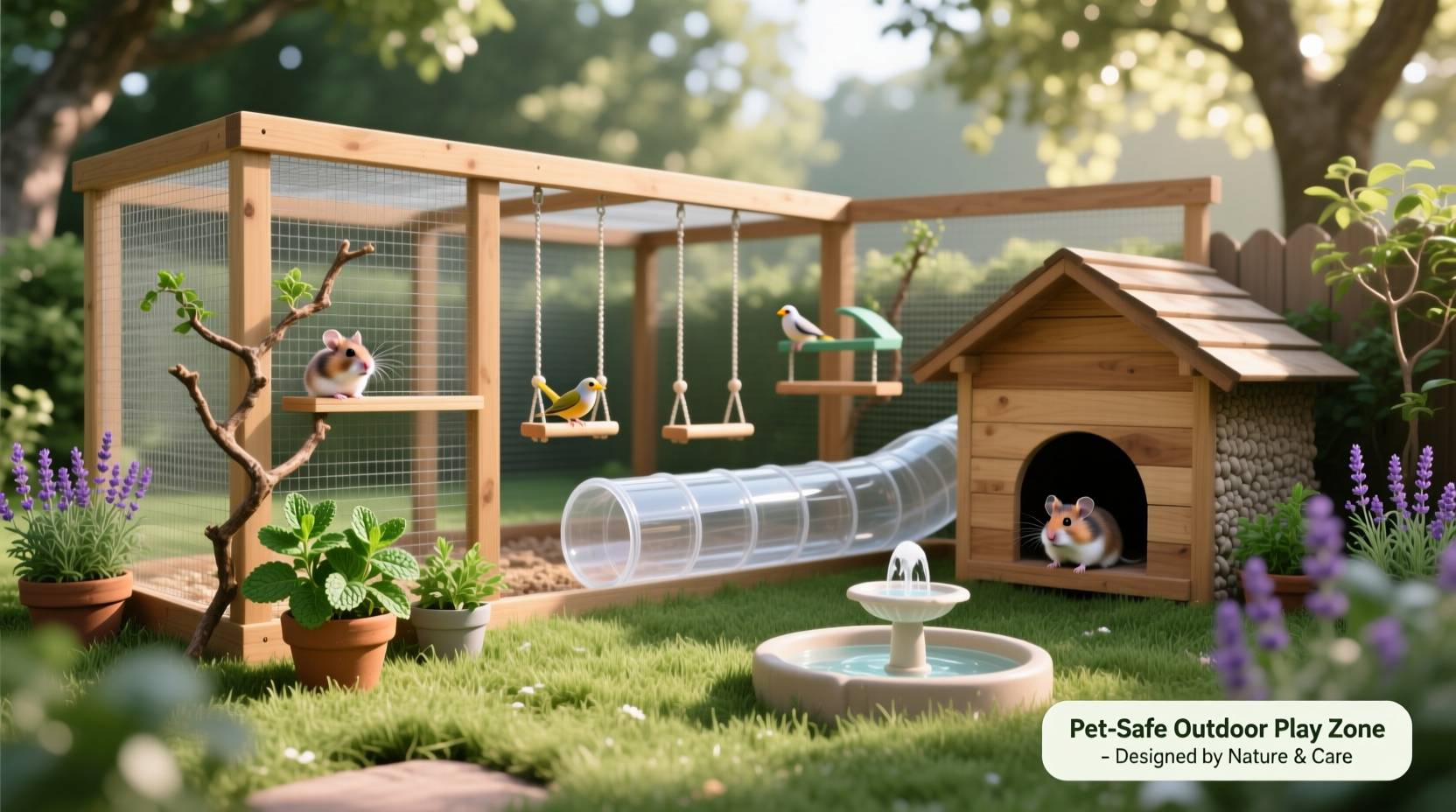
The first step in creating an outdoor play area is understanding both your pet’s biological needs and the limitations of your available space. Hamsters and birds have vastly different requirements, so customization is key.
Hamsters are ground-dwelling rodents that thrive in enclosed environments with digging opportunities and hiding spots. They are highly sensitive to heat and prone to stress when exposed to loud noises or sudden movements. Birds, particularly smaller species like finches or budgies, require vertical space for fluttering and perching but must be protected from wind and aerial predators.
Begin by identifying a quiet corner of your yard or patio—ideally shaded during peak sun hours and sheltered from strong winds. The surface should be stable and free of standing water. If you live in an apartment, a secure balcony setup may suffice, provided it's enclosed properly and monitored at all times.
Tip: Observe your pet’s behavior indoors before moving them outside. If they show signs of anxiety around sudden sounds or movement, introduce them gradually to outdoor stimuli.Designing a Secure Enclosure
A well-designed enclosure acts as both a playground and a fortress. For hamsters, use a portable, fully enclosed playpen made of fine mesh or solid plastic with ventilation. The base should prevent digging escape routes; placing the pen on concrete or using a bottom liner helps. Include tunnels, chew-safe wood pieces, and shallow substrate for natural behaviors.
Birds need flight-friendly enclosures known as aviaries or flight cages. These should be tall enough to allow wing flapping and short flights between perches. Use stainless steel or powder-coated wire mesh with gaps no larger than ½ inch to prevent escapes or predator intrusion. Cover the top securely—even a curious cat or hawk can strike quickly.
All enclosures must be anchored firmly. Lightweight structures can tip over in wind, while poorly secured units may be pried open by raccoons or other wildlife. Consider using ground stakes, sandbags, or attaching the unit to a fixed structure.
“Outdoor enrichment is invaluable, but only if safety comes first. A single lapse in enclosure integrity can lead to loss or injury.” — Dr. Lena Torres, Avian Veterinarian & Exotic Pet Specialist
Step-by-Step Guide to Building a Safe Outdoor Play Zone
- Evaluate Location: Choose a low-traffic, shaded area away from busy roads, loud appliances, or barking dogs.
- Select Appropriate Materials: Use non-toxic, rust-resistant materials. Avoid treated wood, zinc-coated wires (toxic if chewed), and plastics that degrade under UV light.
- Construct or Assemble Enclosure: Ensure all seams are sealed, locks are secure, and flooring prevents burrowing or contamination from soil pathogens.
- Add Enrichment Features: Place safe branches, hideouts, perches, and shallow water dishes (supervised only). For birds, include swings and ladders; for hamsters, add dig boxes filled with organic soil or shredded paper.
- Test for Hazards: Walk around the enclosure and check for sharp edges, loose screws, or gaps. Perform a “predator simulation” test—can a squirrel or snake access the interior?
- Monitor First Use: Introduce your pet for 10–15 minutes initially. Watch for signs of stress, overheating, or discomfort.
Predator and Environmental Protection Strategies
Even in suburban backyards, small pets face real threats. Domestic cats, hawks, snakes, rats, and even neighborhood dogs can pose dangers. Beyond physical barriers, proactive measures are necessary.
- Cover bird enclosures with a tarp or shade cloth overhead to deter birds of prey while still allowing light penetration.
- Elevate hamster pens off the ground if possible, or place them on tables to reduce vulnerability to crawling predators.
- Install motion-activated lights or ultrasonic repellents around the perimeter to discourage nocturnal intruders.
- Avoid placing food or treats outside overnight, which can attract unwanted wildlife.
Environmental factors also demand attention. Direct sunlight can cause rapid overheating—especially in dark-colored enclosures. Temperatures above 75°F (24°C) increase heatstroke risk in hamsters, while birds may pant or fluff feathers when stressed by heat.
Always provide multiple shaded zones within the enclosure. Use natural shading (trees, awnings) or attach UV-blocking netting. Include a ceramic tile or marble stone for hamsters to lie on—a cool surface helps regulate body temperature. For birds, misters or shallow water trays (under supervision) aid in cooling.
| Hazard Type | Risk to Hamsters | Risk to Birds | Prevention Strategy |
|---|---|---|---|
| Direct Sunlight | Heatstroke, dehydration | Overheating, respiratory stress | Provide 60%+ shade coverage; monitor temps hourly |
| Predators (cats, hawks) | Attack, trauma | Snatching, panic injuries | Fully covered top, elevated placement, visual barriers |
| Toxic Plants | Poisoning if ingested | Same; feather irritation from sap | Verify all nearby flora; remove lilies, ivy, oleander |
| Chemical Exposure | Lawn pesticides, fertilizers | Inhalation or contact toxicity | Never use chemicals near play zone; rinse surfaces after mowing |
| Escape Risk | Lost, predation | Flight into traffic or unknown areas | Double-lock doors, check daily for wear |
Enrichment and Behavioral Safety
A safe enclosure isn’t just about avoiding harm—it’s about promoting healthy behaviors. Boredom leads to stress, which weakens immunity and shortens lifespans in small animals.
For hamsters, rotate toys weekly: cardboard tubes, untreated wooden chews, and crumpled paper bags encourage exploration. Scatter food instead of placing it in bowls to simulate foraging. Never leave them unsupervised with fresh fruits high in sugar—limit portions and remove uneaten food after 30 minutes to avoid attracting insects.
Birds benefit from auditory and tactile variety. Hang bells (without small detachable parts), leather strips, or sisal ropes. Introduce new perches of varying diameters to support foot health. Play soft background music or nature sounds at low volume to acclimate them to ambient noise—but avoid sudden loud sounds.
Tip: Rotate enrichment items every 3–4 days to maintain novelty. Pets habituate quickly—what excites them today may be ignored tomorrow.Mini Case Study: Sarah’s Backyard Bird Haven
Sarah, a parrot owner in Portland, wanted her two budgies to experience spring safely. She built a 4' x 4' x 6' pop-up aviary using pet-safe mesh and placed it on her deck under a pergola. She lined the floor with removable linoleum, added three natural branch perches, and hung a shallow birdbath (emptied after each use).
Initially, the birds froze at the sound of wind chimes next door. Sarah started with 10-minute sessions, covering one side of the cage with a cloth for privacy. Over two weeks, she increased exposure time and introduced gentle classical music. By week three, the budgies were singing along, flitting between perches, and preening in the sunlight.
The key to her success? Gradual introduction, constant monitoring, and responsiveness to behavioral cues. When one bird began plucking feathers—a sign of stress—she reduced session length and removed the wind-prone corner of the enclosure. Within days, normal behavior resumed.
Essential Checklist Before Outdoor Time
- ✅ Confirm weather forecast: Avoid days above 80°F (27°C) or below 55°F (13°C).
- ✅ Inspect enclosure for damage, rust, or loose fasteners.
- ✅ Remove toxic plants or chemicals within 10 feet of the play zone.
- ✅ Provide at least two shaded retreats inside the enclosure.
- ✅ Ensure all entry points are locked with secondary clips or zip ties.
- ✅ Fill water dish with fresh water (supervised only).
- ✅ Set timer for initial session (start with 10–15 minutes).
- ✅ Stay within arm’s reach at all times—never leave unattended.
Frequently Asked Questions
Can I let my hamster roam freely in the grass?
No—unsupervised free-roaming is extremely risky. Grass may contain pesticides, parasites (like mites), or hidden holes. Predators can strike in seconds. Always use a secure, enclosed playpen even for brief outdoor visits.
How often can I take my bird outside?
If conditions are favorable, daily 15–30 minute sessions are ideal. Monitor your bird closely for signs of fatigue or stress. Avoid exposing them during high-wind, rainy, or excessively hot days. Consistency matters more than duration.
Is natural sunlight really necessary for small pets?
Yes—especially for birds. Natural sunlight provides UVB rays essential for vitamin D synthesis, which supports calcium absorption and bone health. Indoor-only birds often develop metabolic bone disease. Even 10–15 minutes of indirect sunlight several times a week makes a measurable difference. Just avoid glass-covered exposure—UVB does not penetrate glass.
Final Thoughts and Call to Action
Creating a safe outdoor play area for small pets isn’t just about building a cage—it’s about designing a holistic extension of their indoor habitat that prioritizes security, enrichment, and well-being. With thoughtful planning, regular maintenance, and vigilant supervision, you can give your hamster or bird the joy of nature without compromising their safety.
Start small. Build a simple prototype. Test it. Refine it. Your pet’s curiosity and energy will tell you what works. Share your setup ideas, lessons learned, or photos of your outdoor haven with others in the small pet community. Together, we can raise the standard of care for these often-overlooked companions.
💬 Have you created an outdoor play space for your small pet? Share your story, tips, or questions in the comments—your experience could help another pet parent get it right.








