
A thriving backyard bird habitat doesn’t require daily attention or elaborate landscaping. With thoughtful planning, you can support local bird populations using native plants, natural shelter, and sustainable practices that reduce the need for watering, weeding, and chemical treatments. This approach not only benefits birds but also saves time, conserves water, and fosters a resilient ecosystem right outside your door.
Birds face increasing challenges from habitat loss, climate change, and urban development. By creating a low-maintenance space that provides food, water, cover, and nesting sites, homeowners play a vital role in supporting biodiversity—without turning their yard into a weekend chore magnet.
Choose Native Plants for Natural Support
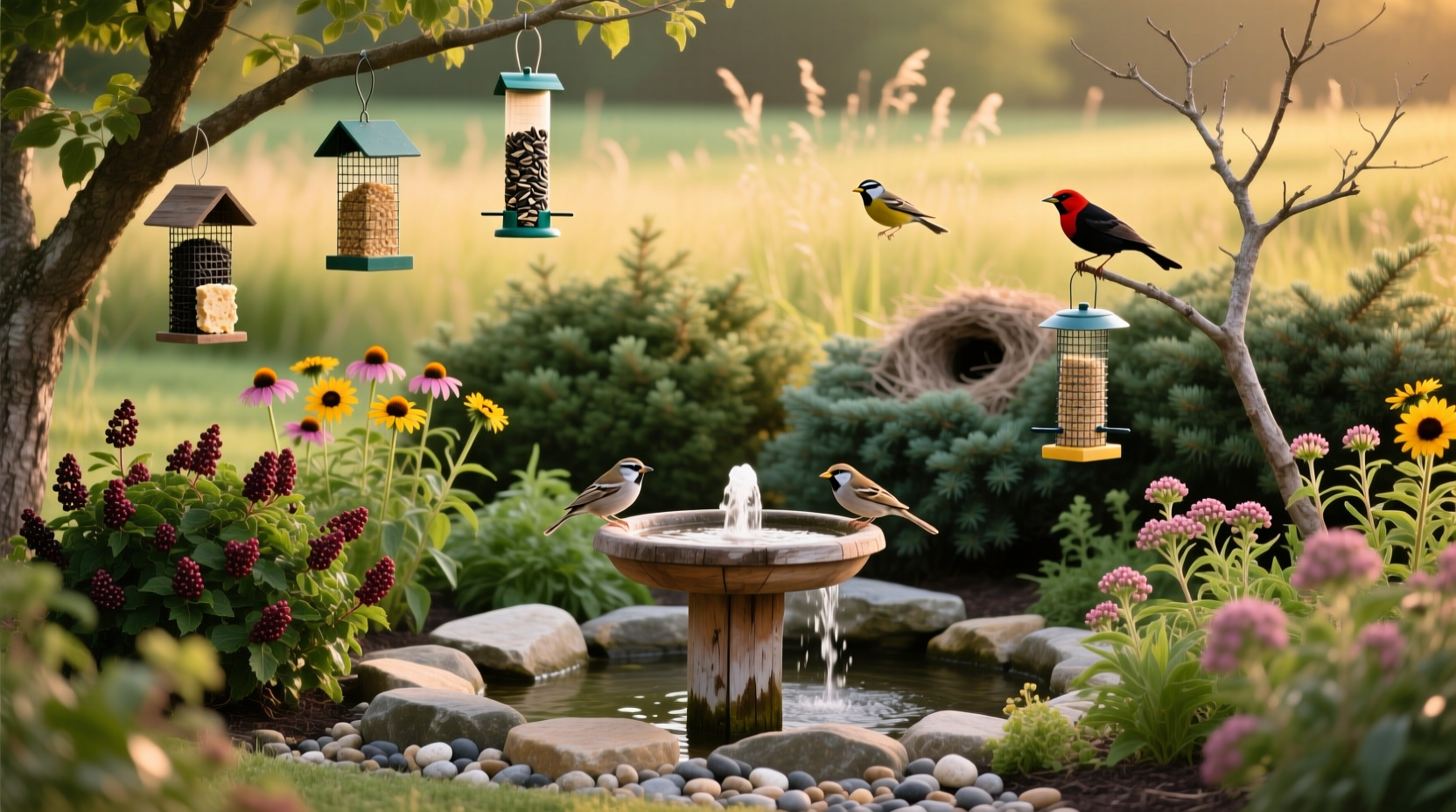
Native plants are the cornerstone of any low-maintenance wildlife habitat. These species evolved alongside local bird populations and offer the most nutritional value through seeds, berries, nectar, and the insects they host. Because they’re adapted to regional soil, rainfall, and temperature patterns, native plants typically require little to no irrigation once established.
For example, in the eastern United States, serviceberry (Amelanchier spp.) produces early spring blooms that attract pollinators and summer berries favored by cedar waxwings and robins. In the west, California lilac (Ceanothus spp.) provides nectar for hummingbirds and dense foliage for nesting songbirds.
Unlike non-native ornamentals, native plants support a complex web of life. A single oak tree can host over 500 species of caterpillars—the primary food source for nestlings of many bird species, including chickadees and warblers.
Tip: Group plants with similar water and sun needs together to minimize irrigation and promote healthy growth.Top Native Plants by Region
| Region | Plant Name | Bird Benefits | Maintenance Level |
|---|---|---|---|
| Northeast | Black-eyed Susan (Rudbeckia hirta) | Seeds for finches and sparrows | Low – drought tolerant |
| Midwest | Prairie dropseed (Sporobolus heterolepis) | Shelter and insect habitat | Very low – no mowing needed |
| Southwest | Desert willow (Chilopsis linearis) | Nectar for hummingbirds; nesting cover | Low – thrives in arid conditions |
| Pacific Northwest | Oregon grape (Mahonia aquifolium) | Berries for thrushes and towhees | Low – shade tolerant, pest resistant |
| California | Manzanita (Arctostaphylos spp.) | Winter nectar and nesting structure | Very low – fire-adapted, minimal water |
Provide Water Without Daily Refills
Water is essential for drinking and bathing, especially during dry months. However, traditional birdbaths often demand frequent cleaning and refilling. To reduce maintenance, opt for passive water features that integrate naturally into your landscape.
A shallow, gently sloping basin placed near shrubs offers safe access for birds while discouraging predators. Positioning it near existing vegetation eliminates the need for extra mulching or edging. For even lower effort, consider a recirculating fountain powered by solar energy—these systems keep water moving, reducing stagnation and mosquito breeding without electricity or plumbing.
Incorporate rocks or gravel at the bottom to give small birds better footing and clean the bath every two weeks with a vinegar solution instead of harsh chemicals.
“Birds are attracted to movement and sound in water. A simple dripper or mister can double visitation with minimal upkeep.” — Dr. Laura Erickson, Ornithologist and Author, *1001 Ways to Help Birds*
Create Shelter Using Layered Landscaping
Birds need protection from weather and predators. Instead of installing multiple birdhouses, which require seasonal cleaning and monitoring, design your yard with layered plantings that mimic natural ecosystems.
Structure your garden in three tiers:
- Canopy: Mature trees like oaks or pines provide roosting spots and nesting cavities.
- Understory: Shrubs such as elderberry or spicebush offer concealment and food.
- Groundcover: Native grasses and perennials protect fledglings and harbor insects.
This vertical diversity supports more species than open lawns and reduces the need for artificial structures. Dense evergreens like juniper or inkberry are particularly valuable in winter, offering year-round cover with negligible care.
Tip: Leave dead trees (snags) standing if they’re not a safety hazard—woodpeckers, nuthatches, and owls use them for nesting.Minimize Lawn Space for Maximum Impact
The traditional American lawn is resource-intensive and ecologically barren. Replacing portions of turfgrass with native groundcovers or meadow plantings drastically cuts mowing, watering, and fertilizer use while boosting habitat value.
Consider converting underused corners into a mini-meadow. Plants like little bluestem, wild bergamot, and goldenrod attract seed-eating birds such as goldfinches and juncos. These areas self-seed and spread gradually, requiring only an annual cutback in late winter.
If you must maintain some lawn, raise your mower height to 3–4 inches. Taller grass shades out weeds, retains moisture, and provides temporary cover for ground-feeding birds like sparrows and towhees.
Do’s and Don’ts of Low-Maintenance Bird Habitats
| Do | Don’t |
|---|---|
| Use mulch made from chipped branches to suppress weeds and retain moisture | Apply synthetic fertilizers that harm soil microbes and runoff into waterways |
| Leave leaf litter in garden beds—it shelters insects birds eat | Rake and remove all fallen leaves; this disrupts the food chain |
| Install a rain barrel to irrigate new plantings during establishment | Overwater established native plants |
| Allow some “messy” areas—birds love brush piles and tangled vines | Aim for a perfectly manicured look; it offers little ecological benefit |
Step-by-Step Guide to Building Your Habitat
Transform your yard efficiently with this six-step process. Most work happens in the first season, after which the landscape becomes increasingly self-sustaining.
- Assess Your Yard: Note sun exposure, soil type, and drainage. Identify existing trees, shrubs, and problem areas like compacted soil.
- Remove Invasive Species: Pull out aggressive non-natives like English ivy or Japanese barberry that crowd out beneficial plants.
- Design Plant Zones: Map out where to place tall trees, mid-level shrubs, and ground-level perennials based on light and moisture.
- Plant in Fall or Spring: These seasons give roots time to establish before extreme temperatures. Water weekly for the first growing season only.
- Add a Water Source: Install a simple birdbath or solar fountain near protective cover, avoiding open areas vulnerable to cats.
- Let Nature Take Over: After one year, reduce supplemental watering. Allow some plants to reseed and accept minor imperfections as signs of ecological health.
Real Example: A Suburban Transformation in Portland, Oregon
Sarah Kim, a homeowner in Portland, replaced her front lawn with a mix of Douglas aster, yarrow, and red-flowering currant. Within eight months, she observed a 70% reduction in watering needs and documented 14 bird species visiting regularly—up from just three previously.
“I used to spend Saturday mornings mowing and edging,” she said. “Now I sit on my porch with coffee and watch spotted towhees scratching in the leaf litter. The garden looks alive, not perfect—and I love that.”
Her only ongoing task is trimming back currant canes every other year. She credits the success to choosing plants suited to her Pacific Northwest climate and resisting the urge to over-prune.
Frequently Asked Questions
Won’t a “wild” yard attract pests?
Actually, balanced ecosystems reduce pest problems. Birds consume vast numbers of insects—including mosquitoes, aphids, and caterpillars. Avoid pesticides, and let natural predators keep populations in check. A few chewed leaves are normal and indicate a functioning food web.
Do I need to feed birds with a feeder?
Not necessarily. Feeders supplement natural food sources but require regular cleaning to prevent disease. A well-planted yard provides consistent nutrition year-round. If you use feeders, choose safflower or nyjer seeds to attract specific species and reduce waste.
How long until birds start using the habitat?
Some birds may visit within weeks, especially if water or existing cover is available. Full utilization typically takes 1–2 years as plants mature and insects return. Patience pays off—established habitats become more valuable over time.
Final Checklist for Success
Before you begin, ensure your plan includes these key elements:
- At least three native plant layers (canopy, understory, groundcover)
- A reliable water source with shallow edges
- Minimal lawn area (under 50% of total yard)
- No synthetic pesticides or herbicides
- Year-round food sources (berries, seeds, insects)
- Safe locations for nesting and roosting
- An acceptance of natural cycles—fallen leaves, bare stems in winter, occasional insect damage
“The best bird gardens aren’t designed for human convenience but for ecological function. When we step back, nature does the work.” — Doug Tallamy, Professor of Entomology and author of *Nature’s Best Hope*
Start Today—Nature Will Respond
You don’t need a large property or expensive materials to make a difference. Every native plant added, every patch of lawn converted, and every chemical avoided contributes to a network of habitats that sustain local birds through changing seasons and climates.
A low-maintenance backyard isn’t about neglect—it’s about working with nature, not against it. By investing thoughtfully upfront, you create a space that gives back more over time: cleaner air, fewer pests, less work, and the joy of watching life flourish just beyond your window.
🚀 Ready to begin? Pick one section of your yard this weekend and replace it with two native plants and a shallow dish of water. Observe what comes—and share your progress with neighbors. Small actions spark big change.








