
Selecting the right substrate is one of the most consequential decisions in building a thriving reef aquarium. It influences water chemistry, biological filtration, aesthetic appeal, and even the behavior of marine life. Unlike freshwater tanks, where substrate often serves mainly decorative purposes, reef tank substrates play active roles in maintaining alkalinity, fostering beneficial bacteria, and supporting delicate invertebrates. With options ranging from live sand to crushed coral and synthetic alternatives, choosing the best fit requires understanding your tank’s goals, livestock, and long-term maintenance preferences.
Understanding the Role of Substrate in a Reef Tank
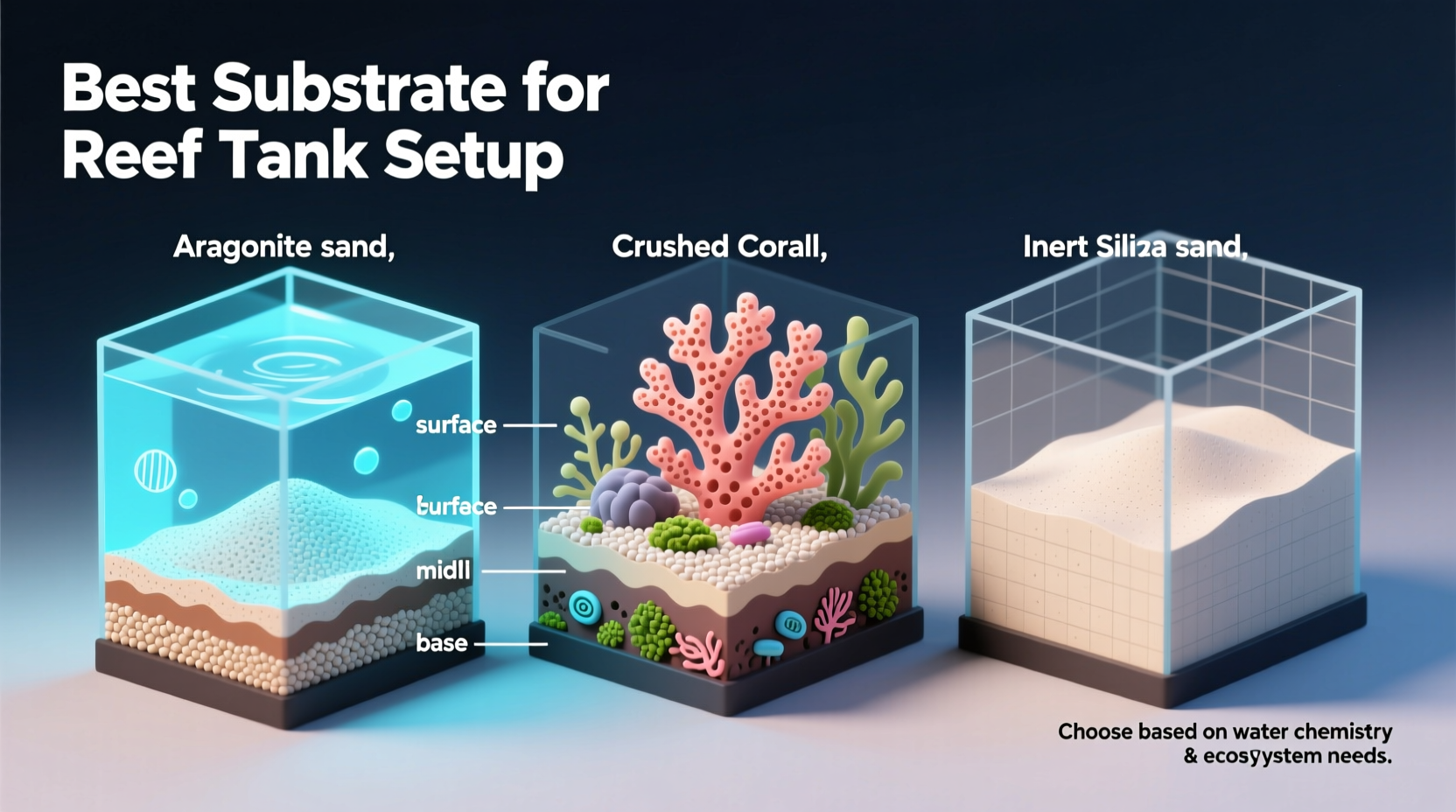
In a reef ecosystem, substrate is far more than just a base layer. It contributes significantly to the tank’s biological stability. A well-chosen substrate supports denitrifying bacteria in deeper layers, helping convert harmful nitrates into nitrogen gas—a process known as anaerobic respiration. It also buffers pH by slowly releasing calcium carbonate, which helps maintain stable alkalinity levels crucial for coral calcification.
Additionally, many reef-dwelling organisms—such as burrowing gobies, pistol shrimp, and certain species of starfish—rely on substrate for shelter, feeding, and reproduction. The grain size, composition, and depth all affect whether these creatures can thrive. Even corals placed near the bottom benefit from a clean, stable surface that prevents detritus buildup and reduces the risk of tissue irritation.
Tip: Always rinse inert substrates thoroughly before adding them to your tank to prevent cloudiness and initial nutrient spikes.Types of Reef Tank Substrates Compared
The market offers several substrate types, each with distinct advantages and drawbacks. The choice depends on your filtration goals, desired look, and whether you’re running a deep sand bed (DSB), shallow sand bed (SSB), or bare-bottom system.
| Substrate Type | Grain Size | Primary Benefits | Potential Drawbacks |
|---|---|---|---|
| Live Sand | Fine to medium (0.5–2mm) | Instant microbial colonization, aids nutrient cycling | Expensive, may introduce pests, can compact over time |
| Aragonite Sand | Medium (1–3mm) | Natural buffering, supports DSBs, affordable | May require curing if not pre-washed |
| Crushed Coral | Coarse (3–5mm) | Excellent water flow, high buffering capacity | Too rough for burrowing species, less natural appearance |
| Oolitic Sand | Very fine (0.2–0.5mm) | Realistic lagoon look, ideal for SSBs | Poor flow in deep beds, prone to compaction |
| Synthetic/Inert Substrates | Varies | No chemical impact, customizable | Lacks buffering; requires external alkalinity management |
Step-by-Step Guide to Selecting and Installing Your Substrate
- Evaluate your tank type and goals. Are you setting up a fish-only-with-live-rock (FOWLR) system, a mixed reef, or a small nano tank? Deep sand beds (3+ inches) work best with aragonite or oolitic sand for nutrient export, while shallow beds (0.5–1 inch) suit oolitic or fine aragonite in high-flow systems.
- Determine the required depth. For deep sand beds aiming at denitrification, use 4–6 inches. Shallow beds need only 0.5–1.5 inches and are easier to maintain.
- Calculate volume needed. Multiply length × width × depth (in inches), then divide by 1,728 to get cubic feet. Most sands weigh 50–60 lbs per cubic foot.
- Rinse thoroughly (except live sand). Place substrate in a bucket and agitate with saltwater until runoff runs clear. Avoid tap water, which can alter chemistry.
- Layer evenly during setup. Use a plate or bowl to prevent disturbance when filling the tank. Slope slightly toward the back for visual depth if desired.
- Introduce sand-sifting organisms gradually. Gobies, Nassarius snails, or sea cucumbers help prevent compaction but should be added after the tank stabilizes.
Expert Insight: What Marine Biologists Recommend
Dr. Elena Torres, a marine biologist specializing in captive reef ecosystems, emphasizes functional design over aesthetics:
“While oolitic sand looks stunning, its fine particles can become anoxic pockets if not properly maintained. For beginners, I recommend a 2-inch bed of medium-grade aragonite sand—it balances buffering, biological filtration, and ease of cleaning.” — Dr. Elena Torres, Marine Ecology Research Institute
She also warns against overstocking sand sifters: “Too many burrowers disrupt microbial layers essential for nitrate reduction. One Nassarius snail per 5 gallons is sufficient.”
Mini Case Study: Balancing Aesthetics and Function
Mark R., a hobbyist in San Diego, upgraded his 75-gallon reef tank from crushed coral to a 3-inch deep bed of aragonite sand. His previous setup suffered from fluctuating alkalinity and persistent detritus accumulation. After switching, he noticed a 30% drop in nitrates within six weeks and more stable pH between 8.1–8.3. He introduced a pair of watchman gobies, which naturally tilled the sand without causing cloudiness. “The tank feels more alive,” he says. “And my torch corals are extending more polyps than before.”
Checklist: Choosing the Right Substrate
- ☐ Define your tank’s primary purpose (display, breeding, fragging, etc.)
- ☐ Decide between deep sand bed (DSB) or shallow sand bed (SSB)
- ☐ Choose a substrate with appropriate grain size and buffering capacity
- ☐ Confirm compatibility with planned livestock (e.g., no sharp edges for rays)
- ☐ Source from reputable suppliers to avoid contaminants
- ☐ Plan for rinsing and gradual introduction of clean-up crew
- ☐ Monitor water parameters weekly during the first month post-installation
Frequently Asked Questions
Can I mix different types of substrate?
Yes, but with caution. Mixing fine and coarse grains can lead to uneven settling and dead spots. If combining, layer coarser material at the bottom and finer on top, ensuring good water flow throughout. Avoid mixing materials with vastly different chemical properties (e.g., inert glass beads with aragonite).
How often should I clean the substrate?
In shallow beds, regular siphoning during water changes is sufficient—about once every two weeks. Deep sand beds should generally not be vacuumed deeply, as this disrupts anaerobic zones. Instead, rely on sand-sifting organisms and surface skimming to manage detritus.
Is live sand worth the extra cost?
For established tanks needing rapid cycling, yes. Live sand introduces beneficial bacteria immediately, reducing startup time. However, cured dry aragonite seeded with live rock fragments can achieve similar results in 4–6 weeks at a lower cost. Live sand is most valuable in systems where quick biological maturity is critical.
Final Considerations and Long-Term Maintenance
The ideal substrate evolves with your tank. What works during the cycling phase may need adjustment as corals grow and bioload increases. Regular testing of calcium, alkalinity, and magnesium helps determine if your substrate is actively contributing to water stability. Over time, fine substrates may compact, requiring gentle stirring or replacement of problematic areas.
Ultimately, the best substrate aligns with your maintenance routine, aesthetic vision, and biological objectives. Whether you prioritize natural function, crystal-clear water, or a pristine white beach look, informed choices today lay the foundation for a resilient, vibrant reef tomorrow.
💬 Have experience with a unique substrate blend or a successful DSB setup? Share your insights in the comments—your journey could help fellow reef keepers make smarter choices!








