
Corgis are intelligent, energetic dogs with big personalities packed into compact bodies. While they’re generally friendly and well-behaved, there are situations where using a muzzle is both responsible and necessary. Whether you're traveling, visiting the vet, managing reactivity around other dogs, or navigating crowded environments, a properly fitted muzzle ensures your corgi remains safe—and others feel secure too.
The key to successful muzzling lies in comfort and fit. A poorly chosen or ill-fitting muzzle can cause stress, breathing restrictions, or even lead to negative associations with wearing it. This guide walks you through every critical factor in selecting the right muzzle for your corgi, so it becomes a tool of safety rather than discomfort.
Why Your Corgi Might Need a Muzzle
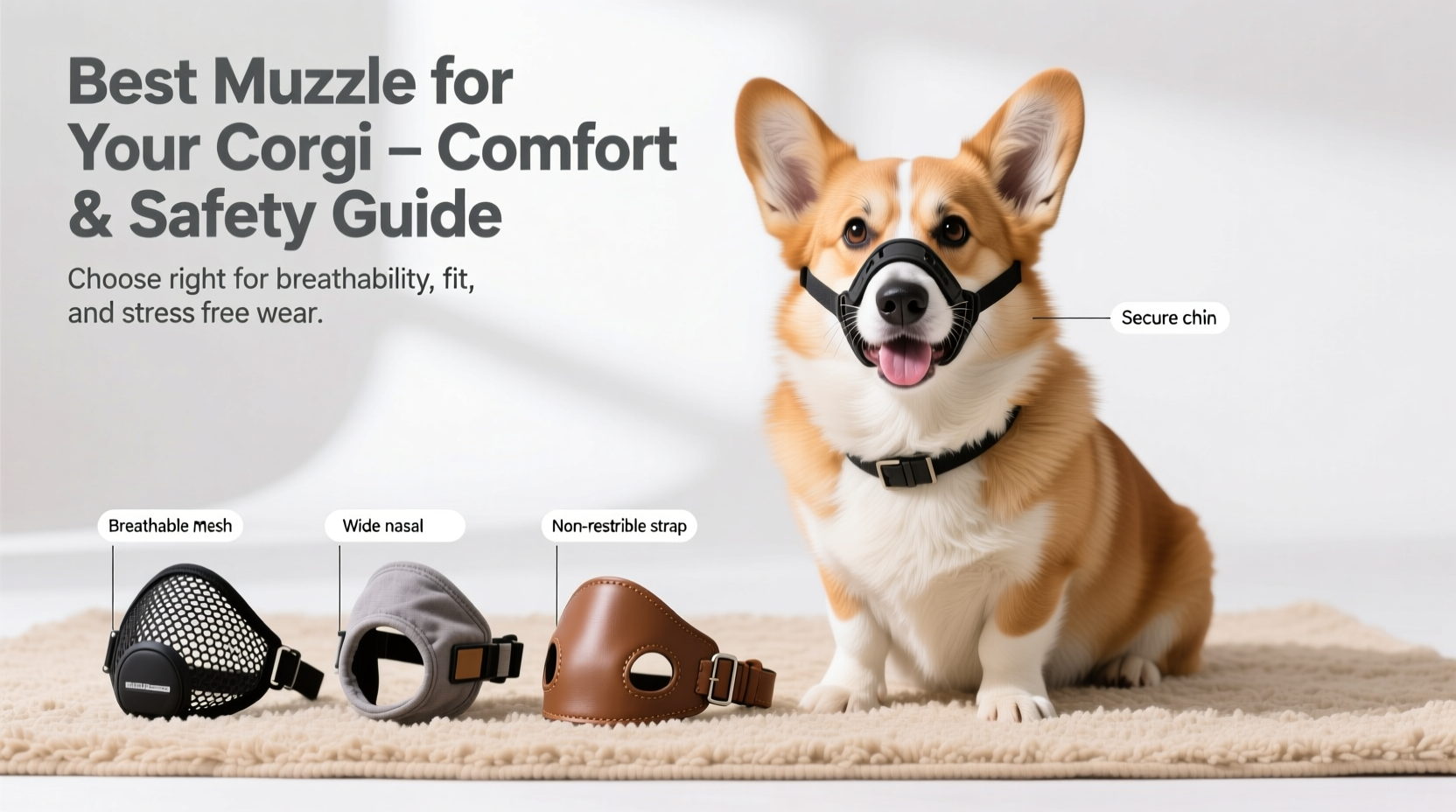
Muzzles are not just for aggressive dogs. Responsible pet owners use them as preventive tools during high-stress events or unfamiliar settings. Common reasons include:
- Veterinary visits where anxiety might trigger nipping
- Travel on public transport or airplanes
- Training for reactivity or fear-based behaviors
- Exposure to new people, animals, or environments
- Legal requirements in certain areas or housing complexes
A well-introduced muzzle gives you peace of mind without compromising your dog’s ability to pant, drink water, or accept treats—essential for a breed prone to overheating like the corgi.
Tip: Always pair muzzle training with positive reinforcement. Let your corgi earn treats while wearing it to build a positive association.Types of Muzzles: Which Is Right for Your Corgi?
Not all muzzles are created equal. Each type serves different purposes, and choosing the wrong one can compromise safety or comfort. Here’s a breakdown of common styles:
| Type | Pros | Cons | Best For |
|---|---|---|---|
| Basket Muzzle (Plastic or Metal) | Allows panting, drinking, treat-taking; most secure | Can be bulky; requires precise fit | Daily use, training, vet visits |
| Soft Fabric Muzzle | Lightweight, comfortable for short durations | Prevents panting; not escape-proof | Quick procedures, grooming |
| Nylon Loop Muzzle | Cheap, portable | Limits mouth movement; unsafe for extended wear | Emergency use only |
For corgis, a **basket-style muzzle** is almost always the best choice. It accommodates their short snouts while allowing full functionality—critical during warm weather or physical activity.
Step-by-Step: Measuring Your Corgi for the Perfect Fit
Finding the right size isn’t guesswork. Follow these steps to ensure optimal comfort and security:
- Measure Snout Circumference: Use a soft tape measure around the widest part of the snout, just below the eyes. Add ½ inch for comfort.
- Measure Snout Length: From the tip of the nose to where the snout meets the eyes. Choose a muzzle that allows at least ¾ of this length.
- Check Width Across Jaw: Ensure the muzzle base is wide enough to fit over the jaw without pinching.
- Test Mobility: Once fitted, your corgi should open its mouth fully, pant freely, and drink from a bottle or bowl.
- Observe Behavior: Watch for signs of rubbing, redness, or reluctance after 10–15 minutes of wear.
Many manufacturers provide sizing charts. For example, a Pembroke Welsh Corgi typically needs a small or medium basket muzzle, but individual variation exists—especially between Pembrokes and Cardigans.
“Proper fit is non-negotiable. A muzzle that restricts panting can lead to heatstroke, especially in breeds like corgis who are already at risk.” — Dr. Lena Torres, DVM, Canine Behavior Specialist
Material Matters: Durability vs. Comfort
The material impacts breathability, weight, and long-term usability.
- Plastic Basket (e.g., Baskerville Ultra): Lightweight, ventilated, and ideal for moderate use. Easy to clean but may crack under heavy chewing.
- Wire Mesh (e.g., Italian Greyhound-style): Extremely durable and breathable, though slightly heavier. Best for strong chewers or longer durations.
- Silicone-Coated Wire: Offers grip and reduced noise when clinking against surfaces. More expensive but highly durable.
For corgis, plastic baskets like the Baskerville are often sufficient unless your dog shows a tendency to chew or dismantle gear. In those cases, upgrading to a metal mesh model makes sense.
Tip: Trim excess fur around the snout before measuring. Long facial hair can throw off fit and cause irritation under the muzzle.Introducing the Muzzle: A Positive Training Approach
Even the best-fitting muzzle will fail if your corgi resists wearing it. The introduction process should take days, not minutes. Rushing leads to fear and avoidance.
Follow this gradual timeline:
- Day 1–2: Let your corgi sniff the muzzle. Reward any interest with treats.
- Day 3–4: Place a treat inside the muzzle so they have to insert their nose to retrieve it. Click or mark the behavior immediately.
- Day 5–6: Fasten the strap briefly while they eat a treat, then release. Repeat multiple times per session.
- Day 7–10: Increase wear time gradually—from 30 seconds to 5 minutes—while engaging in calm activities.
- Week 3 onward: Practice walking on-leash with the muzzle, offering praise and rewards.
If your corgi backs away or pawing at the muzzle, go back a step. Never force it. Patience builds trust.
Mini Case Study: Piper the Reactive Corgi
Piper, a 3-year-old Pembroke, began lunging and barking at other dogs during neighborhood walks. Her owner, worried about a potential bite incident, consulted a certified trainer. The plan included behavior modification and introducing a Baskerville muzzle for safety during training sessions.
Using positive reinforcement, Piper learned to associate the muzzle with walks and treats. Within two weeks, she wore it willingly. Over the next three months, her reactivity decreased significantly. The muzzle remained part of her gear—not as a symbol of aggression, but as a responsible tool that allowed her to safely practice new behaviors in real-world settings.
Essential Checklist Before Buying a Muzzle
Before making a purchase, verify the following:
- ✅ Allows full mouth opening for panting and drinking
- ✅ Secure attachment with adjustable straps (neck and snout)
- ✅ Lightweight and ventilated design
- ✅ Durable material suited to your corgi’s temperament
- ✅ Easy to clean (dishwasher-safe models are a plus)
- ✅ Doesn’t press on the eyes or ears
- ✅ Provides clearance for the dewclaws when scratching
Also consider color visibility. Bright colors (red, blue, yellow) make your corgi more noticeable in crowds, signaling to others that extra space may be needed.
Frequently Asked Questions
Can my corgi eat and drink while wearing a muzzle?
Yes—but only with a basket-style muzzle. These allow enough space to pick up treats and drink from a bottle or shallow bowl. Fabric or loop muzzles block the mouth entirely and should never be worn for extended periods.
How long can my corgi wear a muzzle safely?
Under supervision, 15–30 minutes is safe for initial use. With proper conditioning, healthy corgis can wear a well-fitted basket muzzle for up to 1–2 hours, provided they stay cool and hydrated. Never leave a muzzled dog unattended.
Won’t a muzzle make my dog look dangerous?
Some people may initially think so, but responsible muzzling reflects care, not danger. Consider adding a tag or bandana that says “Friendly, Just Wearing a Muzzle” to ease public concerns.
Final Thoughts: Safety Starts with Smart Choices
Choosing the right muzzle for your corgi isn’t about control—it’s about care. A well-fitted, thoughtfully introduced muzzle protects your dog, others, and your peace of mind. When comfort and function go hand-in-hand, your corgi can participate in more aspects of life without risk.
Start by measuring accurately, select a breathable basket design, and invest time in positive training. Your corgi doesn’t need to love the muzzle, but they should tolerate it calmly—and ideally, anticipate good things when they see it come out.
💬 Have experience with muzzling your corgi? Share your tips, brand recommendations, or training wins in the comments—your insights could help another owner make a safer, smarter choice today.








