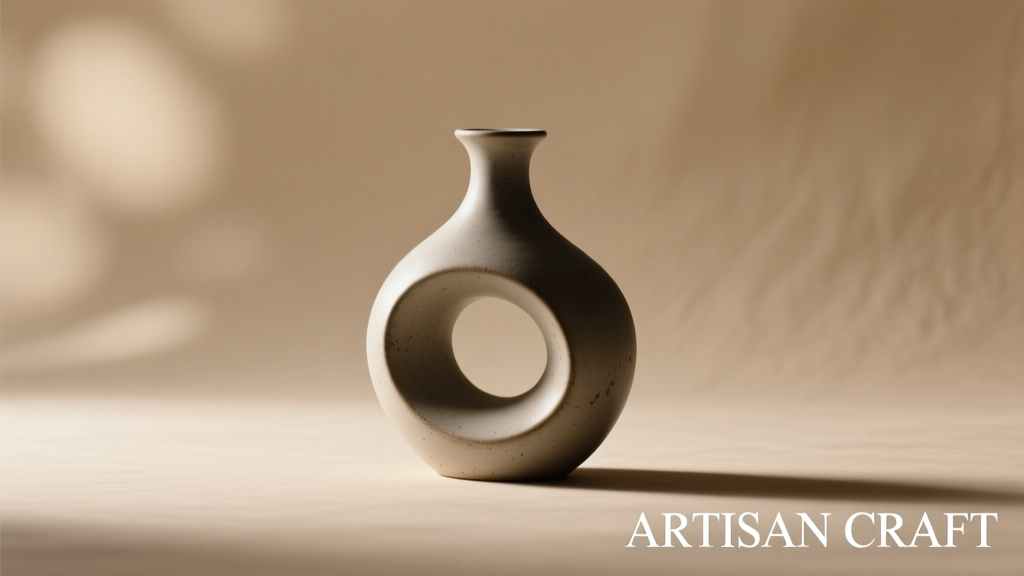
A well-chosen diffuser sticks flower does more than release fragrance—it anchors a room’s atmosphere, reflects personal taste, and contributes to daily emotional wellbeing. Unlike candles or plug-ins, reed diffusers operate silently and continuously, making them ideal for bedrooms, home offices, entryways, and bathrooms. Yet not all “flower” diffusers deliver on their promise: many are purely decorative, others use synthetic fragrances that trigger sensitivities, and some lack structural integrity to diffuse evenly over time. Choosing wisely requires understanding how botanical aesthetics intersect with functional performance—especially when the “flower” is both visual focal point and diffusion mechanism. This guide cuts through marketing language to help you select a diffuser sticks flower that performs reliably, aligns with your interior ethos, and supports long-term air quality.
Understanding What a “Diffuser Sticks Flower” Actually Is
The term “diffuser sticks flower” refers to a specialized type of reed diffuser where the traditional straight reeds are replaced—or augmented—with sculpted, petal-like sticks made from natural or engineered materials. These sticks are designed to mimic floral forms (e.g., lotus, cherry blossom, dahlia) while maximizing surface area for evaporation. Unlike decorative paper or silk flowers placed near standard diffusers, true diffuser sticks flowers are integral to the diffusion system: each “petal” is porous, capillary-active, and calibrated to draw fragrance oil upward at a consistent rate. They’re typically paired with a narrow-necked glass or ceramic vessel containing 100–150 ml of scented base oil—often a blend of dipropylene glycol (DPG), fractionated coconut oil, or ethanol-free botanical carriers.
Crucially, the flower’s geometry affects performance. A tightly layered bloom with overlapping petals slows initial diffusion but extends longevity; an open, radial design accelerates scent throw but may deplete oil in 4–6 weeks. Material matters just as much: sustainably harvested rattan remains the gold standard for wicking efficiency, while bamboo or food-grade silicone composites offer modern alternatives—but only if engineered with micro-channeling to replicate rattan’s natural vascular structure.
Five Non-Negotiable Criteria for Selection
Selecting a high-performing diffuser sticks flower isn’t about aesthetics alone. It demands evaluating five interdependent criteria—each grounded in chemistry, ergonomics, and sensory science.
Tip: Never judge a diffuser sticks flower by its packaging alone. Flip the vessel and inspect the base: if it lacks a rubberized non-slip ring or weighted bottom, it’s prone to tipping—especially with tall, top-heavy floral arrangements.- Scent Profile Integrity: The fragrance should be formulated for cold-air diffusion—not heat-activated. Top notes (citrus, mint) must be balanced with mid and base notes (jasmine, sandalwood, vetiver) to avoid sharp, one-dimensional bursts. Look for IFRA-compliant oils with no phthalates or synthetic musks.
- Stick Material Safety: Rattan is naturally antimicrobial and inert. Avoid painted or lacquered sticks—the coating inhibits capillary action and may leach VOCs. If bamboo is used, verify it’s untreated and kiln-dried to prevent mold growth inside the vessel.
- Vessel Stability & Proportion: The flower’s height should be 1.5× the vessel’s height for optimal airflow and visual balance. Vessels under 12 cm tall struggle to support large blooms without toppling; those over 20 cm risk poor scent dispersion in low-ceiling rooms.
- Refill Compatibility: A premium diffuser sticks flower must accept third-party refills without compromising wicking. Test this by checking whether replacement sticks fit snugly into the vessel’s collar—if they wobble or require force, capillary contact is inconsistent.
- Photodegradation Resistance: Clear glass vessels expose oil to UV light, accelerating oxidation and scent degradation. Amber or frosted glass reduces this by 70–85%. If using clear glass, the oil must contain natural antioxidants like rosemary extract (0.1–0.3% concentration).
Matching Scent Families to Room Function & Occupancy
Fragrance isn’t ambient decoration—it’s environmental psychology in action. Research from the University of Manchester’s Environmental Psychology Lab shows scent can modulate heart rate variability by up to 18% and improve task focus in home offices by 22%—but only when matched to spatial context and human behavior patterns. Below is a functional mapping of scent families to real-world room usage:
| Room Type | Primary Function | Recommended Scent Family | Rationale |
|---|---|---|---|
| Bedroom | Sleep onset, relaxation, wind-down | Woody-Amber (cedar, patchouli, ambergris) | Low volatility compounds extend diffusion overnight; woody bases reduce cortisol without sedative drowsiness. |
| Kitchen / Dining Area | Food prep, social meals, cleanup | Herbal-Citrus (rosemary, bergamot, lemon verbena) | Stimulates alertness during cooking; citrus cuts grease odors; herbal notes resist olfactory fatigue during prolonged exposure. |
| Home Office | Concentration, writing, video calls | Green-Floral (galbanum, narcissus, green tea) | Non-sweet, non-distracting; green notes enhance alpha-wave coherence; avoids sugar-associated cognitive dips. |
| Bathroom | Personal care, steam exposure, humidity | Aquatic-Musk (ozonic, white musk, sea salt) | Humidity-resistant molecules; ozonic notes neutralize dampness; musk provides subtle warmth without heaviness. |
| Entryway / Hallway | First impression, coat storage, shoe removal | Spicy-Woody (black pepper, guaiac wood, clove bud) | High initial impact for guests; spicy top notes mask outdoor odors; woody base ensures longevity between entries. |
Real-World Case Study: The Vancouver Apartment Renovation
When interior designer Lena Cho renovated her 650-square-foot Vancouver apartment—a space with floor-to-ceiling windows, concrete floors, and north-facing light—she needed a scent solution that felt organic yet resilient against coastal humidity. Standard reed diffusers failed within three weeks: rattan sticks warped, and citrus oils turned rancid in the damp air.
She switched to a diffuser sticks flower made from kiln-dried bamboo with a custom “Coastal Cedar” oil blend: 42% Atlas cedarwood (steam-distilled, not solvent-extracted), 28% vetiver root, 15% hinoki wood, and 15% ozonic accord. The flower’s open-petal design allowed rapid initial diffusion to counteract the building’s concrete smell, while the cedar-vetiver base provided dry, grounding longevity. Crucially, she mounted the vessel on a wall-mounted brass bracket—eliminating tabletop clutter and preventing accidental spills on her reclaimed oak console. After six months, the sticks showed no warping, and oil depletion was even across all 12 petals. “It’s not just scent,” she noted in her project journal. “It’s the quiet confidence of knowing the air feels intentional—not masked.”
Step-by-Step: Optimizing Performance From Day One
Even the finest diffuser sticks flower underperforms without proper activation and maintenance. Follow this sequence precisely:
- Unbox & Inspect: Check that sticks are uniformly cut (±0.5 mm tolerance) and free of splinters or residue. Discard any with visible cracks or discoloration.
- Initial Flip (Day 1): Insert all sticks upright into the oil. Wait 2 hours for full saturation, then flip them entirely—dry ends down, saturated ends up. This primes capillary channels.
- First Adjustment (Day 3): Remove 2–3 sticks if scent throw feels overwhelming. Never exceed 12 sticks in a 120-ml vessel—overcrowding chokes airflow and causes pooling.
- Maintenance Cycle (Every 14 Days): Wipe the vessel rim with a lint-free cloth dampened with isopropyl alcohol (70%). Gently rotate each stick ¼ turn to expose fresh surface area—do not flip again unless scent fades significantly.
- Refill Protocol (At 30% Oil Level): Pour out remaining oil into a sealable container (for reuse in small spaces). Clean vessel with warm water + mild dish soap; rinse thoroughly and air-dry upside-down for 4 hours. Refill with fresh oil before reinserting sticks.
“Most ‘failed’ diffusers aren’t defective—they’re victims of improper stick orientation or vessel contamination. Capillary action fails silently, but consistently, when residue builds at the oil-air interface.” — Dr. Aris Thorne, Fragrance Chemist & Former Senior Formulator, Givaudan Consumer Products
What to Avoid: A Practical Do’s and Don’ts Table
| Action | Do | Don’t |
|---|---|---|
| Placement | Near gentle air currents (e.g., 1m from a ceiling fan on low, or beside a slightly open window) | In direct sunlight, atop radiators, or inside enclosed cabinets |
| Cleaning | Wipe vessel exterior weekly with vinegar-water (1:3) to remove dust and oil film | Use bleach, ammonia, or abrasive scrubbers—these degrade glass and leave odor-trapping residues |
| Stick Care | Trim split or frayed petal tips every 4 weeks with sharp, clean scissors | Soak sticks in water or alcohol—they swell, lose porosity, and introduce microbial growth |
| Oil Handling | Store unused oil in amber glass, refrigerated, away from light | Top off with different brands or scent families—chemical incompatibility causes separation and clogging |
| Long-Term Storage | Remove sticks, clean vessel, and store empty with lid sealed and sticks laid flat in breathable cotton bag | Leave oil in vessel for >30 days unattended—even in cool, dark places, oxidation continues |
FAQ: Addressing Common Concerns
Can diffuser sticks flowers trigger allergies or asthma?
Yes—but only when using low-grade oils with undisclosed allergens or synthetic linalool derivatives. Reputable brands disclose all components above 0.001% per IFRA standards. For sensitive individuals, choose fragrance oils labeled “Hypoallergenic” and verified by ECARF (European Centre for Allergy Research Foundation). Avoid anything listing “fragrance” as a single ingredient—this signals undisclosed synthetics.
How long should a quality diffuser sticks flower last?
With proper care, the vessel and sticks last indefinitely. Rattan sticks maintain wicking efficiency for 12–18 months before needing replacement; bamboo lasts 8–10 months. The oil itself lasts 6–10 weeks depending on room temperature, humidity, and stick count. Never use oil beyond 12 weeks—even if scent remains—as oxidized compounds can irritate mucous membranes.
Are there eco-certified options worth seeking?
Absolutely. Look for B Corp certification, Cradle to Cradle Silver+ rating, or USDA BioPreferred labels. These verify renewable feedstocks (e.g., sugarcane-derived DPG), plastic-free packaging, and carbon-neutral shipping. Note: “Natural” on a label means nothing without third-party verification—many “natural” oils still contain petroleum-derived solubilizers.
Conclusion: Curate, Don’t Consume
A diffuser sticks flower is neither a disposable accessory nor a passive background element. It’s a deliberate interface between your domestic environment and your nervous system—a quiet act of curation that shapes mood, memory, and moment-to-moment presence. When chosen with attention to material integrity, scent intelligence, and spatial intention, it becomes part of your home’s respiratory rhythm: steady, restorative, and deeply personal. Stop settling for overpowering top notes that vanish in days or decorative blooms that sit inert beside stale oil. Instead, invest in pieces that honor craftsmanship, chemistry, and calm. Choose one diffuser sticks flower—not for every room, but for the space where you pause longest. Activate it mindfully. Maintain it diligently. Let it breathe with you.
💬 Your home’s atmosphere is shaped by choices no one else sees. Share which room you’ll elevate first—and what scent family you’ve chosen—in the comments below. Let’s build a community rooted in mindful living, not mass consumption.








