Rhinestone phone cases blend glamour with functionality, turning an everyday device into a fashion statement. But while they sparkle beautifully, many users find their rhinestones flaking off or the surface scratching within weeks. The key isn’t just in buying any embellished case—it’s about selecting one built to endure and maintaining it properly. With the right approach, you can enjoy long-lasting shine without compromising protection.
Understanding What Makes a Rhinestone Case Durable
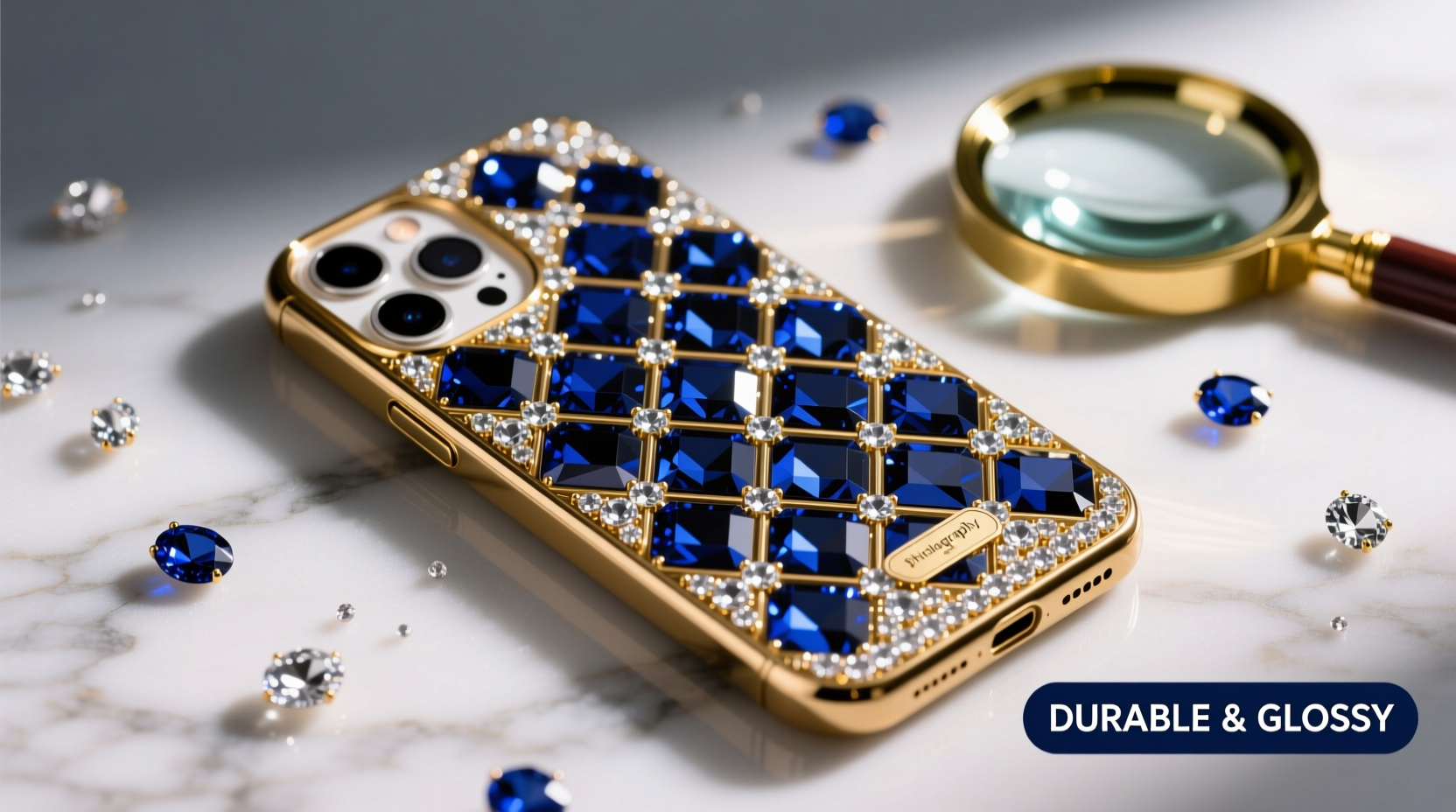
Not all rhinestone cases are created equal. Durability hinges on three core factors: material quality, adhesive strength, and structural design. Cases made from rigid polycarbonate or TPU (thermoplastic polyurethane) offer better impact resistance than soft silicone alone. When combined with high-grade crystals or acrylic stones bonded using industrial-strength adhesives, these materials create a resilient foundation.
Manufacturers using heat-press techniques or UV-cured bonding systems tend to produce longer-lasting embellishments. These methods ensure each stone is sealed securely into the case surface, minimizing the risk of popping off during daily use. In contrast, cases where rhinestones are simply glued on with consumer-grade adhesive often begin shedding within days.
“Durability starts at the factory. A well-made rhinestone case uses precision alignment and strong encapsulation—not just decorative placement.” — Lena Torres, Mobile Accessory DesignerTip: Avoid cases with loose or unevenly spaced stones—this often indicates poor craftsmanship.
How to Choose the Right Rhinestone Case for Your Phone
Selecting a case that combines beauty and longevity requires attention to detail. Here’s what to look for before purchasing:
- Fully compatible fit: Ensure the case is designed specifically for your phone model to prevent gaps that expose edges to impact.
- Elevated bezels: Screens and camera lenses should sit slightly below the raised edges of the case to protect against scratches when placed face-down.
- Shock-absorbing corners: Look for reinforced corners, which absorb drops more effectively than flat designs.
- Scratch-resistant coating: Some premium cases feature a glossy topcoat that shields both the case and stones from abrasion.
- Brand reputation: Opt for brands known for quality control rather than ultra-cheap no-name options sold in bulk online.
Comparison: Features That Define Quality vs. Low-End Cases
| Feature | High-Quality Case | Low-Quality Case |
|---|---|---|
| Material | Dual-layer TPU + polycarbonate | Thin silicone or plastic |
| Stone Attachment | Heat-pressed or UV-bonded | Surface-glued with weak adhesive |
| Drop Protection | Military-grade (MIL-STD-810G certified) | No certification, minimal padding |
| Finish | Glossy scratch-resistant coating | Matte or sticky texture prone to scuffing |
| Lifespan Expectancy | 12–18 months with regular use | 2–6 months before deterioration |
Step-by-Step Guide to Caring for Your Rhinestone Case
A beautiful case deserves consistent care. Follow this routine to extend its life and keep it looking fresh:
- Wipe daily with a microfiber cloth: Dust and oils accumulate quickly on textured or glossy surfaces. Gently wipe the entire case, including around each stone, to prevent grime buildup.
- Clean weekly with mild soap and water: Dampen a soft cloth with soapy water (avoid submerging), gently clean the surface, then dry immediately with a lint-free towel.
- Avoid alcohol-based cleaners: Isopropyl alcohol and harsh solvents can degrade adhesives and dull crystal finishes over time.
- Remove debris carefully: If dirt gets trapped under stones, use a soft-bristled toothbrush lightly brushed across the area—never pick at stones with sharp objects.
- Store safely when not in use: Keep the phone in a padded pouch or away from keys and coins in your bag to prevent scratching.
Real-Life Example: Why One User’s Case Lasted Over a Year
Sophia, a marketing professional in Chicago, purchased a rhinestone case for her iPhone 14 after two previous ones failed within months. This time, she researched brands and chose a MIL-STD-810G-certified model with UV-bonded crystals. She committed to cleaning it weekly and avoided placing her phone face-down on rough surfaces.
Nine months later, a colleague noticed the case still looked brand new. “I drop my phone constantly,” Sophia said, “but the corners took the hit, and none of the stones came off.” After 14 months, only one small stone near the charging port loosened—likely due to repeated plug insertion—and she reattached it with a tiny drop of clear craft glue. Her experience underscores how combining smart selection with routine care leads to lasting results.
Common Mistakes That Shorten Your Case’s Life
Even the best case won’t survive careless habits. Avoid these frequent errors:
- Using screen protectors that don’t align: Misfitting protectors lift the screen above the case’s lip, increasing the chance of cracks upon impact.
- Charging with dirty ports: Lint and dust mixed with friction from plugging in can wear down stones near the base.
- Overloading pockets or bags: Carrying your phone alongside keys, pens, or tools creates micro-scratches that add up over time.
- Skipping inspections: Failing to check for loose stones means missing early warning signs. Inspect monthly by gently pressing each stone.
Do’s and Don’ts of Rhinestone Case Maintenance
| Action | Do | Don’t |
|---|---|---|
| Cleaning | Use microfiber cloth and mild soap | Use alcohol wipes or abrasive sponges |
| Storage | Keep in a soft-lined pocket or case | Toss loosely into a crowded purse |
| Repairs | Reattach loose stones with jewelry glue | Ignore wobbly stones until they fall out |
| Handling | Place phone screen-up on clean surfaces | Slide phone across tables or countertops |
FAQ: Frequently Asked Questions
Can I replace lost rhinestones?
Yes. Purchase matching replacement stones (available online in various sizes and colors) and use a clear-drying, non-toxic adhesive like E6000 or GS Hypo Cement. Apply sparingly, press the stone firmly, and let it cure for 24 hours before handling.
Are rhinestone cases bad for wireless charging?
Generally, no. Most modern rhinestone cases are thin enough to allow Qi charging. However, avoid cases with thick metal plates or excessive layers beneath the stones, as these can interfere with signal transfer.
Do clear rhinestones show dirt more than colored ones?
Yes. Clear crystals reflect light and make smudges, fingerprints, and dust more visible. They require more frequent wiping but also showcase brilliance better when kept clean.
Final Thoughts: Shine Smart, Protect Well
A durable rhinestone phone case doesn’t have to be a fleeting luxury. By choosing a well-constructed model with secure stone attachment and protective engineering, you invest in both aesthetics and function. Combine that with simple, consistent care—gentle cleaning, safe storage, and prompt repairs—and your case can remain stunning for over a year, even with daily use.
Style shouldn’t come at the cost of durability. Make informed choices, treat your accessories with intention, and enjoy a phone case that turns heads without falling apart.
💬 Have a rhinestone case that’s stood the test of time? Share your brand recommendations or care tips in the comments—help others find lasting sparkle!








