Cats are naturally fastidious animals, often grooming themselves with precision. Yet, when it comes to human-led grooming—whether brushing, trimming nails, or cleaning ears—many cats become anxious, tense, or even aggressive. This resistance isn't defiance; it's fear. A stressful grooming session can damage trust, create long-term aversion, and make future care more difficult. The good news is that with the right approach, you can transform grooming from a battle into a bonding ritual. By understanding feline behavior, using gradual conditioning, and applying evidence-based calming techniques, you can create a peaceful, stress-free grooming experience for both you and your cat.
Understanding Why Cats Fear Grooming
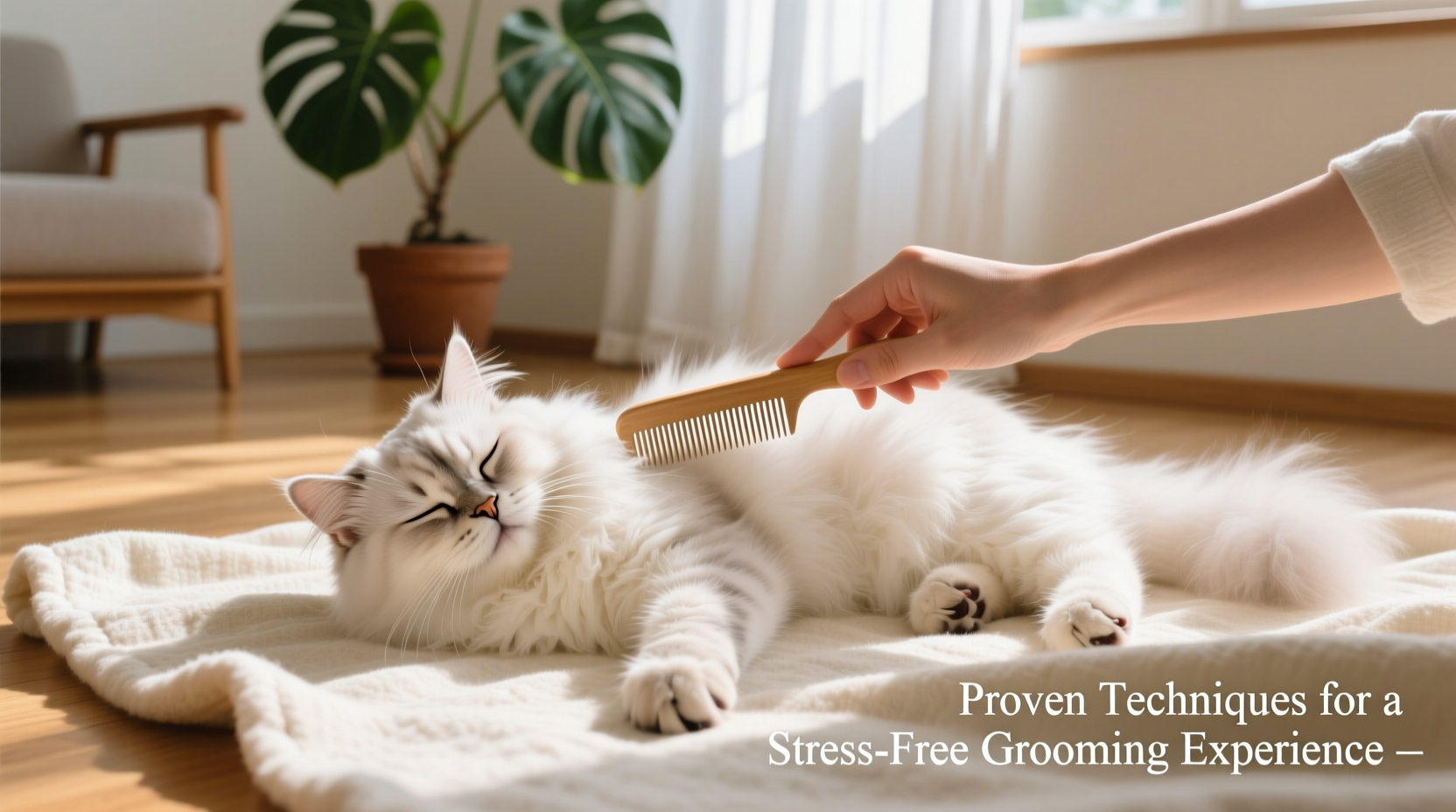
Cats are creatures of routine and control. Their evolutionary instincts prioritize safety and autonomy. When restrained or touched in unfamiliar ways—especially around sensitive areas like paws, tail, or face—they may interpret the experience as threatening. Unlike dogs, who often respond to social cues from humans, cats rely heavily on environmental predictability. Sudden handling, loud noises, or forced restraint during grooming disrupt this sense of security.
Additionally, negative past experiences—such as being clipped too aggressively at a vet or groomer—can lead to lasting trauma. Even subtle signs like flattened ears, tail flicking, or dilated pupils indicate rising anxiety. Recognizing these signals early allows intervention before escalation.
“Cats don’t resist grooming because they’re stubborn—they resist because they feel unsafe. Our job is to rebuild that sense of safety through patience and positive association.” — Dr. Sarah Thompson, Feline Behavior Specialist
Step-by-Step: Preparing Your Cat for Calm Grooming
Successful grooming begins days—or even weeks—before the actual session. Rushing leads to setbacks. Instead, follow this timeline to condition your cat gradually:
- Day 1–3: Desensitization to Tools – Place grooming tools (brush, nail clippers) near your cat’s favorite resting spot. Let them sniff and investigate without pressure. Reward curiosity with treats.
- Day 4–7: Touch Training – Gently touch your cat’s paws, ears, and tail while offering high-value treats. Stop before they show discomfort. Build duration slowly.
- Day 8–10: Simulated Grooming – Run a soft brush over their coat for 10–15 seconds, then stop and reward. Repeat multiple times daily.
- Day 11–14: Short Practice Sessions – Combine tool exposure with brief handling. Clip one nail, then end immediately with praise and a treat.
- Day 15+: Full Grooming Session – Begin actual grooming in a quiet space, limiting sessions to 5 minutes initially. Expand only if your cat remains relaxed.
Proven Calming Techniques During Grooming
Even well-prepared cats may need extra support during grooming. These science-backed methods help reduce stress in real time:
- Feliway Diffusers: These plug-in devices release synthetic feline facial pheromones that signal safety. Use 30 minutes before grooming in the room where you’ll work.
- Wrapping in a Towel (Burrrito Method): Gently wrap your cat in a soft towel, leaving only the area you’re working on exposed. This mimics swaddling and reduces flailing.
- Distraction with Treats or Lick Mats: Offer a lickable treat (like tuna paste or chicken baby food) on a small mat held nearby. The repetitive licking has a calming neurological effect.
- Low-Touch Handling: Minimize restraint. Support rather than pin your cat. Allow breaks between steps.
- Calming Music: Studies show that classical music adapted for cats can lower heart rate and vocalizations. Play species-specific compositions quietly in the background.
When to Avoid Grooming
Sometimes, the best decision is to wait. Never attempt grooming if your cat is:
- Hissing, growling, or swatting
- Trying to escape repeatedly
- Exhibiting rapid breathing or trembling
Resume only after a cooling-off period and additional desensitization.
Essential Grooming Checklist
Use this checklist before each session to ensure everything is in place for a smooth experience:
- ✅ Grooming tools cleaned and within reach
- ✅ Quiet, warm room with minimal distractions
- ✅ High-value treats or lickable food ready
- ✅ Towel or grooming blanket prepared
- ✅ Feliway diffuser activated (if used)
- ✅ Cat calm and not recently fed (to avoid nausea)
- ✅ Plan to work in short intervals (max 5–10 minutes)
Do’s and Don’ts of Cat Grooming
| Do’s | Don’ts |
|---|---|
| Start with short, positive sessions | Rush or force the process |
| Use soft-bristled brushes for sensitive cats | Use human hairbrushes or metal combs on matted fur |
| Trim only the clear tip of the nail | Cut into the quick (pink part inside the nail) |
| Speak in a low, soothing voice | Yell, scold, or hold your cat down aggressively |
| Pause if your cat shows stress | Continue despite signs of fear or aggression |
Real-Life Example: Helping Luna Through Nail Trims
Luna, a 3-year-old domestic shorthair, had always reacted violently to nail trims—hissing, biting, and hiding afterward. Her owner, Maria, decided to try a new approach. For two weeks, she placed the clippers on the coffee table daily, giving Luna treats whenever she approached. Then, Maria began touching Luna’s paws during cuddle time, rewarding each contact with a piece of cooked chicken. After a week, she introduced the clippers near Luna’s paw—no clipping, just presence. On day 12, she successfully trimmed one claw. Over the next five days, she trimmed two claws per session. Now, Luna sits calmly on a towel while all her nails are trimmed, ending each session with a lick mat. The transformation took patience, but the trust built has improved their entire relationship.
Frequently Asked Questions
How often should I groom my cat?
Most cats benefit from brushing 1–2 times per week to reduce shedding and prevent mats. Long-haired breeds may need daily brushing. Nail trims should occur every 2–3 weeks. Ear cleaning and dental care can be done monthly, depending on your cat’s needs.
What if my cat absolutely refuses grooming?
If your cat remains highly resistant despite training, consult a veterinarian or certified feline behaviorist. Some cats have underlying anxiety or pain (e.g., arthritis) that makes handling uncomfortable. In severe cases, professional grooming under mild sedation may be necessary—but should be a last resort.
Can I use human calming products on my cat?
No. Human essential oils, sprays, or supplements (like lavender oil or melatonin) can be toxic to cats. Always use products specifically formulated for felines, such as Feliway, Composure treats, or veterinary-approved anxiolytics.
Final Thoughts: Turning Grooming Into Bonding
Grooming doesn’t have to be a source of stress. With empathy, consistency, and the right techniques, it can become a moment of connection. Every gentle touch, every rewarded pause, reinforces trust. The goal isn’t perfection—it’s progress. Celebrate small victories: a paw held still for three seconds, a brush stroke accepted without flinching, a calm breath during a trim. These moments build the foundation for lifelong cooperation.
💬 Have a grooming success story or tip that worked for your cat? Share it in the comments—your experience could help another cat parent find peace at grooming time.








