Thunderstorms can be terrifying for puppies. The sudden booms of thunder, flashes of lightning, and changes in barometric pressure trigger instinctive fear responses in young dogs who haven’t yet learned to interpret these events as non-threatening. Unlike adult dogs that may have developed coping mechanisms, puppies often react with trembling, whining, hiding, or even destructive behavior when storms hit.
While pharmaceutical options exist, many pet owners prefer natural, non-invasive strategies to soothe their puppies. These methods not only avoid potential side effects but also strengthen the bond between dog and owner through trust and reassurance. With patience, consistency, and the right approach, you can help your puppy remain calm and confident—even during the most intense summer storms.
Understanding Canine Fear of Thunderstorms
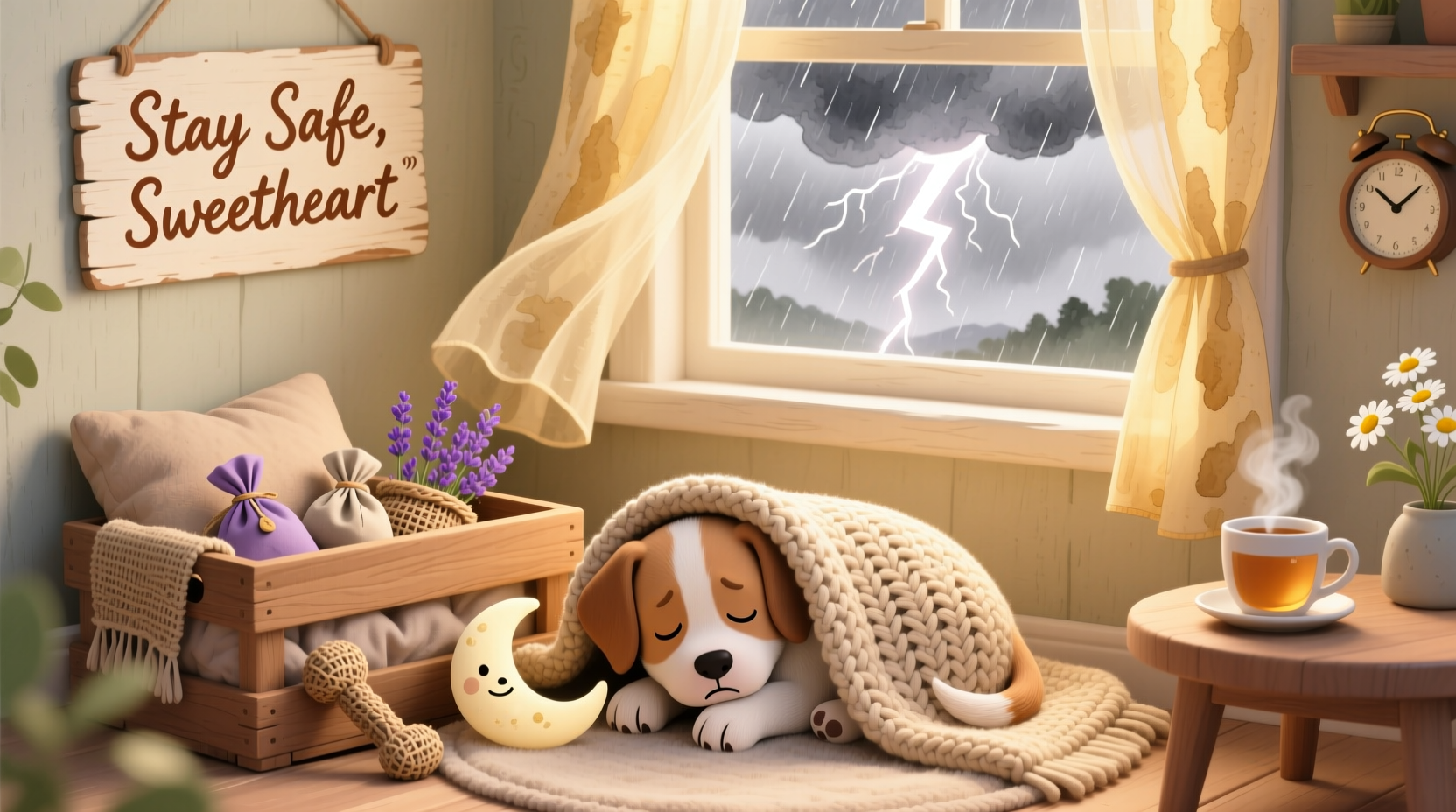
Puppies are especially vulnerable to noise-related anxieties because their brains are still developing. A thunderstorm presents multiple stressors: loud noises, atmospheric changes, static electricity, and vibrations—all of which can overwhelm a young dog’s senses. Some breeds, such as herding dogs (e.g., Border Collies, Australian Shepherds), appear more prone to sound sensitivities due to heightened awareness and intelligence.
According to Dr. Karen Overall, a board-certified veterinary behaviorist, “Noise aversion isn't just about volume—it's about unpredictability. Puppies don’t understand cause and effect yet, so each clap of thunder feels like a new threat.” This lack of predictability is what makes thunder particularly distressing compared to routine household sounds.
Natural calming techniques work best when they address both physical comfort and emotional security. Instead of suppressing fear, the goal is to create a safe environment where the puppy learns to self-soothe and associate storms with safety rather than danger.
“Fear isn't weakness—it's information. When a puppy shows anxiety during a storm, it's telling us they need support, not correction.” — Dr. Sophia Yin, Animal Behavior Specialist
Natural Calming Techniques That Work
Medication-free solutions focus on environmental control, sensory modulation, and behavioral conditioning. These approaches are safest for growing puppies and can lay the foundation for lifelong resilience.
Create a Safe Indoor Space
Dedicate a quiet room or corner of your home as your puppy’s storm sanctuary. Choose a space away from windows to minimize visual stimuli like lightning flashes and reduce echo from thunder. Ideal locations include interior closets, bathrooms, or basements.
Line the area with soft bedding, familiar toys, and an item of clothing that carries your scent. Familiar smells provide psychological comfort during times of stress. Consider placing a blanket over a crate to simulate den-like conditions—many puppies find enclosed spaces reassuring when frightened.
Tip: Introduce the safe space during calm weather so your puppy associates it with relaxation, not fear.Use Sound Masking and White Noise
Background noise helps drown out sharp thunderclaps and reduces auditory sensitivity. Play calming music designed for dogs, white noise machines, or even household appliances like fans or air purifiers. Classical music, especially piano-based compositions at 50–60 beats per minute, has been shown in studies to lower heart rates in anxious animals.
A 2017 study published in *Applied Animal Behaviour Science* found that shelter dogs exposed to classical music exhibited significantly reduced vocalizations and pacing. While the research focused on shelter environments, the principle applies equally to home settings during storms.
Apply Gentle Pressure Therapy
Pressure has a naturally calming effect on the nervous system. Products like snug-fitting anxiety wraps (e.g., Thundershirt) apply gentle, constant pressure across the chest and torso, mimicking the feeling of being held. Many owners report immediate reductions in shaking and panting once the garment is properly fitted.
If you don’t have a commercial wrap, you can use a lightweight scarf or stretchy fabric bandage—wrap it snugly (but not tightly) around the puppy’s chest, securing it under the front legs. Always monitor your puppy to ensure the wrap doesn’t restrict breathing or movement.
Leverage Calming Scents
Essential oils like lavender and chamomile have documented anxiolytic properties in both humans and animals. However, extreme caution must be used with essential oils around dogs—some are toxic if inhaled or ingested.
Instead of diffusing concentrated oils, opt for dog-safe pheromone products such as Adaptil. These mimic the natural calming hormones mother dogs produce while nursing. Available as sprays, collars, or plug-in diffusers, they help signal safety to your puppy’s brain without altering mood chemically.
Step-by-Step Guide: Preparing for Storm Season
Waiting until a storm hits to intervene is too late. Proactive preparation allows your puppy to build confidence gradually. Follow this timeline to establish long-term resilience:
- Week 1–2: Identify Triggers
Observe your puppy’s reactions to different storm elements—thunder, wind, rain, dark skies. Note early signs of anxiety: lip licking, yawning, tail tucking, or paw lifting. - Week 3–4: Build the Safe Zone
Set up the designated calm space and encourage voluntary visits with treats and play. Never force entry. - Month 2: Introduce Desensitization Audio
Play low-volume thunderstorm recordings while engaging in positive activities (feeding, toy play). Gradually increase volume over weeks only if no fear response occurs. - Month 3+: Practice During Real Storms
When a real storm approaches, activate your plan early—before your puppy becomes overwhelmed. Use white noise, pressure wraps, and companionship to maintain calm. - Ongoing: Reinforce Calm Behavior
Reward relaxed body language (loose posture, blinking, lying down) with quiet praise or treats. Avoid over-coddling fearful behavior, which can reinforce it.
Checklist: Natural Storm Preparedness Kit
Keep these items ready before storm season begins:
- ✅ Dog-safe pheromone diffuser or spray
- ✅ Fitted anxiety wrap or snug vest
- ✅ Crate or enclosure with soft cover
- ✅ Battery-powered white noise machine or fan
- ✅ Calming music playlist (dog-specific or classical)
- ✅ Chew toys or food puzzle for distraction
- ✅ Your worn T-shirt or blanket for scent comfort
- ✅ Non-slip mat to prevent sliding on floors
Do’s and Don’ts During a Thunderstorm
| Do’s | Don’ts |
|---|---|
| Maintain a calm demeanor—your energy affects your puppy | Yell at or punish fearful behavior |
| Stay nearby to offer quiet companionship | Force your puppy outside during a storm |
| Use treats to reward moments of calm | Over-hug or excessively comfort panic |
| Play soothing music or turn on a fan | Use citrus or pine-scented cleaners (irritating to dogs) |
| Engage with a favorite chew toy or puzzle feeder | Leave your puppy alone in a noisy, exposed area |
Real Example: How Max Learned to Stay Calm
Max, a 14-week-old Pembroke Welsh Corgi, began trembling violently during his first summer storm. His owners, Sarah and James, initially tried holding him tightly and saying “It’s okay,” but Max only became more agitated. After consulting a certified dog trainer, they implemented a structured natural calming plan.
They set up a covered crate in a hallway closet, lined with Max’s bed and Sarah’s hoodie. They installed a plug-in Adaptil diffuser two days before the next forecasted storm. When thunder rumbled in the distance, they turned on a playlist of piano music and offered Max a frozen peanut butter-stuffed Kong.
Though Max paced at first, he eventually settled beside the crate and later crawled inside on his own. Within three storms, he would go directly to his safe space when lights flickered. By pairing early intervention with consistent routines, Max transformed from reactive to resilient—all without medication.
Frequently Asked Questions
Can I give my puppy CBD oil for storm anxiety?
CBD products for pets remain largely unregulated, and dosing for puppies is especially risky. While some anecdotal reports suggest benefits, there is insufficient clinical evidence to confirm safety or efficacy in young dogs. Always consult your veterinarian before introducing supplements.
Should I let my puppy hide during a storm?
Yes—if the hiding place is safe. Hiding is a natural coping mechanism. Forcing a puppy out of a secure spot increases stress. Instead, respect their choice while gently enhancing the space with comfort items and your presence nearby.
Will my puppy grow out of thunder fear?
Some do, but many won’t without intervention. Untreated noise anxiety often worsens with age. Early, compassionate management gives puppies the best chance to develop confidence rather than chronic fear.
Conclusion: Building Confidence One Storm at a Time
Calming a puppy during thunderstorms isn’t about eliminating fear overnight—it’s about teaching them they’re safe, supported, and capable of handling stress. Natural methods empower owners to respond with empathy and science-backed strategies that nurture long-term emotional health.
By creating predictable routines, controlling the environment, and responding with patience, you give your puppy the tools they need to navigate not just storms, but any future challenges. Start today by setting up a safe zone, gathering your calming supplies, and observing how your puppy responds to subtle cues. Small steps now lead to a calmer, more confident companion for life.
💬 Have a natural tip that worked for your puppy? Share your experience in the comments—your story could help another pet parent weather the next storm with confidence.








