
Dogs that pull on the leash are a common challenge for pet owners. While many default to using a collar, especially when starting out, this approach often leads to discomfort, injury, and long-term behavioral issues. The moment a dog pulls, pressure concentrates on the neck—putting strain on the trachea, spine, and delicate tissues. Over time, this can cause chronic coughing, breathing difficulties, and even neurological damage. Fortunately, there’s a safer, more effective alternative: the harness. Understanding the fundamental differences between harnesses and collars—and choosing the right one—is the first step toward ending the tug-of-war for good.
Why Traditional Collars Are Harmful for Pulling Dogs
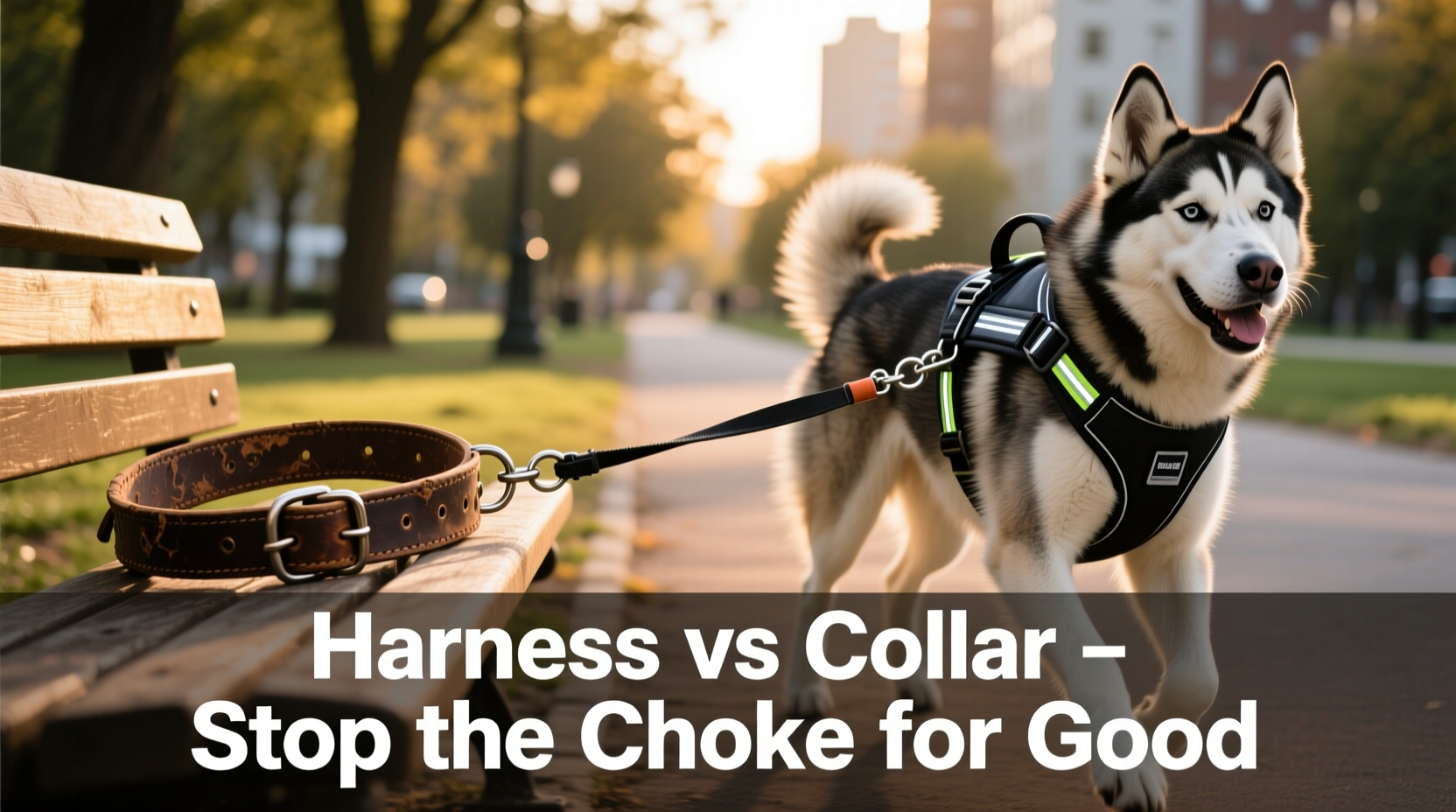
Most people use flat collars because they’re simple, inexpensive, and widely available. However, their design makes them inherently problematic for dogs who pull. When a dog lunges forward, the force is transmitted directly to the neck. This can lead to several serious health concerns:
- Tracheal collapse: Repeated pressure on the windpipe can weaken its cartilage rings, leading to chronic coughing or breathing problems.
- Spinal misalignment: Sudden jerks during walks may affect cervical vertebrae, particularly in small breeds or puppies.
- Eye pressure spikes: Studies show that neck pressure increases intraocular pressure, which can be dangerous for dogs with glaucoma or predispositions.
- Behavioral resistance: Pain or discomfort from choking creates negative associations with walking, potentially increasing reactivity or fear-based aggression.
“Using a collar for a pulling dog is like trying to control a car by yanking the driver’s neck. It's not only ineffective—it's dangerous.” — Dr. Sophia Yin, Veterinarian and Animal Behavior Specialist
The reality is that no amount of training justifies causing physical harm. Even so-called “anti-pull” collars like choke chains or prong collars rely on pain to suppress behavior, which modern animal science strongly discourages. These tools may stop pulling temporarily but often worsen underlying anxiety and erode trust between dog and owner.
Tip: If you must use a collar (e.g., for ID tags), pair it with a harness rather than relying on it for leash attachment.How Harnesses Offer a Safer, Smarter Alternative
A well-designed harness distributes force across the dog’s torso instead of focusing it on the neck. This reduces injury risk and allows for better control without compromising comfort. Modern harnesses come in various styles, each suited to different needs and behaviors.
Front-clip harnesses, for example, attach the leash to a ring located on the chest. When the dog pulls, the harness gently turns them back toward the handler—a natural redirection that doesn’t involve pain. Back-clip harnesses resemble traditional collar setups but still offer superior weight distribution. Dual-clip harnesses combine both options, giving owners flexibility as training progresses.
Beyond safety, harnesses support positive reinforcement training. Because they don’t cause pain, dogs remain calm and receptive, making learning easier. They also help manage strong breeds like huskies or boxers without resorting to aversive methods.
Types of Dog Harnesses Compared
| Type | Leash Attachment | Best For | Limitations |
|---|---|---|---|
| Front-Clip Harness | Chest (front) | Dogs that pull heavily; beginners in loose-leash training | May require adjustment period; some dogs lean into pressure |
| Back-Clip Harness | Between shoulders (back) | Mild pullers; everyday walking | Can encourage pulling if used alone with strong dogs |
| Dual-Clip Harness | Front and back | Training progression; versatile use | Slightly bulkier; higher cost |
| No-Pull Harness (e.g., Easy Walk) | Chest + structured design | Strong pullers; reactive dogs | Must fit correctly; improper sizing reduces effectiveness |
Transitioning from Collar to Harness: A Step-by-Step Guide
Switching from a collar to a harness requires patience and consistency. Many dogs resist new gear at first, especially if past experiences involved discomfort. Follow these steps to ensure a smooth transition:
- Choose the right harness: Measure your dog’s girth behind the front legs and consult sizing charts. Ensure the harness fits snugly but allows two fingers beneath straps.
- Introduce gradually: Let your dog sniff and explore the harness. Reward interaction with treats.
- Practice indoors: Put the harness on for short sessions while playing or feeding. Remove it after positive experiences.
- Add the leash inside: Once comfortable wearing it, clip the leash and walk around the house. Redirect gently if pulling occurs.
- Move to low-distraction outdoor areas: Begin in quiet yards or driveways. Use high-value treats to reinforce walking beside you.
- Gradually increase difficulty: As your dog improves, visit busier sidewalks or parks. Continue rewarding attention and loose-leash walking.
- Phase out the collar as primary attachment point: Keep the collar for ID tags, but always walk using the harness.
Real Example: Transforming Max, the Reactive Husky
Max, a 2-year-old Siberian Husky, had become increasingly difficult to walk. He’d lunge at other dogs, bark aggressively, and pull so hard his owner frequently lost balance. Initially, Max wore a standard collar, and his owner occasionally resorted to a prong collar after advice from a local trainer. While the prong reduced pulling, Max grew more anxious and began refusing to leave the house.
After consulting a certified canine behaviorist, Max’s owner switched to a front-clip harness combined with positive reinforcement training. The first week was challenging—Max didn’t understand the redirection and became frustrated. But daily 10-minute practice sessions using chicken treats and a clicker helped him learn that walking calmly earned rewards.
Within three weeks, Max stopped lunging. His breathing improved, and his owner noticed he seemed more relaxed overall. Six months later, Max walks politely on a dual-clip harness and enjoys off-leash time in secure areas. Most importantly, their relationship strengthened—no longer built on correction, but on cooperation.
Expert Tips for Stopping Pulling Without Choke Mechanisms
Choosing the right equipment is only part of the solution. Lasting change comes from combining proper gear with consistent training strategies. Here are proven techniques used by professional trainers:
- Change direction: When your dog pulls ahead, immediately turn and walk the opposite way. Reward them when they catch up and walk beside you.
- Stop-and-go: Freeze in place when tension appears on the leash. Resume only when the leash goes slack. This teaches that pulling doesn't get them where they want to go.
- Use life rewards: Don’t pull your dog toward interesting smells or destinations. Instead, make walking nicely the key to accessing those things—self-reinforcing motivation.
- Train in stages: Start in low-distraction environments and slowly build complexity. Expect setbacks and celebrate small improvements.
- Use high-value treats: Reserve special treats (like freeze-dried liver) exclusively for walks to boost engagement.
“The goal isn’t just to stop pulling—it’s to create a dog who *chooses* to stay close because it pays off.” — Victoria Stilwell, Positive Dog Training Expert
Common Mistakes to Avoid
Even with the best intentions, owners often undermine progress through unintentional errors. Watch out for these pitfalls:
- Using a poorly fitting harness: Too loose and it slips; too tight and it rubs or restricts motion.
- Inconsistent cues: Mixing commands like “heel,” “let’s go,” and “come” confuses dogs. Pick one phrase and stick with it.
- Pulling back harshly: Yanking the leash—even on a harness—creates opposition reflex, encouraging more pulling.
- Expecting instant results: Changing ingrained behavior takes weeks, sometimes months. Progress is rarely linear.
- Skipping foundational training: Trying advanced techniques before mastering basics sets both dog and owner up for frustration.
Essential Checklist for Switching to a No-Choke Walking System
- ✅ Measure your dog accurately for harness fit
- ✅ Select a front-clip or dual-clip harness designed for pulling
- ✅ Introduce the harness gradually with positive associations
- ✅ Practice indoors before moving outdoors
- ✅ Pair harness use with reward-based training techniques
- ✅ Replace collar-based walking with harness-only attachment
- ✅ Monitor for rubbing or restricted movement during early use
- ✅ Be patient and consistent—retrain daily for best results
Frequently Asked Questions
Can I still use a collar if my dog wears a harness?
Yes—collars are ideal for holding ID tags and licenses. Just ensure the leash attaches to the harness, not the collar, during walks to protect your dog’s neck.
Are all no-pull harnesses the same?
No. Effectiveness varies based on design, fit, and dog temperament. Some dogs respond better to front-clip models, while others do well with structured back-clip versions. Trial and observation are key.
Will a harness stop my dog from pulling completely?
A harness alone won’t eliminate pulling—it supports training but doesn’t replace it. Combine proper equipment with consistent, positive reinforcement for lasting success.
Conclusion: Ending the Choke Cycle for Good
Choosing a harness over a collar is more than a preference—it’s a commitment to your dog’s long-term health and emotional well-being. The days of managing strong dogs through discomfort are behind us. Modern science and humane training practices offer better ways to build cooperation, trust, and enjoyable walks for both ends of the leash.
Every dog deserves to walk without pain. By switching to a properly fitted harness and embracing positive training methods, you’re not just stopping the pull—you’re stopping the choke for good. Take the first step today: measure your dog, invest in quality gear, and begin building a walking experience rooted in kindness and clarity.
💬 Have a success story with switching from collar to harness? Share your journey in the comments and inspire others to make the change!








