
For dog owners whose pets pull on the leash during walks, choosing between a harness and a collar isn’t just about convenience—it’s a decision that affects their dog’s health, comfort, and long-term well-being. Pulling exerts significant force on a dog’s neck and spine, and repeated strain can lead to injuries ranging from tracheal damage to neurological issues. As awareness grows about canine biomechanics and humane training methods, more pet owners are reevaluating traditional collars in favor of harnesses. But which option truly offers better safety and control for a dog that pulls?
This article examines the physiological impact of pulling, compares the mechanics and safety profiles of harnesses and collars, and provides evidence-based guidance to help you make an informed choice for your dog.
Understanding the Risks of Pulling on a Dog’s Body
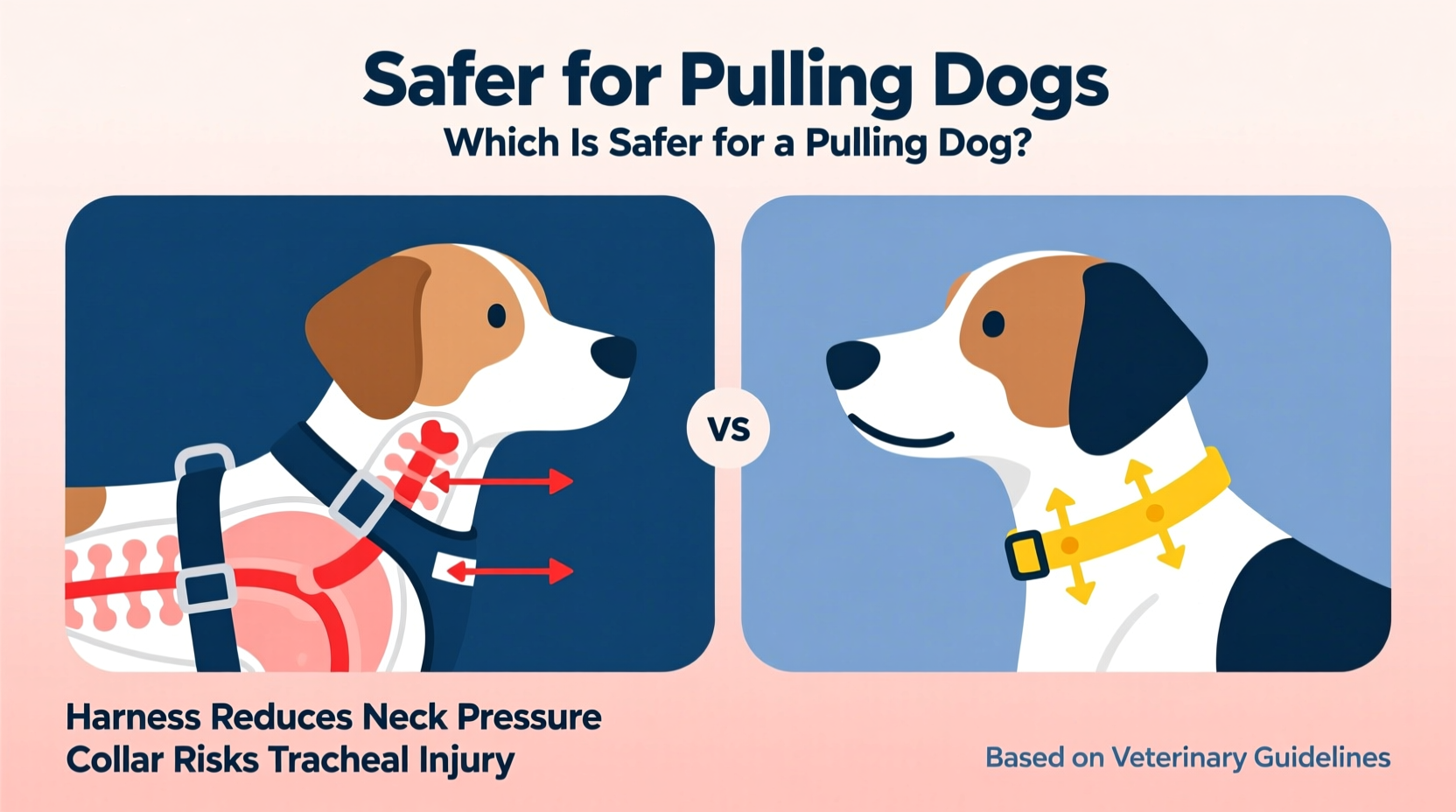
When a dog pulls against a leash, especially one attached to a neck collar, the force is concentrated on sensitive areas including the trachea, cervical vertebrae, thyroid glands, and nerves running through the neck. Sustained or repeated pressure can result in:
- Tracheal collapse, particularly in small breeds like Pomeranians or Yorkshire Terriers
- Thyroid dysfunction due to pressure on endocrine glands
- Nerve damage affecting eye function, balance, and coordination
- Spinal misalignment or disc problems over time
- Increased intraocular pressure, which may worsen conditions like glaucoma
A 2019 study published in the Journal of Veterinary Behavior found that dogs walked with front-clip harnesses showed significantly reduced pulling force and lower stress indicators compared to those using traditional neck collars. The research underscores that equipment choice directly influences both physical strain and behavioral responses.
“Dogs are not built to absorb sustained pressure on their necks. Chronic leash pulling with a collar is akin to asking a human to regularly yank themselves forward by their throat.” — Dr. Karen Becker, DVM, Integrative Veterinarian
How Collars Work: Types and Their Impact on Pulling Dogs
Neck collars come in various designs, each with different implications for dogs that pull:
- Flat collars: The most common type, typically made of nylon or leather. While suitable for ID tags and light walking, they offer no protection against pulling forces.
- Choke chains (check chains): Designed to tighten when pulled, these rely on discomfort to discourage pulling. However, they pose high risks of injury and are widely discouraged by veterinary professionals.
- Prong collars: Metal collars with inward-pointing prongs that pinch the skin when tension is applied. Though sometimes used in obedience training, they can cause pain, skin abrasions, and fear-based behaviors.
All collar types transmit pulling force directly to the neck. Even brief episodes of strong pulling—such as lunging at another dog or chasing a squirrel—can generate enough pressure to cause microtrauma. Over time, this cumulative stress may lead to chronic health issues.
Tip: Never use a retractable leash with a neck collar on a dog that pulls. The sudden snap-back or extended range increases injury risk dramatically.Harness Designs: Safety, Control, and Comfort Compared
Harnesses distribute pulling force across the dog’s torso rather than concentrating it on the neck. This fundamental difference makes them inherently safer for dogs prone to pulling. However, not all harnesses are created equal. The design determines how effectively they manage force and support training.
Back-Clip Harnesses
These attach the leash to a ring located between the dog’s shoulder blades. While comfortable and easy to put on, back-clip harnesses can actually encourage pulling because they allow dogs to lean forward and use their full strength—similar to a sled dog. They offer no mechanical disadvantage to pulling behavior.
Front-Clip Harnesses
The leash attaches to a ring on the dog’s chest, just behind the shoulders. When the dog pulls, the harness gently turns the dog’s body toward the handler, redirecting momentum and discouraging forward motion. This design promotes better leash manners and reduces strain on both dog and owner.
Dual-Clip Harnesses
Combining front and back attachment points, dual-clip harnesses offer versatility. Use the front clip for training and walks where control is critical; switch to the back clip once the dog demonstrates improved behavior. This flexibility supports progressive training without requiring multiple harnesses.
No-Pull and Anti-Pull Harnesses
Marketed specifically for strong pullers, these often feature front clips and additional structural elements like padded cross-chest straps or adjustable tension limiters. While effective, fit is crucial—poorly sized models can restrict shoulder movement or rub sensitive areas.
| Design | Safety for Pulling Dogs | Training Support | Mobility Impact |
|---|---|---|---|
| Flat Collar | Low – concentrates force on neck | Poor – no mechanical advantage | None |
| Prong/Choke Collar | Very Low – risk of injury | Fair – uses aversive feedback | Minimal, but painful |
| Back-Clip Harness | Moderate – distributes force | Poor – may encourage pulling | High – unrestricted gait |
| Front-Clip Harness | High – redirects force safely | Excellent – naturally discourages pulling | Moderate – slight turning effect |
| Dual-Clip Harness | High – adaptable for training | Excellent – supports progression | High – balanced design |
Real-World Example: Transforming a Strong Puller with the Right Equipment
Max, a two-year-old Siberian Husky, had become nearly impossible to walk. He would lunge at squirrels, ignore commands, and choke himself daily on his flat collar. His owner, Sarah, consulted a certified dog trainer after Max began coughing persistently. A vet ruled out infection but noted mild tracheal irritation.
The trainer recommended switching to a front-clip harness and pairing it with positive reinforcement training. Within three weeks of consistent use and short, focused walks, Max reduced his pulling by over 70%. The harness redirected his momentum, giving Sarah better control without punishment. Combined with treats for walking calmly beside her, Max began associating loose-leash walking with rewards.
After two months, Sarah transitioned to a dual-clip harness for longer walks. Max now walks politely on a slack leash, and his coughing has stopped entirely. “I didn’t realize the collar was hurting him,” Sarah said. “The harness didn’t fix everything overnight, but it gave us the tools to train safely.”
Step-by-Step Guide to Choosing and Using the Safest Option
Selecting the right gear involves more than picking a product—it requires understanding your dog’s needs and committing to proper use. Follow this sequence to ensure safety and effectiveness:
- Assess your dog’s pulling behavior: Is it occasional lunging or constant tension? High-intensity pullers benefit most from front-clip harnesses.
- Consult your veterinarian: If your dog has preexisting conditions (e.g., respiratory issues, spinal concerns), get professional input before choosing equipment.
- Measure accurately: Use a soft tape measure around the chest (behind front legs) and neck. Refer to manufacturer sizing charts—never guess.
- Try a front-clip harness: Brands like Freedom Harness, Easy Walk, or HALO offer well-reviewed options. Ensure the chest strap sits behind the shoulders and doesn’t ride up the neck.
- Introduce gradually: Let your dog wear the harness indoors with treats and praise. Practice clipping the leash without walking.
- Train with consistency: Use short walks with frequent rewards for attention and loose-leash walking. Avoid yanking or jerking—let the harness do the work.
- Monitor fit and function: Check for chafing, restricted movement, or slipping. Adjust straps as needed, especially if your dog gains or loses weight.
- Reevaluate over time: As your dog improves, consider transitioning to a back-clip harness or even a collar—if appropriate and safe.
Common Misconceptions About Harnesses and Collars
Despite growing evidence, several myths persist:
- “Harnesses make dogs pull more.” This may be true for poorly designed back-clip models, but front-clip harnesses reduce pulling. The perception often stems from improper fit or lack of training.
- “Only aggressive dogs need harnesses.” Safety isn’t limited to aggression. Any dog that pulls benefits from reduced neck strain.
- “Collars are more ‘natural.’” Wild canids don’t wear collars or pull against restraints. This argument lacks biological basis.
- “Harnesses restrict movement.” Well-fitted harnesses allow full range of motion. Restriction usually results from incorrect sizing or poor design.
Frequently Asked Questions
Can I use a harness every day for walks?
Yes, modern harnesses are designed for daily use. Just remove the harness after walks to prevent skin irritation and inspect it regularly for wear and tear.
Is it safe to attach a car harness or seatbelt to a walking harness?
No. Walking harnesses are not crash-tested. Use only harnesses certified for vehicle travel (look for labels like “Crash Tested” or compliance with FMVSS 213). Attaching a seatbelt to a standard harness can increase injury risk in an accident.
Should my dog still wear a collar with a harness?
Yes—for identification. Many owners use a lightweight collar with ID tags while walking their dog in a harness. Just ensure the collar fits loosely enough not to pinch if the dog backs out of it.
Conclusion: Prioritizing Safety Without Compromising Training
For dogs that pull, a well-designed harness—particularly a front-clip or dual-clip model—is objectively safer than a traditional collar. It protects delicate neck structures, supports humane training methods, and enhances control during walks. While collars have their place for identification and well-trained dogs, they are not suitable primary walking tools for pullers.
The shift toward harnesses reflects a broader evolution in pet care: one grounded in empathy, science, and respect for animal physiology. By choosing the right equipment and pairing it with positive reinforcement, you’re not just preventing injury—you’re building trust and improving your dog’s quality of life.
🚀 Ready to make the switch? Measure your dog today, try a front-clip harness, and start building calmer, safer walks—one step at a time.








