For dog owners dealing with a strong or persistent puller, choosing the right walking gear isn't just about comfort—it's about safety, control, and long-term health. The debate between harnesses and collars is central to this decision. While both have their place, the answer to which offers better control depends on your dog’s behavior, breed, size, and physical structure. Understanding the mechanics of force distribution, behavioral influence, and anatomical impact is essential in making an informed choice.
A pulling dog can turn a peaceful walk into a battle of wills. Over time, constant strain on a traditional neck collar may lead to tracheal damage, spinal issues, or worsened reactivity. Conversely, certain harness designs can redirect a dog’s momentum, discourage pulling through pressure cues, and give handlers more leverage—without compromising the animal’s well-being.
How Force Is Distributed: Collar vs Harness
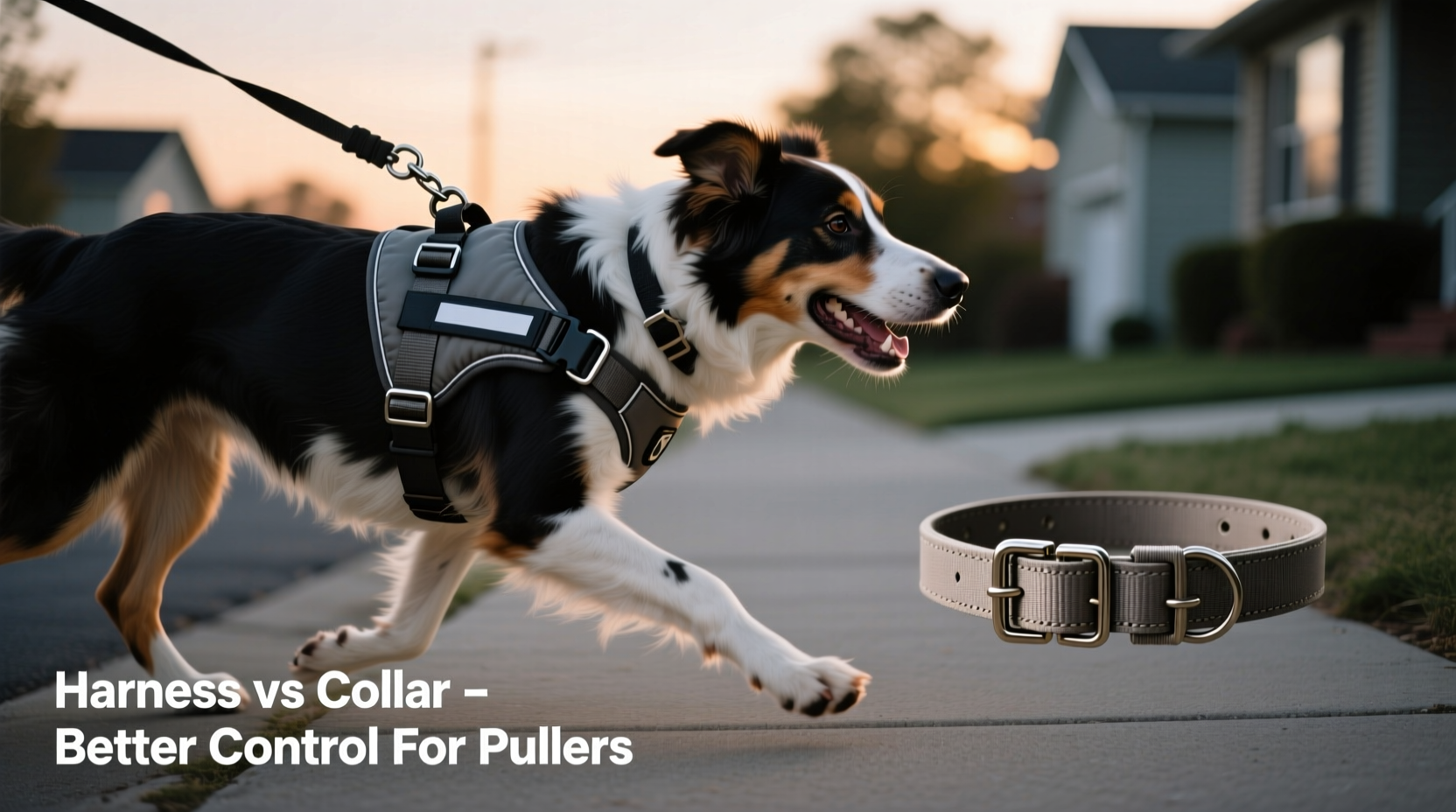
The fundamental difference between a collar and a harness lies in where force is applied when a dog pulls. A standard flat collar concentrates tension around the neck—specifically the trachea, cervical spine, and surrounding soft tissues. For small breeds or dogs prone to respiratory conditions like collapsing trachea, this can be especially dangerous.
In contrast, a well-designed harness spreads pulling force across the chest, shoulders, and torso—areas better equipped to handle pressure. This redistribution reduces the risk of injury and allows the handler to manage larger or stronger dogs with less physical strain.
Tip: If your dog coughs, chokes, or shows signs of discomfort during walks, consider switching from a collar to a front-clip harness immediately.The Role of Attachment Points in Control
Not all harnesses are created equal. The location of the leash attachment point significantly affects control:
- Back-clip harnesses: Leash attaches between the shoulder blades. These resemble a collar in function—when a dog pulls, they gain forward momentum, reinforcing the pulling behavior. Best for well-trained dogs that don’t pull.
- Front-clip harnesses: Leash attaches at the chest. When the dog pulls, the harness gently turns them back toward the handler, disrupting forward motion. This design discourages pulling through redirection rather than punishment.
- Double-clip harnesses: Feature both front and back attachment points. Ideal for training transitions or variable control needs.
According to Dr. Sophia Yin, a renowned veterinary behaviorist, “Front-attachment harnesses reduce pulling by altering the consequences of the behavior. Instead of being rewarded with forward movement, the dog is turned sideways, making it harder to continue pulling.”
When Collars Offer Better Control
Despite the growing popularity of harnesses, there are scenarios where a collar provides superior control:
- Highly trained working dogs: Police K-9s, search-and-rescue dogs, and service animals often wear collars because they’ve been conditioned to heel without pulling. Their training supersedes equipment reliance.
- Dogs with narrow chests or deep ribcages: Breeds like Greyhounds or Whippets may slip out of poorly fitted harnesses. In such cases, a martingale collar offers secure fit and moderate correction without choking.
- Quick recall situations: Collars allow faster access for attaching a leash in emergencies. Some trainers prefer using a collar for commands and a harness only during walks.
“Control isn’t solely about equipment—it’s about consistency, timing, and communication. A well-fitted collar on a trained dog can offer precision; a harness on an untrained puller offers management.” — Karen Pryor, Animal Behavior Scientist
However, even in these cases, many professionals recommend using a collar in conjunction with a harness—not as the primary tool for managing pullers.
Comparative Analysis: Harness vs Collar for Pullers
| Feature | Front-Clip Harness | Back-Clip Harness | Flat Collar | Martingale Collar |
|---|---|---|---|---|
| Force Distribution | Chest & shoulders (even) | Back & shoulders | Neck (concentrated) | Neck (tightens slightly) |
| Pulling Deterrence | High (redirects motion) | Low (rewards pulling) | None | Minimal |
| Suitability for Strong Pullers | Excellent | Poor | Fair (with risks) | Fair (for escape-prone) |
| Risk of Injury | Very Low | Low | High (trachea/spine) | Moderate (if misused) |
| Ease of Training Use | High (positive redirection) | Low | Moderate (with corrections) | Moderate |
| Breed Suitability | Most breeds | Non-pullers, broad-chested | Well-trained, non-reactive | Narrow-headed breeds |
Real-World Example: Transforming a Puller with a Harness
Consider Max, a two-year-old Siberian Husky adopted from a shelter. Known for his strength and enthusiasm, Max would lunge at squirrels, drag his owner down sidewalks, and choke himself daily on his nylon collar. His veterinarian noted early signs of laryngeal irritation.
His owner switched to a front-clip no-pull harness (the Freedom Harness) and began short, focused walks using positive reinforcement. Each time Max walked beside his owner without pulling, he received a treat. When he surged forward, the harness turned him gently to the side, interrupting the behavior.
Within three weeks, Max reduced pulling by over 70%. By week six, he maintained a loose-leash walk through most of the neighborhood. The change wasn’t just behavioral—it was physical. His coughing stopped, and his owner reported less shoulder pain from resisting his pull.
This case illustrates how the right harness, combined with consistent training, can transform a frustrating walk into a cooperative experience.
Step-by-Step Guide to Choosing and Using the Right Gear
Selecting the optimal tool for a puller involves more than browsing online reviews. Follow this sequence to ensure safety and effectiveness:
- Assess Your Dog’s Behavior: Does your dog pull constantly, only when excited, or only toward distractions? Note patterns before choosing equipment.
- Evaluate Physical Traits: Consider breed, neck-to-chest ratio, coat thickness, and any preexisting conditions (e.g., brachycephalic syndrome, past injuries).
- Choose the Right Type: For active pullers, start with a front-clip harness. Avoid back-clip models if pulling is a major issue.
- Fitting Is Critical: A harness should be snug but allow two fingers under straps. Adjust while your dog is standing. Check for chafing points after initial use.
- Introduce Gradually: Let your dog wear the harness indoors with treats and praise. Never associate it with restraint or negativity.
- Train with Purpose: Use short sessions (5–10 minutes) focusing on attention and loose-leash walking. Reward every few steps initially.
- Monitor Progress: Track improvements weekly. If the harness slips or causes rubbing, reassess fit or model.
- Combine Tools if Needed: Some trainers use a martingale collar under a harness for ID tags and added security—never attach the leash to both.
Common Myths About Harnesses and Collars
Misinformation often clouds decision-making. Here are three widespread myths debunked:
- Myth: Harnesses encourage pulling. Some claim that harnesses give dogs more power. In reality, back-clip harnesses may allow forward momentum, but front-clip versions actively discourage pulling through biomechanics.
- Myth: Only aggressive dogs need harnesses. Control isn’t limited to aggression. Excitement, fear, or lack of training can cause pulling. A harness is a management tool, not a label.
- Myth: Collars are more “natural.” Dogs didn’t evolve wearing either. What matters is minimizing harm and promoting clear communication.
Frequently Asked Questions
Can I use a harness and collar together?
Yes—many owners use a harness for walking and keep a collar on for ID tags. Just ensure the collar isn’t tight and never attach the leash to both simultaneously, as this can create dangerous pressure points.
Do no-pull harnesses hurt dogs?
Properly fitted front-clip harnesses do not cause pain. However, poor fit—especially tight leg loops or pressure behind the elbows—can lead to discomfort or restricted movement. Always adjust according to manufacturer guidelines and observe your dog’s gait.
Will a harness stop my dog from pulling completely?
No single tool eliminates pulling without training. A harness reduces the reinforcement of pulling by limiting forward progress, but consistent cue training (like “let’s go” or “heel”) is necessary for lasting results.
Final Recommendations and Action Plan
For the vast majority of dogs that pull, a front-clip harness provides superior control and safety compared to a collar. It redirects force away from vulnerable areas, supports training efforts, and reduces physical strain on both dog and handler. That said, equipment alone isn’t a solution. Pair your choice with positive reinforcement techniques, patience, and realistic expectations.
If your dog is a severe puller, reactive, or has respiratory issues, begin with a high-quality front-clip harness such as the Easy Walk, Front Range, or PetSafe Freedom. Avoid punitive devices like prong or choke collars unless under the guidance of a certified trainer, as these can increase fear and aggression.
Remember: the goal isn’t dominance—it’s cooperation. A walk should strengthen your bond, not test your strength. With the right combination of tools and training, even the most determined puller can learn to walk calmly by your side.
“The best control comes not from constraining a dog, but from guiding them. Equipment is a support system, not a substitute for connection.” — Dr. Ian Dunbar, Veterinarian and Dog Trainer💬 Ready to take back your walks? Try a front-clip harness this week and track your progress. Share your story or questions in the comments—your experience could help another dog owner find peace on the leash.









