French Bulldog puppies are charming, energetic, and full of personality. But their unique physiology—compact size, sensitive digestion, and predisposition to allergies and joint issues—demands a thoughtful approach to nutrition. Choosing the right dog food isn’t just about satisfying hunger; it’s about supporting healthy development, maintaining energy levels, and preventing future health complications. With so many options on the market, from grain-free kibble to raw diets, selecting the ideal formula can feel overwhelming. This guide breaks down what truly matters when feeding a French Bulldog puppy, backed by veterinary insights and nutritional science.
Nutritional Needs of French Bulldog Puppies
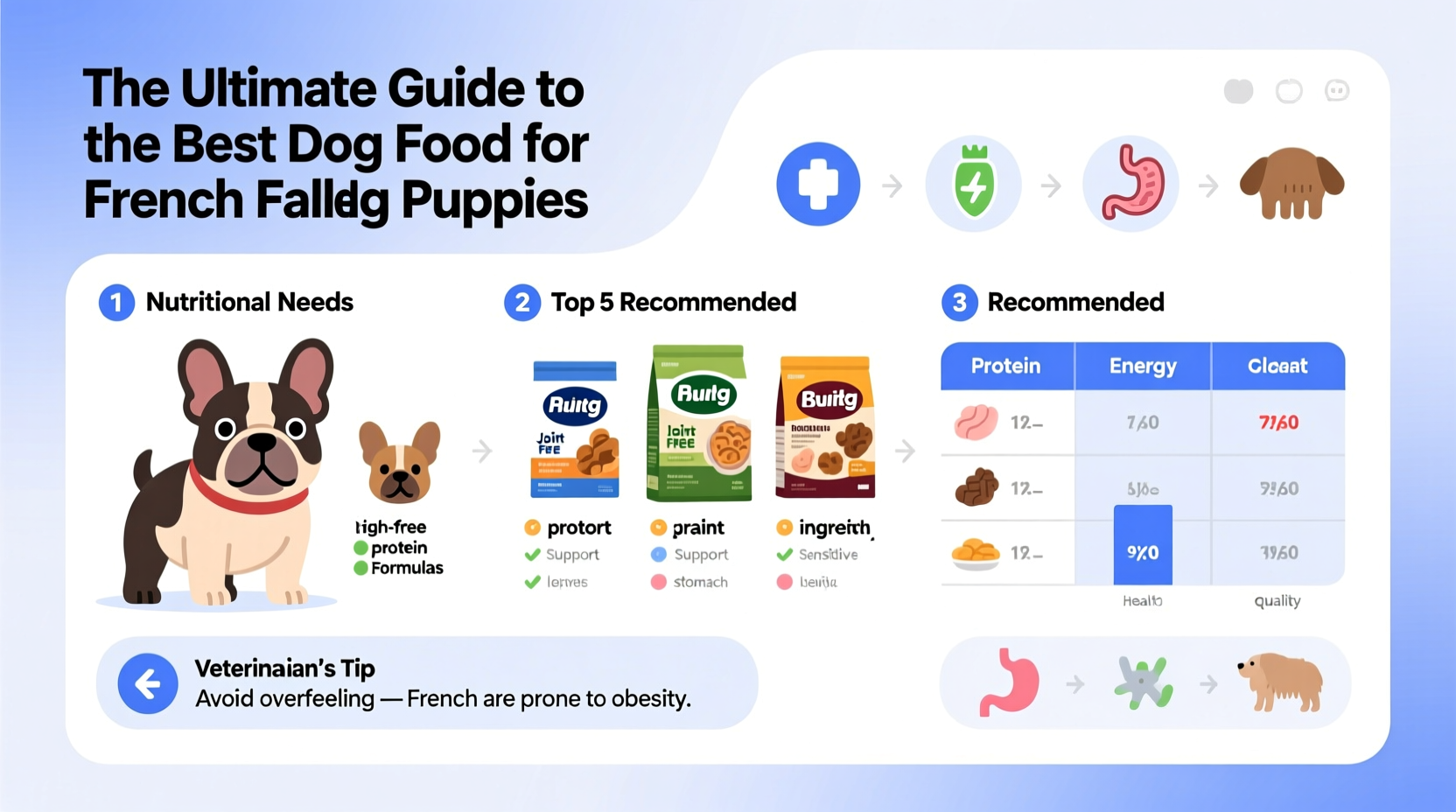
Unlike larger breeds that grow steadily over months, French Bulldogs experience rapid development in their first year. During this time, they require a balanced intake of protein, fats, vitamins, and minerals tailored to small-breed growth patterns. Their metabolism is fast, but their stomachs are small, meaning meals must be nutrient-dense without being excessive in volume.
High-quality animal-based protein is essential. Look for named meat sources like chicken, turkey, or lamb listed as the first ingredient. These provide amino acids critical for muscle development and immune function. Fat content should be moderate—around 8–12%—to fuel activity without contributing to weight gain, a common issue in the breed.
Omega-3 and omega-6 fatty acids support skin and coat health, crucial for Frenchies prone to dermatitis and dry skin. DHA, found in fish oil, promotes cognitive and vision development in young puppies. Calcium and phosphorus must be present in the correct ratio (ideally 1.2:1) to support bone growth without risking skeletal abnormalities.
Tip: Avoid foods with unnamed \"meat meals\" or excessive fillers like corn, soy, and wheat, which offer little nutritional value and may trigger allergies.Common Health Concerns and How Diet Can Help
French Bulldogs are brachycephalic, meaning their short snouts affect breathing and digestion. They’re also genetically predisposed to several conditions where diet plays a preventive role:
- Allergies: Many Frenchies develop food sensitivities, especially to common proteins like beef or dairy. A limited-ingredient or novel-protein diet (e.g., duck, venison) can reduce flare-ups.
- Brachycephalic Obstructive Airway Syndrome (BOAS): While not directly caused by diet, excess weight worsens respiratory strain. Controlling calorie intake helps maintain an ideal body condition.
- Joint Issues: Hip dysplasia and luxating patellas are relatively common. Glucosamine and chondroitin in puppy food may support joint integrity during growth.
- Digestive Sensitivity: Frenchies often have delicate stomachs. Foods with prebiotics, probiotics, and highly digestible proteins ease gastrointestinal stress.
“Nutrition in the first six months sets the foundation for lifelong health in French Bulldogs. A well-formulated diet can mitigate genetic risks and support robust development.” — Dr. Laura Simmons, DVM, Small Breed Nutrition Specialist
Top Ingredients to Look For (and Avoid)
Not all puppy foods are created equal. The ingredient list tells you more than marketing claims ever can. Here’s a breakdown of what to prioritize and what to skip.
| Recommended Ingredients | Purpose |
|---|---|
| Deboned chicken, turkey, or salmon | Highly digestible, high-quality protein source |
| Fish oil or flaxseed | Rich in DHA and omega-3s for brain and coat health |
| Sweet potatoes or pumpkin | Fiber-rich complex carbs that aid digestion |
| Probiotics (e.g., Enterococcus faecium) | Support gut microbiome balance |
| Glucosamine and chondroitin | Promote joint health during rapid growth |
| Ingredients to Avoid | Why They’re Problematic |
|---|---|
| Artificial preservatives (BHA, BHT, ethoxyquin) | Linked to long-term health risks |
| Corn, wheat, soy | Common allergens and low-nutrient fillers |
| By-products or generic meat meal | Inconsistent quality and poor digestibility |
| Artificial colors and flavors | Unnecessary additives with no health benefit |
| Excessive calcium supplementation | Can lead to abnormal bone growth in small breeds |
Step-by-Step Guide to Transitioning Your Frenchie Puppy’s Food
Switching food too quickly can cause diarrhea, vomiting, or refusal to eat. Follow this gradual timeline to ensure a smooth transition:
- Days 1–2: Mix 25% new food with 75% current food. Monitor for digestive upset or changes in energy.
- Days 3–4: Increase to 50% new food, 50% old. Continue observing stool consistency and appetite.
- Days 5–6: Use 75% new food, 25% old. Ensure your puppy remains active and hydrated.
- Day 7: Feed 100% new food. If any issues arise, extend the transition period by a few days.
Always introduce new food at the same time each day, and avoid mixing different brands simultaneously. Portion sizes should align with your puppy’s age, weight, and activity level—typically 1/2 to 1 cup per day divided into three meals until six months, then twice daily.
Tip: Use a slow feeder bowl. French Bulldogs tend to gulp food due to their flat faces, increasing the risk of choking and bloat.Real-Life Example: Max’s Allergy Turnaround
Max, a 10-week-old Frenchie from Austin, Texas, arrived at his new home with chronic ear infections and itchy skin. His initial diet consisted of a popular commercial puppy kibble with chicken and rice. After weeks of discomfort, his owner consulted a vet who suspected a food allergy.
The vet recommended switching to a limited-ingredient diet featuring venison and potato. Within two weeks, Max’s scratching decreased significantly. By week four, his coat had improved, and the ear infections stopped recurring. Blood tests later confirmed sensitivity to poultry and dairy. Today, Max thrives on a grain-free, single-protein formula, proving how impactful the right food choice can be.
Checklist: Selecting the Best Dog Food for Your French Bulldog Puppy
- ✅ Protein source is a named animal (e.g., deboned lamb, wild-caught salmon)
- ✅ No artificial preservatives, colors, or flavors
- ✅ Includes DHA for brain development
- ✅ Contains probiotics or prebiotic fiber for digestion
- ✅ Free from corn, wheat, soy, and by-products
- ✅ Formulated specifically for small-breed puppies
- ✅ Recommended by veterinarians or backed by AAFCO nutritional standards
- ✅ Positive reviews from other Frenchie owners regarding stool quality and energy levels
Frequently Asked Questions
Can I feed my French Bulldog puppy grain-free food?
Yes, but only if it’s nutritionally balanced and doesn’t rely on legumes like peas or lentils as primary ingredients. The FDA has investigated a potential link between certain grain-free diets and dilated cardiomyopathy (DCM). Consult your vet before choosing a grain-free option, especially if your puppy has a family history of heart issues.
How much should I feed my French Bulldog puppy?
At 8–12 weeks, feed approximately 1/2 cup per day split into three meals. From 3–6 months, increase to 3/4 cup daily. At 6–12 months, aim for 1 cup total, divided into two meals. Always adjust based on your puppy’s body condition—ribs should be palpable but not visible, and a slight tuck should be visible at the abdomen.
Is wet food better than dry kibble for Frenchies?
Wet food can be beneficial for hydration and palatability, especially for picky eaters. However, dry kibble helps reduce plaque buildup. Many owners opt for a mix: 75% kibble and 25% wet food. Just ensure the combined calories don’t exceed daily needs.
Final Thoughts and Next Steps
Feeding your French Bulldog puppy the right food is one of the most impactful decisions you’ll make as a pet parent. It influences everything from their energy and behavior to their long-term health and lifespan. Prioritize quality ingredients, avoid known irritants, and stay attentive to how your puppy responds to their diet. Remember, every Frenchie is unique—what works for one may not suit another.
Start by evaluating your current food using the checklist above. If improvements are needed, begin a gradual switch using the seven-day plan. Keep records of your puppy’s weight, stool quality, and skin condition to track progress. When in doubt, consult your veterinarian—especially if you're considering homemade or raw diets, which require careful balancing.
💬 Your Frenchie deserves the best start in life. Share your feeding journey, ask questions, or recommend trusted brands in the comments below—let’s build a community of informed, passionate Frenchie parents!








